If you’re considering whitening your teeth to brighten your smile, you may be wondering whether the treatment works on crowns or veneers. It’s a common question among people with porcelain crowns or composite veneers who want a uniform, radiant smile. The short answer is, traditional whitening treatments won’t work on these dental restorations. But don’t worry—there are still ways to maintain or even improve the brightness of your smile. In this article, we’ll dive into why whitening doesn’t work on crowns or veneers, how you can keep your smile looking bright, and what to do if your restorations become discolored. And, we’ll give you tips for whitening your natural teeth before getting crowns or veneers to ensure the best results.
Why Whitening Doesn’t Work on Crowns or Veneers
Whitening doesn’t work on crowns or veneers because bleaching agents only change natural tooth enamel, not porcelain, ceramic, or composite materials.
The Science Behind Teeth Whitening
Teeth whitening treatments, whether at-home or professional, rely on bleaching agents such as hydrogen peroxide or carbamide peroxide to break down stains on your teeth. These agents work by penetrating the porous enamel of natural teeth, where they break down the chemical bonds in stains, making the teeth appear whiter. However, crowns and veneers are made from non-porous materials like porcelain or composite resin, which do not allow these whitening agents to penetrate.
Because of this, whitening agents can’t reach the deeper layers of porcelain or composite materials, meaning they don’t affect the color of these restorations. In contrast, natural enamel is porous, allowing it to absorb the whitening agents and lighten the tooth color. This is why only natural teeth can be whitened with bleaching products, while crowns and veneers will remain the same shade.
Why Crowns and Veneers Won’t Whiten
The main reason crowns and veneers don’t respond to whitening treatments is their non-porous nature. Porcelain veneers and composite resin crowns are designed to mimic natural teeth, providing a strong, durable surface for cosmetic restoration. However, unlike natural teeth, they don’t have the porous structure that allows bleaching agents to break down stains.
- Porcelain: a ceramic material highly resistant to staining, known for its strength and lifelike appearance. It’s also non-porous, which is why whitening treatments can’t penetrate or affect it.
- Composite Resin: Composite resin is a tooth-colored material used for veneers or crowns. Like porcelain, composite is also non-porous, meaning it doesn’t respond to whitening agents.
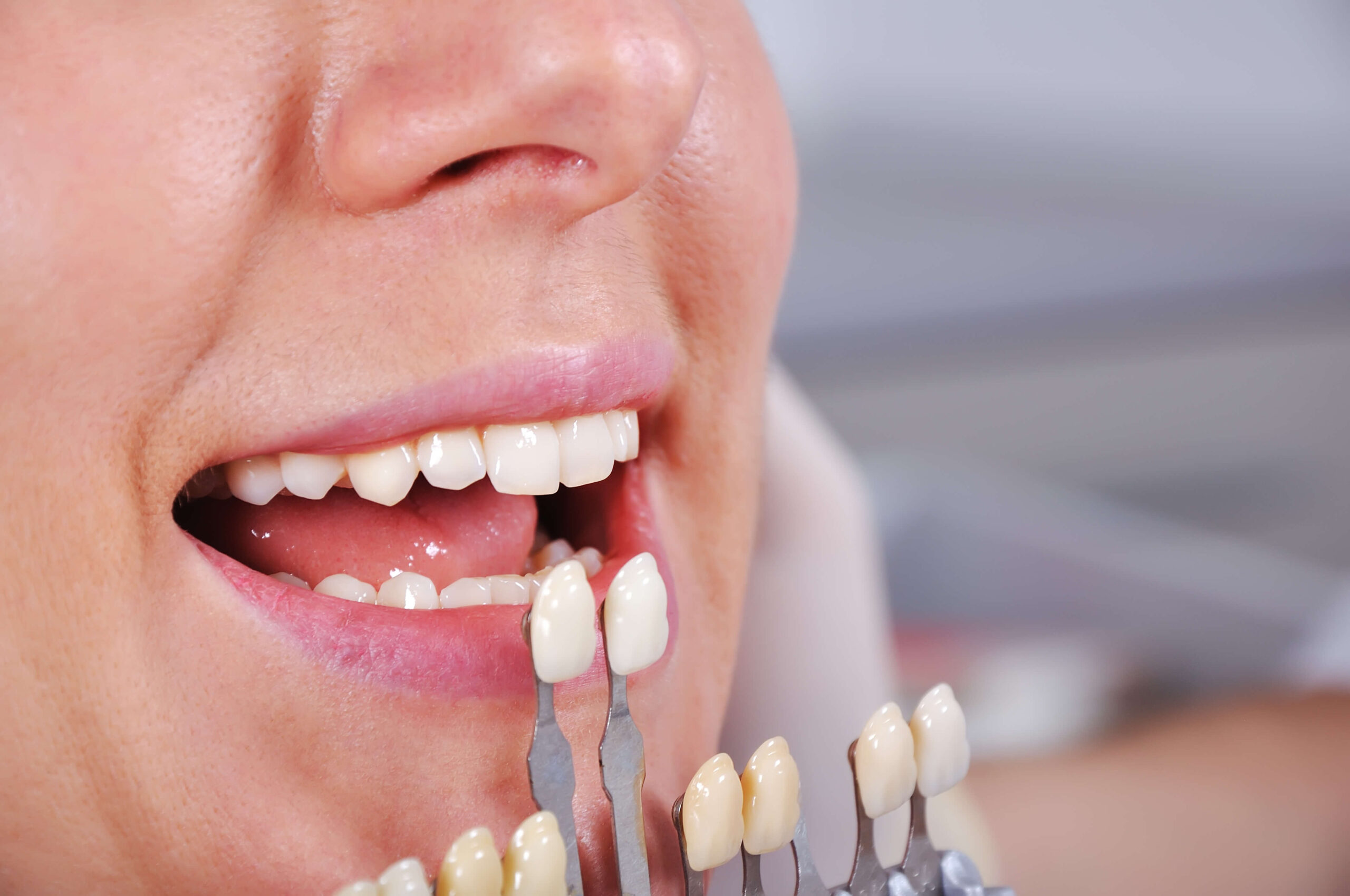
When you get veneers or crowns, they are color-matched to your natural teeth before placement. Once placed, they stay that color, as they do not change over time with whitening products.
How to Maintain the Brightness of Your Crowns and Veneers
Professional Cleaning and Polishing
While whitening treatments won’t lighten your crowns or veneers, there are ways to maintain their brightness and prevent surface stains from building up. One of the best ways to keep your restorations looking fresh is by scheduling professional cleanings with your dentist. During these visits, your dentist can use special tools and techniques to remove surface stains that may accumulate from food, drinks, or tobacco.
Regular polishing is also essential to maintaining the luster of your veneers or crowns. Professional cleanings help remove plaque and tartar buildup, which can dull the appearance of your restorations over time.
Avoid Staining Foods and Habits
To keep your crowns and veneers looking their best, it’s important to limit exposure to foods and drinks that cause staining. Common culprits include:
- Coffee
- Red Wine
- Tea
- Tobacco and Smoking
- Soy Sauce and Balsamic Vinegar
These substances can cause surface staining on your restorations. While they may not penetrate the material, they can still create a dull or discolored appearance over time. To help preserve the brightness of your veneers or crowns, try to avoid these items or consume them in moderation.
Non-Abrasive Toothpaste
Another essential tip for maintaining the brightness of your veneers or crowns is to use non-abrasive toothpaste. Abrasive toothpastes may contain ingredients that can scratch or dull the surface of your restorations. This can lead to more noticeable staining and wear over time.
Using a non-abrasive toothpaste, such as one designed for veneers or sensitive teeth, will help remove surface stains without damaging the material. It’s also a good idea to brush gently with a soft-bristle toothbrush to avoid putting too much pressure on your restorations.
Can You Whiten Your Natural Teeth to Match New Crowns or Veneers?
Whiten Your Natural Teeth First
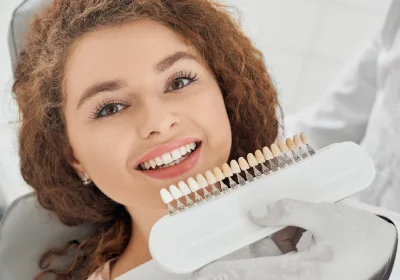
If you’re planning to get veneers or crowns and want them to match your natural teeth as closely as possible, it’s important to whiten your natural teeth first. Since whitening treatments only affect natural enamel, your dentist will match the color of your crowns or veneers to the shade of your natural teeth after they’ve been whitened.
The key is to whiten your natural teeth before the restorations are placed. This ensures that your crowns or veneers will blend seamlessly with the rest of your smile. If you wait too long or try to whiten your teeth after your veneers or crowns are in place, you may be left with a color mismatch between your natural teeth and restorations.
Wait for Shade Stabilization
After whitening your natural teeth, it’s essential to wait for the shade to stabilize before getting your crowns or veneers. Typically, this takes about two weeks, as your teeth undergo a rehydration process after whitening. During this time, the color of your teeth will settle, and your dentist will be able to match your restorations to the exact shade of your natural teeth at that time. This waiting period is crucial because placing crowns or veneers before the shade stabilizes may lead to a mismatch between your teeth and your restorations.
What to Do if Your Crowns or Veneers Become Discolored
Over time, even the highest quality materials can lose their luster. If you notice a significant mismatch after whitening your other teeth, or if your porcelain veneers need to be replaced due to age or gum recession, a replacement is often the only way to restore a perfect match.
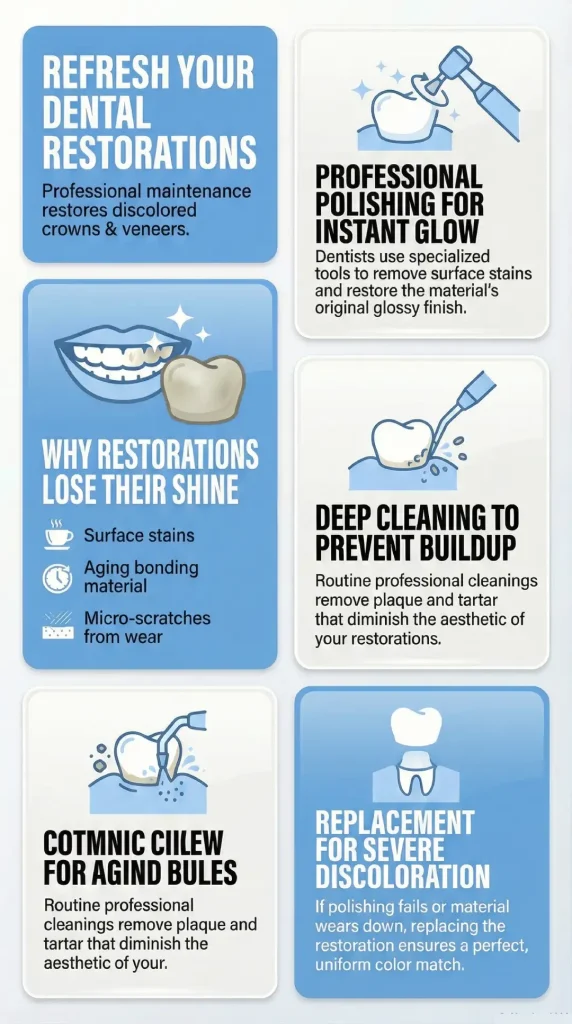
Causes of Discoloration in Crowns and Veneers
Discoloration in crowns and veneers can occur for various reasons, even if they are resistant to traditional stains like natural teeth. Here are the common causes:
- Surface Staining: Just like natural teeth, veneers and crowns can develop surface stains. Foods like coffee, red wine, and tea, as well as smoking, can all lead to discoloration. Although whitening agents won’t affect the porcelain or composite material, surface stains can still diminish their brightness.
- Bonding Material Aging: Over time, the bonding material used to secure the veneers or crowns may degrade or change color, leading to a mismatch in your smile’s overall appearance. This aging process can make the edges of your restorations appear darker.
- Wear and Tear: Micro-scratches or polish loss on the surface of veneers or crowns can make them more susceptible to staining. When the glossy surface layer is worn down, your restorations may look dull or discolored.
Solutions for Stained Crowns or Veneers
1. Professional Polishing
If you notice that your veneers or crowns are looking dull, the best solution is to visit your dentist for a professional polishing. This process involves using special dental tools to remove surface stains and restore the shiny appearance of your restorations. It’s a quick and effective solution to keep your crowns and veneers looking fresh.
2. Professional Cleaning
In addition to polishing, your dentist can perform a professional cleaning to remove plaque and tartar that may have built up on your crowns or veneers. Regular dental cleanings are essential for maintaining the aesthetic of your restorations and ensuring they stay bright over time.
3. Replacement for Severe Discoloration
If your crowns or veneers are severely discolored and cannot be restored through cleaning or polishing, replacement may be the best option. Over time, veneers and crowns can wear down, lose their polish, or develop discoloration as the bonding material ages. In such cases, replacing them with new veneers or crowns may be necessary for a brighter, more uniform smile.
How to Match New Crowns or Veneers After Whitening
If you’ve recently whitened your natural teeth, you may be wondering how to ensure that your new crowns or veneers match your newly brightened smile. Shade matching is a crucial step in achieving a consistent, natural-looking result.
Whiten Your Natural Teeth First
The key to ensuring a perfect match is to whiten your natural teeth before getting your crowns or veneers. Whitening your teeth first allows your dentist to match the shade of your restorations to your new tooth color. If you wait until after the restorations are placed, the color of your natural teeth and veneers or crowns may no longer match, resulting in an uneven appearance.
Wait for Shade Stabilization
After you whiten your natural teeth, it’s important to give them time to stabilize. Immediately after whitening, your teeth may appear slightly lighter than their final shade, and this can affect how your dentist matches the crowns or veneers.
To get the most accurate match, you should wait 1-2 weeks after whitening before proceeding with the placement of your restorations. During this time, your natural teeth will undergo rehydration, and their color will stabilize. Only after this period should you visit your dentist to get your crowns or veneers made. This is one of the most common facts about dental care that patients discover during their cosmetic journey.
Match the New Shade with Custom Restorations
Once your natural teeth have stabilized, your dentist will match your crowns or veneers to the new shade of your teeth. This ensures that your smile looks uniform and natural, with all your teeth matching perfectly in terms of brightness and tone.
What to Do if Your Crowns or Veneers Are Mismatched After Whitening
It’s not uncommon for patients to experience shade mismatches after whitening their teeth. If your crowns or veneers no longer match your newly whitened natural teeth, there are options to correct this:
Replacing Discolored Crowns or Veneers
If the color mismatch is significant, the best solution may be to replace the existing crowns or veneers. Your dentist can remove the old restorations and create new ones that match the updated color of your natural teeth after whitening.
- Porcelain Veneers: Porcelain veneers can be custom-made to match the exact shade of your newly whitened natural teeth. The benefit of porcelain is that it’s highly customizable and provides a lifelike appearance.
- Composite Veneers: Composite resin veneers can also be replaced with newer ones that match your teeth after whitening. While they may stain more easily than porcelain, they can be reshaped and color-matched effectively.
If you’re unsure about how to match your restorations after whitening, it’s essential to consult with a cosmetic dentist. A professional consultation will ensure your restorations are matched to the ideal shade, and your smile looks its best.
Routine visits to the dentist are essential for keeping your veneers or crowns looking their best. During your regular checkups, your dentist can examine your restorations and remove any buildup of stains. Regular cleanings help maintain the brightness of your smile and ensure that your restorations last as long as possible.
Whitening and Crowns: The Best Approach for a Radiant Smile
If you want a whiter smile but have veneers or crowns, the best approach is to whiten your natural teeth first and then have your restorations custom-matched to the new shade. This guarantees a uniform look, with both your natural teeth and crowns or veneers appearing as part of a cohesive smile.
Whiten Your Natural Teeth First
Before getting any veneers or crowns, it’s important to whiten your natural teeth. Once your teeth are whitened, your cosmetic dentist will match your new restorations to the final color of your teeth, ensuring they blend seamlessly and look natural.
Timing Your Whitening and Crowns Procedure
Once you’ve whitened your natural teeth, make sure to wait about 1-2 weeks for the color to stabilize before your veneers or crowns are placed. This gives the teeth time to rehydrate and settle into their final shade, which allows for better shade matching.
Ready to brighten your smile? Schedule a consultation with Burwood Diamond Dental today, and let our expert team help you achieve a smile that’s as bright as it is beautiful.
Frequently Asked Questions (FAQs)
1. Can I whiten my crowns or veneers?
No, traditional teeth whitening treatments won’t work on crowns or veneers because these restorations are made from non-porous materials like porcelain or composite resin. Whitening agents like hydrogen peroxide can only penetrate natural enamel, not the materials used in restorations.
2. How do I keep my veneers or crowns bright?
To keep your veneers and crowns looking bright, maintain good oral hygiene, use non-abrasive toothpaste, and avoid foods and drinks that stain, like coffee, tea, and red wine. Regular professional cleanings and polishing will also help remove surface stains and keep your restorations looking fresh.
3. Can I whiten my natural teeth to match my crowns or veneers?
Yes, it’s a good idea to whiten your natural teeth before getting crowns or veneers so the restorations can be custom-matched to your new shade. Be sure to wait 1-2 weeks after whitening to allow the color to stabilize before placing the restorations.
4. What happens if my veneers or crowns don’t match my natural teeth after whitening?
If your veneers or crowns are mismatched with your newly whitened teeth, your dentist may recommend replacement. Your dentist will create new crowns or veneers that match the updated color of your natural teeth.
5. How long do porcelain veneers last?
With proper care, porcelain veneers typically last between 10-15 years. Regular dental checkups, good oral hygiene, and avoiding staining habits can help extend their lifespan and keep them looking bright. If your veneers become discolored or damaged, your dentist can help with replacement options.
Final Thought
While traditional whitening treatments don’t work on crowns or veneers, there are many ways to maintain a bright, beautiful smile. Regular professional cleanings, using non-abrasive toothpaste, and avoiding staining foods are all great ways to keep your restorations looking their best. If your crowns or veneers start to discolor over time, your dentist can help you with replacement options that match your smile.
If you’re considering veneers, crowns, or whitening treatments, don’t hesitate to consult with the experts at Burwood Diamond Dental. Our cosmetic dentists will guide you through the best options to achieve a radiant smile that suits your needs.