Losing a tooth can feel like a small problem at first, especially if the gap isn’t obvious. But even one missing tooth can change how your mouth works, how you eat, how confident you feel, and even the long-term health of your jaw. Many Australians put off dealing with a missing tooth because they’re unsure about costs or the available options. This guide clears that up. It explains every replacement method in simple terms, compares how each one performs, and helps you understand what will work best for your smile and budget. At Burwood Diamond Dental , patients often tell us they wish they had known earlier how much easier, healthier, and more comfortable life becomes once a missing tooth is replaced. This guide gives you the knowledge to make that decision with confidence.
What Happens If You Don’t Replace a Missing Tooth?
A missing tooth does far more than leave an empty space. Over time, the teeth around the gap begin to shift, changing how your bite sits and sometimes causing discomfort or uneven wear. The bone under the missing tooth begins to shrink because it no longer receives the pressure it needs to stay strong. This loss of bone can make your face appear older or sunken, especially if several teeth are missing.
Chewing becomes harder, and some foods may feel uncomfortable or difficult to eat. Many people also notice small speech changes, such as whistling sounds or difficulty pronouncing certain words. These changes don’t happen overnight, but once they begin, they usually continue. Replacing a missing tooth stops this progression and protects your oral health.
How Missing Teeth Affect Your Oral Health, Confidence & Overall Wellbeing
Even if the missing tooth is at the back of your mouth, the impact can still be significant. The gap changes how your jaw works, and your remaining teeth may start doing more work than they should. This can create cracks or chips in already stressed teeth. The exposed gum area becomes harder to clean and may trap food, which raises the risk of gum disease.
On top of the physical effects, many people feel less confident smiling or speaking, especially if the missing tooth is visible. Over time, this can affect social interactions and self-esteem. The good news is that modern tooth replacement options restore both function and appearance. In fact, many patients at Burwood Diamond Dental say their new replacement tooth looks cleaner and more natural than the original tooth that was lost.
Quick Comparison Table: Tooth Replacement Options
Below is a simple table comparing the main options used in Australia. This helps you quickly see how each solution performs and what you might expect.
| Option | Best For | Longevity | Cost (AUD est.) | Bone Support | Natural Look/Feel | Maintenance |
| Dental Implants | Single/multiple teeth | 15-25+ years (lifelong) | $3,990+ per tooth | Excellent (prevents loss) | Excellent | Brush/floss like natural teeth |
| Dental Bridges | 1-2 adjacent teeth | 7-15 years | $3,000-$5,000 (3-unit) | None | Very Good | Special flossing required |
| Partial Dentures | Multiple non-adjacent gaps | 5-10 years | $1,200+ | None | Moderate | Remove/clean daily |
| Full Dentures | Complete arch loss | 5-10 years | $3,600+ | None | Good | Remove/clean daily + adhesives |
| Implant Dentures | Loose dentures/full arch | 15+ years | Higher than traditional | Good | Excellent | Clean around implants |
| All-on-4 Implants | Full arch restoration | 20+ years | Cost-effective vs individual | Excellent | Excellent | Fixed – brush/floss normally |
Dental Implants (Best Permanent Option)
Dental implants are one of the most trusted and long-lasting ways to replace a missing tooth. An implant acts like a new root, sitting firmly in your jawbone and supporting a natural-looking dental crown on top. For many patients, this is the closest thing to getting their original tooth back because implants feel secure, look natural, and allow normal chewing. Implants also help keep the jawbone strong, which prevents the bone loss that usually follows after a tooth is removed. This makes implants a popular choice for Australians wanting a stable and lasting result.
How Dental Implants Work
A dental implant works by replacing the missing tooth root with a small titanium post. This post bonds with the jawbone over a few months, allowing it to create a firm base for a crown that looks and feels like a real tooth. Because the implant becomes part of your bone, it does not move, loosen, or shift the way removable dentures might. Many patients find implants comfortable because they blend in with the natural bite, creating a stable surface for eating and talking. This process also helps maintain bone health, which is one of the biggest advantages of choosing implants.
Types of Dental Implants
There are several forms of implants available depending on how many teeth are missing and the condition of your jawbone.
- Single-tooth implants replace one tooth with a single post and crown.
- Implant-supported bridges replace several missing teeth in a row using fewer implants.
- Implant overdentures (snap-in dentures) offer a more stable alternative to traditional dentures.
- All-on-4 or All-on-6 treatments are designed for full arch restoration using fewer implants.
Each type aims to restore comfort, stability, and chewing power. Many patients choose implants because they provide a long-term solution that feels like normal teeth.
Implant Procedure Step-by-Step
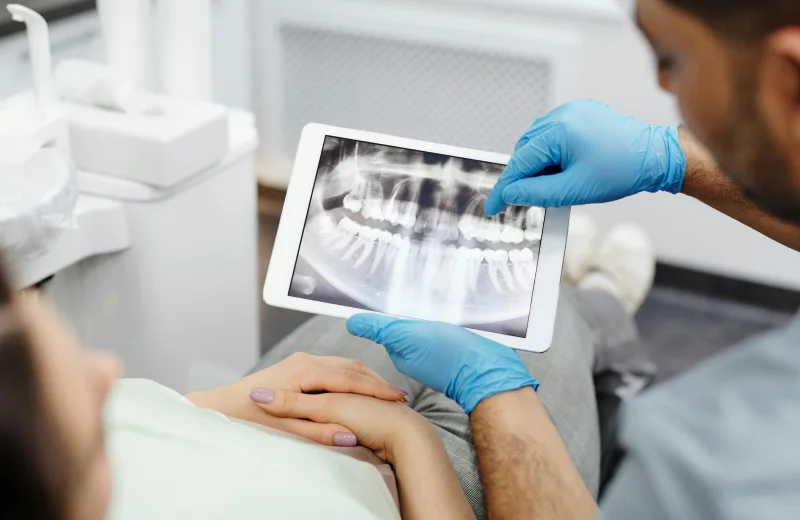
The treatment begins with a consultation and X-ray or 3D scan to assess the bone and gum structure. If the bone is strong enough, the implant is placed into the jaw in a simple procedure. After this, the bone begins to bond with the implant, which usually takes a few months. Once healing is complete, the abutment is attached, followed by the custom-made crown that blends with your natural smile. The entire process often spans several months, but the final result offers years of comfort and stability. Many patients choose this treatment because it combines experience, gentle care, and modern technology to ensure a smooth process.
Pros and Cons of Dental Implants
Benefits
Dental implants offer several advantages that make them one of the most reliable and preferred tooth replacement options available today. They deliver the most natural-looking result because the implant functions like an actual tooth root, giving the replacement tooth exceptional stability. This strong foundation also helps you maintain a powerful bite force, allowing you to eat comfortably without worrying about movement or slipping.
Another major benefit is longevity, with proper care, implants can last for decades, making them a long-term investment in your oral health. Implants also help prevent bone loss in the jaw, something other replacement options cannot achieve, and they are easy to clean since they mimic the structure of a natural tooth.
Limitations
Despite their many advantages, dental implants do have some limitations to consider. They come with a higher upfront cost compared to bridges or dentures, although their durability often offsets this cost over time. Successful implant placement also requires healthy bone, which means some patients may need additional treatments like bone grafting. The process is not immediate, completing implant treatment can take several months, including healing time, which may not suit someone looking for a faster solution.
Understanding Dental Bridges: How They Work
Dental bridges replace missing teeth by anchoring onto the teeth next to the gap. They are ideal for patients who want a quicker solution or who may not be candidates for implants. A bridge holds an artificial tooth (pontic) in the middle, supported by crowns placed on neighbouring teeth. Bridges look natural and restore normal chewing ability, making them a long-standing option used throughout Australia.
Dental Bridge Procedure: What to Expect
Typical Steps
- Trimming of neighbouring teeth
- Taking impressions or digital scans
- Fitting a temporary bridge
- Placement of the final porcelain bridge
This procedure is usually completed within 1–3 appointments, making it faster than implants.
Pros and Cons of Dental Bridges
Benefits
Dental bridges provide a reliable and efficient way to replace missing teeth, especially for patients who want faster results. One of the main advantages is treatment speed, bridges can usually be completed within a few weeks, making them a quicker alternative compared to dental implants. They are also more affordable upfront, which appeals to many patients looking for a cost-effective solution. When made well, bridges offer a natural appearance that blends with your existing teeth, restoring both function and aesthetics. Another benefit is that they work well for people with low bone density, as they do not require the jawbone support needed for implants.
Limitations
However, there are some limitations to keep in mind. A dental bridge requires reshaping the neighbouring healthy teeth so they can support the bridge, which means removing some of their natural structure. Unlike implants, bridges do not prevent bone loss in the area where the tooth is missing, so the jawbone may still shrink over time. Additionally, bridges typically have a lifespan of around 10–15 years, and while many last longer with good care, they may eventually need to be replaced due to wear or changes in the surrounding teeth.
How Dentures Work: A Versatile Replacement for Multiple Missing Teeth
Dentures are removable appliances that replace several or all missing teeth in a jaw. They sit on top of the gums and are shaped to restore both aesthetics and chewing function. Modern dentures fit better and look more natural than older styles, offering an affordable way for patients to regain their smile. For patients who want better stability, implant-supported dentures are also available at Burwood Diamond Dental and can greatly reduce movement or discomfort.
Different Types of Dentures in Australia
1. Full Dentures
Replace all teeth in an arch.
2. Partial Dentures
Replace multiple missing teeth while keeping remaining natural teeth intact.
3. Implant-Supported Dentures
Attach to dental implants for a more secure feel.
4. Flexible Dentures
More comfortable and lightweight, ideal for sensitive gums.
Denture Fitting Process: What Patients Can Expect
- Examination and impressions
- Bite and jaw alignment measurement
- Wax try-in stage
- Final denture placement
- Adjustment phase
While dentures take some time to adjust to, patients often adapt well with proper guidance.
Pros and Cons of Dentures
Benefits
Dentures remain one of the most affordable and accessible options for replacing missing teeth, making them a popular choice for many patients. They can replace multiple teeth, or even a full arch, at once, providing a practical solution for complex or widespread tooth loss. Another benefit is that dentures are non-invasive, as they do not require surgery or alterations to the neighbouring teeth. This makes them suitable for patients who prefer a simpler treatment pathway or those who have significant bone loss and cannot support dental implants.
Limitations
Despite these advantages, dentures also come with certain limitations. They can move slightly while eating or speaking, which may cause discomfort or affect confidence, and some patients find they need adhesive for better stability. Because dentures sit on top of the gums rather than integrating with the bone, they do not help maintain jawbone health, meaning bone loss may continue over time. Additionally, dentures require periodic relines to maintain a comfortable fit as the shape of the jaw changes.
How to Choose the Right Tooth Replacement Option
Selecting the best way to replace a missing tooth depends on your oral health, lifestyle, budget, and long-term expectations. Some patients prefer the strength and permanence of implants, while others need a quicker or less invasive option. The right choice should balance comfort, durability, and aesthetics. During consultations, dentists assess gum health, bone density, bite alignment, and medical history before giving personalised recommendations. This ensures the final solution supports both function and long-term oral health. Dental hygiene is important, and maintaining your teeth doesn’t take too much of your time.
Key Factors to Consider Before Deciding
Before choosing a treatment, it helps to understand the main considerations involved. This ensures you feel fully informed and confident.
What to Keep in Mind
- Bone health: Implants need enough bone support.
- Budget: Costs vary between implants, bridges, and dentures.
- Number of missing teeth: Some options suit single gaps, others suit full arches.
- Longevity: Implants last longest, dentures may need more upkeep.
- Aesthetic goals: Some people want the most natural look possible.
- Maintenance: Consider cleaning routines and long-term care.
Discussing these factors with your dentist can make the decision much easier and help you avoid future complications.
Best Options for a Single Missing Tooth
Patients with one missing tooth often benefit most from a single dental implant. It stands independently without affecting nearby teeth. This makes it the closest match to a natural tooth in look, feel, and strength.
A dental bridge is the second-best option if an implant isn’t suitable due to low bone density or personal preference. Bridges are quicker to complete but do require shaping the surrounding teeth. Both solutions restore chewing function and appearance well.
Best Options for Multiple Missing Teeth
If several teeth are missing in one area, common choices include:
Recommended Solutions
- Implant-supported bridge (strong, long-lasting)
- Partial denture (affordable and non-invasive)
- Multiple implants (best stability but higher cost)
For patients missing many or all teeth, implant-supported dentures offer a secure fit that improves speaking and eating comfort. Many Australians prefer this solution because it avoids slipping problems associated with traditional dentures.
Your Next Steps to Restore Your Smile
If you’ve been living with missing teeth, whether recently or for years, the best first step is a proper dental assessment. At Burwood Diamond Dental , the team evaluates your gum and bone health, reviews treatment goals, and discusses the most suitable options for your situation. They also provide clear explanations, cost guidance, and ongoing support so you can make an informed decision.
With services covering restorative dentistry, cosmetic treatments, and preventive care, the clinic offers ongoing dental support long after your new tooth or teeth are placed.
Frequently Asked Questions About Tooth Replacement Options
What happens if I don’t replace a missing tooth?
Leaving a gap can cause teeth to shift, leading to bite problems, uneven wear, and changes in facial shape. The jawbone in the missing area can also shrink, making future treatment more complicated. Replacing the tooth early protects both appearance and oral function.
How do I care for my new tooth replacement?
Care routines depend on the type of restoration:
Maintenance Tips
- Implants: Brush and floss daily, attend routine professional cleans.
- Bridges: Use floss threaders or interdental brushes around the bridge.
- Dentures: Remove and clean daily, and soak overnight if recommended.
Can I upgrade from dentures to implants later?
Yes, many patients start with traditional dentures and later transition to implants or implant-supported dentures. Your dentist will assess whether your bone health is suitable. If bone loss has occurred, treatments such as bone grafting may be recommended to prepare for implants.
Final Thoughts: Restore Your Confidence With the Right Solution
Replacing missing teeth is one of the most impactful decisions you can make for your long-term oral health. Whether you’re considering implants, bridges, dentures, or implant-supported options, choosing the right treatment ensures better comfort, function, and confidence. With modern dental technology available at Burwood Diamond Dental, you can find a customised solution suited to your lifestyle and goals.
If you’re ready to rebuild your smile, book a consultation and explore the range of restorative and cosmetic options that can help you enjoy stronger, healthier teeth for many years to come.