When a tooth begins to throb or ache deeply, the immediate instinct is to make the pain stop fast. For many, this urgency leads to a tough decision: a root canal or a tooth extraction? While pulling a tooth may seem like the quickest and cheapest fix, it’s important to think beyond just the pain. At Burwood Diamond Dental, we understand that the real question is about the long-term health of your smile and how it will affect your ability to eat and speak years down the road. Removing a tooth might bring temporary relief, but it can also lead to shifting teeth and bone loss, which can have serious consequences. That’s why we’re here to help you make a choice that not only addresses your pain today but also ensures your teeth remain strong and functional for the future.
What is a Root Canal?
A root canal is a dental procedure designed to treat a tooth that is severely decayed or infected. During a root canal, the dentist removes the infected pulp (the soft tissue inside the tooth), cleans and disinfects the inside of the tooth, and then seals it to prevent further infection. This procedure aims to save a tooth that would otherwise need to be extracted, preserving its natural function.
When is a Root Canal Needed?
Root canal treatment is often required when the pulp of the tooth becomes infected or inflamed due to decay, a deep crack, or trauma. Some of the most common reasons for needing a root canal include:
- Severe tooth decay: When a cavity has reached the pulp and infection sets in.
- Tooth cracks or fractures: If a deep crack or fracture exposes the pulp to bacteria.
- Infection or abscess: If bacteria infect the pulp, causing pain, swelling, and sometimes pus.
- Multiple dental procedures: Teeth that have had numerous fillings or dental work may eventually require a root canal.
How Root Canal Works
The process of a root canal generally takes one or two visits to the dentist:
- Step 1: The dentist numbs the area around the affected tooth with local anesthesia to minimize discomfort.
- Step 2: The dentist creates an access hole in the tooth to remove the infected or damaged pulp.
- Step 3: The inside of the tooth is thoroughly cleaned and disinfected to remove bacteria and debris.
- Step 4: The tooth is filled with a material called gutta-percha, which seals the tooth to prevent further infection.
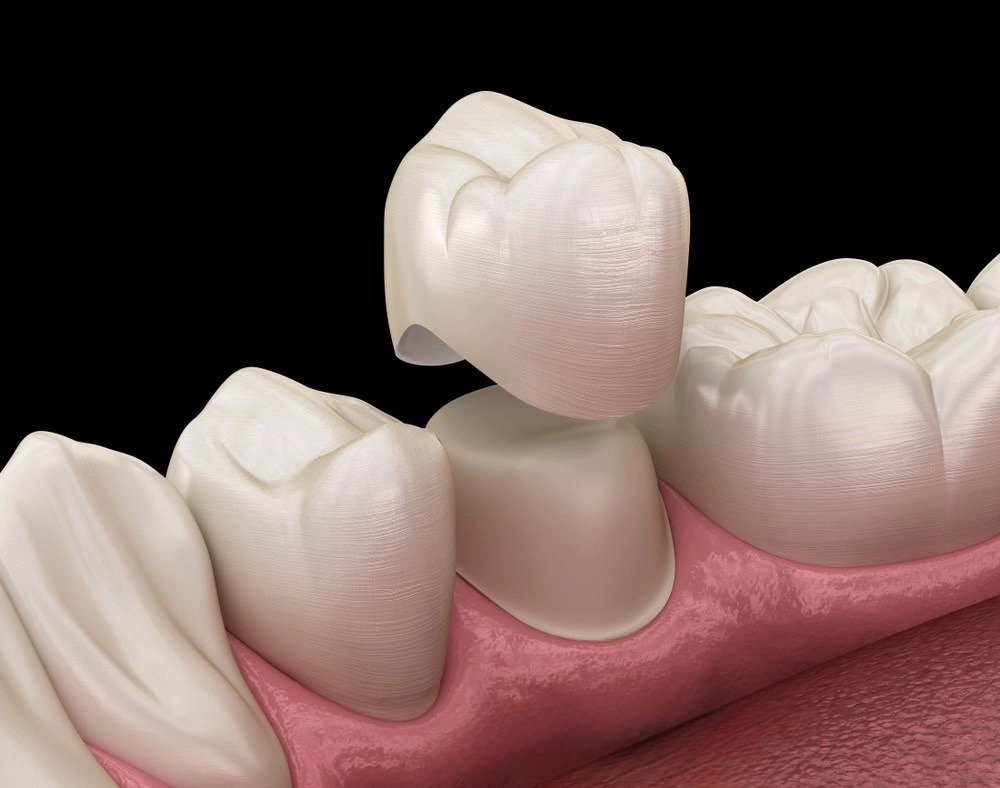
- Step 5: A crown is usually placed over the tooth to restore its shape, strength, and functionality.
Benefits of a Root Canal
- Preserves your natural tooth: Root canals allow you to keep your natural tooth intact, maintaining its appearance and function.
- Pain relief: The procedure eliminates the source of infection, which often leads to significant pain relief.
- Long-term success: Root canals are highly successful, with a success rate of 90-95%. They can last for many years if properly cared for.
Drawbacks of a Root Canal
- Post-procedure sensitivity: After a root canal, it’s common to experience some mild tenderness or discomfort for a few days. However, this is usually manageable with over-the-counter pain medications.
- Multiple visits: Some root canal procedures require two visits to complete, especially if a crown is necessary afterward.
- Possible reinfection: Though rare, the tooth can become reinfected if it isn’t properly sealed or if bacteria enter after the procedure.
What is Tooth Extraction?
Tooth extraction involves the complete removal of a tooth from its socket in the jawbone. This procedure is typically recommended when a tooth is too damaged or infected to be saved through a root canal or other restorative treatments. Tooth extractions are generally considered a last resort when other options are no longer viable.
When is Tooth Extraction Necessary?
Tooth extraction is typically required in the following cases:
- Severe decay or damage: If a tooth is too decayed or broken to be repaired by fillings or crowns.
- Impacted teeth: Teeth that are trapped below the gum line (often wisdom teeth) and can’t erupt properly.
- Advanced gum disease: If periodontal disease has caused the tooth to loosen, extraction may be the only way to prevent further damage.
- Overcrowding: In some cases, especially in orthodontics, teeth may need to be extracted to make space for the remaining teeth.
How Tooth Extraction Works
Tooth extraction can be performed in one of two ways:
- Simple Extraction: If the tooth is fully visible and intact, the dentist will use forceps to loosen and remove the tooth. This procedure is quick and typically performed under local anesthesia.
- Surgical Extraction: If the tooth is impacted or broken, the dentist may need to make an incision in the gum to remove the tooth. This type of extraction may require stitches and can take longer to heal.
Benefits of Tooth Extraction
- Immediate relief: Tooth extraction provides immediate relief from pain caused by an infected or damaged tooth.
- Quick procedure: Simple extractions are often quick and can be completed in a single visit.
- Prevents infection spread: Removing a severely infected or decayed tooth can help prevent the infection from spreading to surrounding teeth or gums.
Drawbacks of Tooth Extraction
- Tooth loss: The most obvious downside is the permanent loss of the tooth, which can affect your ability to chew and speak properly.
- Bone loss: When a tooth is removed, the bone surrounding it may begin to shrink over time, which can affect the shape of your face and lead to further dental problems.
- Need for replacement: In most cases, you’ll need a dental implant, bridge, or denture to replace the missing tooth, which can be costly and require additional procedures.
- Post-procedure complications: Risks such as dry socket, infection, and swelling can occur after extraction, especially if proper aftercare isn’t followed.
Key Differences Between Root Canal and Tooth Extraction
| Factor | Root Canal | Tooth Extraction |
| Tooth Preservation | Saves the natural tooth and its function. | Removes the tooth completely. |
| Procedure Complexity | Involves cleaning, disinfecting, and sealing the tooth. | Involves the removal of the entire tooth. |
| Pain | Minimal discomfort after anesthesia. | Varies based on the complexity of the extraction. |
| Cost | More expensive initially ($1,500 – $2,500 for the root canal, plus crown cost). | Cheaper upfront but may require implants/bridges later. |
| Recovery Time | Quick recovery (1-2 days for mild tenderness). | 3-5 days for simple extraction, longer for surgical extractions. |
| Long-Term Health Impact | Preserves jawbone and dental alignment. | Risk of bone loss and shifting teeth without replacement. |
Comparing Costs: Root Canal vs Tooth Extraction
Root Canal Costs
The cost of a root canal varies depending on several factors, such as the tooth’s location, the severity of the infection, and whether a crown is necessary to restore the tooth afterward. On average, you can expect the following cost range:
- Root Canal Treatment: $1,500 – $2,500 per tooth
- Crown Placement: $1,200 – $2,500 (if necessary for tooth restoration)
While the initial cost of a root canal and crown may seem high, it’s important to remember that this treatment preserves your natural tooth. This means you won’t need to spend money on a replacement option like an implant or bridge, which can be far more expensive in the long run.
Tooth Extraction Costs
The cost of tooth extraction is generally lower upfront, especially if it is a simple extraction. Here’s a breakdown of typical extraction costs:
- Simple Extraction: $75 – $300 per tooth
- Surgical Extraction: $150 – $600 per tooth
However, extraction does not solve the long-term problem. After the extraction, you’ll likely need a replacement tooth, such as a dental implant, bridge, or denture, which can be quite expensive:
- Dental Implants: $3,000 – $7,500 per implant
- Bridges: $2,000 – $5,000 per bridge
- Dentures: $1,000 – $3,000
In the long run, tooth extraction followed by replacement can be significantly more expensive than opting for a root canal, particularly when considering the cost of implants or bridges.
Insurance Considerations
- Root Canal: Dental insurance typically covers a root canal when it is medically necessary to preserve the tooth. However, if the root canal is purely cosmetic, insurance may not cover the treatment.
- Tooth Extraction: Extraction is usually covered by insurance if the tooth is causing pain or infection. However, insurance typically doesn’t cover the cost of implant or bridge replacements after extraction, which means the patient will need to pay for those treatments out of pocket.
Recovery and What to Expect
Root Canal Recovery
Recovery from a root canal is usually quick and relatively straightforward. Here’s what you can expect after the procedure:
- Day 1: After the procedure, you may experience mild discomfort or tenderness around the treated area. This can be managed with over-the-counter pain medications like ibuprofen.
- Day 2-3: Any post-procedure tenderness should subside within a couple of days. You might be advised to avoid chewing on the treated tooth until the final crown is placed.
- Full Recovery: Once the crown is placed (usually in 1-2 weeks), the tooth should feel and function just like any other tooth. There is little downtime involved in recovery.
Tooth Extraction Recovery
The recovery process after a tooth extraction is slightly more involved, especially if the extraction is surgical. Here’s a general timeline:
- Day 1: After the procedure, you will experience some bleeding, swelling, and discomfort. Your dentist will provide instructions for managing the discomfort and minimizing swelling. You’ll be advised to avoid sucking, spitting, and drinking through a straw for the first few days to prevent dry socket.
- Day 2-3: Swelling and bruising may peak within 2-3 days. Over-the-counter pain relievers are usually sufficient to manage discomfort, though your dentist may prescribe stronger pain medication if needed.
- Day 4-7: By the end of the first week, the initial healing should have occurred. You’ll need to stick to soft foods to avoid irritating the extraction site. Stitches (if used) will dissolve on their own or be removed at your follow-up appointment.
- Full Recovery: Full recovery can take several weeks, especially if you need a replacement tooth like an implant. Surgical extractions take longer to heal compared to simple extractions.
Long-Term Effects: Root Canal vs Tooth Extraction
Root Canal Long-Term Benefits
A root canal provides long-term benefits by saving your natural tooth and preventing bone loss:
- Preserves Bone Structure: When a tooth is saved with a root canal, the roots of the tooth continue to stimulate the surrounding bone, preventing bone loss in the jaw.
- Natural Look and Function: Since the natural tooth is preserved, you maintain your normal bite and chewing ability, with no need for further replacement procedures like implants or bridges.
- Minimal Maintenance: Once the root canal and crown are completed, the tooth should function normally for years to come, especially with good oral hygiene.
Tooth Extraction Long-Term Consequences
While tooth extraction may provide immediate relief, it can lead to long-term issues, especially if you don’t replace the extracted tooth:
- Bone Loss: When a tooth is removed, the surrounding bone begins to shrink. This can affect the shape of your jaw and lead to further oral health issues. A dental implant can help prevent this by stimulating the bone.
- Shifting Teeth: When one tooth is removed, the adjacent teeth may shift into the gap, causing misalignment. This can affect your bite and may require orthodontic treatment.
- Facial Changes: Over time, missing teeth can lead to a collapsed or sunken appearance, affecting the overall aesthetics of your face.
How Dentists Decide Between Root Canal and Tooth Extraction
Factors Considered by Dentists
The decision between a root canal and tooth extraction depends on several key factors:
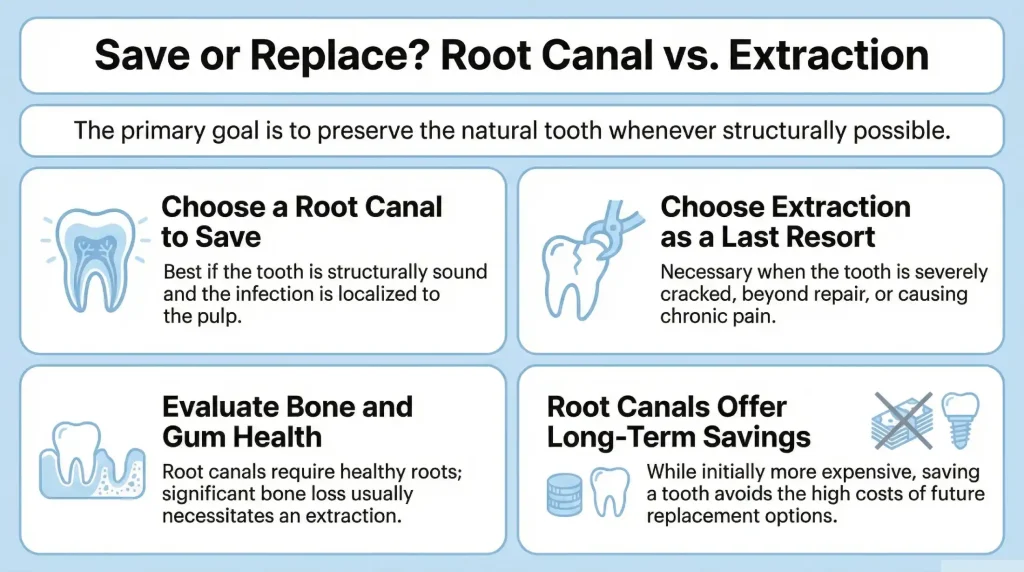
- Tooth Condition: If the tooth is severely cracked, decayed, or damaged, an extraction may be the best option. If the tooth is still structurally sound, a root canal is usually preferred.
- Infection Level: If the infection has spread extensively or the tooth is beyond saving, extraction may be necessary. However, if the infection is localized, a root canal can often resolve the issue.
- Bone and Gum Health: If the tooth’s roots are still healthy and there’s no significant bone loss, a root canal can help preserve the tooth. If there’s significant bone loss or gum disease, extraction may be necessary.
- Cost and Time Considerations: While root canal therapy tends to be more expensive initially, it may be more cost-effective in the long run compared to tooth extraction and subsequent replacement options.
When to Choose a Root Canal
A root canal is the best choice if:
- The tooth is intact and salvageable.
- The infection is confined to the pulp and hasn’t spread.
- The tooth is vital for chewing, biting, or cosmetic reasons.
- You want to avoid the additional costs of tooth replacement.
When to Choose Extraction
Tooth extraction is the preferred choice if:
- The tooth is too damaged or decayed to be saved.
- The infection has spread beyond repair.
- The tooth is causing chronic pain or discomfort.
- The tooth is impacting your overall oral health and function.
Prevention: How to Avoid Root Canals and Extractions
Good Oral Hygiene Practices
The best way to avoid the need for either a root canal or tooth extraction is to practice excellent oral hygiene. By taking care of your teeth, you can prevent decay, gum disease, and other issues that lead to infections or damage that require these treatments. Here’s how to keep your teeth healthy:
- Brush Your Teeth Regularly: Brush at least twice a day with fluoride toothpaste. Make sure to brush all surfaces of your teeth, including the back and along the gumline, where plaque tends to build up.
- Floss Daily: Flossing removes plaque and food particles that can get stuck between your teeth and gums, areas where a toothbrush can’t reach. It’s essential for preventing cavities and gum disease.
- Use Mouthwash: Mouthwash helps reduce bacteria and can reach areas that brushing and flossing might miss. It also helps freshen breath and prevent gum inflammation.
Healthy Diet
A balanced diet that supports good oral health is also crucial in preventing the need for tooth treatments:
- Limit Sugar Intake: Sugar promotes the growth of bacteria in your mouth, leading to cavities and gum disease. Avoid sugary snacks and drinks to protect your teeth from decay.
- Eat Calcium-Rich Foods: Calcium is essential for maintaining strong teeth and bones. Include dairy products, leafy greens, and fortified foods in your diet.
- Stay Hydrated: Drinking plenty of water helps wash away food particles and bacteria in your mouth, reducing the risk of decay.
Regular Dental Checkups
One of the best ways to avoid root canals or tooth extractions is by seeing your dentist regularly. Dental checkups and cleanings allow your dentist to catch problems early, before they become serious:
- Routine Cleanings: Regular dental cleanings remove tartar and plaque buildup that can lead to cavities and gum disease. Professional cleanings help prevent the need for more invasive procedures.
- Early Detection: By visiting the dentist at least twice a year, your dentist can identify any developing issues, such as cavities or gum disease, that can be treated before they require root canals or extractions.
- X-Rays: Your dentist may take X-rays to check for hidden issues, such as tooth infections or bone loss, that may not be visible during a regular exam. Early detection is key to saving a tooth.
Making Your Decision: Root Canal or Tooth Extraction?
Choosing between a root canal and tooth extraction comes down to several personal factors. Here are the key considerations that will help guide your decision:
Factors to Consider
- Extent of Damage: If your tooth is mostly intact with just an infected pulp, a root canal is usually the best option. If the tooth is severely damaged or decayed, extraction may be necessary.
- Functionality of the Tooth: If the tooth is vital for chewing or is located at the front of your mouth, preserving it with a root canal makes sense. However, if the tooth is in the back of your mouth and isn’t critical for your bite, extraction may be a more viable option.
- Cost and Insurance: Root canals can be more expensive upfront, especially with the cost of a crown. However, the long-term costs of extraction and tooth replacement may outweigh the initial cost of a root canal.
- Your Oral Health Goals: If you want to preserve your natural teeth and avoid the need for tooth replacements, a root canal is often the best choice. If the tooth is beyond saving and you’re concerned about the long-term health of your mouth, extraction may be the right move.
Making the Right Choice
While root canal treatment is typically preferred to preserve your natural tooth, there are cases where tooth extraction is the best option. If your tooth is too far gone and cannot be saved, extraction and a replacement like a dental implant may be necessary. On the other hand, if the tooth is still viable and vital for your oral function, a root canal will help save it and allow you to maintain a healthy, functional smile.
Next Steps: What to Do If You’re Facing a Tooth Issue
If you suspect that you need either a root canal or tooth extraction, the first step is to schedule a consultation with a trusted dental professional. At Burwood Diamond Dental, we can provide you with a thorough exam and discuss the best treatment options for your needs.
What to Expect During Your Consultation:
- Comprehensive Assessment: We will examine your tooth and take X-rays to determine the extent of the damage or infection.
- Personalized Advice: Based on your dental health and goals, we will recommend the most appropriate treatment, whether it’s a root canal, extraction, or another procedure.
- Discussion of Costs and Timelines: We will discuss the costs associated with each treatment and help you understand the long-term value of each option.
Whether you’re opting for a root canal or tooth extraction, Burwood Diamond Dental offers comprehensive care and expert guidance to ensure the best possible outcome for your smile.
Frequently Asked Questions
Can an extracted tooth be left as a gap?
Technically, yes, but it is risky. A gap allows your other teeth to tilt, which can lead to gum disease and a collapsed bite. We almost always recommend a bridge or an implant to fill the space.
What is a Dry Socket, and how do I avoid it?
This is a risk specific to extractions where the blood clot in the socket dislodges, exposing the bone. To avoid it, you must follow our aftercare instructions carefully, which include avoiding straws and smoking for at least a week.
Does a root canal eventually die and fall out?
No. While the tooth is technically non-vital because the nerve is gone, it is still anchored to your jawbone by living ligaments. With a crown for protection, a root-canal-treated tooth can last for the rest of your life.
Is a root canal or an extraction safer?
Both are very safe, routine procedures. However, a root canal is considered more conservative because it leaves your natural anatomy intact, whereas an extraction is an oral surgery that requires more healing time.