Reviewed and Updated: April 27, 2026
Dental problems such as missing or damaged teeth can affect your confidence, eating habits, and overall oral health. Dental implants are a reliable solution, offering a permanent way to restore your smile. One of the most common questions Australians ask is: “How long do dental implants last?” Understanding the lifespan, care, and factors influencing dental implants can help you make informed decisions and maintain your oral health for years to come. At Burwood Diamond Dental, we provide expert advice and free consultations to guide you through the best treatment options for your needs.
Dental implants are more than just cosmetic fixes—they replace the root of your tooth with a Titanium Screw, support a Crown / Artificial Tooth, and function like your natural teeth. In this section, we will explore what dental implants are, their components, and how they work.
What Are Dental Implants?
A Dental Implant is a permanent tooth replacement that restores both function and appearance. Unlike dentures or dental bridges, implants provide a secure foundation anchored into your jawbone. They are ideal for patients who want a long-lasting solution for missing teeth, whether from injury, decay, or other oral health issues.
Dental implants mimic natural teeth in function and stability. They allow you to chew, speak, and smile without worrying about slippage or discomfort. Implants can be used for single teeth, multiple teeth, or even full-mouth restorations, including All-on-4® Dental Implants, which use four implants to support an entire arch of prosthetic teeth.
Components of a Dental Implant
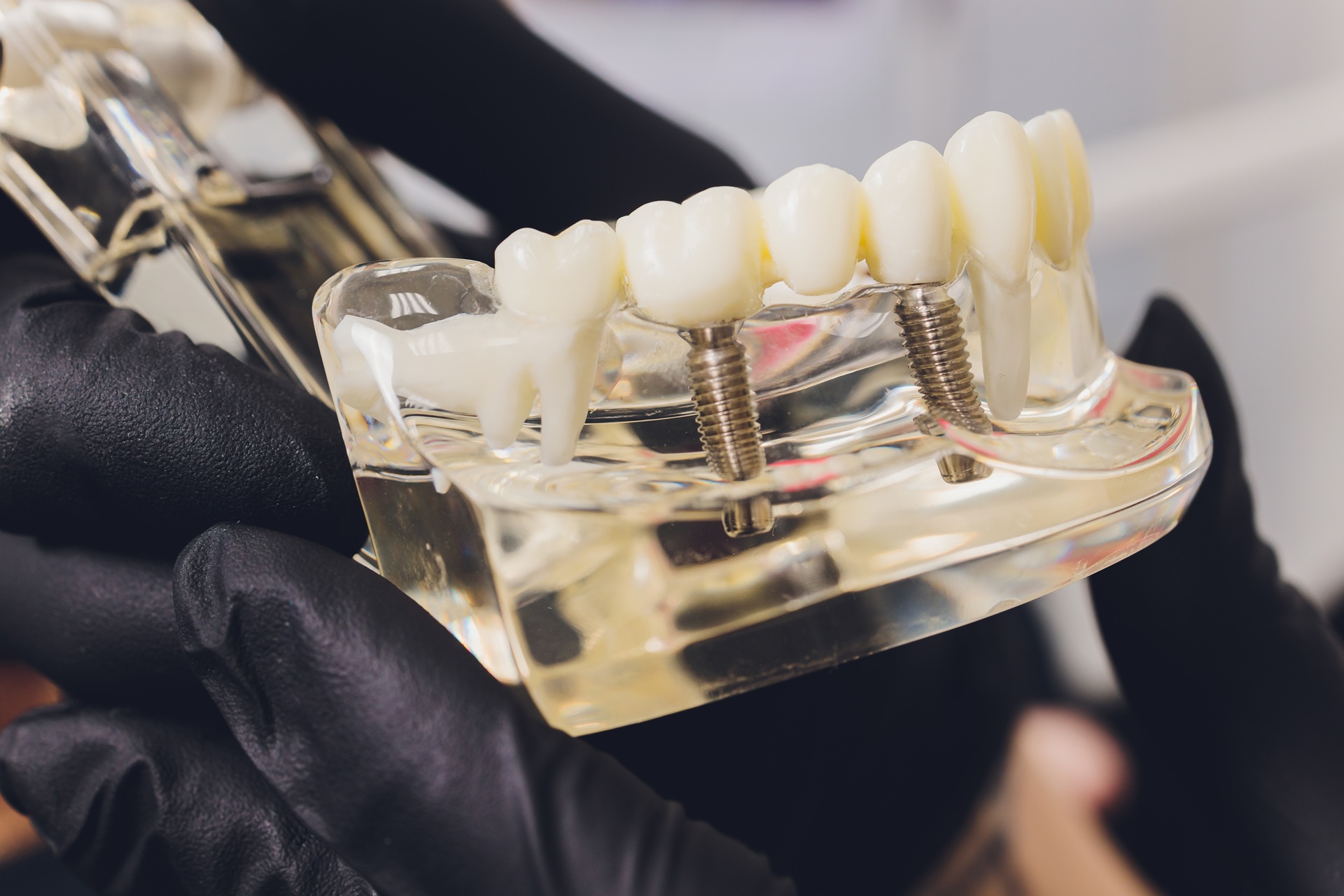
Dental implants are composed of three main parts, each playing a crucial role in stability and function:
- Post / Titanium Screw – This is the foundation of the implant. Made from biocompatible titanium, it is inserted into the jawbone and fuses with bone tissue through osseointegration, providing long-term stability.
- Abutment – This connector attaches the post to the Crown / Artificial Tooth, ensuring the crown is secure and aligned with your bite.
- Crown / Artificial Tooth – The visible part of the implant. Crowns can be made of porcelain, ceramic, pressed ceramic, or metal, and are designed to match the colour and shape of your natural teeth.
Some cases may require bone grafting to improve jawbone/bone density, especially if patients have suffered from gum disease / periodontal disease or bone loss due to injury.
How Dental Implants Mimic Natural Teeth
Dental implants function like natural teeth because the Titanium Screw integrates with your jawbone. This fusion supports chewing forces and prevents bone deterioration that can occur when teeth are missing.
Unlike dentures, which can slip or cause discomfort, dental implants remain stable, making them ideal for Australians who enjoy a varied diet or participate in contact sports. Patients are encouraged to wear a mouthguard to protect implants during high-impact activities.
At Dentistry on Solent, our team of dentists ensures that every implant is placed with precision and care, using either the DIO Implant System for a modern approach or Traditional Implant Surgery for conventional cases.
Why Choose Dental Implants Over Alternatives
Dental implants have significant advantages compared to traditional options like dentures or dental bridges:
- They prevent jawbone deterioration.
- They offer improved chewing efficiency.
- They look and feel like natural teeth.
- They have a longer lifespan and fewer replacements over time.
- They reduce the risk of gum disease/infection compared to bridges that rely on adjacent teeth.
Investing in a dental implant at a reputable dental clinic ensures long-term oral health benefits and a durable, functional smile.
How Long Can Dental Implants Last?
Dental implants are one of the most reliable solutions for replacing missing teeth, but many patients wonder how long they will truly last. With proper placement, care, and regular monitoring, dental implants can function for decades, often outlasting other tooth replacement options like dentures and dental bridges. At Burwood Diamond Dental, our experienced dentists guide patients on maintenance to ensure implants achieve their maximum lifespan.
Lifespan of Dental Implant Components
Each component of a dental implant has its own durability, and understanding this helps patients plan for long-term care:
- Titanium Post / Screw – As the foundation of the implant, a titanium post can last a lifetime if it integrates well with the jawbone. Osseointegration, the process where the bone fuses to the titanium, is critical for stability.
- Abutment – The connector between the post and the Crown / Artificial Tooth may occasionally need replacement due to wear, mechanical stress, or minor damage.
- Crown / Artificial Tooth – Crowns can last between 5–25 years, depending on material and care. Porcelain, ceramic, and pressed ceramic crowns are popular for their natural look and durability, while metal crowns are more resistant to fractures but less aesthetic.
| Component | Typical Lifespan | Notes |
| Titanium Post / Screw | 25+ years or lifetime | Requires proper osseointegration and bone support |
| Abutment | 10–15 years | May need replacement due to wear or mechanical stress |
| Crown / Artificial Tooth | 5–25 years | Depends on material, oral hygiene, and chewing habits |
Long-Term Durability and Clinical Evidence
Clinical studies show that dental implants have a success rate of 95–98% over 10 years, making them a long-term solution for tooth replacement. However, longevity depends on a combination of factors, including the patient’s overall health, bone density, and adherence to oral hygiene practices.
Compared to dentures, which typically last 5–10 years before adjustments or replacement, or dental bridges, which rely on neighbouring teeth and may cause additional wear, dental implants offer a more permanent solution with fewer complications over time.
Factors Affecting Implant Longevity
Several factors influence how long your dental implants will last. Understanding them allows patients to make informed choices and protect their investment:
Patient Health and Medical Conditions
Chronic conditions such as diabetes, osteoporosis, or immune disorders can affect healing and bone fusion. Certain medications, including corticosteroids, chemotherapy, or antibiotics, may impact implant success. Your dentist will assess your medical history and recommend precautions or alternative treatments if necessary.
Bone Quality and Jaw Density
Successful implants require adequate jawbone/bone density. Patients with insufficient bone may need bone grafting or sinus lift procedures to create a stable foundation. Without sufficient support, implants risk loosening or failing over time.
Oral Hygiene and Lifestyle
Daily care is essential for implant longevity. Brushing, flossing, and antiseptic mouthwash protect against infection. Avoiding smoking / sugary drinks is critical, as tobacco and high sugar intake increase the risk of peri-implantitis—gum inflammation around implants that can lead to implant failure.
Lifestyle factors also play a role. Activities such as teeth grinding (bruxism), nail biting, and participation in contact sports without a mouthguard can place extra stress on implants, potentially reducing their lifespan.
Implant Location and Type
The location of the implant in your mouth affects durability. Implants in the back teeth endure greater intra-oral forces/chewing stress and may experience more wear than front teeth. Full-arch systems like All-on-4® Dental Implants distribute chewing forces across multiple implants, enhancing stability.
Quality of Implant Materials and Procedure
High-quality implants, such as DIO Implant System, NobelParallel® Conical Connection (CC) Implants, or TiUltra™ Surfaces, combined with skilled placement by experienced dentists / oral surgeons, significantly improve implant longevity. Traditional Implant Surgery remains a reliable alternative but may require more extended healing and follow-up.
Lifestyle and Maintenance Recommendations
To maximise the lifespan of your dental implants, patients should adopt a few key practices:
- Maintain excellent oral hygiene with brushing, flossing, and antiseptic mouth rinses.
- Schedule regular professional checkups at trusted clinics such as Burwood Diamond Dental or Dentistry on Solent.
- Avoid smoking/alcohol consumption, which compromises healing and bone health.
- Protect implants during physical activity using a mouthguard, especially in contact sports.
- Monitor for early signs of issues, such as pain, swelling, or loose crowns, and consult your dentist promptly.
With these precautions, dental implants can last decades, providing a stable and natural-looking replacement for missing teeth while protecting your jawbone and overall oral health.
How to Maintain and Care for Your Dental Implants
Dental implants are a long-lasting investment in your oral health, but their success depends on proper care. At Burwood Diamond Dental, we guide patients to adopt habits that protect implants and prevent common complications.
Daily Oral Hygiene
Maintaining daily oral hygiene practices is critical. Brushing twice a day with a soft-bristled toothbrush, flossing around the Titanium Screw / Abutment, and using an antiseptic mouthwash help remove plaque and prevent gum disease / periodontal disease. For patients with multiple implants or All-on-4® Dental Implants, a water flosser can effectively clean areas that are difficult to reach.
Diet and Nutrition for Implant Health
A balanced diet supports the strength of your jawbone/bone density and overall oral health. Include calcium-rich foods, leafy greens, and protein to promote bone health. Avoid excessive sugary drinks and very hard foods, as these can wear down the Crown / Artificial Tooth over time.
Lifestyle Factors
Certain habits can shorten the lifespan of implants. Smoking and excessive alcohol consumption increase the risk of peri-implantitis, while behaviours like teeth grinding (bruxism) or nail biting create mechanical stress. Wearing a mouthguard during sports protects implants from trauma.
Common Complications and How to Avoid Them
While dental implants have high success rates, awareness of potential problems ensures timely intervention.
Signs of Implant Issues
Monitor your implants for:
- Loose Titanium Post / Abutment
- Swelling, bleeding, or discharge around gums
- Pain or discomfort during chewing
- Discolouration or bad taste around the implant
Early detection allows your dentist to correct issues before serious damage occurs.
Causes of Implant Failure
- Poor implant placement or improper healing
- Inadequate bone support, sometimes requiring bone grafting
- Poor oral hygiene leading to peri-implantitis
- Excessive chewing / intra-oral forces or trauma
Following your dentist’s instructions, avoiding risky habits, and attending regular checkups at trusted clinics such as Burwood Diamond Dental or Dentistry on Solent significantly reduces the risk of failure.
Comparing Dental Implants with Other Tooth Replacement Options
Dental implants provide a more permanent and functional solution than traditional alternatives.
| Treatment Option | Lifespan / Durability | Pros | Cons |
| Dental Implants | 10–25+ years (post can last lifetime) | Stable, natural-looking, prevents bone loss | Requires surgery, higher initial cost |
| Dentures | 5–10 years | Non-invasive, removable | Can slip, may affect chewing, bone loss over time |
| Dental Bridges | 10–15 years | Fixed, no surgery | Requires altering adjacent teeth, may not prevent bone loss |
FAQs About Dental Implant Longevity
How long do dental implants last with proper care?
With good oral hygiene, healthy bones, and lifestyle management, dental implants can last 20–25 years or more, and sometimes a Titanium Screw / Post lasts a lifetime.
Can a crown be replaced without removing the implant?
Yes. Most crowns are removable without disturbing the Titanium Screw, allowing replacement if worn or damaged.
Do dental implants require special care compared to natural teeth?
Implants require similar care: brushing, flossing, and routine dental checkups. Patients must also monitor for gum infection and avoid harmful habits.
Can smoking shorten the lifespan of dental implants?
Yes. Smoking increases the risk of peri-implantitis and slows bone healing, reducing implant longevity.
Are All-on-4® implants as durable as single implants?
Yes. When properly maintained, All-on-4® Dental Implants can last decades, though the prosthetic teeth (e.g., Titanium-Reinforced Acrylic Bridge) may require replacement every few years.
Final Thoughts
Dental implants are a reliable and long-lasting solution for missing or damaged teeth. Choosing the right dentist / dental clinic, understanding implant components, and maintaining good oral hygiene practices are key to achieving long-term success.
At Burwood Diamond Dental, we offer personalised implant plans, including free consultations, to ensure each patient receives care tailored to their needs. From single Titanium Screw implants to full All-on-4® Dental Implants, our team supports you through every step of treatment and maintenance, helping you maintain a healthy, functional, and natural-looking smile for years to come.