Maintaining healthy teeth and gums requires more than just brushing. Interdental cleaning, the removal of plaque and food debris between teeth, is essential to prevent gum disease, cavities, and bad breath. Many Australians struggle with choosing the right tool for this task. Should you stick to traditional dental floss, or invest in a water flosser (oral irrigator)? This guide explores the differences, benefits, and best practices for each method, helping you make informed decisions for your oral health. At Burwood Diamond Dental, we help patients choose and use interdental tools effectively, ensuring gums stay healthy and teeth remain strong.
What Are Interdental Cleaning Tools?
Cleaning between your teeth daily is critical because standard toothbrushes cannot reach all areas. Interdental cleaning tools remove plaque, bacteria, and food particles from tight spaces, reducing the risk of bleeding gums, gingivitis, and periodontal disease. The two most common methods are dental floss and water flossers, each with its own advantages.
What Is Dental Floss?
Dental floss is a thin, flexible string used to physically remove plaque and debris from between teeth. It is considered the gold standard for interdental cleaning because it effectively scrapes sticky biofilm that can lead to gum inflammation.
There are several types of floss:
- Waxed floss: Easier to slide between tight contacts
- Unwaxed floss: Provides a firmer grip on plaque
- PTFE floss: Strong, shred-resistant option
Correct technique is important. Dental floss should be curved around each tooth, gently sliding below the gumline to remove plaque without causing injury. Using floss regularly can reduce gum bleeding, prevent gum disease, and maintain oral health. For those who find traditional floss difficult, alternatives like floss holders, interdental brushes, and picks can improve compliance. The Australian Dental Association recommends flossing at least once daily alongside brushing twice daily.
What Is a Water Flosser?
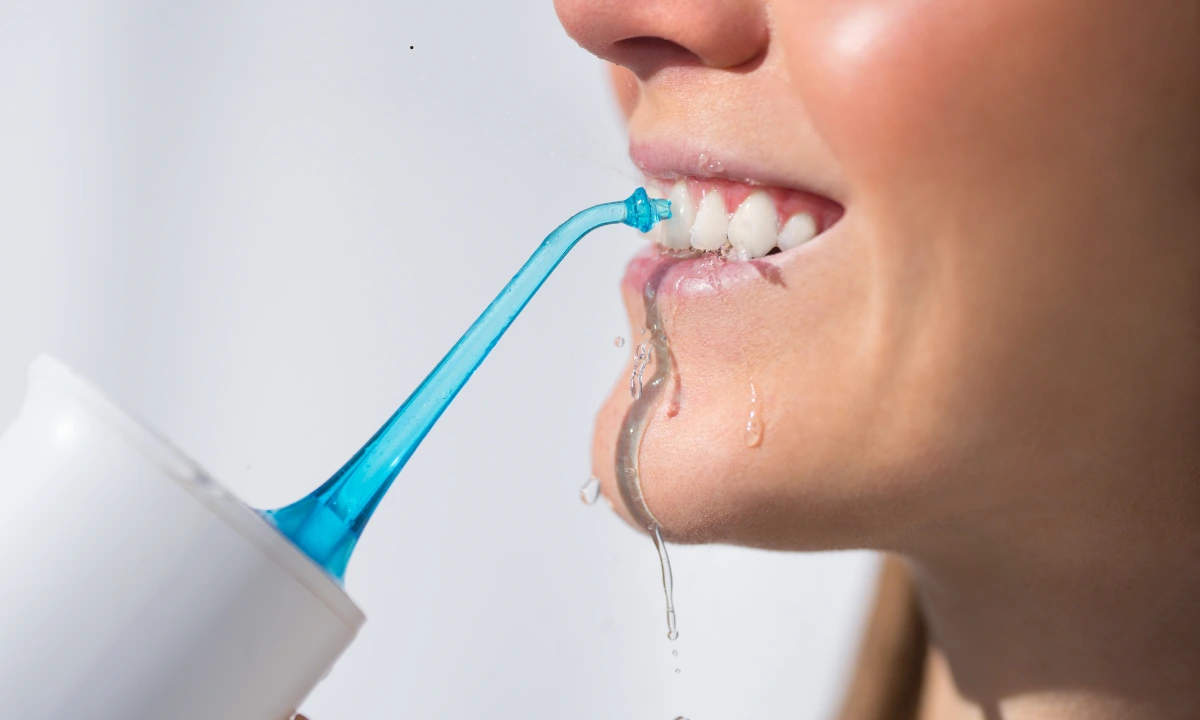
A water flosser, also known as an oral irrigator or dental water jet, uses a pressurized stream of water to clean between teeth and along the gumline. The device can remove food particles and reduce some plaque while providing a gentle massage to the gums, improving circulation.
Water flossers are particularly helpful for:
- People with orthodontic appliances, such as braces
- Individuals with dental implants or bridges
- Patients with limited manual dexterity
- Those who experience discomfort with traditional floss
Water flossers are easy to use and can reach areas that are difficult with string floss. However, it is important not to share the device to prevent bacterial contamination. Regular use, combined with professional cleaning at Burwood Diamond Dental, can help maintain gum health and prevent periodontal problems.
Why Interdental Cleaning Matters
Both dental floss and water flossers play a key role in preventing plaque buildup and gum disease. Toothbrushing cannot reach interproximal surfaces, leaving these areas prone to plaque accumulation. Failing to clean between teeth can result in gum inflammation, bleeding, cavities, and eventual tooth loss. Regular oral health evaluations and professional dental cleanings at Burwood Diamond Dental complement daily interdental care. These check-ups ensure early detection of plaque or gum problems, while providing personalised advice on whether dental floss, a water flosser, or a combination of both best suits your needs.
Head-to-Head Comparison: Water Flosser vs Floss
When it comes to interdental cleaning, both dental floss and water flossers are effective, but each has unique benefits depending on your needs. Understanding the differences can help you choose the right tool for your oral health.
| Feature | Dental Floss | Water Flosser |
| Method | String physically scrapes plaque | Pressurized water stream flushes debris |
| Ease of Use | Technique sensitive | Easier for many users, less skill required |
| Plaque Removal Effectiveness | Excellent in tight spaces | Comparable, reaches sub-gingival areas |
| Gum Stimulation | Moderate | High (massage action improves circulation) |
| Tight Spaces | Very effective when done correctly | May struggle with very tight contacts |
| Best For | Traditional daily cleaning | Braces, implants, dexterity challenges |
| Cost | Low | Higher upfront cost |
| Daily Use Recommendation | Yes | Yes |
Effectiveness for Plaque Removal
Dental floss mechanically removes sticky biofilm between teeth and below the gumline. When used correctly, it is highly effective at reducing interproximal plaque and preventing gum disease. The ADA recognises floss as a standard for daily interdental cleaning. Water flossers, on the other hand, use pulsating water streams to flush out plaque, bacteria, and food debris. Research, including Gorur et al. (2009), found that pulsating water flossers penetrated moderate periodontal pockets more effectively than string floss, though results vary by pocket depth and device pressure. This makes them a strong option for patients with periodontal pockets or gum sensitivity.
Gum Health and Inflammation
Regular flossing reduces gum bleeding and early gingivitis by physically removing plaque that triggers inflammation. It is highly effective for patients with healthy gum spacing and good manual dexterity. Water flossers provide additional benefits by gently massaging the gums while cleaning. This improves circulation, reduces inflammation, and is often more comfortable for people with sensitive gums, receding gums, or periodontal pockets. Patients who find string floss uncomfortable may be more consistent with water flossers, which can translate into better long-term gum health.
Best Use Cases for Each Tool
Dental Floss:
- Tight tooth contacts where water streams may not reach
- Routine daily interdental maintenance
- Cost-effective and easily available in pharmacies and supermarkets
Water Flosser:
- People with limited manual dexterity (arthritis, hand injuries)
- Patients with braces, bridges, or dental implants
- Sensitive or receding gums requiring gentle cleaning
- Individuals prone to gum inflammation who need sub-gingival cleaning
We often recommend water flossers for patients with orthodontic appliances or implants, while traditional floss remains ideal for routine daily cleaning when tight contacts allow.
Comfort and User Preference
Comfort plays a crucial role in adherence to an interdental cleaning routine. Many patients find traditional floss awkward, especially if they have braces or crowded teeth. In contrast, water flossers are easier to use and gentler on sensitive gums, which increases compliance and consistency. Ultimately, the “best” tool is one you will use daily. Consistency outweighs the theoretical superiority of one method over the other. Combining both tools can also provide optimal cleaning for challenging oral conditions.
Scientific Evidence and Expert Recommendations
Understanding the research behind dental floss and water flossers helps patients make informed choices. Both tools are recognised as effective interdental cleaning methods when used correctly.
What Research Says
Multiple clinical studies have compared traditional floss with water flossers. Research consistently shows:
- Both methods reduce plaque and gingivitis effectively when used daily.
- Water flossers can reach sub-gingival areas better than floss, especially in patients with braces, implants, or periodontal pockets.
- Some systematic reviews, such as those by Worthington et al. (Cochrane 2019), suggest flossing is highly effective in tight spaces, while water flossers improve user compliance due to ease of use and comfort.
The Australian Dental Association (ADA) acknowledges that both dental floss and water flossers are valid for daily interdental cleaning. The choice often comes down to personal preference, comfort, and individual oral conditions.
Clinical Insights
Dentists and dental hygienists frequently recommend water flossers for:
- Patients with braces or orthodontic appliances
- Those with implants, bridges, or prosthetic work
- People with arthritis, limited manual dexterity, or difficulty handling string floss
- Patients with gum recession or periodontal pockets
Meanwhile, traditional floss remains invaluable for patients who prefer a low-cost, highly effective method for routine daily cleaning, particularly in tight contacts where floss can scrape away biofilm directly.
Oral Microbiome and Interdental Tools
Plaque between teeth harbours bacteria that can trigger:
- Gum inflammation
- Bleeding gums
- Early gingivitis and eventually periodontitis
Interdental cleaning disrupts this biofilm, lowering bacterial load and supporting healthier gums. Both floss and water flossers play a key role in maintaining the oral microbiome balance and preventing disease progression.
How to Properly Use Each Tool
Correct usage is critical to achieving the full benefits of interdental cleaning.
How to Floss Correctly
- Use approximately 18 inches of floss.
- Wrap floss around each tooth in a C-shape.
- Gently glide below the gumline to remove plaque.
- Move systematically through all teeth, including back molars.
Tips: Avoid snapping or forcing floss, as this can damage gum tissue. Consistency is more important than speed.
How to Use a Water Flosser
- Fill the reservoir with lukewarm water.
- Start with the lowest pressure setting.
- Aim the tip at a 90-degree angle to the gumline.
- Move systematically across all teeth, pausing briefly between teeth.
- Empty and rinse the reservoir after use.
Tips for Beginners: Start with once daily and gradually increase pressure as your comfort improves. Use a combination of flossing and water flossing if recommended by your dentist.
Cost and Accessibility Considerations
- Dental Floss: Inexpensive, widely available, minimal maintenance. Ideal for routine daily cleaning.
- Water Flosser: Higher upfront cost, requires cleaning and occasional replacement tips. Offers long-term value for patients who benefit from improved compliance and gum stimulation.
At Burwood Diamond Dental, we help patients choose the right tool based on both oral health needs and budget considerations.
When to Consider Combination Use
Some patients achieve optimal results by combining both tools:
- Morning: Water flosser to flush away overnight plaque and bacteria
- Evening: Traditional floss for tight contacts and precise mechanical plaque removal
Other routines may include flossing 3–4 times per week and water flossing daily. This approach maximises plaque removal and supports gum health, particularly in patients with complex dental work.
Professional Dental Advice for Interdental Cleaning
Regular dental check-ups and professional cleanings remain essential. At Burwood Diamond Dental, our team:
- Assesses gum health, spacing, and dental restorations
- Personalises interdental cleaning recommendations
- Demonstrates correct techniques for flossing and water flossing
Even with perfect home care, professional supervision ensures long-term oral health, prevents gum disease progression, and addresses any technique gaps.
Frequently Asked Questions
Is a water flosser better than floss?
Both are effective; water flossers are easier for sensitive gums and dental work, while floss is highly effective in tight spaces.
Can water flossing replace traditional floss?
For most patients, water flossers complement rather than replace traditional floss. For those with braces, implants, or limited dexterity, a water flosser may serve as a primary tool. Discuss with your dentist before changing your routine
Does water flossing help prevent gum disease?
Yes, it removes plaque and bacteria, reducing gum inflammation and gingivitis.
Do dentists recommend water flossers?
Dentists often recommend them for patients with dental work, sensitive gums, or dexterity challenges.
Can I use both water floss and dental floss?
Yes, using both tools can enhance interdental cleaning and support gum health.
Conclusion: Which Is Best for You?
Both dental floss and water flossers are effective for interdental cleaning. Your choice should consider:
- Comfort and personal preference
- Oral health needs (tight spaces, braces, implants, gum sensitivity)
- Consistency and daily routine
At Burwood Diamond Dental, we encourage regular use and professional evaluation. Book a consultation to receive personalised advice on the best interdental cleaning method for your teeth and gums. Maintaining healthy gums and teeth is achievable with the right tools and techniques, and consistent care is the key to preventing gum disease and keeping your smile healthy for life.
References:
Gorur et al. 2009 (PubMed entry and abstract)
https://pubmed.ncbi.nlm.nih.gov/19385349/
Worthington Cochrane 2019 (interdental devices)
https://www.cochrane.org/about-us/news/podcast-home-use-devices-cleaning-between-teeth-addition-toothbrushing-prevent-and-control-gum