Updated: 22 April 2026
Gum disease, or periodontal disease, is a widespread condition that can affect anyone, and if left untreated, it can lead to tooth loss and more severe health complications. The good news is that early detection of gum disease can prevent it from progressing to more serious stages. Recognising the first signs of gum disease is essential for keeping your teeth and gums healthy. In this guide, we’ll walk you through the early signs of gum disease, how it develops, and what you can do to protect your smile. Taking proactive steps now can ensure a lifetime of healthy gums and teeth, so let’s explore how to spot the symptoms before they turn into something more serious.
What is Gum Disease (Periodontal Disease)?
Gum disease, also referred to as periodontal disease, is a condition that starts as gingivitis and can progress into periodontitis if left untreated. Gingivitis is the mildest form of gum disease and involves inflammation of the gums, which can cause symptoms like swelling, redness, and bleeding, particularly when brushing or flossing. At this stage, gingivitis is typically reversible with proper oral hygiene.
However, if gingivitis is not managed, it can advance into periodontitis, a much more severe form of gum disease that affects the tissues and bones that support your teeth. Periodontitis leads to tooth loss and bone damage, and treatment at this stage is more complex and invasive.
Periodontal disease develops as a result of plaque buildup on your teeth. Plaque is a sticky film of bacteria that forms naturally in the mouth. If plaque isn’t removed through proper brushing and flossing, it can harden into tartar (calculus), which only a dentist can remove. As plaque and tartar accumulate, bacteria begin to irritate the gums, causing inflammation. Over time, if untreated, this can lead to the destruction of gum tissue and even the loss of teeth.
What Causes Gum Disease?
Gum disease is primarily caused by the buildup of plaque on the teeth, which harbors bacteria. When plaque is not removed through regular brushing, it turns into tartar, a hard substance that irritates the gums and triggers inflammation. This creates the conditions for gingivitis to develop. Several factors can increase your risk of developing gum disease:
Poor Oral Hygiene
Inconsistent brushing and flossing allow plaque to build up on the teeth, which can lead to gum disease. Plaque is a sticky film of bacteria that can irritate the gums, causing inflammation and infection. Without regular brushing and flossing, plaque hardens into tartar, which only a dentist can remove. Poor oral hygiene is one of the primary causes of gingivitis and periodontitis, making it essential to brush at least twice a day and floss daily to maintain healthy gums.
Tobacco Use
Smoking or chewing tobacco not only stains your teeth but also weakens your immune system, making it harder for your gums to heal after an infection. Tobacco use reduces blood flow to the gums, impairing their ability to fight bacteria and recover from gum disease. Smokers are at a higher risk of developing gingivitis and periodontitis, and their gum health often worsens faster than that of non-smokers. Quitting tobacco is one of the best things you can do for your oral and overall health.
Chronic Health Conditions
Chronic health conditions like diabetes and heart disease can have a significant impact on gum health. People with diabetes, for instance, have a higher risk of gum infections because their bodies have a reduced ability to fight bacteria. High blood sugar levels can also promote bacterial growth in the mouth. Managing chronic conditions with the help of a healthcare provider is crucial for maintaining healthy gums and reducing the risk of gum disease.
Hormonal Changes
Hormonal changes that occur during pregnancy, menopause, and puberty can make gums more sensitive to gum disease. Pregnancy, for example, can lead to pregnancy gingivitis, where the gums become swollen and bleed easily due to hormonal fluctuations. Similarly, puberty and menopause can affect the balance of bacteria in the mouth, increasing the risk of gum disease. Women should be mindful of these changes and maintain good oral hygiene to protect their gums during these times.
Genetics
Genetics can play a significant role in whether or not someone is prone to gum disease. Even with good oral hygiene habits, some people are genetically predisposed to developing gingivitis or periodontitis. Certain genetic factors can influence how the body responds to plaque buildup and bacteria, making some individuals more susceptible to gum infections. If you have a family history of gum disease, it’s important to be proactive with your oral health, including regular dental check-ups, to prevent gum problems from developing.
Understanding the causes of gum disease helps in taking preventive measures. Regular dental visits, proper oral hygiene, and a healthy lifestyle are essential to protecting your gums from infection.
Early Signs and Symptoms of Gum Disease
Gums That Bleed Easily
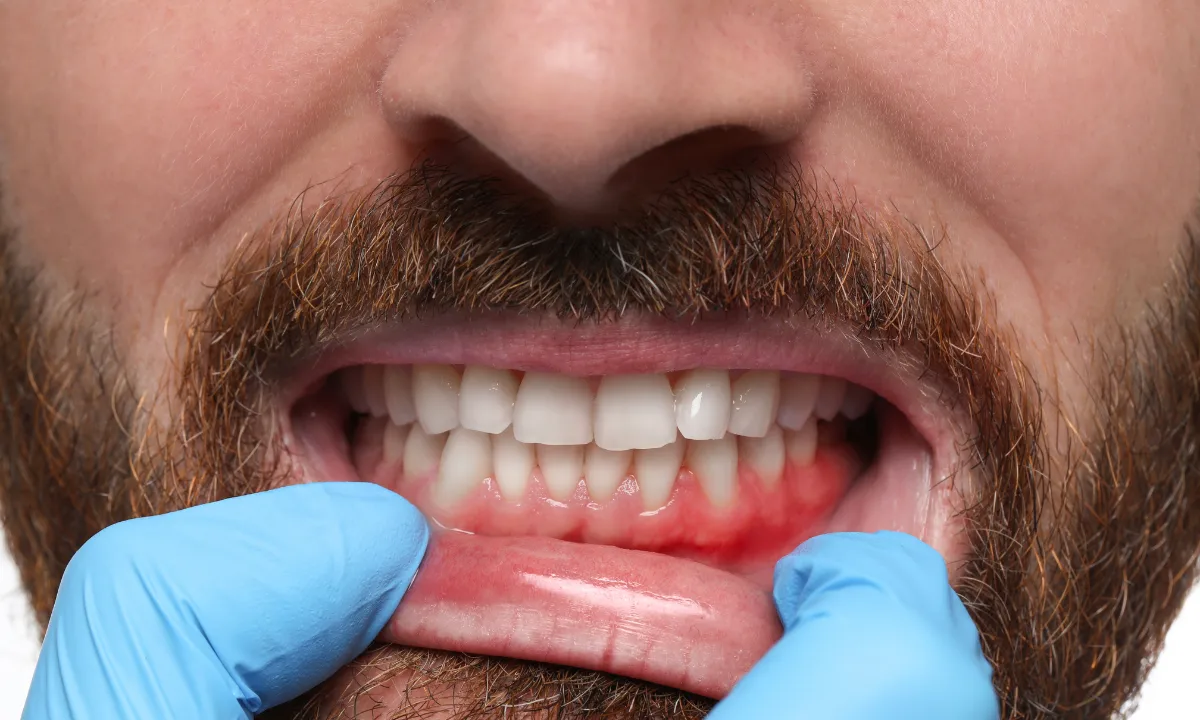
One of the most noticeable signs of early gum disease is bleeding gums, particularly when brushing or flossing. If you notice blood in the sink or on your toothbrush after cleaning your teeth, it’s an early warning sign that your gums are inflamed. Bleeding gums are often the result of gingivitis, which is caused by bacteria and plaque accumulating along the gum line. At this stage, gingivitis is reversible with proper care. Ignoring this sign can lead to the progression of gingivitis into periodontitis, where bleeding becomes more frequent, and the gums may begin to recede.
Swollen or Red Gums
Another early sign of gum disease is swollen or red gums. Healthy gums are firm and pale pink, but when they become irritated by plaque and tartar, they can appear swollen, inflamed, and red. Swollen gums are often tender to the touch and may cause discomfort when brushing or chewing. This is a sign of gingivitis and requires immediate attention to prevent further progression to more serious stages of gum disease. If left untreated, red gums can evolve into gum recession, which exposes the tooth roots and causes tooth sensitivity.
Persistent Bad Breath (Halitosis)
Halitosis, or persistent bad breath, can be another sign of gum disease. The bacteria in the plaque release sulfur compounds that cause a foul odour. Bad breath may persist even after brushing or using mouthwash, indicating that bacteria are thriving in your mouth, often due to plaque buildup. This is commonly associated with gingivitis or periodontitis. If you notice persistent bad breath despite maintaining good oral hygiene, it could indicate the need for a professional dental cleaning and examination.
Loose or Shifting Teeth
As gum disease progresses, you may notice that your teeth feel loose or are shifting in position. This is due to the damage that occurs to the bone and ligaments that support the teeth. Periodontitis, the advanced stage of gum disease, causes significant bone loss, weakening the tooth’s support and causing it to loosen. If you notice this symptom, seek dental care immediately, as it requires intervention to prevent tooth loss.
Painful Chewing or Tooth Sensitivity
Tooth sensitivity or painful chewing may also indicate that the gums are receding, exposing the sensitive roots of the teeth. As the gum tissue pulls away from the teeth, it can cause discomfort or pain when biting or chewing, especially when consuming hot, cold, or sweet foods. This is a common symptom of periodontitis, where the damage is more severe and may require restorative dental treatments.
If you’re experiencing any signs of gum disease, contact Burwood Diamond Dental now to schedule an appointment. We offer professional gum disease treatments and preventive care to help you maintain a healthy smile.
How to Prevent Gum Disease
Preventing gum disease involves a combination of good oral hygiene, a healthy diet, and avoiding risk factors like smoking. Here’s how to protect your gums:
- Brush Twice a Day: Use a soft-bristled toothbrush and fluoride toothpaste to brush your teeth for two minutes.
- Floss Daily: Flossing removes plaque and food particles from between your teeth, areas that a toothbrush can’t reach.
- Eat a Healthy Diet: Avoid sugary foods and drinks, which contribute to plaque buildup, and eat foods that promote gum health, like fruits, vegetables, and dairy products.
- Quit Smoking: Smoking weakens the immune system and makes it harder for your gums to heal, significantly increasing your risk of gum disease.
- Drink Water: Staying hydrated helps maintain a healthy flow of saliva, which neutralises acids and washes away food particles and bacteria.
Treatment Options for Gum Disease
While at-home care is vital for preventing gum disease, professional treatments offer additional protection for your gums and teeth. Two common treatments provided by dentists are fluoride treatments and dental sealants.
Fluoride Treatments
Fluoride is a naturally occurring mineral that strengthens tooth enamel, making it more resistant to decay. Fluoride treatments are often recommended for individuals who are at a higher risk of gum disease or cavities. These treatments are typically applied at the dentist’s office in the form of a gel, foam, or varnish. For patients with gum disease, fluoride helps to remineralise the teeth, reducing the effects of plaque and bacteria.
By strengthening the enamel, fluoride also helps prevent the spread of gingivitis to more severe periodontitis. If you are experiencing symptoms like tooth sensitivity or gum recession, fluoride treatment can help to restore your enamel and reduce discomfort.
Dental Sealants
Dental sealants are thin, protective coatings applied to the chewing surfaces of molars to shield them from decay. Sealants are particularly useful for children and teenagers, as they help protect their teeth from food particles and plaque buildup, which are more common in deep grooves. However, adults can also benefit from sealants if their teeth are susceptible to cavities and gum disease.
Both fluoride treatments and sealants are easy, effective ways to prevent the progression of cavities and gum disease, providing additional layers of protection to maintain long-term oral health.
Contact Burwood Diamond Dental today to book your consultation and take the first step toward healthy gums and teeth. Our friendly team is here to provide expert care and ensure your gums stay strong and healthy.
The Importance of Regular Dental Check-Ups in Gum Disease Treatment
When it comes to managing gum disease, regular dental check-ups are crucial. Dentists don’t just clean your teeth, they also monitor the health of your gums and check for early signs of disease. Scaling and root planing are two common procedures that dentists use to treat gingivitis and periodontitis. These treatments are designed to remove plaque and tartar from below the gumline, where brushing and flossing cannot reach.
Scaling and Root Planing
- Scaling: This process involves removing plaque and tartar from the surface of the teeth and beneath the gums. Scaling is particularly important for periodontitis, where plaque has hardened into tartar.
- Root Planing: Root planing smooths out the surfaces of the tooth roots, making it harder for bacteria to attach and encouraging healthy gum reattachment. This procedure helps reduce gum pockets, which are spaces between the gums and teeth that harbour bacteria.
These treatments help restore gum health and prevent further damage. They are often done in stages, depending on the severity of the gum disease. Your dentist will recommend these procedures if they find signs of gum recession, bleeding gums, or pocket formation.
When to See a Dentist for Gum Disease
If you notice any of the early signs of gum disease, such as bleeding gums, swollen gums, or persistent bad breath, it’s essential to schedule a dental visit as soon as possible. The earlier gum disease is detected, the easier it is to treat and reverse.
However, many people don’t realise they have gum disease until it has progressed. If you experience symptoms like loose teeth, painful chewing, or gum recession, it is crucial to see your dentist immediately. These are signs of periodontitis, and if left untreated, it can lead to tooth loss and damage to the bones supporting the teeth.
Myths and Misconceptions About Gum Disease Prevention
There are several myths surrounding gum disease that may prevent people from seeking proper care or taking preventive steps. Let’s address some of the most common myths and set the record straight.
Myth 1: “Gum Disease Only Affects Adults”
Many people think that gum disease is something that only affects adults, but the truth is, children and teenagers can also develop gum disease. In fact, gingivitis is common in children and teens due to poor oral hygiene habits, high sugar intake, and hormonal changes. Teenagers with braces are particularly at risk, as braces can trap food and plaque, making it harder to clean the teeth and gums.
Myth 2: “Bleeding Gums Are Normal”
A lot of people believe that bleeding gums are just a normal part of brushing or flossing. While it’s common to experience a bit of bleeding during the first few days of flossing, consistent bleeding is a sign of gum disease and should be taken seriously. If your gums bleed regularly when brushing or flossing, it’s essential to see a dentist to rule out gingivitis or periodontitis.
Myth 3: “If My Teeth Aren’t Hurting, My Gums Are Fine”
Pain is often not a symptom of early gum disease. In fact, many people with gingivitis or early periodontitis don’t feel any discomfort at all. The early stages of gum disease can develop silently, without pain, which is why regular dental check-ups are so important. If left untreated, gum disease can worsen without showing significant symptoms until it reaches an advanced stage, leading to tooth loss.
Conclusion: Protect Your Gums and Smile with Early Detection
Early detection and treatment of gum disease are crucial for maintaining healthy teeth and gums. By recognising the early signs of gingivitis and seeking dental care as soon as symptoms appear, you can prevent the condition from progressing to periodontitis and avoid the risk of tooth loss. Maintaining a good oral hygiene routine, reducing risk factors, and visiting your dentist regularly are the best ways to protect your gums and preserve your smile for years to come.
If you notice any signs of gum disease, don’t wait; schedule a consultation with Burwood Diamond Dental today. Our experienced team can help you detect gum disease early, provide professional treatments, and offer personalised advice on maintaining a healthy smile.