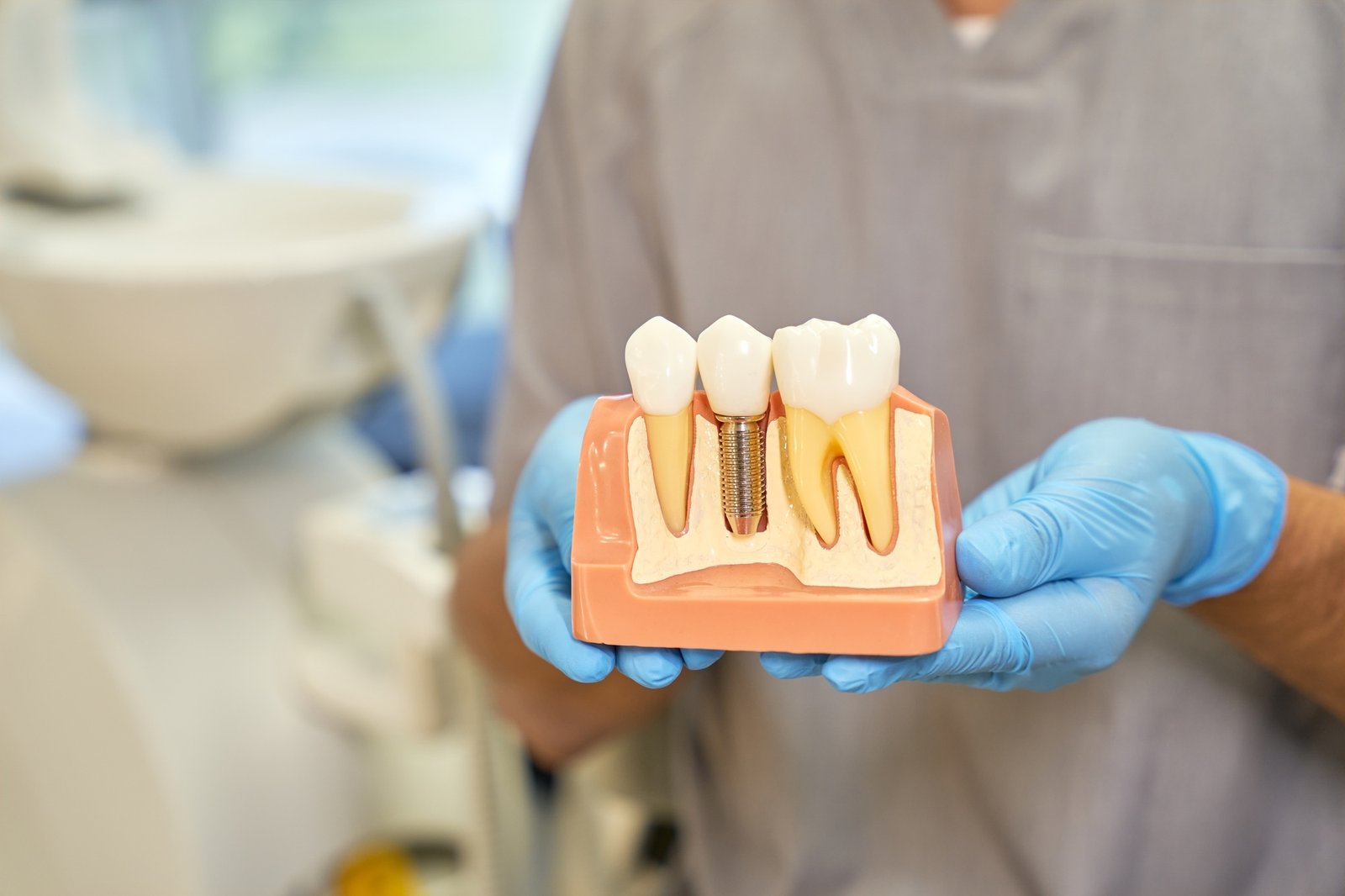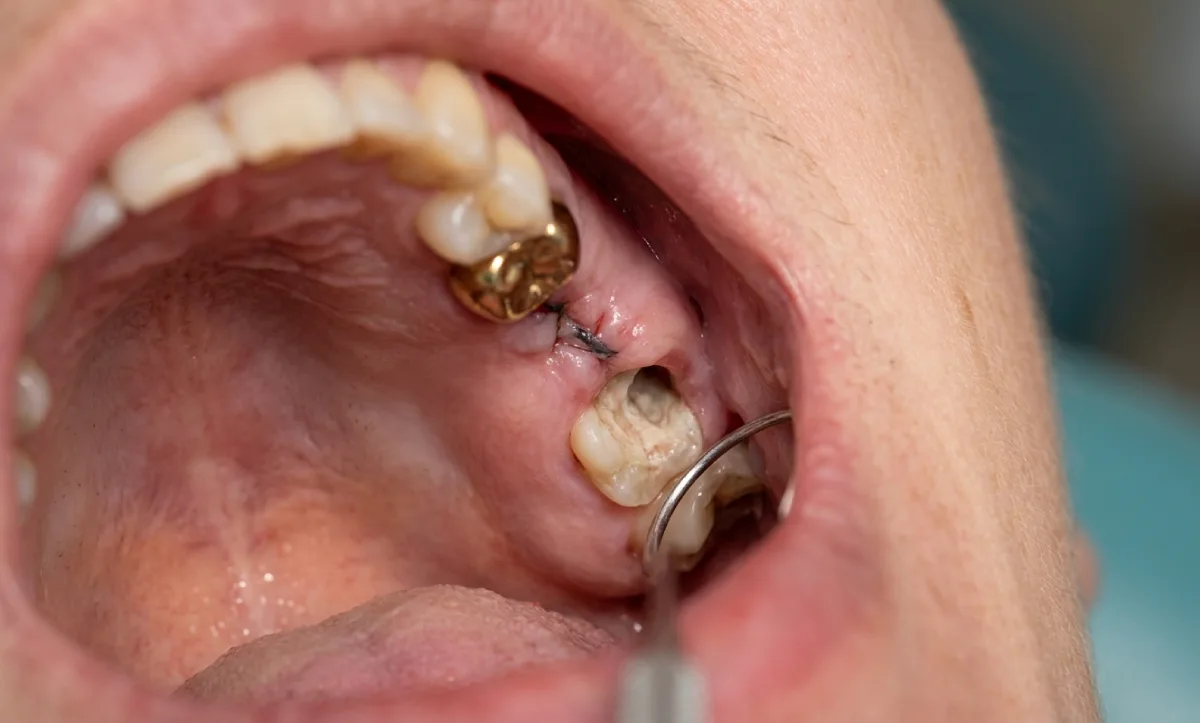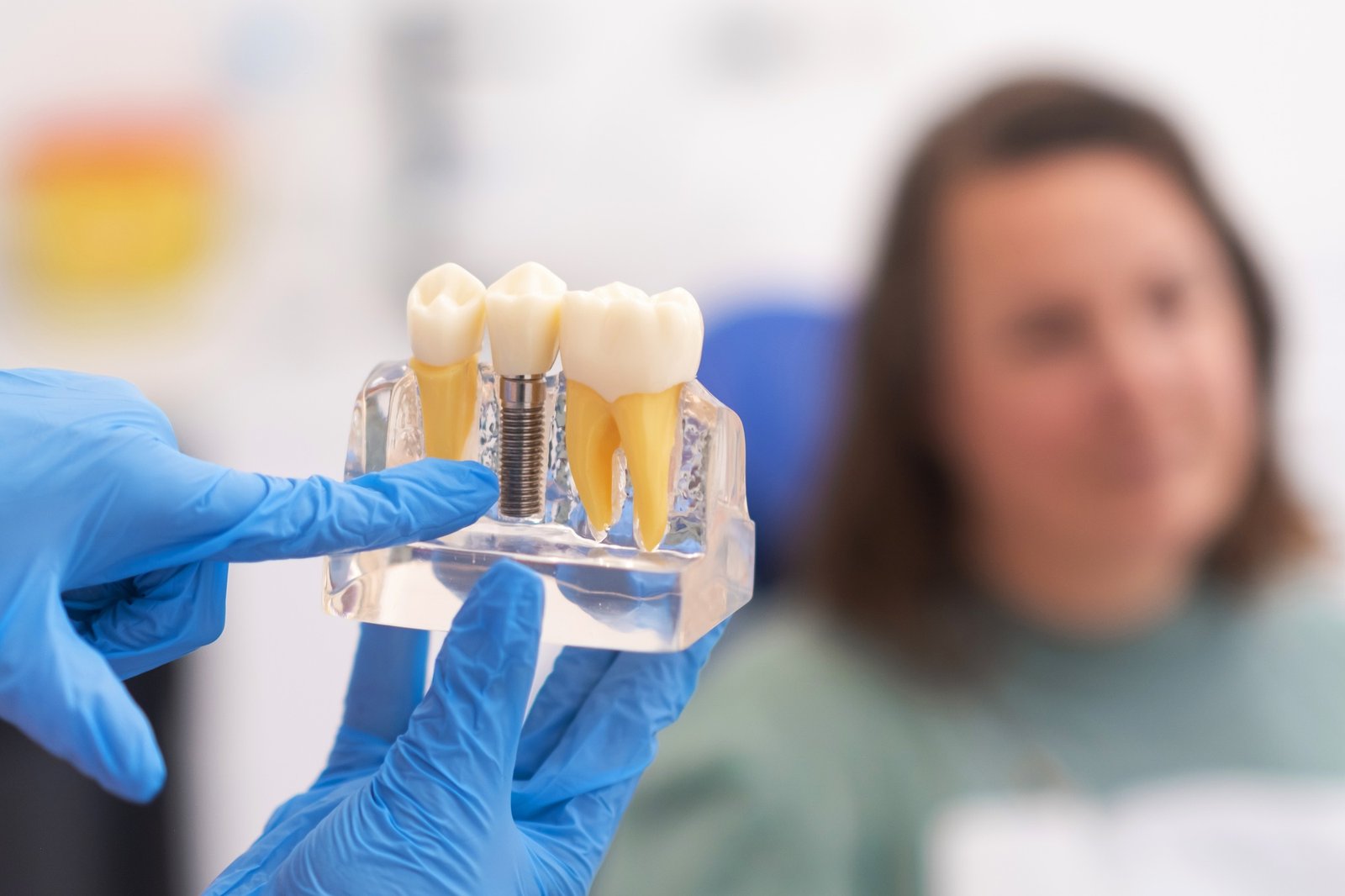
Dental implants are often described as a long-term replacement for missing teeth, but patients need more than a general claim that treatment is “95% successful.” They need to know how long the studies followed patients, what researchers counted as success, and whether the implant remained completely healthy or simply stayed in the jaw. Long-term clinical evidence shows that dental implant survival is generally high: pooled research reports about 96% implant survival at 10 years, a large cohort recorded 94% at 15 years, and newer studies estimate that around 78% to 93% remain after 20 years. The wide 20-year range reflects differences in study methods, missing follow-up records, implant systems, patient health and maintenance.
Quick answer: Dental implant survival is approximately 96.4% after 10 years in a major systematic review. A study of 10,871 implants reported 94.0% survival after 15 years. After 20 years, estimates range from about 78% under conservative statistical assumptions to 93% in a newer systematic review. Survival means that the implant remains in place; it does not mean that the crown, gum or supporting bone has remained free from every complication.
Long-term research therefore supports dental implants as a reliable treatment for suitable patients, but no study can guarantee an individual result. Gum health, smoking, diabetes control, available jawbone, bite forces, implant position, daily plaque control and regular professional maintenance all influence dental implant longevity.
What Do Long-Term Dental Implant Studies Actually Show?
Long-term clinical studies consistently show that most titanium dental implants remain in function for many years. However, the certainty of the evidence becomes lower as the follow-up period increases. Thousands of implants have been evaluated after 10 years, while far fewer patients remain available for examination after 20 years. Some may have moved, died, changed dentists or stopped attending reviews. Researchers handle those missing records differently, which can substantially change the final survival estimate.
| Follow-up period | Evidence reviewed | Reported implant survival | Important context |
| 10 years | Systematic review of 18 studies | 96.4% | Implant-level estimate |
| 15 years | Cohort of 10,871 implants | 94.0% | Patient-level outcomes were lower |
| 20 years | 2024 prospective-study analysis | 92% | Based on patients who completed follow-up |
| 20 years | 2024 conservative analysis | 78% | Missing cases were treated cautiously |
| 20 years | 2024 retrospective-study analysis | 88% | Based on a larger retrospective evidence group |
| 20 years | 2026 systematic review | 93.0% | Ten prospective studies with variation between results |
These percentages should not be combined into one average. Every figure answers a slightly different question and comes from a different group of implants, patients and research methods.
What Is the 10-Year Dental Implant Survival Rate?
A widely cited 2019 systematic review examined 18 studies and estimated an implant-level survival rate of 96.4% after 10 years, with a 95% confidence interval of 95.2% to 97.5%. In simple terms, around 96 of every 100 implants in the pooled evidence remained in place after a decade. However, the prediction interval ranged from 91.5% to 99.4%, showing that results could differ across clinics and patient groups.
The same review conducted a sensitivity analysis to account more cautiously for missing information. That analysis produced a lower estimate of 93.2%. This does not mean that the original figure was incorrect. It shows that follow-up assumptions influence the result. A patient who does not return for a 10-year examination cannot automatically be counted as having a healthy implant.
Ten-year survival above 95% is therefore well supported at the population level, but it should not be presented as a personal guarantee. A healthy non-smoker with good bone support and regular maintenance may have a different prognosis from someone with active periodontal disease, heavy smoking, uncontrolled diabetes or poor plaque control.
What Did the 15-Year Clinical Study Find?
A large cohort study evaluated 10,871 implants placed in 4,247 patients and followed cases for up to 22 years. Implant-level cumulative survival was 98.9% at three years, 98.5% at five years, 96.8% at 10 years and 94.0% at 15 years. The gradual reduction shows that implant loss can occur both during initial healing and after years of function.
The study also highlights the difference between implant-level and patient-level reporting. One patient may have several implants. If one implant fails while the others remain, the implant-level result may still appear very high, while the patient has experienced a real treatment complication. In this cohort, patient-level survival was lower than implant-level survival because people with multiple implants had more opportunities for at least one failure.
This distinction is especially important for full-arch treatment. A restoration may be supported by four or more implants, and the loss of one implant may require professional intervention even if the wider prosthesis remains usable.
What Is the 20-Year Dental Implant Survival Rate?
The 20-year evidence is encouraging but less consistent than the 10-year evidence. A 2024 meta-analysis examined studies reporting at least two decades of follow-up. Three prospective studies covering 237 implants produced a mean survival estimate of 92% among the implants with known outcomes. When the researchers used a more conservative method to account for missing follow-up data, the estimate declined to 78%. Five retrospective studies covering 1,440 implants produced an estimate of 88%. The authors concluded that roughly four out of five implants could reasonably be expected to remain after 20 years under cautious assumptions.
A newer 2026 systematic review and meta-analysis evaluated prospective studies of titanium endosseous dental implants. Ten studies met the inclusion criteria, covering 1,857 implants at baseline. Of those, 1,028 were followed for at least 20 years, and 115 implant failures were recorded. The estimated 20-year survival rate was 93.0%, with a 95% confidence interval of 91.6% to 94.1%. Pooled average marginal bone loss was approximately 1.11 mm.
The 78% and 93% estimates do not necessarily contradict each other. They arise from different included studies and different ways of managing unavailable long-term records.
Why Do 20-Year Results Vary Between Studies?
Twenty-year implant survival can be influenced by implant design, surface characteristics, surgical methods, restoration type, patient selection and professional maintenance. Some long-term studies began during periods when machined implant surfaces were common, while later studies included microrough, sandblasted, acid-etched or anodised surfaces. Modern treatment also benefits from improved imaging, restorative materials and digital planning, but newer systems cannot yet have 20 or 30 years of follow-up.
Research methods also affect the figures. Prospective studies examine patients according to a planned protocol, while retrospective studies review existing clinical records. Studies may define failure as implant removal, mobility, unacceptable bone loss or inability to support a restoration. Some report each implant separately, while others report whether each patient experienced a failure.
Loss to follow-up creates the greatest uncertainty. Counting every missing patient as successful can inflate the result, while treating every missing implant as failed may underestimate survival. Long-term figures should therefore be read as evidence-based estimates rather than fixed promises.
What Does Dental Implant Success Mean?
Dental implant success is broader than implant retention. Survival usually means that the titanium implant is still present in the jaw. Clinical success may also require stability, comfort, acceptable bone levels, healthy peri-implant tissues and satisfactory function. Prosthetic survival describes the crown, bridge or denture attached to the implant. These outcomes need to be considered separately because an implant can remain integrated even when its restoration requires repair.
| Outcome | What researchers assess | Example |
| Implant survival | Whether the implant remains in the jaw | Implant has not been removed |
| Clinical success | Stability, comfort, tissue health and bone levels | Implant functions without significant disease |
| Prosthetic survival | Whether the attached restoration remains functional | Crown or bridge remains usable |
| Complication-free survival | Whether no treatment or repair was needed | No biological or mechanical intervention |
Clinical studies do not always use identical success criteria. Common measures include implant mobility, persistent pain, infection, radiolucency and marginal bone loss. This variation is another reason that percentages from different publications cannot always be compared directly.
Can an Implant Survive Without Being Fully Successful?
Yes. An implant may remain firmly integrated while developing bleeding, peri-implant inflammation, gum recession or progressive supporting-bone loss. It may therefore count as surviving even though treatment is required. A patient may also experience discomfort or difficulty cleaning around the restoration while the titanium post remains stable.
The same principle applies to mechanical problems. A loose screw, chipped crown or worn implant denture may require repair but does not necessarily represent loss of osseointegration. Implant retention alone therefore gives an incomplete picture of long-term treatment performance.
The strongest clinical outcome is an implant that remains stable, comfortable and functional, with healthy surrounding tissues, manageable bone levels and a restoration that the patient can clean. This is why long-term reviews are as important as the initial placement procedure.
Why Do Dental Implants Fail?
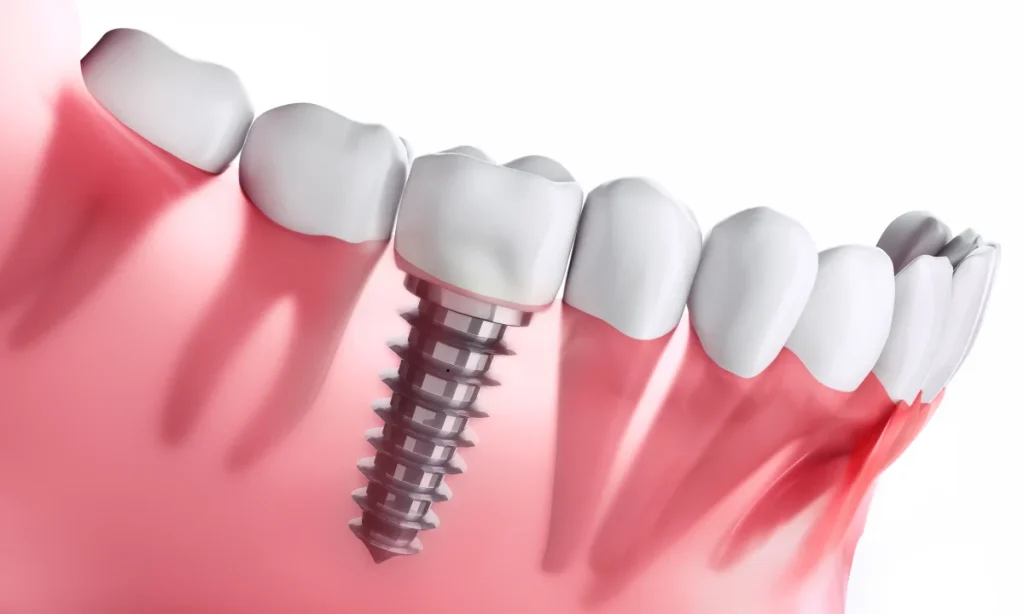
Dental implant failure can occur during healing or after years of successful function. Early failures usually involve unsuccessful osseointegration, while late problems are more often linked with peri-implant disease, supporting-bone loss or mechanical damage. Identifying the likely cause matters because it determines whether the implant can be treated, repaired or needs removal.
What Causes Early Implant Failure?
Early implant failure occurs before or shortly after the implant has completed its initial healing. The main issue is usually failure to establish stable osseointegration, which is the direct structural connection between the implant surface and living jawbone.
Factors that may contribute include:
- Insufficient initial implant stability
- Excessive movement during healing
- Infection at the surgical site
- Surgical trauma
- Limited bone quantity or quality
- Premature or excessive loading
- Heavy smoking
- Poor healing capacity
- Uncontrolled medical conditions
- Failure to follow postoperative instructions
The first months after placement are important because bone is forming and remodelling around the implant. Excessive movement can disturb that connection. However, an early failure should not automatically be described as the body “rejecting” titanium. Implant loss is generally linked with biological, surgical or mechanical factors rather than the same immune rejection seen after an organ transplant.
If osseointegration does not occur, the implant may feel mobile or remain painful. It usually needs to be removed. After the area heals, replacement may be possible following reassessment of bone, health risks and the reason for failure.
What Causes Late Biological Implant Failure?
Late biological problems develop after the implant has integrated and entered function. The most important conditions are peri-implant mucositis and peri-implantitis.
Peri-implant mucositis is inflammation of the soft tissue around an implant without progressive supporting-bone loss. The gum may bleed during cleaning or professional probing. The condition may improve when plaque control and professional care are provided early.
Peri-implantitis involves inflammation combined with progressive loss of supporting bone. The implant may remain firm during the earlier stages, so absence of mobility does not confirm health. Advanced disease can eventually threaten implant retention.
A recent systematic review estimated patient-level prevalence of about 46% for peri-implant mucositis and 21% for peri-implantitis. These figures vary according to the definition used, patient population and duration of follow-up, so they should not be interpreted as the personal risk for every implant patient.
Factors associated with peri-implant disease include:
- Previous periodontal disease
- Poor plaque control
- Smoking
- Uncontrolled diabetes
- Irregular professional maintenance
- Implant position that makes cleaning difficult
- Restoration shapes that retain plaque
- Unfavourable soft-tissue conditions
- Residual cement around some cemented restorations
A 2025 professional consensus identified periodontitis history, smoking, uncontrolled diabetes and poor microbial plaque control as important patient-related risk factors. Implant malposition and unfavourable restoration design can also contribute.
Which Factors Affect an Individual Implant Prognosis?
A published dental implant success rate cannot predict one person’s exact result. Long-term outcomes arise from the interaction between oral health, general health, bone support, implant position, restoration design, chewing forces and maintenance. Risk assessment should take place before treatment and continue after the implant enters function.
How Do Gum Disease and Smoking Affect Implant Outcomes?
Active periodontal disease should be treated before implant placement because implants depend on healthy surrounding tissues. A previous history of periodontitis does not automatically prevent treatment, but it is associated with a greater risk of peri-implantitis, marginal bone loss and implant loss. Patients with a periodontal history may require closer monitoring and more frequent professional maintenance.
Smoking is one of the most consistently reported modifiable risks. Tobacco exposure can affect blood supply, immune response, bone healing and gum health. A systematic review and meta-analysis found that implants placed in smokers had an odds ratio for failure of 2.402 compared with implants in non-smokers, representing a substantially higher relative risk. The exact personal risk still depends on smoking intensity, treatment site and other health factors.
A 2024 meta-analysis also found an association between smoking and early implant failure, with a particularly strong effect reported for implants in the upper jaw. Discussing smoking cessation before surgery can therefore form an important part of treatment planning.
Can Health Conditions or Limited Bone Prevent Implant Treatment?
General health affects healing but does not automatically exclude a person from implant treatment. Diabetes is a common example. People with well-managed diabetes can achieve successful implant outcomes, while poor glycaemic control may increase healing and peri-implant disease risks. A medical history and recent diabetes information may be reviewed before treatment, and coordination with the patient’s medical practitioner may be appropriate.
Systematic evidence suggests that diabetes or hyperglycaemia is associated with a higher peri-implantitis risk, although its relationship with implant loss depends on disease control and other factors. Patients should never stop or change prescribed medication without advice from the practitioner managing their health.
Bone volume is another major consideration. An implant needs enough bone height and width for stable placement while avoiding important structures such as nerves and sinus spaces. Three-dimensional position also matters because a well-integrated implant can still create restorative or cleaning problems if placed in an unfavourable location.
Limited bone does not always make implants impossible. Bone grafting, changes in implant position or an alternative restoration may be considered. The underlying defect, gum condition, expected bite forces and long-term cleaning access all affect the treatment decision.
Does Teeth Grinding Affect Implant Longevity?
Bruxism involves clenching or grinding the teeth and can expose implant restorations to repeated heavy forces. Natural teeth have a periodontal ligament that provides some sensory feedback and movement, while osseointegrated implants are connected more directly to the bone. Excessive forces may therefore contribute to screw loosening, ceramic chipping, restoration wear or implant overload.
A 2024 systematic review and meta-analysis found that implants placed in people with probable bruxism had a higher failure risk than those placed in non-bruxers. Another recent meta-analysis also identified bruxism as a probable implant-failure risk. However, diagnosing sleep bruxism can be difficult, and the studies did not all use the same methods.
Treatment planning may involve reviewing bite forces, implant distribution, crown height, cantilevers and restorative materials. A protective night appliance may be considered for some patients. It can reduce direct wear on the restoration, but it cannot guarantee that every mechanical problem will be prevented.
How Important Is Daily Care and Professional Maintenance?
Dental implants cannot develop tooth decay, but plaque can collect around the implant crown and inflame the surrounding gums. Daily cleaning is therefore essential. The exact technique depends on the restoration because cleaning around a single crown differs from cleaning beneath an implant bridge or fixed full-arch prosthesis.
A home-care plan may include:
- Brushing twice daily
- Cleaning between the implant and nearby teeth
- Implant floss or threaders
- Interdental brushes of a suitable size
- A water flosser where appropriate
- Cleaning beneath bridges or full-arch restorations
- Following any specific advice from the dental team
At Burwood Diamond Dental, implant assessments include clinical examination and digital imaging to check bone support and implant stability. Early diagnosis often helps prevent removal and supports long-term implant success.
What Are the Warning Signs of a Dental Implant Problem?
Implant problems do not always produce severe pain. Peri-implant inflammation can develop while the implant still feels stable, and a loose crown can sometimes be mistaken for a loose implant. Changes should be assessed early because the chance of managing a problem may be better before extensive supporting-bone loss or component damage occurs.
| Warning sign | Possible concern | Recommended response |
| Bleeding during cleaning | Peri-implant inflammation | Arrange a dental examination |
| Persistent redness or swelling | Mucositis or peri-implantitis | Seek professional assessment |
| Pus or an unpleasant taste | Infection | Obtain prompt dental care |
| Implant feels mobile | Loss of integration or bone support | Urgent dental assessment |
| Crown feels loose | Screw or crown problem | Avoid hard chewing and arrange a review |
| Gum recession or visible threads | Gum or bone changes | Clinical and radiographic examination |
| New pain when biting | Overload, infection or component damage | Arrange a prompt assessment |
| Chipped crown or bridge | Prosthetic complication | Book a repair assessment |
| Change in the bite | Component movement or wear | Obtain a timely review |
Frequently Asked Questions
Is a 95% Dental Implant Success Rate Guaranteed?
No. A 95% or 96% figure describes the average outcome reported in a particular group of studies. It is not a guarantee for every patient. The result may measure implant survival rather than complete clinical success, and personal risks such as smoking, periodontal disease, diabetes control, limited bone and bruxism can change the prognosis.
Can a Dental Implant Last for Life?
Some dental implants remain functional for several decades and may last for the rest of a patient’s life. However, lifetime survival cannot be promised. The crown, screw or attached prosthesis may need repair or replacement even when the implant remains healthy. Long-term tissue health also depends on plaque control and professional monitoring.
Can a Dental Implant Fail After 20 Years?
Yes. Late implant loss can occur after many years of successful function. Possible causes include peri-implantitis, progressive supporting-bone loss, mechanical overload, implant fracture or changes in the patient’s health and cleaning ability. Long-term studies still show high survival, but the risk does not fall to zero after healing.
Does Replacing the Implant Crown Mean Treatment Failed?
No. The crown is a separate prosthetic component attached to the implant. It may chip, wear, loosen or need replacement while the titanium implant remains stable in the jaw. This is why implant survival and prosthetic survival are reported separately in clinical research.
Can Smokers Have Dental Implants?
Some smokers achieve successful implant outcomes, but smoking is associated with a significantly higher risk of early failure, long-term implant loss and peri-implant disease. Smoking habits should be discussed honestly during the consultation, and stopping before treatment may reduce avoidable risks.
Are Dental Implants Successful in Older Adults?
Older age alone does not prevent successful implant treatment. General health, bone support, medications, oral hygiene, functional needs, and ability to attend reviews are more useful considerations than age by itself. A recent systematic review found high five-year implant survival in patient populations with a mean age above 75.
What Is the Main Conclusion From 20+ Years of Research?
More than two decades of clinical evidence support dental implants as a reliable long-term option for replacing missing teeth. A major systematic review estimated 96.4% implant survival after 10 years, while a cohort of 10,871 implants reported 94.0% survival after 15 years. Twenty-year estimates are less uniform, ranging from 78% under conservative assumptions to approximately 93% in newer pooled research. These figures describe implant retention, not a lifetime without repairs, inflammation or bone changes. The strongest long-term outcomes are associated with careful patient selection, healthy gums, stable bone, sensible restoration design, avoidance of smoking, daily plaque control and professional maintenance. Patients considering dental implants in Burwood should base their decision on an individual clinical assessment rather than a universal advertised percentage.
References
1. Ten-Year Dental Implant Survival Review
https://pubmed.ncbi.nlm.nih.gov/30904559
2. Long-Term Study of 10,871 Dental Implants
https://pubmed.ncbi.nlm.nih.gov/33768695
3. Twenty-Year Dental Implant Survival Meta-Analysis
https://pubmed.ncbi.nlm.nih.gov/39305362
4. Twenty-Year Implant Survival and Bone Loss Review
https://pubmed.ncbi.nlm.nih.gov/42173763
6. Risk Factors for Peri-Implantitis