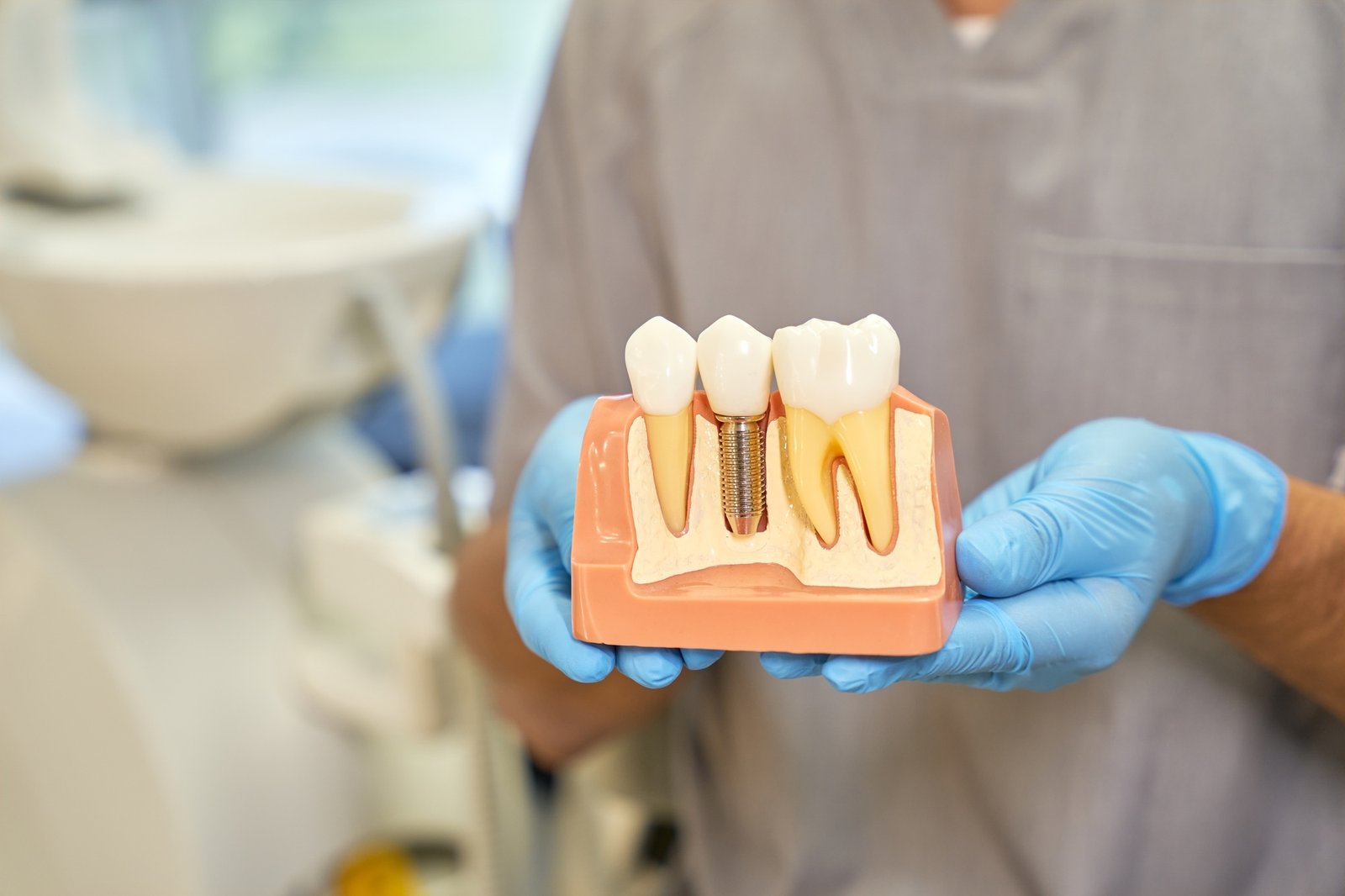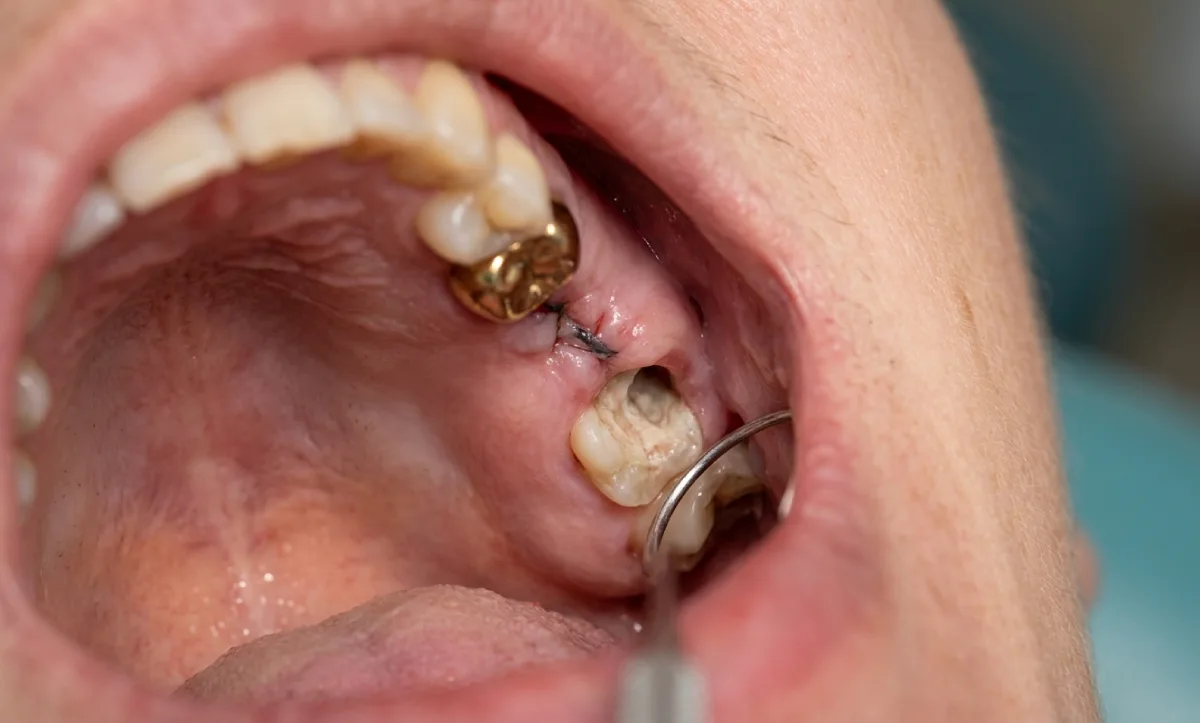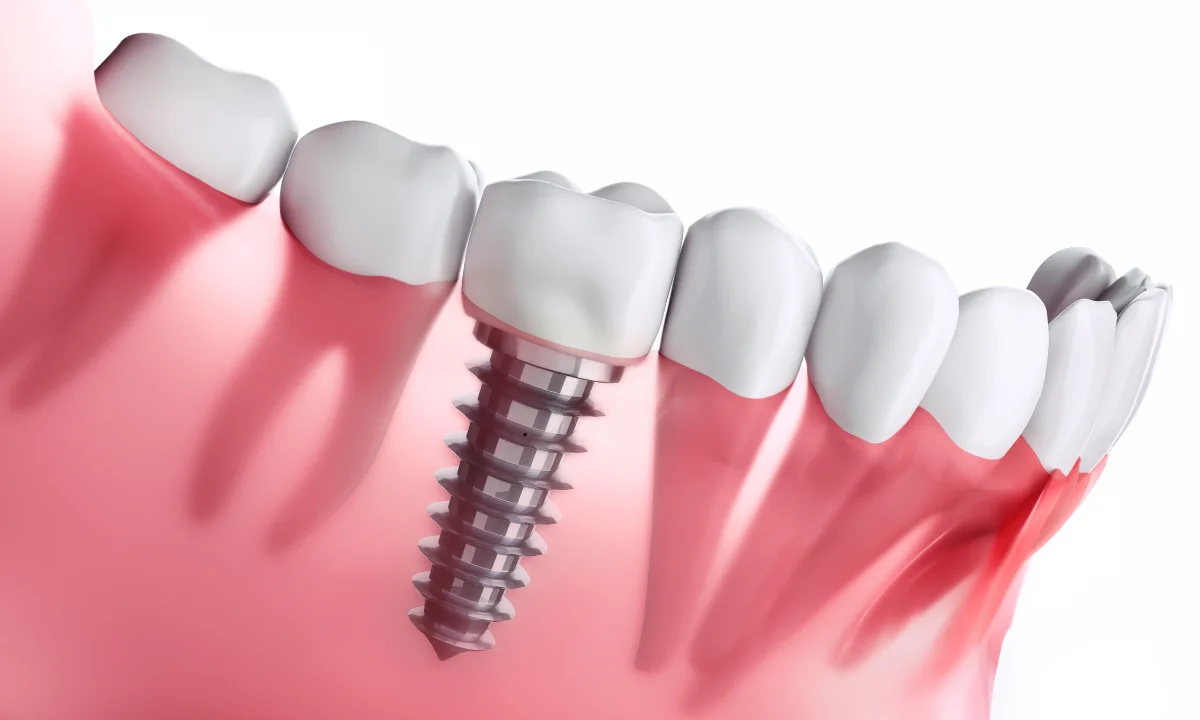
Dental implants are widely used in Australia as a long-term solution for missing teeth, and in most cases they work very well for many years. But sometimes, problems can develop around the implant without being obvious at first. Patients often assume mild pain, swelling, or slight movement is normal, but these early changes can point to something more serious happening under the surface.
Ignoring early warning signs can lead to bone loss, infection, and even implant removal. This is why understanding dental implant failure signs early can help protect both the implant and the surrounding jawbone. At Burwood Diamond Dental, patients are often seen for early assessment when discomfort starts, and in many cases, early treatment helps avoid major procedures later.
Understanding Dental Implant Failure
Dental implant failure refers to a situation where the implant does not remain stable or healthy inside the jawbone. A healthy implant should fuse with the bone through a process called osseointegration, which creates a strong foundation for the crown.
When failure happens, it usually falls into two categories:
- Early failure: Happens during healing, when the implant does not properly bond with bone
- Late failure: Happens months or years later due to infection, stress, or bone loss
The main clinical conditions linked with failure include:
- Peri-implantitis (gum infection around implant)
- Bone resorption (loss of supporting bone)
- Loss of osseointegration (implant loosening from bone)
In simple terms, implant failure means the support system around the implant is breaking down, making it unstable or painful.
Dental Implant Failure Signs
Recognising symptoms early is the most important step in saving an implant. Many patients notice small changes but delay treatment, thinking it will settle on its own. Implant problems rarely improve without care. Below are the most common early signs:
Persistent or Increasing Pain Around the Implant
Mild discomfort is expected for a few days after implant surgery, but pain that continues beyond the normal healing period or starts again after months is a warning sign. Implant pain may feel deep inside the gum, sharp during chewing, or constant even when resting. In many cases, ongoing pain suggests inflammation or infection developing around the implant area, which needs a dental review to prevent worsening damage.
Implant Feels Loose or Has a “Wobble” Sensation
A healthy dental implant should feel completely stable and fixed in place. If the implant starts to feel loose or has even a slight wobble sensation, it is not normal. This usually indicates weak bone support, failure of proper integration with the jawbone, or excessive mechanical pressure on the implant. Any movement should be checked immediately through a clinical examination and X-ray assessment.
Swollen, Red, or Tender Gums Around Implant
Inflammation around the implant is often one of the earliest visible warning signs. Patients may notice swelling in the gum line, redness, warmth in the area, or tenderness when touching or brushing. These symptoms often point to peri-implant mucositis, which is an early infection stage. If not treated early, it can progress into peri-implantitis and lead to bone loss around the implant.
Bleeding While Brushing or Cleaning
Bleeding gums around a dental implant should not continue once healing is complete. If bleeding occurs during brushing or flossing, it often suggests gum infection, plaque buildup around the implant crown, or early irritation of the surrounding bone. Many patients ignore this sign, but it is often one of the earliest and most important indicators that something is not right.
Pus, Bad Taste, or Persistent Mouth Odour
The presence of pus, a bad taste, or ongoing mouth odour around an implant usually indicates active infection. Bacteria can accumulate around the implant site, leading to foul smell, a bitter or metallic taste, and sometimes visible discharge from the gums. These symptoms are strongly linked with peri-implantitis and require prompt dental treatment to prevent further bone damage.
Gum Recession or Visible Implant Threads
Healthy gums should fully cover and support the implant and crown area. When the gums begin to recede, the implant may look longer than usual or even expose metal threads. This change often indicates gum or bone loss around the implant, which weakens support and increases the risk of long-term failure if not treated early.
Bite Changes or Difficulty Chewing
Any change in bite after implant placement should be taken seriously. Patients may feel uneven pressure when biting, notice that one side of the mouth is doing more work, or experience pain when chewing harder foods. These changes often suggest that the implant is under mechanical overload, which can gradually affect its stability.
Numbness or Tingling in Lip, Chin, or Tongue
Numbness, tingling, or unusual sensation in the lip, chin, or tongue is a serious symptom that may indicate nerve irritation or pressure. It can feel like reduced sensitivity, mild burning, or a “pins and needles” sensation. This requires immediate dental evaluation because nerve involvement can lead to long-term complications if not addressed quickly.
Conditions Linked to Implant Failure
Dental implant problems are usually connected to one or more clinical conditions. Understanding these helps explain why symptoms appear.
Common conditions include:
- Peri-implantitis: Infection causing gum and bone damage
- Bone resorption: Gradual loss of jawbone support
- Loss of osseointegration: Implant failing to bond with bone
- Implant instability: Movement due to weak support structure
These conditions often develop slowly, which is why early signs are important.
Why Dental Implants Fail: Main Causes
Implants can fail for several reasons, often linked to health, hygiene, or bite pressure.
Bacterial Infection (Peri-implantitis)
Bacterial infection around a dental implant often starts with plaque buildup on the gum line and implant surface. If this bacteria is not controlled early, it can spread into deeper tissues and damage both the gum and surrounding bone. Over time, this condition weakens implant support and is one of the leading causes of implant failure.
Poor Osseointegration
Osseointegration is the process where the jawbone naturally bonds with the implant surface. In some cases, this process does not complete properly during healing. When the bone fails to integrate with the implant, the fixture remains unstable and may loosen early, leading to implant failure within the first few months.
Excessive Bite Pressure (Bruxism)
Teeth grinding, also known as bruxism, creates strong and repeated force on dental implants. Unlike natural teeth, implants do not have a ligament cushion, so they absorb more direct pressure. Over time, this excessive force can loosen the implant, damage surrounding bone, or affect the stability of the crown.
Smoking and Healing Issues
Smoking reduces blood circulation in the gums and jawbone, which slows down healing after implant placement. Poor blood flow also increases the risk of infection and reduces the body’s ability to integrate the implant with bone properly. Patients who smoke generally have a higher risk of implant complications and long-term failure.
Bone Density or Medical Conditions
Certain medical conditions such as osteoporosis or uncontrolled diabetes can reduce bone strength and healing ability. When bone density is low, the implant may not get enough support to remain stable. Similarly, conditions that affect immunity or healing can increase the chance of implant failure over time.
At Burwood Diamond Dental, implant assessments include clinical examination and digital imaging to check bone support and implant stability. Early diagnosis often helps prevent removal and supports long-term implant success.
How Dentists Diagnose Dental Implant Failure
Once early warning signs appear, the next step is proper diagnosis. Implant problems cannot be confirmed only by symptoms because pain or swelling may also come from gum irritation or bite pressure. A dental clinic uses a combination of clinical checks and imaging to understand what is happening beneath the gum line. The diagnosis usually begins with a detailed clinical examination followed by digital imaging. The goal is to check whether the implant is still stable, whether bone support is intact, and whether infection is present around the implant surface.
Clinical Examination (First Step Assessment)
A dentist first examines the implant area visually and physically. This includes checking gum color, swelling, bleeding points, and tissue health around the crown. The dentist may also gently test the implant for movement to understand stability. In many cases, small gum changes can already show early infection even before bone damage becomes visible. This step helps identify whether the issue is superficial inflammation or a deeper structural problem.
Dental X-rays for Bone Level Check
Dental X-rays are one of the most important diagnostic tools for implant evaluation. They help identify whether the bone around the implant is stable or slowly shrinking. On an X-ray, dentists look for:
- Bone loss around implant threads
- Gaps between implant and bone
- Signs of infection progression
Even small changes in bone height are important because implants rely fully on bone support for stability.
CBCT 3D Imaging (Advanced Assessment)
In more complex cases, a CBCT scan is used. This provides a 3D view of the jawbone, implant position, and surrounding structures. CBCT helps to:
- Detect hidden bone loss not visible on X-rays
- Check implant angle and placement
- Identify infection spread in deeper bone areas
- Assess nerve proximity in lower jaw implants
This is especially important when symptoms include numbness or persistent pain.
Bite and Pressure Analysis
Sometimes implant failure is not caused by infection but by excessive force. Dentists check how the upper and lower teeth meet to see if the implant is receiving uneven pressure. If bite alignment is incorrect, the implant may slowly loosen even if the bone is healthy. This type of issue is common in patients who grind their teeth at night.
Treatment Options for Dental Implant Failure
Treatment depends on how early the problem is detected. Some implants can be saved, while others may need removal followed by bone repair and replacement. The main goal is always to stop infection, protect bone, and restore proper function.
Early Stage Treatment (Non-Surgical Care)
If the implant problem is detected early, surgery may not be needed. Inflammation or mild infection can often be controlled using professional cleaning and medication.
Treatment may include:
- Deep cleaning around the implant surface
- Removal of bacterial buildup (debridement)
- Antibiotic therapy to control infection
- Antiseptic mouth rinses to reduce bacteria
In early peri-implantitis cases, this approach can stop disease progression and help preserve the implant.
Surgical Cleaning and Implant Surface Treatment
If infection has progressed deeper, a more advanced cleaning procedure may be required. The dentist cleans the implant surface directly to remove infected tissue and bacteria that cannot be removed with normal cleaning tools. In some cases, laser-assisted cleaning may be used to reduce bacteria and support gum healing. This step aims to save the implant before bone damage becomes severe.
Implant Removal (When Damage Is Severe)
If the implant has lost too much bone support or is completely loose, removal becomes necessary. This is done under local anaesthesia and is generally a controlled procedure. The dentist carefully removes the implant while protecting the surrounding bone structure. The goal is to avoid further damage so the area can heal properly for future treatment.
Bone Grafting After Implant Failure
When bone loss has occurred, a bone graft may be required before placing a new implant. This procedure rebuilds lost bone volume and strengthens the jaw for future restoration.
Bone grafting helps:
- Restore jawbone strength
- Support future implant placement
- Improve long-term success rates
Healing after bone grafting usually takes several months before the next implant can be placed.
Re-Implantation (Replacing the Failed Implant)
After healing and bone recovery, a new implant can be placed. This step is carefully planned based on the patient’s bone quality, health condition, and previous failure cause. Dentists take extra precautions in re-implant cases to ensure better stability and long-term success compared to the first attempt.
What Happens If Implant Problems Are Ignored
Delaying treatment can turn a manageable issue into a serious dental condition. Infection may spread deeper into the bone, and the implant may become completely unstable.
Without treatment:
- Bone loss continues
- Infection becomes harder to control
- Implant removal becomes unavoidable
- Future implant success rate decreases
This is why early dental review is always recommended when symptoms first appear.
Burwood Diamond Dental Approach to Implant Care
At Burwood Diamond Dental, implant concerns are handled with a structured clinical approach that focuses on early detection and preservation wherever possible. Each case is assessed individually using digital imaging and clinical examination before deciding the treatment path.
The clinic approach generally includes:
- Detailed implant stability testing
- Digital X-rays and CBCT scanning
- Infection control planning
- Bone preservation strategies
- Customised replacement planning when required
The goal is always to protect natural bone and restore function with long-term stability in mind.
How to Prevent Dental Implant Failure
Dental implants can last many years when they are properly cared for, but their long-term success depends on daily hygiene, regular monitoring, and lifestyle habits. Most implant complications develop slowly, which means prevention plays a much bigger role than treatment after failure starts. At Burwood Diamond Dental, prevention is a major part of implant care because early maintenance helps protect both the implant and surrounding jawbone. Patients who follow proper care routines generally experience fewer complications and longer implant lifespan.
Daily Oral Hygiene for Implant Protection
Good oral hygiene is the strongest protection against implant failure. Plaque buildup around the implant can lead to infection, so cleaning must be consistent and careful.
Patients are usually advised to:
- Brush twice daily using a soft-bristle toothbrush
- Clean gently around the implant crown and gumline
- Use implant-friendly floss or interdental brushes
- Rinse with antibacterial mouthwash when recommended
These steps help reduce bacterial accumulation and lower the risk of peri-implantitis, which is the most common cause of implant failure.
Regular Dental Check-Ups and Monitoring
Routine dental visits are important because early bone changes cannot be seen at home. Even when there are no symptoms, minor bone loss can still develop around implants.
Regular check-ups allow dentists to:
- Monitor bone stability using X-rays
- Check gum health around the implant
- Detect early infection before it spreads
- Adjust bite pressure if needed
Most patients in Australia benefit from 6-monthly implant reviews to maintain long-term stability.
Managing Health Conditions That Affect Implant Stability
Certain medical conditions can increase the risk of implant complications if not controlled properly. These include diabetes, osteoporosis, and conditions that affect healing ability. Good control of blood sugar levels, proper nutrition, and communication with your dentist about any medical changes all support implant health. Patients who maintain stable health conditions generally experience better implant outcomes.
Avoiding Smoking and Excessive Bite Pressure
Smoking significantly reduces blood flow to the gums and slows healing, making implants more vulnerable to infection and bone loss. Similarly, teeth grinding (bruxism) can apply excessive force on implants, causing long-term damage.
To reduce risk:
- Avoid smoking during healing and long-term maintenance
- Use a night guard if teeth grinding is present
- Avoid biting hard objects with implant-supported teeth
These habits help prevent mechanical stress and improve implant longevity.
Early Warning Signs That Require Immediate Dental Attention
Some symptoms should never be ignored because they may indicate active infection or structural implant failure. Immediate dental review can prevent further bone loss and increase chances of saving the implant.
Patients should seek urgent care if they notice:
- Implant movement or wobbling sensation
- Persistent or worsening pain after healing
- Swelling that does not reduce over time
- Pus discharge or foul taste in the mouth
- Gum bleeding that continues during brushing
- Sudden change in bite alignment
- Numbness or tingling in lip, chin, or tongue
These symptoms often indicate that the implant is under serious stress or infection is progressing deeper into bone tissue.
Frequently Asked Questions About Dental Implant Failure
What are the first signs of dental implant failure?
The earliest signs often include mild pain that does not improve, gum redness around the implant, slight swelling, and discomfort while chewing. In some cases, patients may also notice a strange taste or bleeding while brushing.
Can a loose dental implant be fixed?
Yes, in some early cases, a loose implant can be stabilised if bone loss is minimal and infection is controlled. However, if the implant has lost significant bone support, removal may be required before replacement.
Is pain normal years after a dental implant?
No, long-term pain around a dental implant is not considered normal. It may indicate infection, bite pressure issues, or bone changes that need professional evaluation.
What is peri-implantitis?
Peri-implantitis is an infection that affects the gum and bone around a dental implant. It is one of the leading causes of implant failure and can progress slowly if not treated early.
How long do dental implants last?
With proper care, dental implants can last 20–25 years or longer. However, the crown on top may need replacement after 10–15 years depending on wear and oral hygiene.
Final Thought
Dental implant failure signs should always be taken seriously, especially when symptoms persist or worsen over time. Early diagnosis is the key factor in saving an implant and protecting jawbone health. At Burwood Diamond Dental, patients receive detailed implant assessments using modern diagnostic tools such as digital X-rays and CBCT scans. The focus is always on early detection, infection control, and long-term stability of dental implants. If you notice any early warning signs such as pain, swelling, or movement, getting a dental check-up quickly can make a major difference in treatment outcome and may help avoid implant removal.