Reviewed and Updated: April 27, 2026
Missing teeth can affect your confidence, make eating uncomfortable, and even impact your oral health. Many people in Australia who are considering dental implants worry about how much pain they will experience during and after the procedure. The good news is that modern implant techniques, combined with effective local anaesthesia and optional sedation, make the process much more comfortable than many anticipate. Understanding what to expect during the surgery, the healing process, and how to manage discomfort can help you feel more confident in choosing implants as a long-term solution. At Burwood Diamond Dental, we provide professional care, free consultations, and personalised guidance for patients considering implants in Sydney and surrounding areas.
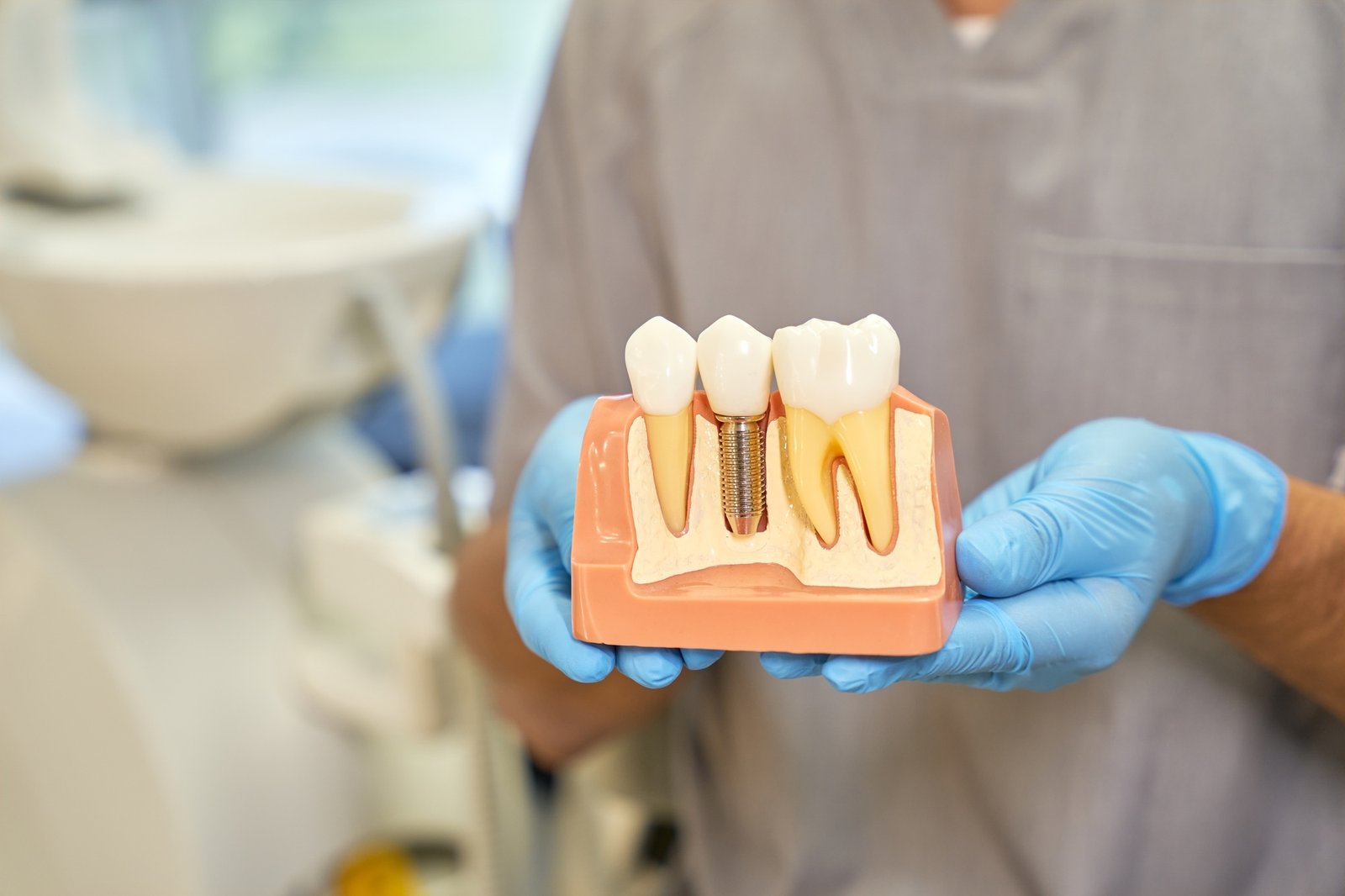
Dental implants are a highly effective tooth replacement procedure that replicates the function and appearance of natural teeth. A titanium post is surgically placed into the jawbone/gums, forming a stable foundation for a dental crown, bridge, or denture. This implant eventually fuses with the bone through osseointegration, creating a durable replacement that looks and feels like your own tooth.
What Happens During a Dental Implant Procedure
Pre-Procedure Preparation
Before the procedure begins, your dentist / dental team will conduct a thorough assessment to ensure you are a suitable candidate. This includes evaluating the health of your jawbone/gums, checking for any existing gum disease / periodontal disease, and reviewing your medical history. In cases where there is insufficient bone to support the implant, a bone graft may be performed to provide a stable foundation. Planning may also involve 3D computerised techniques to determine the exact placement of the titanium post and ensure precise alignment for the final restoration.
Anesthesia and Sedation Options
Pain control is a primary focus during dental implant surgery. Most patients receive local anesthesia, which numbs the implant site and prevents discomfort while remaining awake. For patients who feel anxious, sedation, either oral, intravenous (IV), or general, can be used to promote relaxation throughout the procedure. This combination ensures the placement of the titanium post and abutment is as pain-free as possible.
Step-by-Step Implant Placement
The implant procedure generally follows several stages:
- Tooth Extraction (if required) – Removal of any damaged teeth at the implant site.
- Site Preparation – Creating a precise space in the jawbone for the titanium post/screw.
- Implant Placement – Inserting the post into the bone; minor pressure or vibration may be felt, but anaesthesia keeps pain minimal.
- Abutment Placement – Connecting the abutment to the post after initial healing.
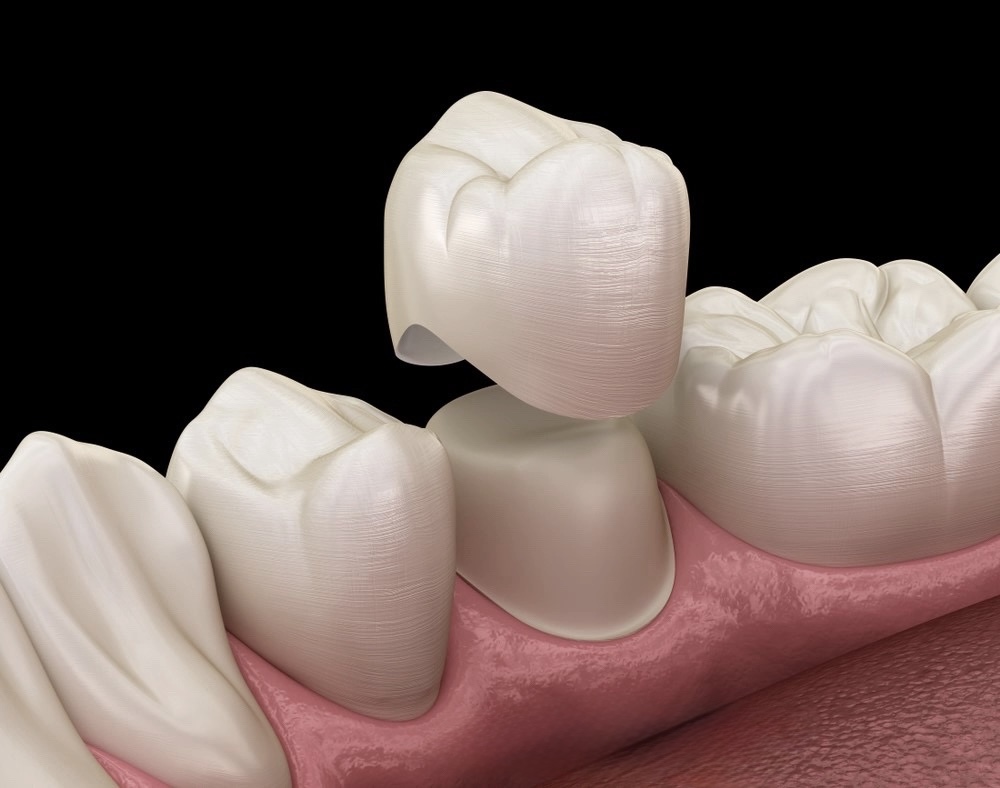
- Final Crown / Bridge / Denture Attachment – After osseointegration completes, a custom dental crown or other restoration is fixed to the abutment, restoring full function and aesthetics.
For complex cases, such as All-on-4® Dental Implants or procedures requiring a sinus lift, the surgery may take longer, but pain management protocols remain the same. At Burwood Diamond Dental, we guide patients throughout these stages and ensure their comfort is monitored at every step.
Sensations During Surgery
Most patients describe the sensations during implant placement as pressure or vibration rather than sharp pain. Modern surgical techniques, including DIO Implant System or traditional implant surgery, make the experience more predictable and less uncomfortable. Minor bleeding is common and easily managed by your dentist / dental team.
Duration of the Procedure
A single dental implant typically takes about one hour from start to finish, while multiple implants or full-arch procedures may take longer. Even when additional procedures like bone grafts or tooth extractions are required, the use of local anesthesia and sedation ensures patient comfort. One of the most common questions Australians ask is: “How long do dental implants last?”
Post-Surgery Care Overview
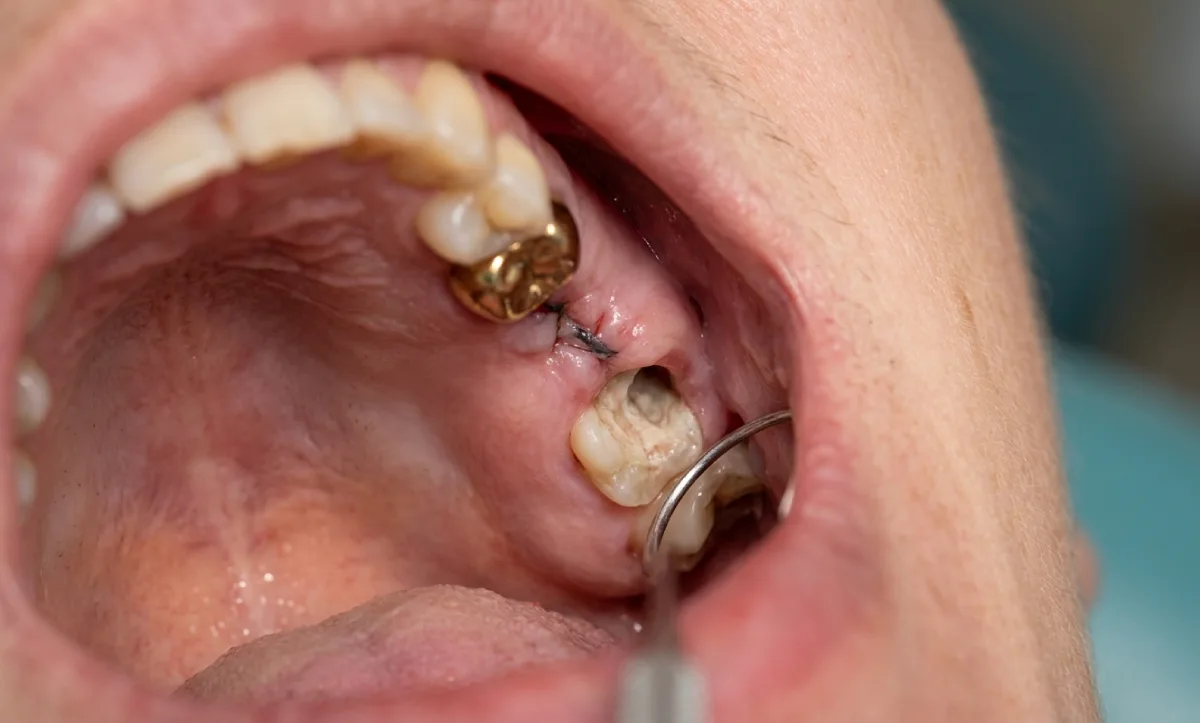
Immediately following the implant procedure, it is normal to experience some post-operative symptoms, including mild swelling, tenderness, minor bruising, and a dull ache around the surgical site. These symptoms are temporary and part of the natural healing process. Your dentist / dental team will provide pain management advice, including over-the-counter medications, cold packs, soft foods, and gentle saltwater rinses to support recovery.
Post-Procedure Pain and Recovery Timeline
Even with modern techniques and effective local anesthesia, it is normal to experience some discomfort after dental implant surgery. Understanding what to expect in the days and weeks following the procedure can help you manage pain and ensure proper healing.
Typical Post-Operative Symptoms
After your implant placement, you may notice several post-operative symptoms, including:
- Swelling around the jawbone/gums, which usually peaks within 24–48 hours
- Tenderness at the implant site, especially where the titanium post was inserted
- Minor bruising on the surrounding tissue
- Dull ache or soreness, which typically subsides after a few days
These symptoms are part of the natural healing process and indicate that your body is adjusting to the implant procedure. Most patients find that discomfort is manageable with simple pain management measures recommended by their dentist / dental team.
Peak Pain Period
Pain and swelling usually reach their peak within the first 24–72 hours following surgery. During this time, it is common to feel mild to moderate discomfort. Patients who undergo additional procedures, such as tooth extraction, bone grafting, or sinus lifts, may experience slightly more soreness, but this is typically temporary.
Even complex procedures like All-on-4® Dental Implants follow the same principle: initial discomfort is expected but controlled effectively with proper care. Sedation during surgery and local anesthesia ensure minimal pain while the procedure is being performed.
Managing Pain After Dental Implants
Effective pain management is essential for a comfortable recovery. Recommended strategies include:
- Over-the-counter medications: Non-steroidal anti-inflammatory drugs (NSAIDs) such as ibuprofen or paracetamol (acetaminophen) can reduce pain and inflammation.
- Cold packs: Applying an ice pack to the outside of the mouth for 15–20 minutes at a time helps reduce swelling and tenderness.
- Soft foods: Consuming soft, cool, or lukewarm foods during the first few days avoids putting stress on the jawbone/gums and implant site.
- Head elevation: Sleeping with your head slightly elevated can decrease swelling.
- Gentle saltwater rinses: After the first 24 hours, rinsing with warm saltwater can soothe the surgical site and promote healing.
Your dentist / dental team will provide personalised guidance, including whether prescription pain relief is necessary. Following these steps consistently helps make recovery smoother and reduces the likelihood of complications.
Recovery Timeline
Understanding the typical recovery timeline can help you plan your activities after surgery:
| Stage | Duration | What to Expect |
| First 1–3 days | Initial discomfort | Mild swelling, tenderness, minor bruising |
| First week | Symptom relief | Swelling and soreness usually decrease significantly |
| Several weeks to months | Healing & osseointegration | Titanium post fuses with jawbone, forming a strong foundation |
| Final restoration | After osseointegration | Crown, bridge, or denture attached to the implant, restoring full function |
During this period, maintaining proper oral hygiene practices is crucial to prevent peri-implantitis and other complications. Brushing gently, using antiseptic rinses, and following your dentist / dental team’s instructions helps protect the surgical site.
Signs That Pain May Indicate a Problem
While mild discomfort is normal, certain symptoms may indicate complications. Contact your dentist / dental clinic immediately if you notice:
- Severe or persistent pain beyond 7–10 days
- Swelling that worsens after the initial 2–3 days
- Fever or signs of infection
- Bad taste or discharge from the implant site
- Throbbing or sharp pain weeks after surgery
Early intervention prevents more serious issues and ensures that your dental implants heal successfully. Clinics such as Burwood Diamond Dental provide ongoing monitoring and follow-up to address any concerns promptly.
Long-Term Healing and Lifestyle Tips
Once the initial recovery period is over, your dental implants continue to integrate with the jawbone/gums through osseointegration. This biological process is what gives implants their strength and longevity. Although day-to-day discomfort usually resolves within a week, it is important to maintain good oral hygiene practices and follow lifestyle recommendations to protect your implants.
Tips for Reducing Discomfort and Promoting Healing
- Maintain Oral Hygiene: Brush gently around the abutment and crown, and use an antiseptic mouth rinse to prevent infection.
- Avoid Smoking and Alcohol: Both can slow healing and increase the risk of peri-implantitis.
- Soft Diet: Stick to soft foods during the first few weeks to avoid unnecessary pressure on the titanium post and surgical site.
- Protective Gear: If you participate in contact sports, wearing a mouthguard can prevent trauma to the implant.
- Regular Follow-Ups: Schedule check-ups with your dentist / dental team to monitor healing, assess post-operative symptoms, and ensure the crown, bridge, or denture is functioning correctly.
Following these recommendations helps patients in Sydney and surrounding areas maintain comfort while supporting the long-term success of their implants.
Comparing Dental Implants with Other Tooth Replacement Options
Many patients wonder whether dental implants are more painful than alternative treatments. Here is a comparison:
| Option | Pain During Procedure | Recovery Timeline | Notes |
| Dental Implants | Mild, manageable with local anesthesia and optional sedation | 5–10 days for initial recovery; several months for full osseointegration | Permanent, prevents jawbone deterioration, looks and functions like natural teeth |
| Dentures | Minimal, non-surgical | 1–2 weeks adjustment | Removable, may cause soreness or irritation during adjustment |
| Dental Bridges | Mild to moderate | 1 week | Relies on adjacent teeth; may cause gum tenderness |
Dental implants provide a long-term, reliable solution with fewer long-term complications compared to dentures and bridges, making them a preferred choice for permanent tooth replacement in Australia.
Frequently Asked Questions (FAQs)
Do dental implants hurt during surgery?
With local anesthesia and optional sedation, patients typically feel pressure or vibration but no sharp pain.
How long does pain last after dental implants?
Mild post-operative symptoms such as swelling and tenderness usually resolve within 5–10 days.
Can multiple implants increase discomfort?
Yes, procedures involving multiple implants, bone grafting, or sinus lifts may lead to slightly more soreness, but pain management protocols remain effective.
How can I manage discomfort at home?
Use over-the-counter pain relief, cold packs, soft foods, head elevation, and gentle saltwater rinses as instructed by your dentist / dental team.
When should I contact my dentist about implant pain?
If pain persists beyond 10 days, is severe, or is accompanied by swelling, fever, or discharge, contact your dentist / dental clinic immediately.
Final Thoughts and Recommendations
Dental implants are generally well-tolerated, and concerns about pain should not discourage patients from choosing this highly effective tooth replacement procedure. Proper planning, effective pain management, and attentive follow-up care significantly reduce discomfort during and after the procedure.
At Burwood Diamond Dental, patients in Sydney and surrounding areas receive personalised care, free consultations, and support through every stage of the implant journey. From single titanium posts to full All-on-4® Dental Implants, our dentists / dental team monitor healing, provide guidance on oral hygiene practices, and ensure your crown, bridge, or denture is fitted for optimal comfort and function. Choosing dental implants means investing in a permanent, natural-looking smile while minimizing discomfort and promoting long-term oral health.