Updated: 22 April 2026
Cavities, also known as tooth decay or dental caries, are one of the most common dental problems worldwide. They develop when the enamel on your teeth is broken down by acid produced by bacteria in the mouth, which feeds on sugar. The result is a hole or cavity that can lead to more serious dental issues if left untreated. Preventing cavities is crucial for maintaining a healthy smile and avoiding costly, painful dental treatments in the future. But how can you effectively prevent cavities? In this comprehensive guide, we will walk you through the causes of cavities, tips for prevention, and why regular dental visits are key to a cavity-free life.
What Causes Cavities (Tooth Decay)?
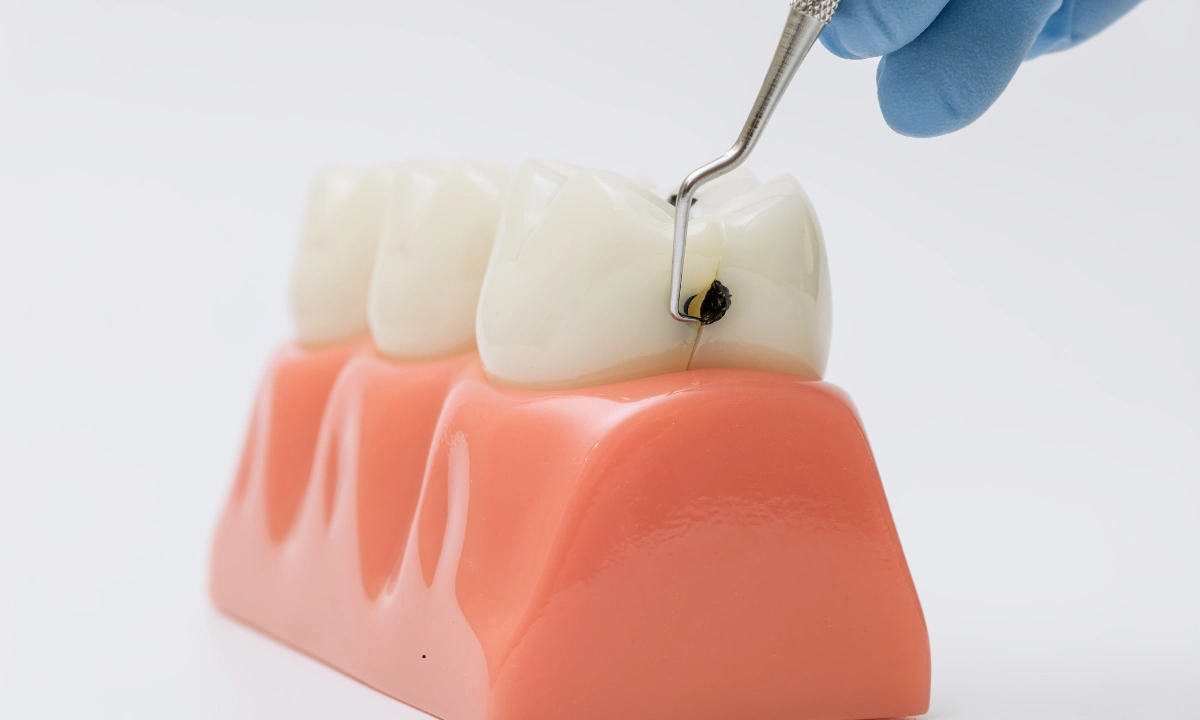
Cavities form when plaque, a sticky film of bacteria, builds up on your teeth and interacts with sugars and carbohydrates from food. Plaque produces acids that gradually wear down the protective enamel on your teeth, leading to decay. If left unchecked, this can create holes in the teeth, which are known as cavities. Plaque is a natural part of your mouth, but when it isn’t removed through regular brushing and flossing, it can harden into tartar, which only a dentist can remove.
Several factors contribute to cavity formation:
- Sugary and Acidic Foods: Sugary foods like candies, cakes, and sugary drinks provide fuel for the bacteria in your mouth. Acidic foods and beverages, such as citrus fruits, sodas, and wine, can weaken enamel, making it more susceptible to cavities.
- Plaque and Bacteria: The bacteria in plaque produce acid that attacks your enamel. The more plaque there is, the higher the chance of tooth decay.
- Dry Mouth: A lack of saliva increases your risk of cavities. Saliva helps wash away food particles and neutralise acids in your mouth. Conditions like dry mouth or medications that reduce saliva can increase cavity risk.
- Poor Oral Hygiene: Inadequate brushing and flossing fail to remove plaque and food particles, leading to plaque buildup and decay.
Understanding Your Cavity Risk Level
Cavities don’t happen to everyone equally, and your risk of developing them depends on several factors. Cavity risk is influenced by your oral hygiene habits, diet, and even genetics. The Caries Management by Risk Assessment (CAMBRA) is a tool used by dentists to assess an individual’s risk of cavities. This assessment helps determine how often you should visit the dentist and what preventive measures you should take.
Risk factors include:
- Diet: Frequent consumption of sugary or acidic foods increases your chances of developing cavities. People who snack throughout the day without brushing or drinking water are at higher risk.
- Age: Children and older adults tend to be at higher risk. Children are still developing their enamel, while older adults may experience gum recession, which exposes the tooth roots to bacteria.
- Health Conditions: Conditions such as diabetes, dry mouth, and acid reflux can make you more susceptible to cavities.
- Genetics: Some people may have weaker enamel or a natural tendency to develop cavities due to their genetic makeup.
Understanding your personal risk level helps you implement preventive measures that are tailored to your needs.
How to Prevent Cavities Effectively
Brushing Technique to Prevent Cavities
Brushing your teeth is the first and most important step in preventing cavities. It’s crucial to brush your teeth twice a day for two minutes each time, using a soft-bristled toothbrush. The key to effective brushing is using the right technique. Brushing too hard or using a toothbrush with hard bristles can wear down your gums and enamel, leading to tooth sensitivity and other oral issues. Instead, opt for a soft-bristled brush that’s gentle on your teeth and gums while still being effective at removing plaque.
When brushing, use fluoride toothpaste, as fluoride is proven to help remineralise enamel, making it more resistant to decay. It’s important to focus on all surfaces of your teeth, including the back teeth and areas where plaque tends to build up. For proper technique, use gentle circular motions and avoid harsh back-and-forth scrubbing. By brushing regularly and using fluoride toothpaste, you’re taking a critical step in plaque removal and preventing cavities.
The Importance of Flossing to Prevent Cavities
While brushing is essential, it’s not enough to clean the spaces between your teeth, where cavities are most likely to form. Flossing is just as important in preventing cavities and promoting good oral hygiene. Every time you floss, you’re removing food particles and plaque from between your teeth and along the gum line, areas that your toothbrush may miss. Without flossing, plaque can build up between your teeth, eventually turning into tartar and leading to cavities or gum disease.
To floss correctly, gently slide the floss between your teeth, curving it around each tooth to clean the surfaces. It’s important to be gentle and not snap the floss, as this can irritate your gums. Flossing once a day, preferably before bed, ensures that plaque and food particles are removed before they can cause damage. If you’re not already flossing daily, make it a habit it’s an easy step that greatly contributes to cavity prevention.
Cutting Back on Sugary and Acidic Foods
What you eat plays a significant role in your risk of developing cavities. The bacteria in your mouth feed on sugar, producing acids that attack your tooth enamel. Over time, this leads to the breakdown of enamel, resulting in cavities. To protect your teeth, it’s essential to limit your consumption of sugary and acidic foods and drinks, such as candies, soda, juice, and energy drinks. These items feed the bacteria in your mouth and create an acidic environment that accelerates enamel erosion.
Instead, try to balance your diet by including healthy snacks such as cheese, carrots, apples, and nuts, which help to neutralise acids and stimulate saliva production. Saliva plays a key role in maintaining a healthy mouth by neutralising acids, washing away food particles, and helping to remineralise enamel. If you do consume sugary or acidic food, drinking water afterward can help rinse your mouth and neutralise some of the acids that contribute to cavity formation.
Special Considerations for Different Age Groups
Cavity Prevention for Children
When it comes to children’s oral care, it’s important to start early. As soon as your child’s first tooth appears, begin brushing their teeth with a soft-bristle toothbrush and a small amount of fluoride toothpaste. For toddlers, use a rice-grain-sized amount of toothpaste and gradually increase it to a pea-sized amount as they grow. It’s important to monitor your child’s brushing habits until they are old enough to brush on their own, typically around age 7 or 8. In addition to brushing, make sure to floss once they have two teeth that touch.
One common issue in children is baby bottle tooth decay, which occurs when babies are put to bed with a bottle of milk, juice, or sweetened liquids. This practice exposes the child’s teeth to sugar for an extended period, leading to decay. To prevent this, avoid putting your baby to bed with a bottle containing anything other than water. Regular visits to the dentist are essential for children, as they help track their developing teeth and check for early signs of tooth decay or gum disease.
Teenagers: Cavities and Braces
Teenagers are especially vulnerable to cavities due to changes in diet, lifestyle, and the presence of braces. Teens with braces face a unique challenge: food and plaque can get trapped around the brackets and wires, making it harder to clean their teeth effectively. This increases the risk of cavities forming, particularly around the areas where the braces are attached. Teenagers should be encouraged to brush after every meal and use floss threaders or interdental brushes to clean around the braces.
It’s also important to limit sugary snacks, which can stick to braces and increase the risk of cavities. Sodas, candy, and starchy snacks like chips are all cavity culprits. Healthy, tooth-friendly snacks such as cheese, yogurt, and crunchy vegetables are great alternatives that help keep teeth clean and reduce the risk of decay. Dental visits are crucial during this time to monitor oral health, ensure that the braces are functioning properly, and provide advice on maintaining a cavity-free mouth.
Cavity Prevention for Seniors
As we age, our teeth become more susceptible to cavities due to gum recession, dry mouth, and other changes that occur in the mouth. Gum recession exposes the roots of the teeth, which are more vulnerable to decay because they aren’t protected by enamel. Seniors should make sure to brush gently along the gum line and use fluoride toothpaste to help strengthen teeth. It’s also important to stay hydrated and consider using fluoride mouthwash or gels if you have dry mouth, a condition that reduces saliva production and increases the risk of cavities.
Dry mouth is common in seniors, especially those taking medications that affect saliva production. Without enough saliva, food particles, plaque, and bacteria linger in the mouth, increasing the risk of cavities. Drinking plenty of water, chewing sugar-free gum, and using a humidifier at night can help alleviate dry mouth symptoms and keep the mouth clean.
Regular dental check-ups are especially important for seniors, as they help monitor gum health and address issues like tooth sensitivity or dental implants. During these visits, your dentist can offer tailored a
The Importance of Regular Dental Check-Ups
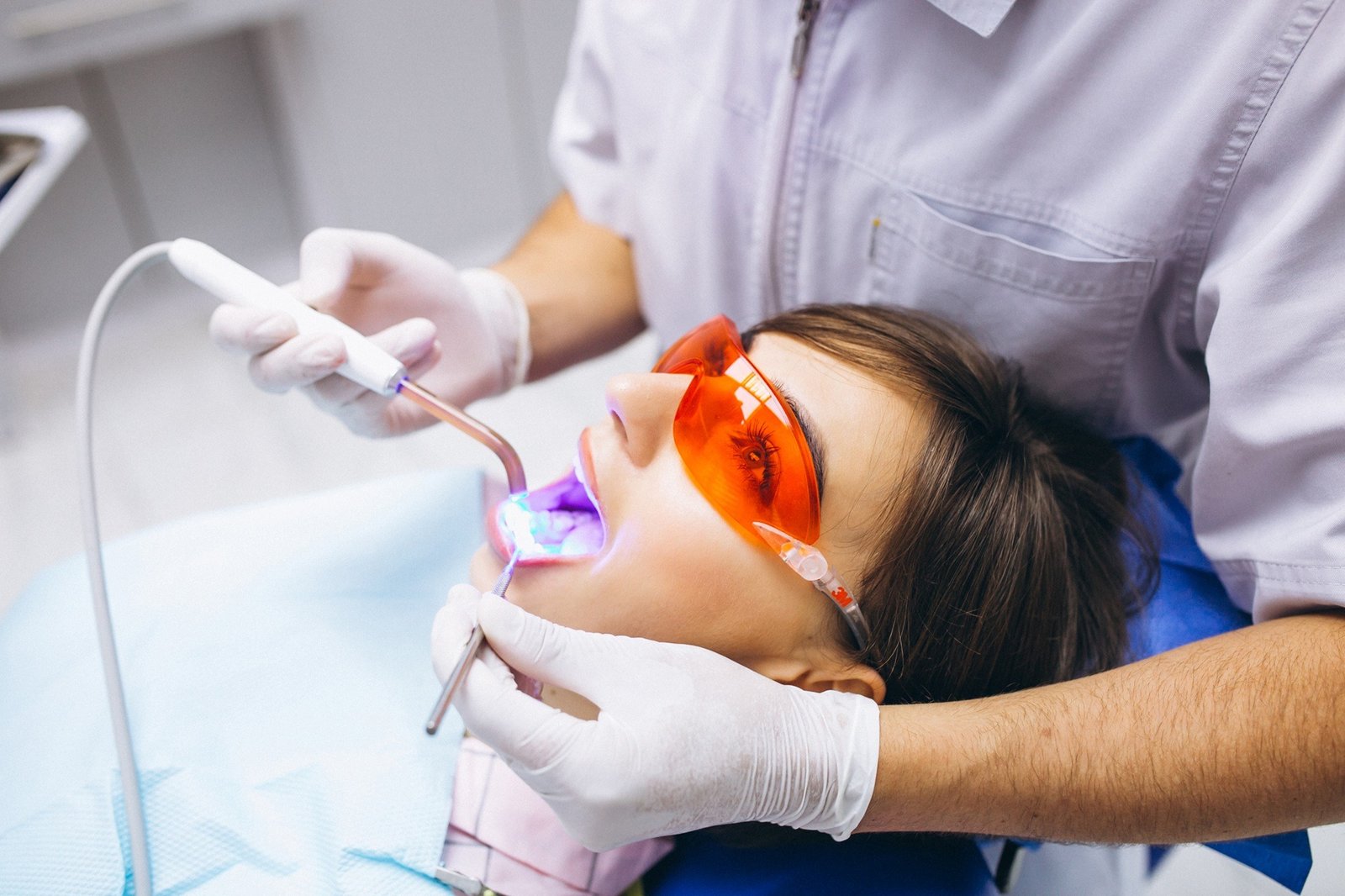
Even with a diligent at-home oral care routine, nothing can replace the value of regular dental check-ups. Routine visits to the dentist help ensure that your teeth and gums stay healthy by catching problems early before they develop into more serious conditions.
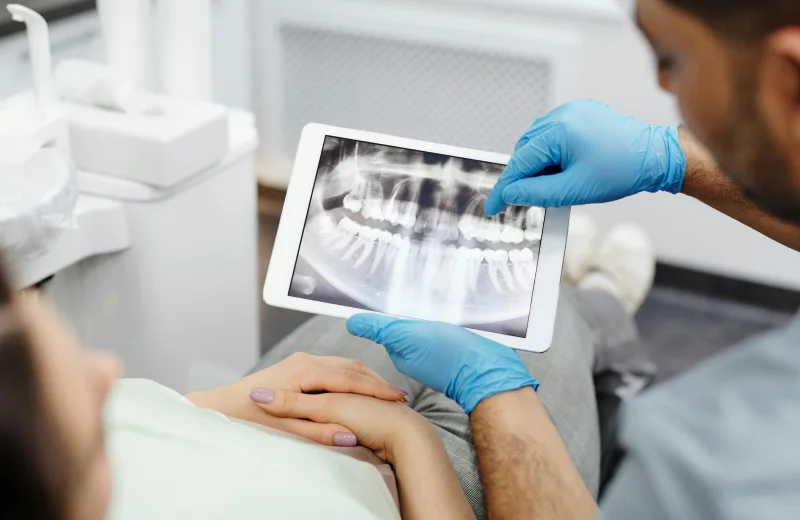
During your check-up, your dentist will perform a comprehensive examination of your teeth and gums, checking for early signs of gum disease and other dental issues. X-rays may also be taken to spot cavities that are hidden between your teeth or beneath the surface of your enamel. Early detection allows your dentist to treat issues before they worsen, which can save you from expensive treatments later on.
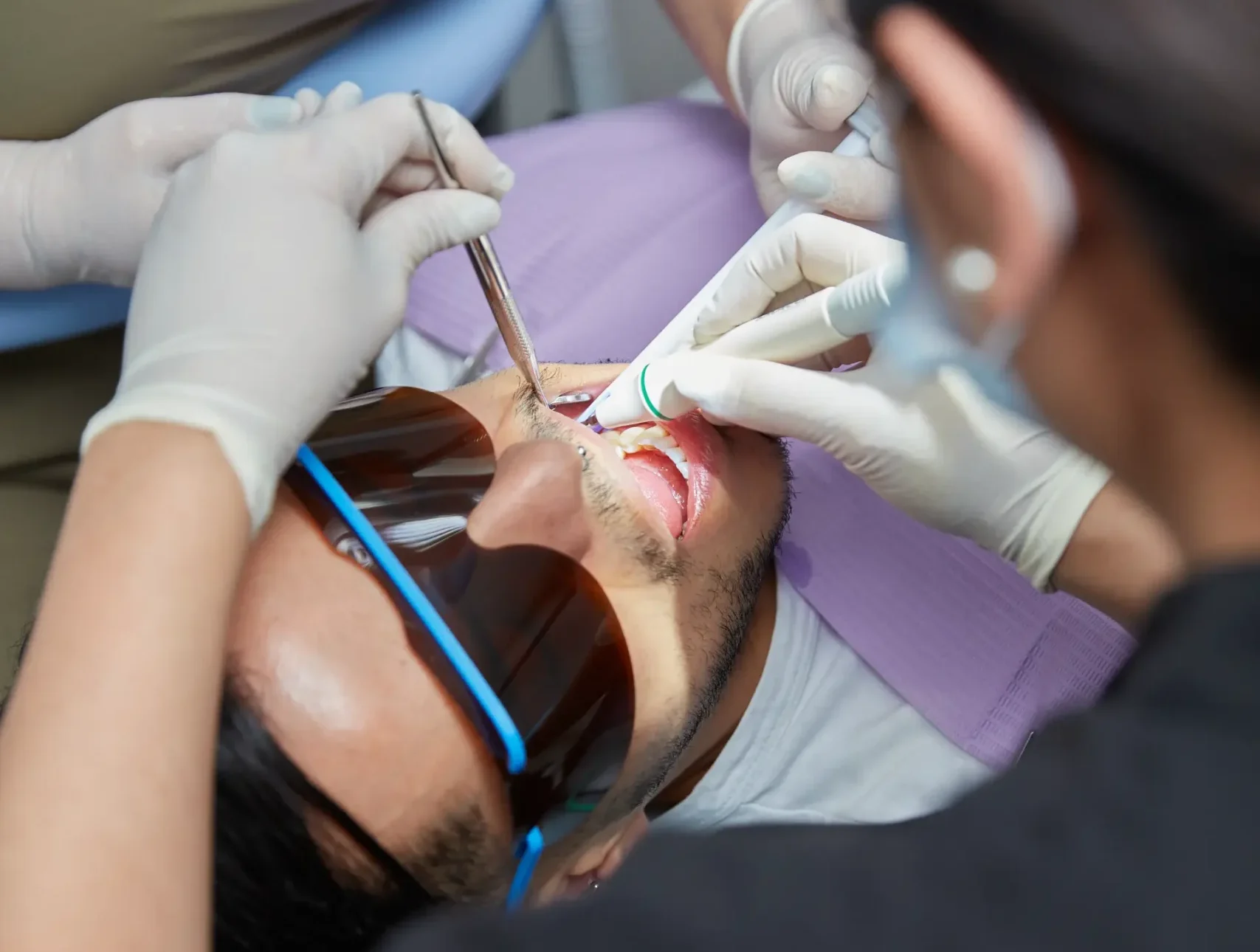
Additionally, professional cleaning is an essential part of a check-up. Even with regular brushing and flossing, plaque can build up in areas that are difficult to reach. A professional cleaning removes this plaque and tartar, helping to prevent gum disease and decay. Dentists will also advise you on any areas where you may need to improve your brushing or flossing techniques.
Visiting your dentist at least every six months ensures that your oral health remains in optimal condition, allowing you to avoid more significant, costly dental procedures in the future. Don’t wait for a cavity to form! Schedule an appointment with Burwood Diamond Dental today to keep your teeth healthy, happy, and cavity-free.
Debunking Common Myths About Cavity Prevention
Despite the wealth of information available, several myths about cavity prevention still persist. It’s essential to separate fact from fiction to ensure that you’re taking the right steps toward a cavity-free smile.
Myth 1: “Brushing More Often Prevents Cavities”
One common misconception is that brushing more frequently or brushing harder can prevent cavities. While brushing is crucial, over-brushing or brushing too aggressively can cause gum recession and enamel erosion. It’s important to brush twice a day using a soft-bristled toothbrush and avoid applying excessive pressure while brushing. Proper technique is more important than brushing more often.
Myth 2: “Sugar is the Only Cause of Cavities”
Many people believe that sugar is the only culprit behind cavities. While sugar does contribute significantly to cavity formation, other factors, such as acidic foods, poor oral hygiene, and dry mouth, also play a role. Acidic foods like citrus fruits, coffee, and soda can weaken tooth enamel, making it easier for bacteria to cause cavities. The key to preventing cavities is a balanced diet and good oral hygiene.
Myth 3: “If My Teeth Don’t Hurt, I Don’t Need a Check-Up”
A common myth is that if you’re not experiencing pain or discomfort, you don’t need to see the dentist. Unfortunately, cavities often form without causing any pain, especially in the early stages. By the time a cavity becomes painful, it may already be large enough to require a filling or other invasive treatments. Regular dental check-ups ensure that issues are caught early, even when you don’t feel any pain.
Frequently Asked Questions About Cavity Prevention
Can I Visit the Dentist Less Than Every 6 Months?
While the standard recommendation is to visit the dentist every six months, some people may need more frequent visits. Those at higher risk of cavities, such as smokers, individuals with dry mouth, or those with a history of gum disease, may require more frequent check-ups. It’s important to follow your dentist’s recommendations based on your personal oral health needs.
How Do I Know If I’m At High Risk for Cavities?
If you frequently consume sugary or acidic foods, have a dry mouth, or experience gum recession, you may be at higher risk for cavities. Children, teenagers with braces, and seniors are also at higher risk due to the changing nature of their teeth and gums. A Caries Management by Risk Assessment (CAMBRA) evaluation can help your dentist assess your risk level and create a personalised prevention plan.
Do I Need to Floss if I Brush My Teeth?
Yes, brushing alone is not enough to fully clean your teeth. Flossing helps remove plaque and food particles from between your teeth and along the gumline, areas where a toothbrush can’t reach. Flossing daily is an essential step in preventing cavities and maintaining healthy gums.
Is Fluoride Safe for My Teeth?
Fluoride is a naturally occurring mineral that strengthens tooth enamel, making it more resistant to cavities. It is safe for both children and adults when used as directed. Fluoride is found in most toothpastes and water, and additional treatments can be applied by your dentist to enhance protection against decay.
Conclusion: Your Path to Cavity-Free Teeth
Preventing cavities is essential for maintaining a healthy and confident smile. By following the proper oral hygiene routine, reducing your consumption of sugary and acidic foods, and scheduling regular dental check-ups, you can effectively protect your teeth from decay. Don’t let cavities disrupt your oral health. Start incorporating these preventive measures into your daily routine and make your dental visits a priority.
If you haven’t had your check-up recently, contact Burwood Diamond Dental today! Our expert team can provide you with personalised advice and treatments to ensure that your teeth stay strong and cavity-free for years to come. Take the first step towards maintaining a beautiful smile and preventing tooth decay. Schedule your appointment now.