Dental implants are an advanced and highly effective solution for replacing missing teeth, offering a long-term restoration that looks and functions like natural teeth. If you’re considering dental implants, you may be wondering about the procedure, the benefits, and how they will work to restore your smile. Dental implants are not just about aesthetics; they also provide significant oral health benefits, helping preserve your jawbone and restoring your ability to eat, speak, and smile confidently.
We will tell you how dental implants work, covering everything from the procedure and benefits to the healing process and aftercare. Whether you’re already considering getting implants or just beginning your research, this article will help you understand every step of the process and how Burwood Diamond Dental in Australia can help you achieve the smile you deserve.
What Are Dental Implants?
Dental implants are titanium posts surgically placed into the jawbone to replace missing tooth roots. They serve as a stable foundation for attaching artificial teeth, such as crowns, bridges, or dentures. Titanium is chosen because it is biocompatible, meaning it naturally fuses with the bone in a process called osseointegration, creating a permanent, secure anchor for the artificial tooth.
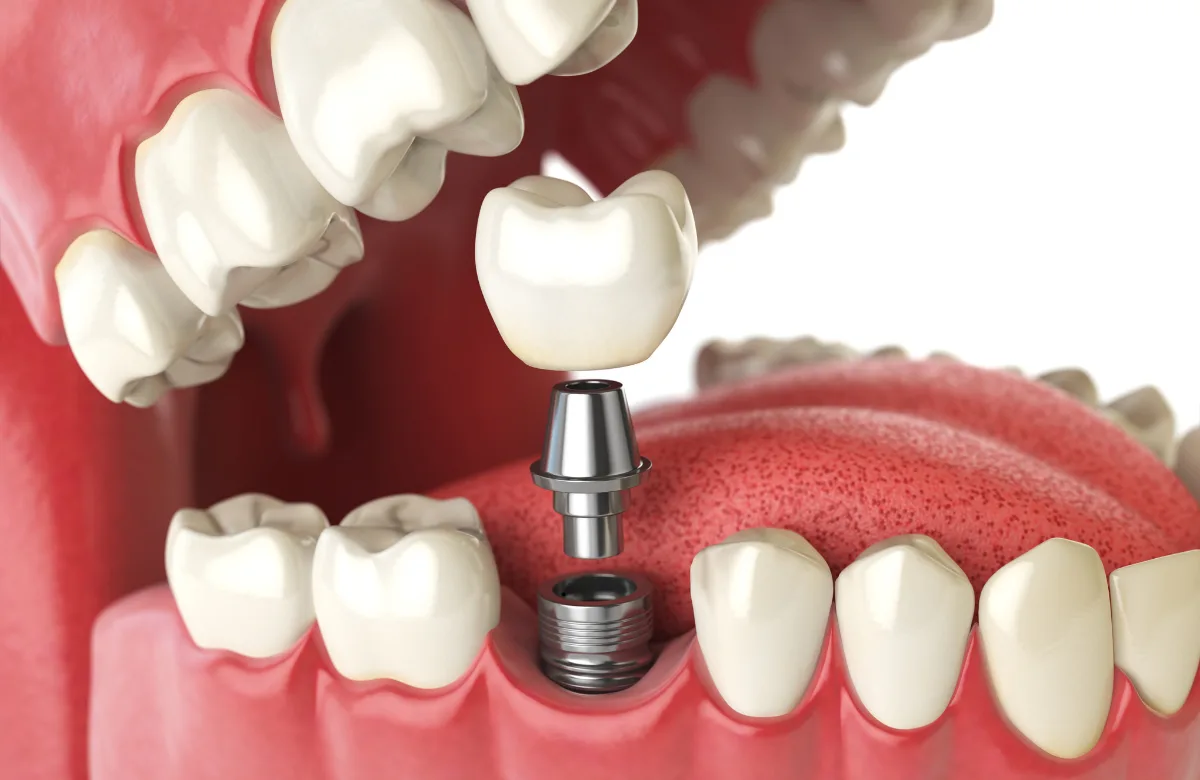
The implant consists of three main components:
- Titanium Post: The root replacement, which is inserted into the jawbone.
- Abutment: A connector piece that attaches the titanium post to the final restoration.
- Restoration: The artificial tooth, which could be a crown, bridge, or denture, is designed to mimic the natural teeth in both appearance and function.
Why Choose Dental Implants?
Dental implants offer several advantages over other tooth replacement options, such as dentures or bridges. Unlike traditional dentures, which can slip or require adhesives, implants are securely anchored to the jaw, providing a stable and reliable solution. Additionally, implants help preserve jawbone health, which can deteriorate after tooth loss.
How Do Dental Implants Work?
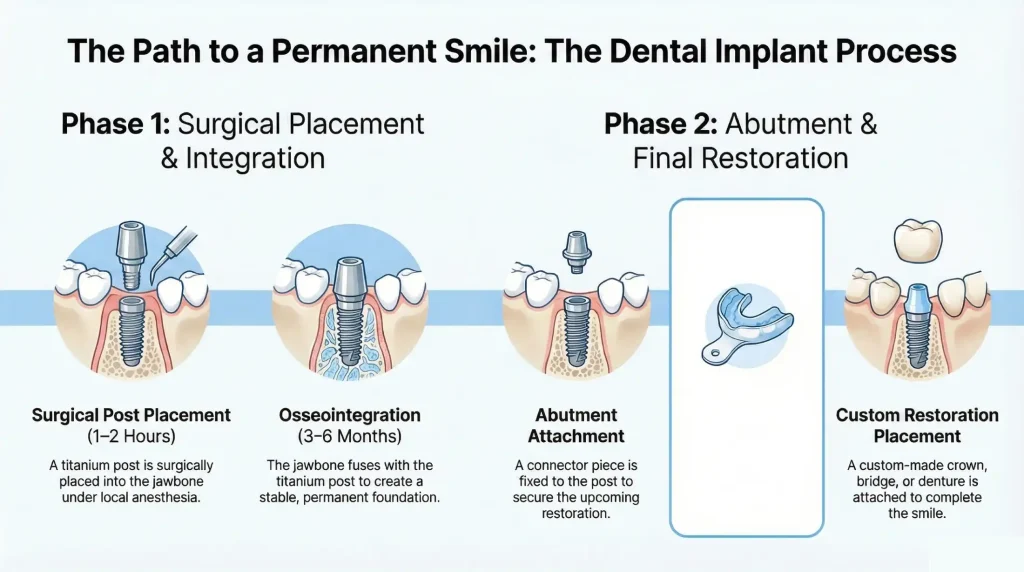
The Surgical Placement of the Implant
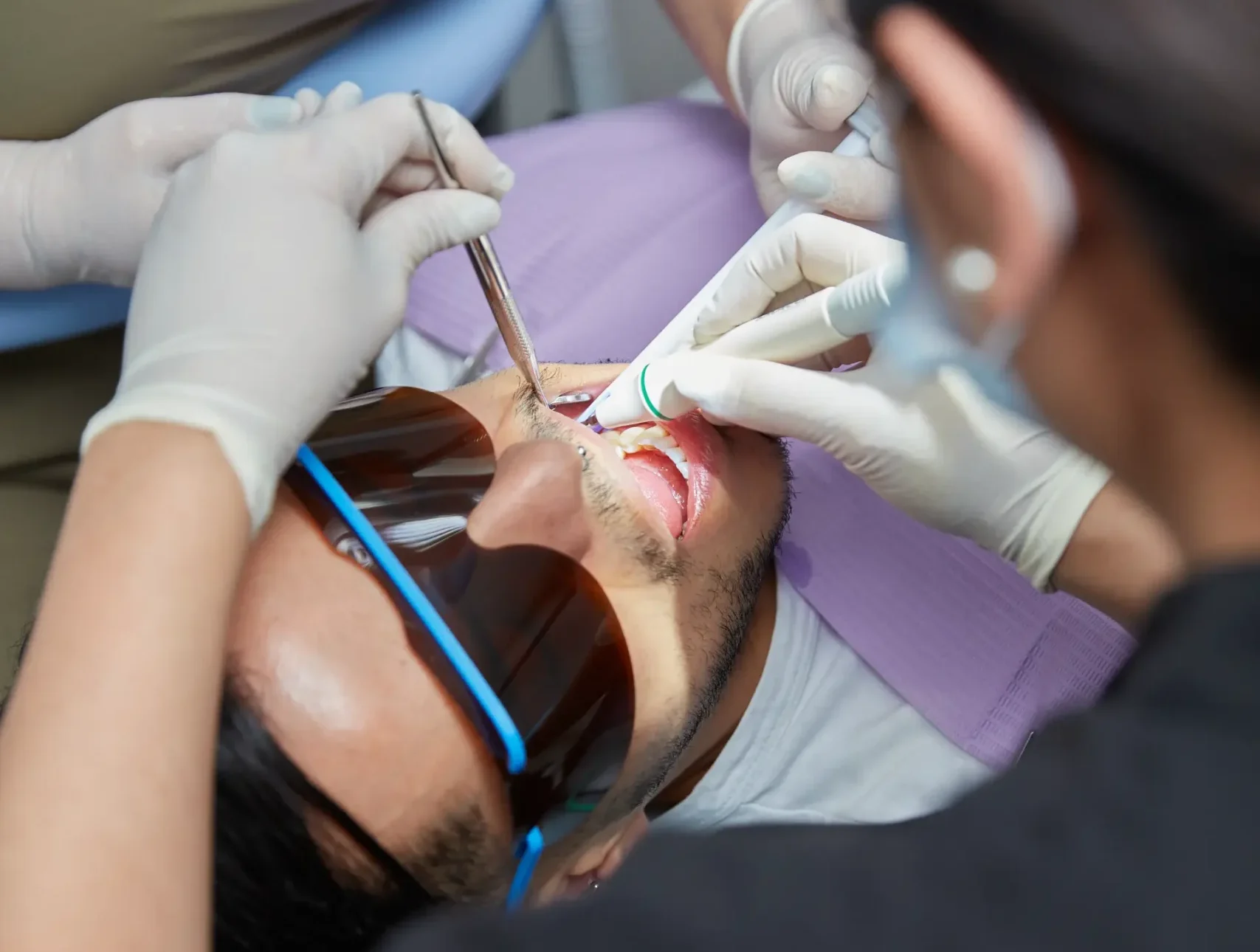
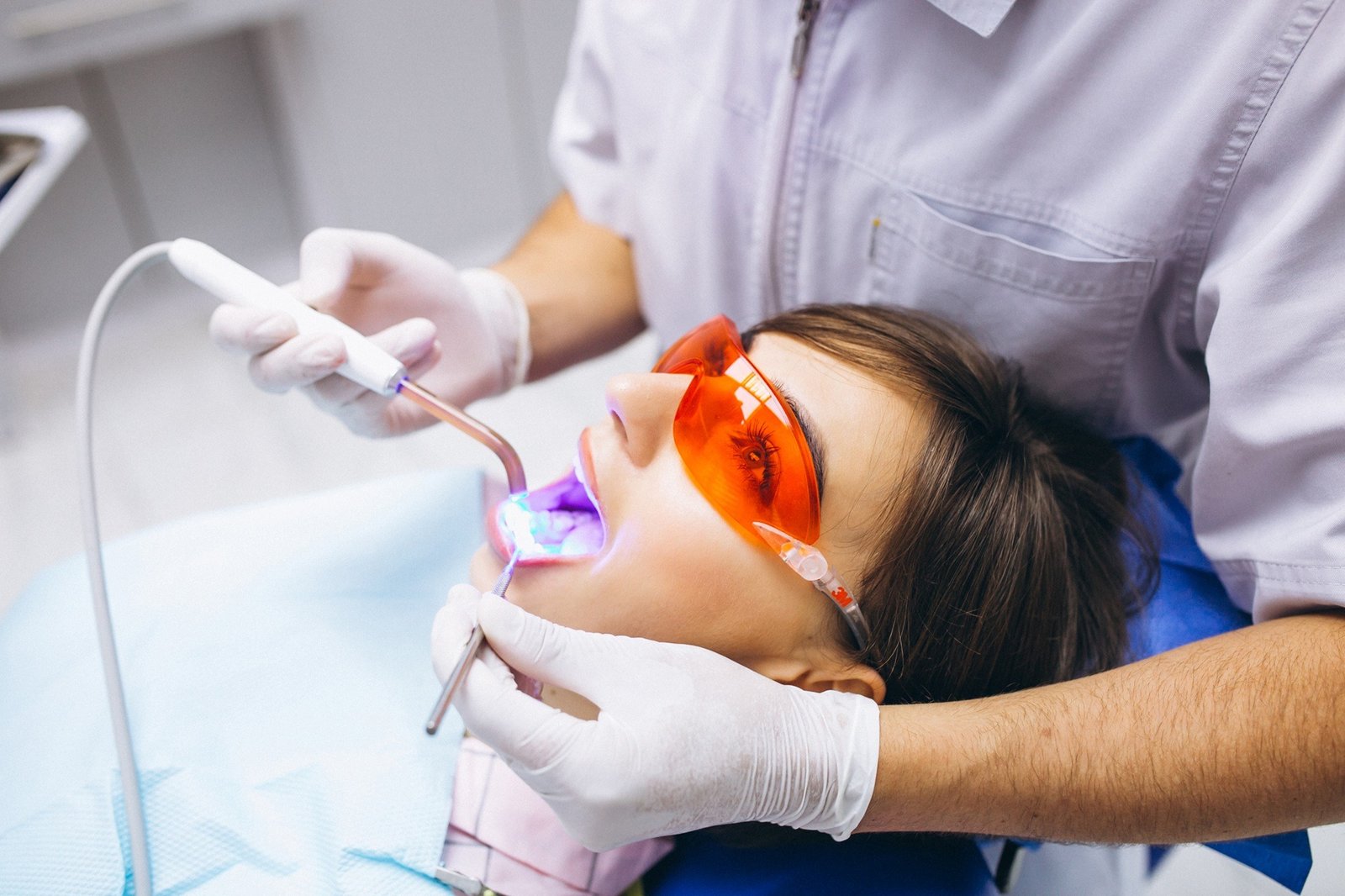
The first step in the dental implant procedure is the surgical placement of the titanium post into the jawbone. This procedure is performed under local anesthesia, which numbs the area where the implant will be placed. If necessary, additional sedation options can be provided to help patients feel more comfortable during the surgery.
The process begins with a small incision in the gum to expose the jawbone. The dentist then drills a small hole into the bone and carefully places the titanium implant into the jaw. The gum tissue is stitched back in place, and the area is allowed to heal.
- Duration: Implant surgery typically takes 1-2 hours per implant, depending on case complexity.
The Healing Process – Osseointegration
After the implant is placed, the healing process begins. This phase is crucial for the long-term success of the implant. Over the next 3-6 months, the bone gradually fuses with the titanium post in a process known as osseointegration. During this time, the jawbone grows around the implant, providing a strong, stable foundation for the future restoration.
Osseointegration is what allows the dental implant to act just like a natural tooth root. Once complete, the implant becomes fully integrated with the bone, making it a permanent part of your oral structure.
Placing the Abutment and Final Restoration
Once osseointegration is complete, the next step is to place the abutment, a small connector that attaches the titanium implant to the final restoration (crown, bridge, or dentures). The abutment securely fixes the restoration to the implant, completing the tooth replacement process.
- Crown or Restoration Placement: After the abutment is placed, your dentist will take impressions of your teeth to create a custom crown, bridge, or dentures that will blend seamlessly with your natural teeth.
- Timeline: The restoration process typically takes 1-2 weeks to fabricate, after which it is securely attached to the abutment.
After healing, an abutment is attached to the post, followed by a custom-made crown. For those missing multiple teeth, we offer full mouth dental implant procedures that can restore an entire arch with just a few strategic implants.
The Benefits of Dental Implants
Restores Natural Function and Appearance
One of the most significant benefits of dental implants is their ability to restore both function and appearance. Unlike dentures, which can slip and cause discomfort, implants are securely anchored to the jawbone, providing a stable foundation for your restoration. This allows you to chew, speak, and smile naturally without worrying about your tooth replacement shifting out of place. Additionally, implants look and feel like natural teeth, making them an ideal solution for those who want a seamless, beautiful smile.
Jawbone Preservation
When you lose a tooth, the underlying jawbone can begin to shrink over time due to a lack of stimulation from the missing tooth root. Dental implants help prevent this bone loss by mimicking the function of natural tooth roots. The titanium implant fuses with the jawbone, stimulating it and preventing deterioration. This helps maintain your facial structure and prevents the sunken-in appearance that can occur with bone loss.
Long-Term Durability
With proper care, dental implants are designed to last a lifetime. Unlike dentures, which need to be replaced after several years, implants provide a permanent solution for missing teeth. The restoration (such as a crown) may need to be replaced every 10-15 years, but the implant itself will remain intact as long as you maintain good oral hygiene and visit your dentist regularly.
High Success Rate
Dental implants have an incredibly high success rate, generally over 95%. This success rate is largely due to osseointegration, which forms a strong bond between the implant and the jawbone. Proper post-surgery care and following your dentist’s instructions help ensure a smooth recovery and long-term success.
What Does the Dental Implant Procedure Involve?
Consultation and Initial Assessment
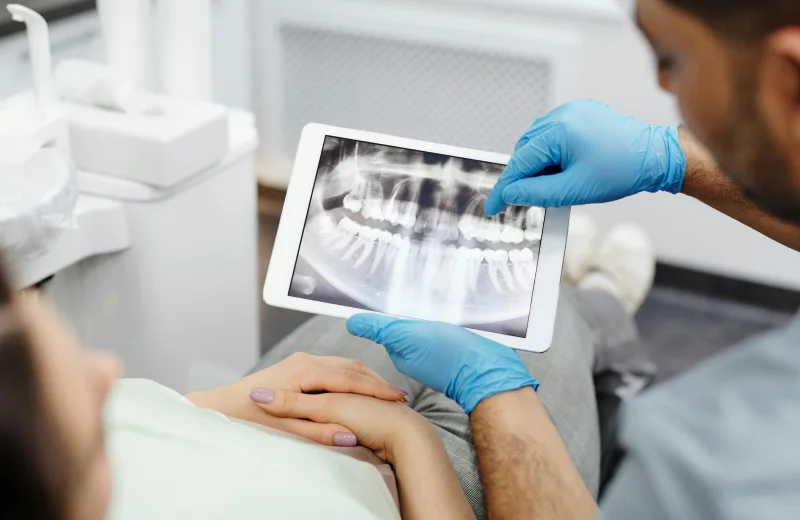
Before the dental implant procedure begins, your dentist will conduct a thorough assessment, including an oral exam, X-rays, and possibly 3D imaging to evaluate your jawbone and gums. This helps determine if you are a good candidate for implants and if any additional procedures, such as bone grafting, are necessary.
During this consultation, your dentist will discuss your medical history and any medications you may be taking. This is important to ensure the procedure can be performed safely and that any underlying conditions (such as gum disease or diabetes) are addressed beforehand.
Bone Grafting (If Necessary)
If your jawbone has deteriorated due to tooth loss, your dentist may recommend bone grafting to rebuild the bone structure before placing the implant. Bone grafting can take several months to heal, and once the bone is strong enough, the implant surgery can proceed.
- Bone Grafting Materials: Bone grafts can be made from synthetic materials, donor bone, or your own bone, depending on the specific needs of your jaw.
Implant Placement Surgery
The implant surgery is a relatively straightforward procedure that can be performed under local anesthesia. During the surgery, your dentist will make an incision in the gum tissue to access the jawbone, drill a small hole, and place the titanium post. The gum is then closed, and the area is left to heal while the bone integrates with the implant.
Dental Implant Recovery and Aftercare
Post-Surgery Care and Immediate Recovery
After your dental implant surgery, it’s normal to experience some discomfort, swelling, and bruising around the implant site. These are temporary symptoms and usually subside within a few days to a week. The first few days after the procedure are critical for your recovery, and it’s important to follow your dentist’s post-surgery care instructions to ensure optimal healing.
Pain Management and Swelling
- Pain relief: Most patients experience mild discomfort after the procedure, which can typically be managed with over-the-counter pain relievers like ibuprofen or acetaminophen. In some cases, your dentist may prescribe stronger pain medications if needed.
- Swelling and bruising: Swelling around the implant area is common, especially in the first 2-3 days. Applying a cold compress to the area can help reduce swelling and provide relief. Avoid placing ice directly on your skin, wrap it in a cloth or towel to prevent skin damage.
Eating and Drinking After Surgery
For the first few days, it’s recommended that you stick to soft foods and avoid chewing on the side of the implant. Foods such as soup, yogurt, mashed potatoes, and smoothies are ideal during this initial phase. Avoid hard, crunchy, or sticky foods that can irritate the surgical site.
- Hydration: Drink plenty of fluids, but avoid using a straw as the sucking motion can dislodge the blood clot in the surgical area, which could lead to complications.
Healing and Osseointegration Process
The primary phase of recovery involves osseointegration, the process by which the titanium post fuses with your jawbone. This is the foundation of the success of dental implants and typically takes between 3 – 6 months. During this time, the implant becomes stable and integrated into the bone, mimicking the function of a natural tooth root.
- Bone Healing: While the osseointegration process occurs, it’s important to avoid placing unnecessary stress on the implant site. Activities like heavy chewing or rigorous exercise should be minimised during this period.
- Follow-Up Appointments: After the initial surgery, you will have follow-up appointments with your dentist to monitor your progress and ensure that the implant is healing correctly. These appointments are crucial for the long-term success of the implant.
Placing the Abutment and Final Restoration
Once osseointegration is complete and the jawbone has healed, the next step is placing the abutment. This small connector piece attaches the implant post to the final restoration (crown, bridge, or denture).
Abutment Placement Procedure
The abutment placement is typically a minor procedure. Your dentist will make a small incision in the gum tissue above the implant to expose the titanium post. The abutment is then securely placed onto the implant. Once the abutment is in place, your dentist will take impressions of your mouth to create a custom restoration that will fit perfectly over the implant.
- Healing Time: The area around the abutment may need a couple of weeks to heal. During this time, you should follow your dentist’s instructions regarding diet, brushing, and oral care.
Restoration Placement
Once the abutment has been placed and the gums have healed, the final restoration (such as a crown, bridge, or denture) will be custom-made and attached to the abutment. The restoration is designed to blend seamlessly with your natural teeth, restoring both appearance and function.
- Duration: The creation of the final restoration typically takes 1-2 weeks, depending on your case’s complexity. After it’s made, it’s securely placed over the abutment, and you’ll be able to enjoy your new, fully functional tooth replacement.
The Benefits of Dental Implants
Natural Feel and Look
Dental implants provide a natural-looking and functional restoration for missing teeth. Because they fuse directly with the jawbone, they feel just like natural teeth, allowing for improved comfort and confidence when eating and speaking.
- Aesthetic Benefits: Implants are custom-designed to match the color, shape, and size of your natural teeth, offering a seamless integration into your smile. They restore the natural contour of your face and help you avoid the sunken-in appearance often associated with missing teeth.
Jawbone Preservation
A major benefit of dental implants is their ability to preserve jawbone density. When you lose a tooth, the jawbone beneath it can deteriorate over time due to a lack of stimulation. Implants, however, stimulate the bone just like natural tooth roots, helping to preserve and even strengthen the jawbone. This also helps prevent facial sagging and sunken cheeks caused by bone loss.
Durability and Longevity
One of the most frequent questions we hear is, How long do dental implants last? Dental implants are known for their longevity. With proper care, implants can last a lifetime, unlike dentures or bridges, which typically need to be replaced after several years. The titanium post and implant integration ensure a durable, permanent foundation for your restoration, giving you peace of mind that your implants will function well for years to come.
- Long-Term Cost-Effectiveness: Although dental implants may have a higher upfront cost, their longevity and lack of ongoing replacement costs make them a more cost-effective option in the long run.
Improved Quality of Life
Dental implants restore your ability to eat and speak naturally, which can significantly improve your overall quality of life. Unlike dentures, which can slip or cause discomfort, implants provide a stable foundation for crowns or bridges, allowing you to enjoy your favorite foods and speak clearly without worrying about your restoration shifting.
Restoring your smile is an investment in your confidence and health. At Burwood Diamond Dental, we specialize in high-quality implant dentistry. Whether you need a single tooth replacement or a complete smile makeover, our team is here to guide you through every step of the treatment.
Risks and Considerations
Potential Complications
While dental implants have a high success rate, there are some risks involved with the procedure. These risks can include:
- Infection: Although rare, infection at the implant site can occur and may require antibiotics or further treatment.
- Nerve Damage: If the implant is placed too close to nerves, there is a risk of nerve damage, which may cause pain, numbness, or tingling in the gums, lips, or chin.
- Implant Failure: In some cases, the implant may not successfully integrate with the bone, failing. This is often caused by factors such as poor oral hygiene, smoking, or pre-existing gum disease.
Healing Time
The healing process for dental implants is relatively long, as it takes 3-6 months for the bone to fully fuse with the implant during osseointegration. While this process is essential for the implant’s success, it means the full procedure takes several months to complete.
Frequently Asked Questions (FAQs)
1. How long do dental implants last?
Dental implants are designed to be a long-term solution and can last 20 years or more with proper care. The titanium post used in implants integrates with your jawbone, making it a permanent solution for missing teeth. The restoration (crown or bridge) may need replacement after 10-15 years, but the implant itself can last a lifetime.
2. Are dental implants painful?
The dental implant procedure is generally not painful because local anesthesia is used during the surgery. After the procedure, patients may experience mild discomfort, swelling, and bruising, but these symptoms are typically short-lived and can be managed with pain medication prescribed by the dentist.
3. How much do dental implants cost?
The cost of dental implants typically ranges from $3,000 to $6,000 per implant, depending on factors like the type of restoration, the need for bone grafting, and the location of the dental practice. Full-mouth implant treatments such as the All-on-4 procedure can cost between $15,000 and $30,000. It’s best to schedule a consultation for a more accurate estimate.
4. Will my dental insurance cover the cost of dental implants?
Most dental insurance plans offer partial coverage for the implant procedure, but it often does not cover the full cost. Coverage may be available for pre-surgery services like X-rays and bone grafting, but implant surgery and restoration are typically not fully covered. Financing options and payment plans may be available to help manage the cost.
5. How long is the recovery time for dental implants?
The recovery time for dental implants varies depending on the procedure and healing process. After the initial surgery, patients typically experience 3-7 days of mild swelling and discomfort. The osseointegration process, where the implant fuses with the bone, takes 3-6 months. Once this phase is complete, the final restoration can be placed, and the recovery is generally fast with minimal discomfort.