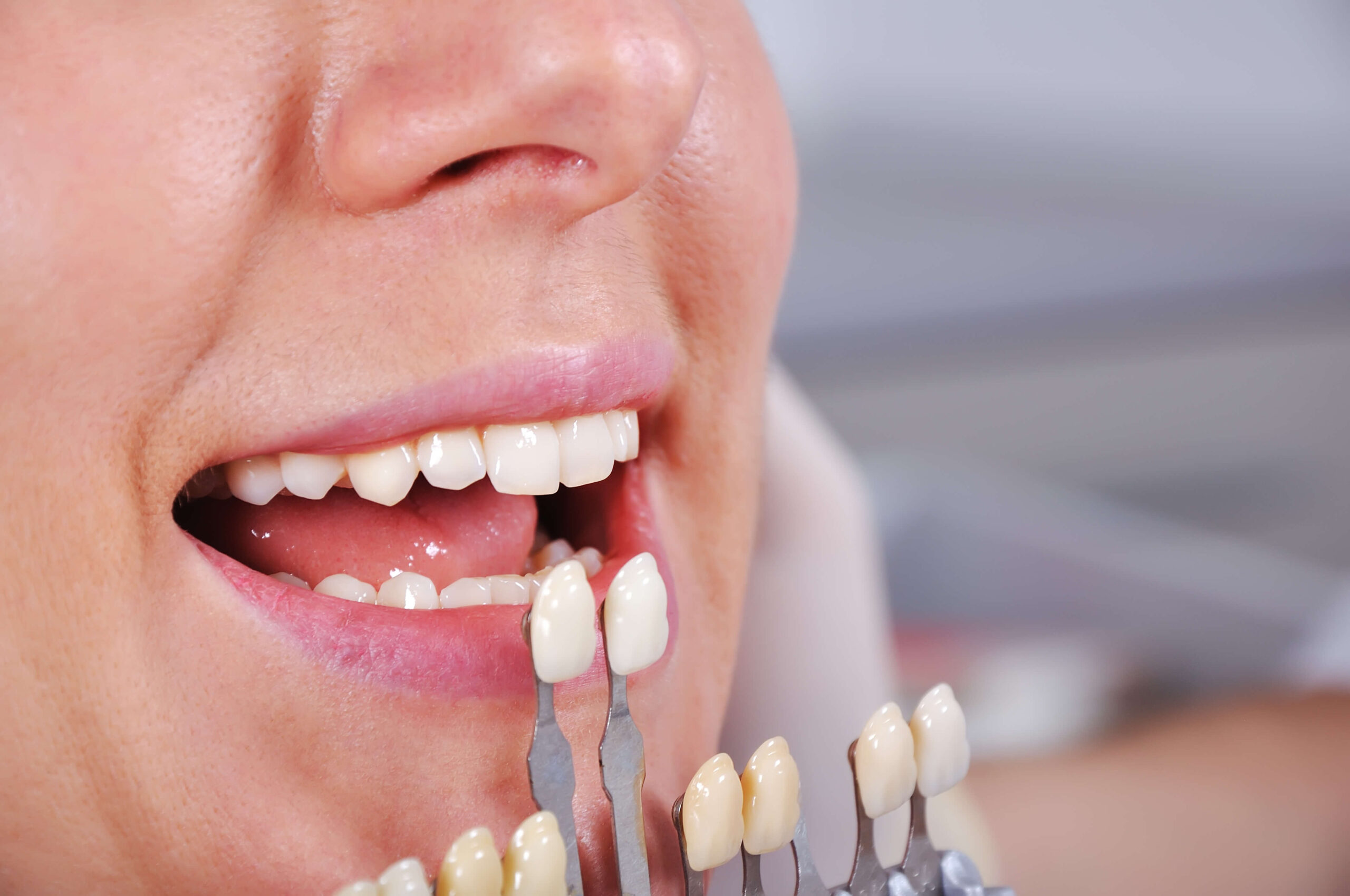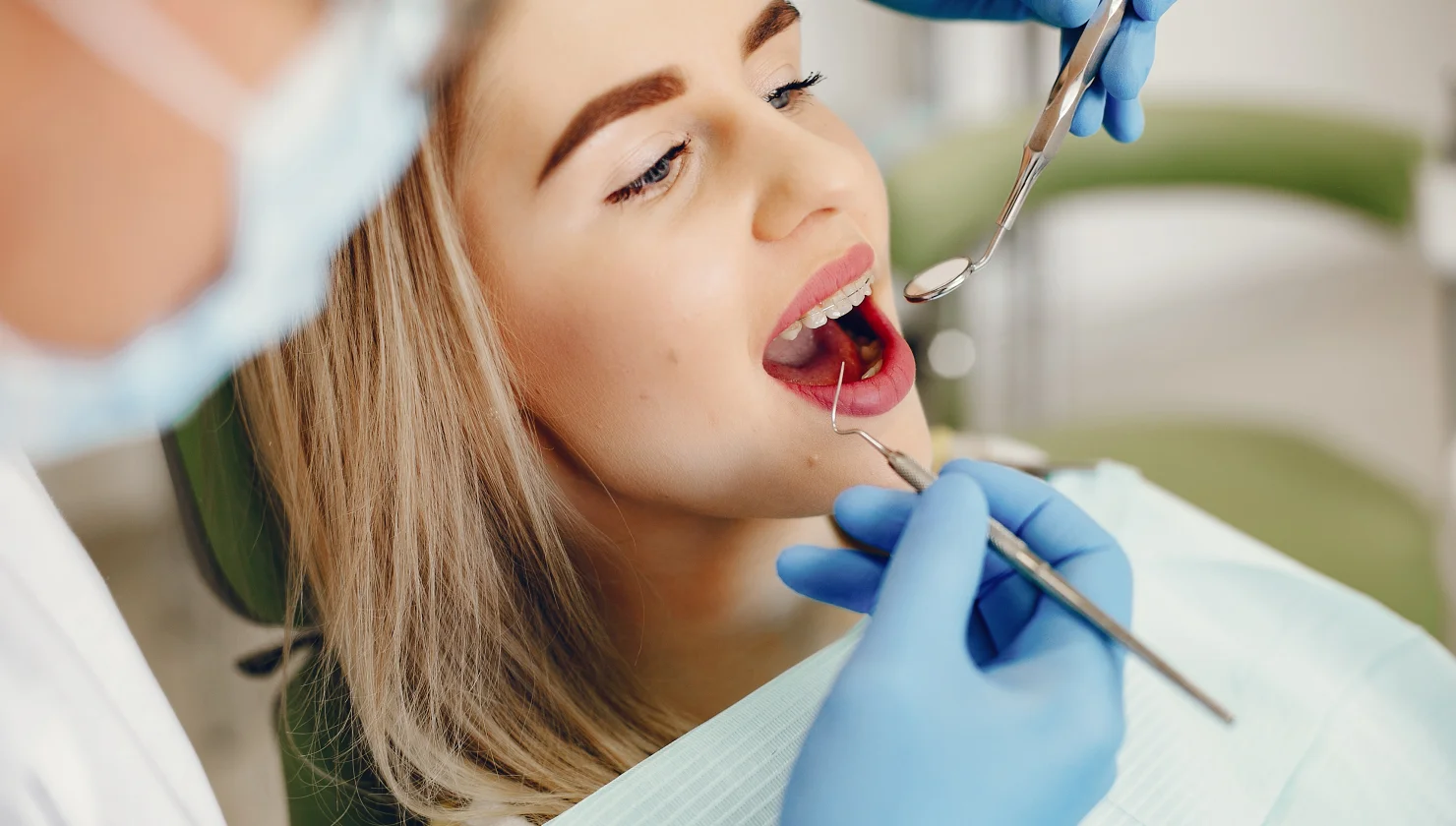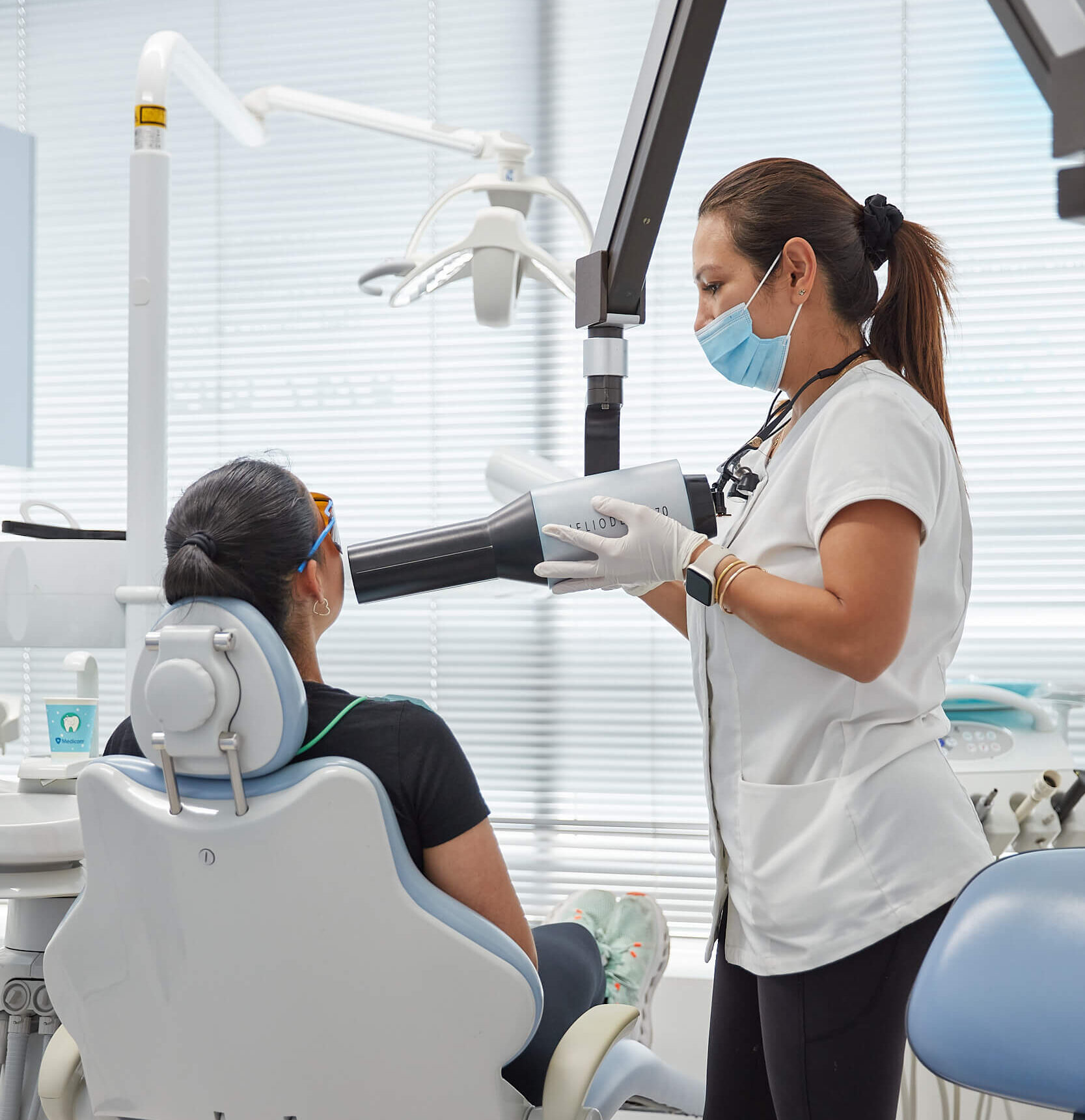
The general rule is that you should wait at least 48 hours before drinking coffee after a teeth whitening treatment. This two-day window is known as the critical period because your tooth enamel remains porous and temporarily loses its protective protein layer during the bleaching process. If you introduce dark pigments from a flat white or long black during this time, the stains can sink deep into the tooth structure, effectively reversing the results of your treatment. For the best outcome, we recommend sticking to the White Diet until this 48-hour window has passed and your enamel has had the chance to fully re-seal and remineralise.
Why Your Teeth are Vulnerable After Whitening
The reason you need to be careful after whitening is rooted in how the bleaching process works. When we apply peroxide to your teeth, it temporarily thins the acquired pellicle, which is a thin protein layer that normally protects your enamel. Furthermore, the whitening process causes a temporary state of dehydration and opens up the dentinal tubules, thousands of microscopic pores in your teeth. For the first 24 to 48 hours, these windows are wide open, making it extremely easy for dark pigments to sink deep into the inner layers of the tooth. If you introduce a dark, acidic liquid like coffee during this time, the staining agents can penetrate much deeper than they usually would, potentially ruining your results in a single afternoon. While home care is important, it cannot remove hardened tannins that have bonded to the enamel; how often should you visit the dentist for a professional scale and clean to keep your whitening results fresh.
Dehydration and Porosity in Post-Whitening Enamel
Whitening is a chemical reaction that removes moisture from the tooth structure as it lifts away stains. This dehydration is part of why some people feel sensitivity, but it also means the tooth is actively looking to reabsorb moisture from its environment. Since your saliva is the primary source of rehydration, your teeth will literally soak up whatever liquid is in your mouth. If that liquid is dark coffee, the pigments are pulled into the tooth structure along with the moisture. It takes about two days for your saliva to naturally remineralise the surface and close those microscopic pores back up.
Why Coffee is a Triple Threat
Coffee contains a high concentration of chromogens, dark pigments that love to stick to dental enamel. It is also loaded with tannins, which are organic compounds that increase the ability of those pigments to attach to your teeth. To make matters worse, coffee is acidic. Acid softens the enamel slightly, making the surface even more prone to holding onto stains. This combination of being dark, sticky, and acidic is why coffee is much more dangerous for a white smile than other drinks. Understanding this chemistry helps you see why the first 48 hours are so vital for the longevity of your treatment.
The 48-Hour Rule and the White Diet
The most important rule we give our patients at Burwood Diamond Dental is to follow the White Diet for at least 48 hours after their session. This is the amount of time it takes for the protective pellicle layer to reform and for the teeth to fully rehydrate. During this window, you should only consume foods and drinks that would not stain a white shirt. While it might feel restrictive for a couple of days, it is the best way to ensure that the bright shade we achieved in the clinic becomes permanent. If you can commit to these 48 hours, the chances of your smile staying bright for months or years increase significantly.
The White Diet Explained: Safe, Non-Staining Foods
To make the White Diet easier to follow, focus on pale or clear foods that lack strong natural or artificial dyes. This includes proteins like skinless chicken breast, white fish, and egg whites. For sides, you can enjoy white rice, white pasta with creamy white sauces (no red sauce!), peeled potatoes, and cauliflower. For breakfast, white yogurt and bananas are safe choices. By sticking to this white-on-white menu, you eliminate the risk of any accidental staining while your enamel is in its most porous and vulnerable state.
Hidden Staining Culprits to Avoid
While coffee is the main concern for most, several other common items can be just as damaging during the 48-hour recovery period. Many Sydney residents enjoy Asian fusion or Mediterranean food, but you must stay away from soy sauce, balsamic vinegar, and turmeric, as these are incredibly high in pigments. Even some healthy options like blueberries, beets, and dark leafy greens should be avoided for two days. A good rule of thumb: if it would leave a stubborn stain on a white tablecloth, it will leave a stubborn stain on your newly whitened teeth.
Safe vs. Risky Options Post-Whitening
| Category | Safe (White Diet) | Risky (Avoid for 48 Hours) |
| Drinks | Water, Milk, Coconut water | Coffee, Tea, Red wine, Cola |
| Protein | Chicken, Turkey, White Fish | Beef, Salmon, Soy-marinated meats |
| Grains | White Bread, White Rice, Pasta | Wholemeal bread, Brown rice |
| Vegetables | Cauliflower, Peeled Potatoes | Carrots, Spinach, Beets, Broccoli |
| Condiments | Salt, White Pepper, Garlic | Soy sauce, Ketchup, Turmeric, Mustard |
How to Safely Drink Coffee After Whitening
We know that for many people in Burwood, going 48 hours without a coffee feels nearly impossible. If you simply cannot wait for that two-day window to close, there are several harm reduction strategies you can use to minimise the damage. The goal here is to reduce the amount of time the coffee pigments spend in contact with your upper front teeth, the smile zone. While these methods are not as safe as avoiding coffee entirely, they provide a much-needed compromise for the dedicated caffeine lover. By changing how you drink your coffee, you can satisfy your craving while still protecting the results of your treatment.
The Straw Method: Bypassing the Smile Zone
The simplest way to protect your teeth is to use a straw. When you sip coffee from a standard mug or a take-away lid, the liquid washes directly over your front teeth before you swallow. By using a straw and placing it toward the middle or back of your tongue, you allow the coffee to bypass your front enamel entirely. This is especially effective for iced lattes or cold brews. While it may feel a bit strange to drink a hot flat white through a straw, it is a small price to pay to keep those pigments from settling into your newly opened pores.
Dilution Strategies: The Power of Milk
The blackness of coffee comes from its high concentration of chromogens. By adding a significant amount of milk, whether it is dairy, almond, or oat milk, you dilute these pigments and reduce the overall staining potential of the drink. A milky latte or a white coffee is significantly less likely to leave a dark residue than a straight double espresso or a long black. However, keep in mind that even white coffee still contains tannins, so while it is a better choice, it is still not entirely stain-proof.
Rinsing and Neutralising with Water
Water is your best friend during the recovery phase. After every few sips of coffee, take a sip of plain water and swish it around your mouth. This helps to neutralise the acidity of the coffee and physically wash away any pigments that are trying to cling to your enamel. It prevents the coffee from sitting on the tooth surface for long periods. Ideally, you should finish your coffee quickly rather than sipping it over several hours; the shorter the exposure time, the less chance the tannins have to do their work.
Long-Term Maintenance: Keeping Your Smile Bright in Burwood
Once you have moved past the initial 48-hour window, the focus shifts to maintaining that brilliance for the long haul. Coffee consumption is a cumulative habit, meaning that tiny amounts of staining add up over months and years. You don’t have to quit your local café habit, but you do need a maintenance plan. At Burwood Diamond Dental, we emphasise that whitening treatment is not a one-time event but a part of your ongoing oral health routine. With the right habits, you can enjoy your daily brew and keep your teeth looking professional-grade white.
Professional Cleaning vs. DIY Whitening
Many people think they need to re-whiten their teeth every time they see a bit of coffee staining. However, most coffee stains are extrinsic, meaning they sit on the surface of the enamel. A professional scale and clean at our clinic is often enough to remove these surface tannins without the need for more bleaching. Our hygienists use specialised tools to buff away the film that coffee leaves behind, which often makes the teeth look a shade or two brighter instantly. We recommend a professional clean every six months for heavy coffee drinkers to keep the surface clear and smooth.
The Role of Professional Touch-Up Kits
For those who drink multiple coffees a day, we often recommend a professional at-home touch-up kit. Unlike generic supermarket strips, these kits use custom-fitted trays made in our lab. Once every few months, or before a big event, you can wear your trays for a single session to lift away any deep-seated coffee pigments that have accumulated. This maintenance whitening is much gentler on your teeth than a full treatment and ensures that your smile never has the chance to fade back to a dull yellow.
Choosing the Right Anti-Stain Toothpaste
Not all whitening toothpastes are created equal. Many of the ones you find on the shelf are highly abrasive, using grit to scrub away stains. For regular coffee drinkers, this can be a disaster; the grit creates micro-scratches in your enamel, which actually makes it easier for coffee stains to get trapped in the future. Instead, look for toothpastes that use enzymes or gentle chemical agents to break down surface film. We can recommend specific, low-abrasion pastes that protect your enamel while keeping the daily coffee buildup at bay.
| Maintenance Tip | Frequency | Why it Works |
| Water Rinse | After every coffee | Flushes away tannins before they stick. |
| Professional Clean | Every 6 months | Removes hardened surface stains and plaque. |
| Touch-Up Trays | Every 3-6 months | Deep-cleans the internal enamel structure. |
| Soft Brushing | Twice daily | Keeps the surface smooth to resist new stains. |
Common Misconceptions About Coffee and Teeth
Even among the most dedicated coffee lovers, several myths persist about how caffeine affects dental aesthetics. Many people believe they can outsmart the staining process with certain habits, but some of these can actually do more harm than good. At Burwood Diamond Dental, we believe that education is the key to a long-lasting smile. By understanding the truth behind these common misconceptions, you can make better choices for your enamel without falling for hacks that don’t actually work.
Black Coffee is Better Than Milk Coffee
There is a common belief that because black coffee doesn’t have sugar or dairy, it must be cleaner for your teeth. From a staining perspective, this is the opposite of the truth. Black coffee is highly concentrated with chromogens and tannins, the primary agents responsible for yellowing your teeth. Adding milk does not just change the flavor; it physically binds to some of the polyphenols in the coffee, making them less likely to stick to your enamel. While black coffee might be better for your waistline, it is significantly more aggressive on your white smile. If your stains are too deep for chemical bleaching or your enamel is naturally too thin, comparing a dental veneer vs crown may reveal a better pathway to achieving your desired aesthetic.
Whitening Toothpaste Removes Coffee Stains
As mentioned earlier, most supermarket whitening toothpastes are simply abrasive. They don’t actually whiten the internal color of your tooth; they just scrub the surface. If you are a heavy coffee drinker, using these daily can wear down your enamel over time. As the enamel gets thinner, the yellowish dentin underneath starts to show through, making your teeth look more discoloured despite your best efforts to scrub them clean. It is much better to rely on professional cleaning to manage surface stains.
I Can Drink Coffee if I Brush Immediately
This is perhaps the most dangerous myth. Coffee is acidic, which means it temporarily softens your tooth enamel upon contact. If you brush your teeth immediately after finishing a cup of coffee, you are essentially scrubbing that acid into your softened enamel, causing premature wear and erosion. The best practice is to rinse your mouth with water immediately after coffee, but wait at least 30 to 60 minutes before brushing with toothpaste. This gives your saliva enough time to neutralise the acid and allow the enamel to re-harden.
Frequent Coffee and Whitening Questions
Can I drink coffee with a straw after whitening?
Yes, using a straw is the best way to enjoy coffee during the first few days. It significantly reduces the amount of liquid that touches the front surfaces of your teeth. However, keep in mind that some liquid still swirls around the mouth, so you should still rinse with water afterward to be safe.
Does adding milk to coffee prevent staining?
It helps, but it doesn’t prevent it entirely. Milk lightens the shade of the coffee and dilutes the pigments, but the staining compounds are still present. Think of it as a lesser of two evils rather than a complete shield.
How long after whitening can I eat normally?
You should wait at least 48 hours before returning to a diet that includes dark, staining foods and drinks. After these two days, your tooth’s protective pellicle layer has reformed, and the microscopic pores have closed, making your teeth much more resistant to new stains.
What happens if I accidentally drink coffee right after whitening?
If you have a slip-up, don’t panic. Immediately rinse your mouth thoroughly with plain water to flush away as much of the pigment as possible. You can also brush gently with a soft toothbrush (no toothpaste) to move any sitting liquid. While one mistake won’t completely ruin your result, it’s best to get back on the White Diet immediately.
Protect Your Investment at Burwood Diamond Dental
At Burwood Diamond Dental, we don’t just want to give you a white smile for a week; we want you to have one for years. Our team provides every patient with a personalised post-care plan that takes your lifestyle into account. We know that for many residents in Burwood and the Inner West, coffee is a non-negotiable part of life. That’s why we offer advice that is practical and easy to follow, rather than just telling you to quit your favorite drink.
Checklist for Coffee Lovers
- First 48 Hours: Stick strictly to the White Diet. No coffee if possible!
- Day 3-7: Use a straw and add plenty of milk to your brew.
- Always: Rinse with water immediately after finishing a coffee.
- Routine: Book a professional clean every six months to buff away surface tannins.
- Advice: Avoid brushing for 60 minutes after your last sip of caffeine.