Oral health plays a critical role in our overall well-being, yet many of us tend to overlook the importance of regular dental visits. While brushing and flossing daily are essential, they aren’t enough to keep your teeth and gums in the best shape. Visiting your dentist regularly is just as important, but how often should you actually go? The answer varies depending on several factors, including your age, lifestyle, and existing oral health issues. In this comprehensive guide, we will explore why regular dental check-ups are vital, how often you should see a dentist, and how maintaining this routine can save you from future oral health problems.
Why Regular Dental Visits Are Crucial for Your Health
We all know that brushing and flossing are vital for keeping our teeth clean, but there’s more to oral health than just removing food particles and plaque. Regular dental visits are a cornerstone of good oral care, as they help detect issues early, ensuring that any potential problems are addressed before they become serious. Dentists don’t just clean your teeth – they also check for signs of gum disease, tooth decay, and even oral cancer. By scheduling check-ups regularly, you are taking a proactive approach to maintaining a healthy smile and preventing costly and painful treatments later on.
Early detection of conditions such as gum disease can help avoid tooth loss or expensive procedures like root canals or tooth extractions. In fact, many issues that may seem minor – such as a small cavity or gum inflammation – can develop into severe conditions if left untreated. Regular check-ups allow your dentist to monitor your oral health over time, provide professional cleaning to remove tartar buildup, and offer personalised advice on how to improve your oral hygiene habits.
How Often Should You Visit the Dentist? A General Rule
For most people, the standard recommendation is to visit the dentist at least every six months. This is based on a typical schedule for routine check-ups, which includes a cleaning and a thorough examination of your teeth and gums. Six-month intervals are ideal because, over time, plaque can harden into tartar, and your gums may begin showing signs of inflammation – even if you aren’t experiencing pain or discomfort. Additionally, regular check-ups help your dentist spot tooth decay and gum disease early, preventing them from worsening and leading to more complex procedures.
However, some individuals may need to visit more frequently. For example, smokers, those with diabetes, pregnant women, or individuals with a history of gum disease or cavities may be at higher risk and might require dental visits every three to four months. Your dentist will tailor your visit schedule based on your individual health needs.
Key Factors That Determine Your Ideal Dental Visit Frequency
Your dental visit frequency is not set in stone – several factors can affect how often you need to see your dentist.
Age and Dental Needs
- Children’s Dental Visits: The Australian Dental Association recommends that your child should visit a dentist before the age of 2 for their first check-up. Early visits help familiarize children with the dental office and help establish a foundation of good oral hygiene habits. These early visits are important because they allow your dentist to monitor the development of teeth and gums, and provide early interventions if necessary. Regular visits also help detect early signs of decay, which is crucial for preventing more serious issues.
- Seniors: As you age, your teeth and gums can become more vulnerable to problems like gum disease, tooth decay, and oral cancer. Seniors may need more frequent visits, especially if they have existing dental conditions or wear dentures. Regular visits will ensure that any changes in your oral health are noticed and addressed early, helping to maintain a good quality of life.
High-Risk Groups
Certain groups of people are at a higher risk for dental problems, including:
- Smokers: Smoking can lead to gum disease, oral cancer, and tooth staining. Smokers may need more frequent check-ups to keep track of potential oral health issues.
- Pregnant women: Pregnancy can trigger hormonal changes that affect the gums, leading to a condition known as pregnancy gingivitis. This makes it essential for pregnant women to visit the dentist more frequently to ensure healthy gums and teeth during pregnancy.
- People with Diabetes: Diabetes increases the risk of developing gum disease and can also affect the healing process. Regular dental check-ups help keep diabetes-related oral health issues under control.
Special Conditions and Treatments
For people with braces, dental implants, or those recovering from oral surgery, it’s important to visit the dentist more frequently to ensure that everything is healing properly. Additionally, people who receive fluoride treatments or sealants to protect their teeth may require follow-up visits every few months to assess their effectiveness.
The Benefits of Regular Dental Check-Ups
Preventing Tooth Decay and Gum Disease
One of the most significant benefits of routine dental check-ups is the prevention of tooth decay and gum disease. When you visit your dentist regularly, they can clean your teeth professionally to remove plaque and tartar that build up despite regular brushing. Plaque contains bacteria that can lead to tooth decay and gum infections. If left untreated, this can progress to serious conditions like periodontitis, which can result in tooth loss.
Early Detection of Oral Cancer
Oral cancer is one of the most serious conditions that a dentist can detect during a routine check-up. Dentists are trained to look for early signs of oral cancer, including abnormal lesions, growths, or changes in the mouth, lips, or throat. Early detection increases the chances of successful treatment, which is why oral cancer screening should be part of every routine check-up.
Long-Term Cost Savings
Regular dental visits can save you money in the long run by preventing costly procedures. Addressing minor dental issues early – such as small cavities or gum inflammation – can prevent the need for more expensive treatments like root canals or tooth extractions. Preventive care not only helps protect your smile but also reduces the financial burden of complex dental procedures.
Ready for your next check-up? Schedule your appointment with Burwood Diamond Dental now and take the first step toward healthier teeth and gums.
What Happens During a Routine Dental Check-Up?
Professional Cleaning and Plaque Removal
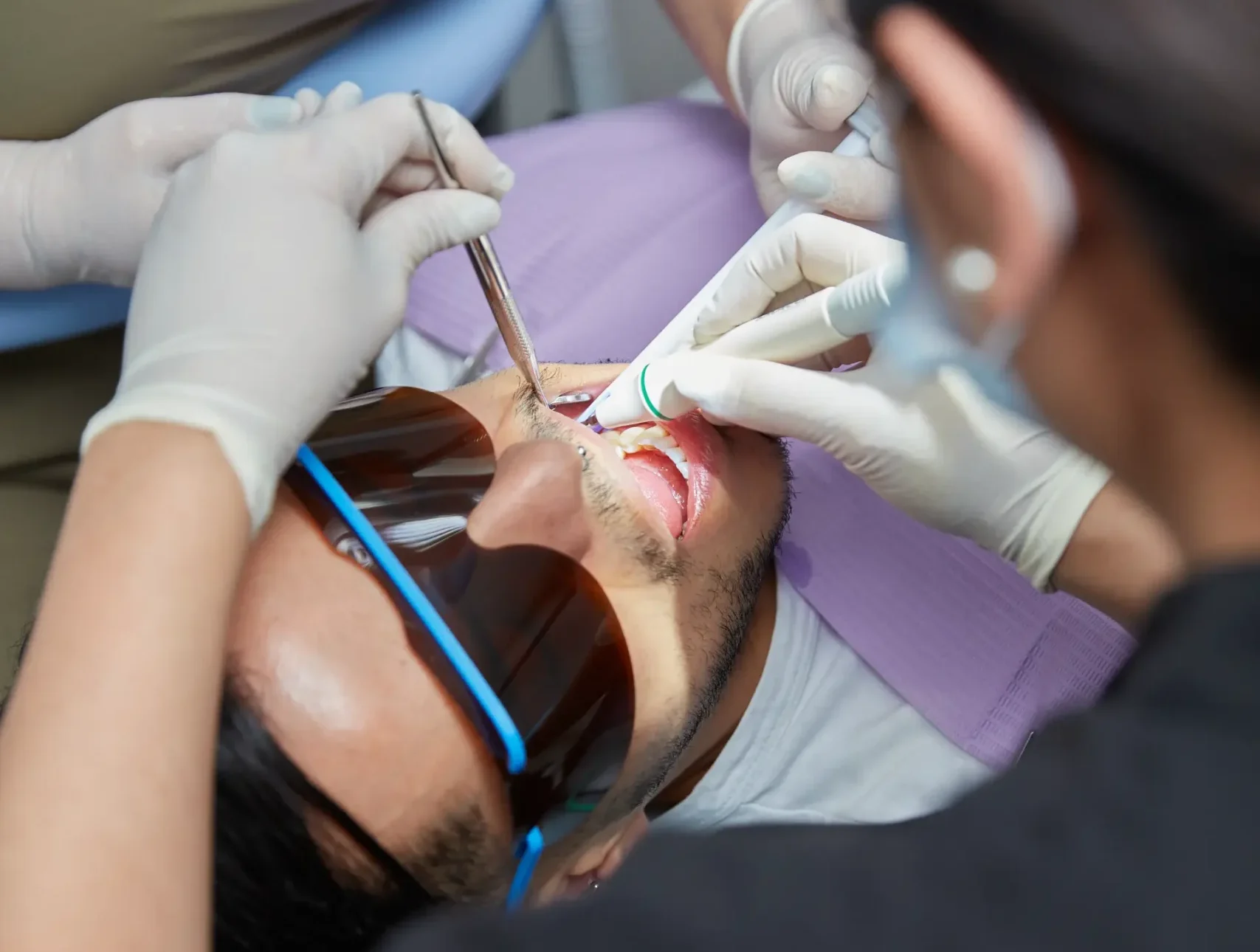
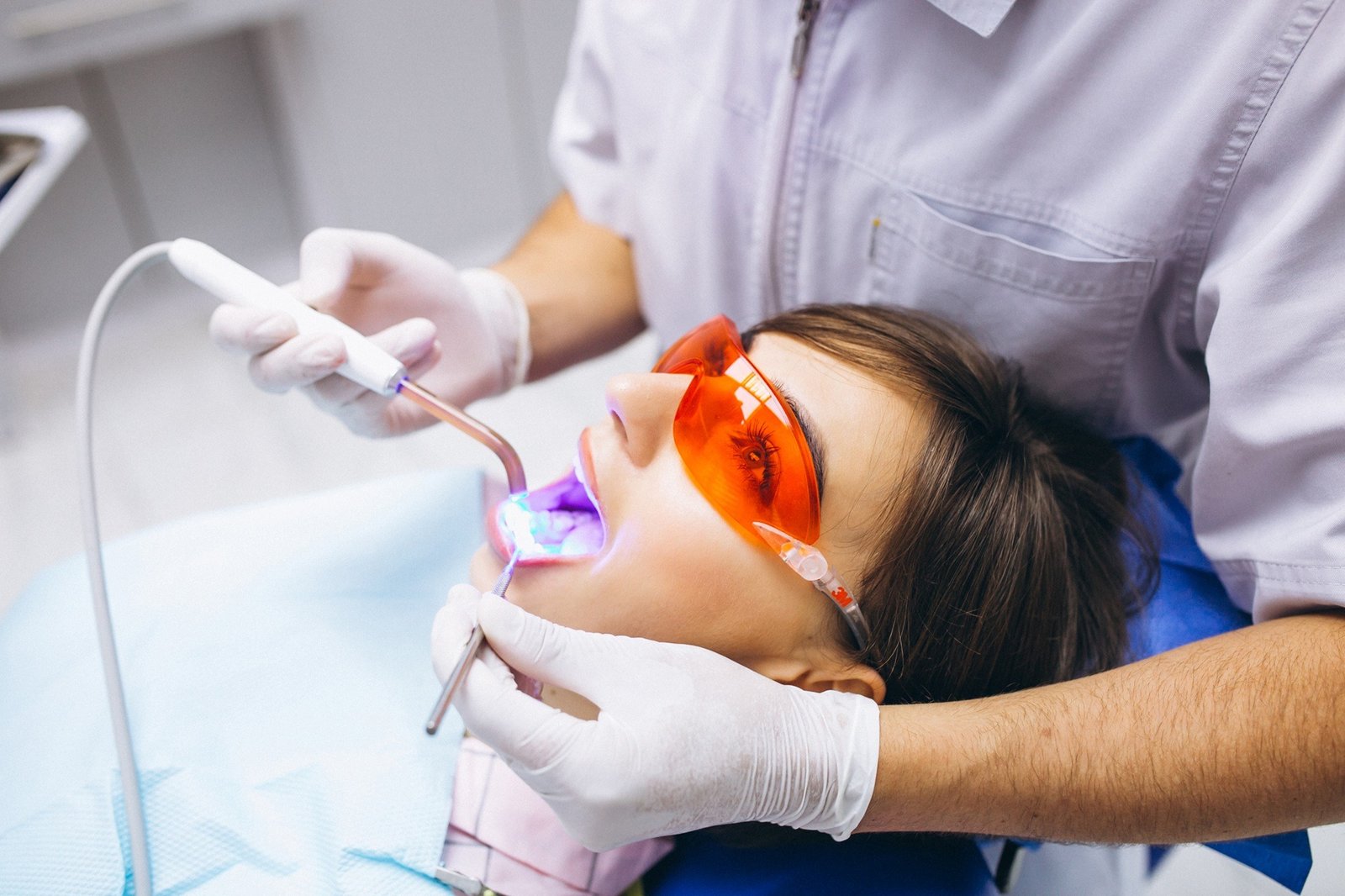
A routine dental visit typically begins with a professional cleaning, during which your dentist or hygienist uses specialized tools to remove plaque and tartar from your teeth. Even with excellent at-home oral hygiene, some areas of the mouth are harder to reach, and plaque can harden into tartar that can only be removed professionally. Removing tartar helps prevent gum disease and tooth decay.
Comprehensive Examination
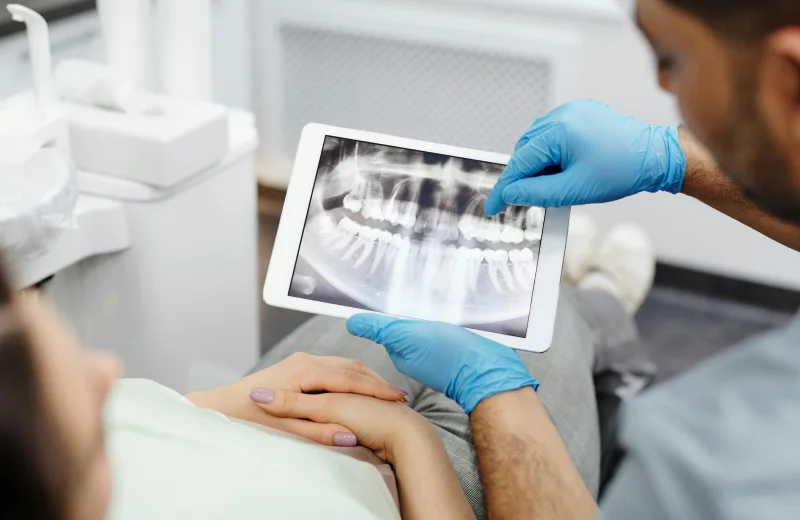
After cleaning, your dentist will perform a thorough examination of your teeth and gums to check for cavities, gum disease, and other dental issues. This includes checking for signs of oral cancer, tooth wear, and any abnormalities in the jaw or mouth. If necessary, your dentist may take X-rays to get a more detailed view of your oral health, especially if they suspect issues that can’t be detected by the naked eye.
Fluoride Treatment and Additional Care
For those at higher risk of tooth decay, fluoride treatments may be applied to strengthen the enamel and help prevent cavities. Fluoride helps protect your teeth by remineralizing the enamel, making it more resistant to decay.
When Should You Visit the Dentist More Frequently?
Increased Risk of Dental Issues
People with a higher risk of dental problems, such as those with gum disease, diabetes, or immune system deficiencies, may need more frequent dental visits. These individuals are more likely to develop cavities, tooth sensitivity, and other oral health problems that require closer monitoring and management.
Pregnancy and Dental Health
Pregnant women are more susceptible to gum disease and should see their dentist regularly to ensure that their gums stay healthy throughout pregnancy. Pregnancy gingivitis, a condition caused by hormonal changes, can lead to swollen, bleeding gums, which can increase the risk of more serious oral health issues if left untreated.
Special Treatments and Procedures
If you have braces, dental implants, or have had oral surgery, you may need more frequent visits to ensure that your teeth and gums are healing properly. Regular check-ups help monitor the progress of these treatments and ensure that any potential complications are addressed early.
How Dental X-Rays Fit into Your Regular Check-Ups
Dental X-rays play an essential role in helping your dentist detect issues that are not visible during a routine exam. They allow your dentist to see the internal structure of your teeth, gums, and bones, identifying potential problems such as cavities between teeth, bone loss, or even tumors early on. Regular X-rays help your dentist keep track of your oral health and spot any hidden issues that might otherwise go unnoticed.
When Are Dental X-Rays Necessary?
X-rays are typically taken once every 1-2 years for most patients, though this can vary depending on your oral health needs. If you have a history of cavities, gum disease, or are at a higher risk of oral cancer, your dentist may recommend more frequent X-rays. Dentists also use X-rays to monitor the progress of dental work such as implants, crowns, or braces.
Safety of Dental X-Rays
You may have concerns about the radiation used during X-rays, but rest assured, modern dental X-ray machines are highly efficient and use minimal radiation. Dentists take every precaution to protect you, including using lead aprons to shield your body from unnecessary exposure. The benefits of X-rays in detecting hidden issues far outweigh the risks, especially when they help detect problems early.
What Happens If You Skip Dental Check-Ups?
Skipping dental check-ups can have a significant impact on your oral health. Neglecting routine visits means you’re missing out on opportunities to detect and treat dental problems early, which can lead to much bigger and more expensive issues down the line.
Untreated Cavities and Gum Disease
If you skip regular visits, small cavities can grow larger, leading to more serious decay that requires fillings or even a root canal. Additionally, gum disease can progress from early gingivitis to more severe periodontitis, causing gum recession, tooth mobility, and even tooth loss. The longer you delay seeing the dentist, the higher the likelihood that you will need costly and invasive treatments.
Oral Cancer
Oral cancer is often painless in its early stages, making it easy to overlook. Regular check-ups and screenings can help detect oral cancer in its early stages, when it’s most treatable. Skipping check-ups means you’re missing an important opportunity for early detection.
Higher Long-Term Costs
Regular visits help prevent the need for expensive dental procedures. What may begin as a simple cleaning or small cavity can turn into a root canal, extraction, or gum surgery if left untreated. By visiting your dentist regularly, you save both time and money by addressing small problems before they become more complex and costly.
Frequently Asked Questions About Dental Visits
Can I Visit the Dentist Less Than Every 6 Months?
While the standard recommendation is to visit the dentist every six months, there are some cases where you may need to visit less frequently. For example, if you have strong, healthy teeth, and no history of cavities or gum disease, your dentist may allow you to stretch out the visits to once a year.
How Do I Know If I Need to See a Dentist More Often?
If you experience any of the following signs, it’s a good idea to visit the dentist sooner rather than later:
- Bleeding gums or swollen gums
- Persistent tooth pain or sensitivity
- Bad breath that won’t go away
- Receding gums or loose teeth
- Stained teeth or changes in tooth color
- People with braces, dental implants, or existing oral health conditions may also need to see the dentist more frequently to maintain their oral health.
What Happens If I Skip My Dental Check-Up?
Skipping a dental check-up can lead to untreated cavities, gum disease, and even tooth loss. Small dental issues can turn into more significant problems that require costly treatments.
Is Oral Cancer Screening Necessary During Every Visit?
Yes, oral cancer screenings should be a regular part of every dental check-up. Oral cancer is often asymptomatic in its early stages, so your dentist needs to check for signs during every visit.
How Can I Maintain My Oral Health Between Visits?
Maintaining good oral health at home is key to preventing issues that may require a dentist visit. Here are a few tips:
- Brush your teeth twice a day using fluoride toothpaste
- Floss daily to remove plaque and food particles between teeth
- Avoid sugary foods and drinks that can cause cavities
- Drink plenty of water to keep your mouth hydrated
- Consider using an antibacterial mouthwash to reduce plaque buildup
Conclusion: Keep Your Smile Healthy with Regular Check-Ups
Regular dental check-ups are essential for maintaining your oral health and preventing future problems. Whether it’s early detection of cavities, gum disease, or even oral cancer, visits to the dentist allow you to address small issues before they become big problems. Don’t wait until you experience pain – schedule your next check-up today and keep your smile healthy for years to come.
If you’re due for a check-up, contact Burwood Diamond Dental today! Our experienced team is dedicated to providing top-quality care in a comfortable, welcoming environment. We’ll work with you to ensure your oral health is at its best, offering personalised treatments and advice for maintaining a healthy smile.