Suppose you’ve been recommended a root canal treatment. In that case, it’s natural to have concerns about the procedure, particularly the time it takes and what you can expect during and after the process. Understanding the steps involved in a root canal and knowing how long each phase typically takes can help alleviate anxiety and prepare you for the treatment. In this article, we will explore the time frame for root canal procedures, the different stages involved, and what to expect before, during, and after the procedure.
What Is a Root Canal?
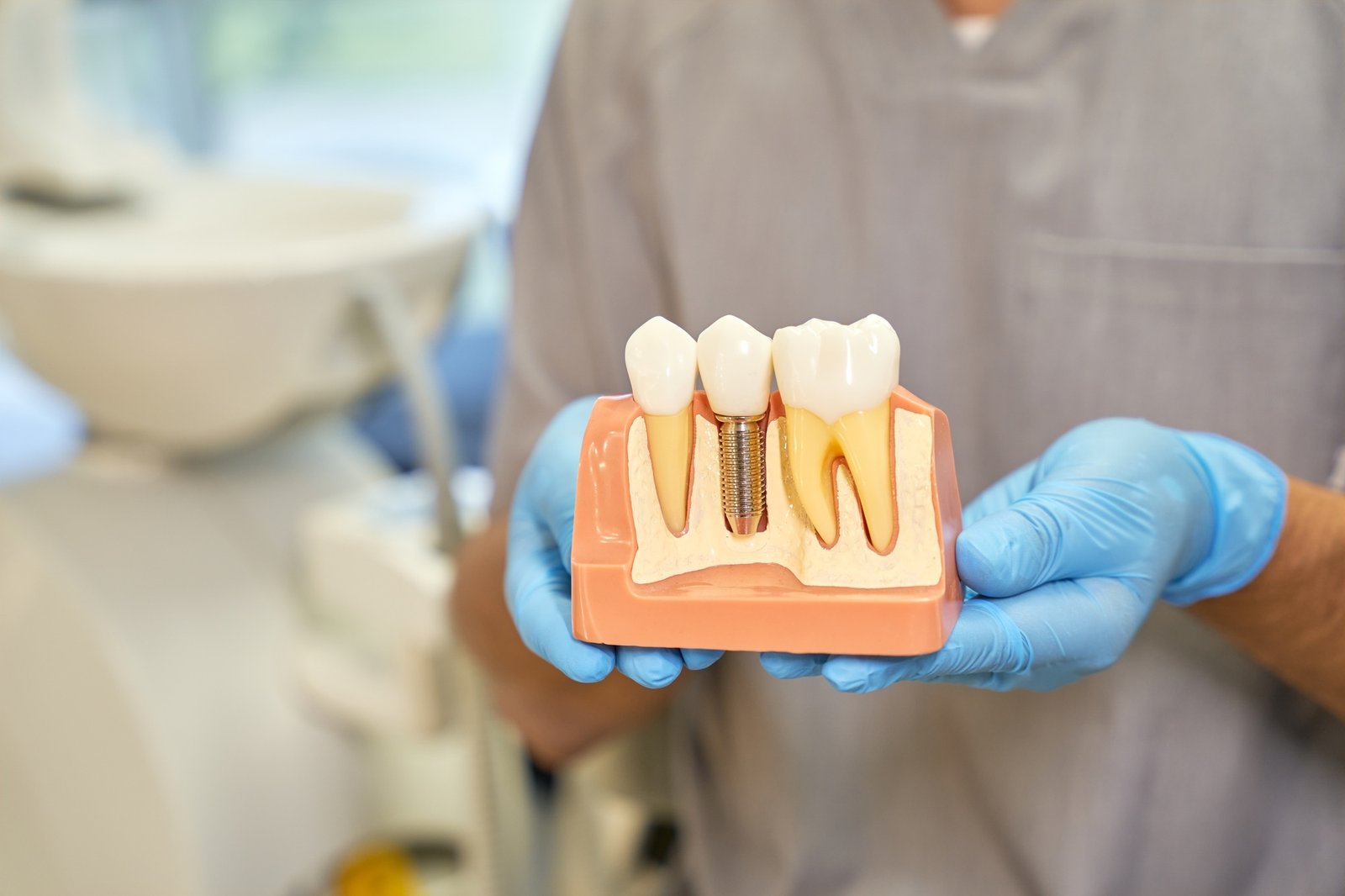
A root canal is a dental procedure used to treat an infected or inflamed tooth pulp. The pulp is the soft tissue inside the tooth, which contains nerves and blood vessels. If the pulp becomes infected due to deep decay or a crack in the tooth, it can cause pain and swelling and, if untreated, potentially lead to tooth loss. A root canal treatment is designed to remove the infected pulp, clean the dental canals, and seal the tooth to preserve its structure.
The goal of a root canal is to save the tooth from extraction, allowing you to continue using it for everyday functions like chewing, speaking, and smiling. Root canal procedures can vary in duration based on several factors, but understanding the steps involved and the expected treatment time will help you feel more confident going into your appointment.
How Long Does a Root Canal Take? Key Factors Affecting Treatment Time
The duration of a root canal can vary depending on several factors. Tooth location, the severity of infection, overall tooth condition, and the dentist’s experience all play a role in how long the procedure takes. Front teeth generally require less time, while molars with multiple roots may need longer appointments. Complex cases or severe infections may require multiple visits to ensure the tooth is thoroughly cleaned, shaped, and sealed.
Tooth Location
The location of the tooth plays a crucial role in determining how long the root canal procedure will take. For instance, front teeth (incisors and canines) generally have fewer root canals and are easier to access, which means they typically take less time to treat. Molars and premolars, on the other hand, usually have more complex root systems with multiple branches, requiring more time to clean, shape, and fill the canals appropriately.
Severity of the Infection
The severity of the infection or tooth damage is another key factor in the procedure’s duration. A mild infection may require less time for treatment than a more severe infection, which might require more cleaning and disinfection. In some cases, if the infection is too extensive, additional treatments or multiple appointments may be necessary.
Tooth Condition
The overall condition of the tooth will also impact the treatment time. For example, if the tooth is cracked or the pulp chamber is difficult to access, the dentist may need more time to clean the area thoroughly. Similarly, if there’s significant decay, it may take longer to remove the infected tissue.
Dentist’s Experience and Equipment
The dentist’s experience and the technology used in the treatment can affect how long the root canal procedure takes. Modern techniques, including digital X-rays, laser treatment, and microscopes, can speed up the method and make it more precise, ultimately reducing the time required for treatment. Experienced dentists who specialise in endodontic treatment (root canal therapy) tend to be more efficient and effective, further decreasing procedure time.
The Steps Involved in a Root Canal Procedure
1. Anaesthesia and Preparation
The first step in any root canal treatment is administering local anesthesia. The anesthesia ensures that the area around the tooth is numb so that you won’t feel pain during the procedure. In some cases, sedation dentistry may be used for patients who are more anxious. The dentist will then place a dental dam around the tooth to isolate it from saliva and bacteria during the procedure.
2. Accessing the Tooth
After numbing the area, the dentist will make a small hole in the crown of the tooth to access the pulp chamber and the root canals. This part of the procedure generally takes about 10-20 minutes, depending on the tooth’s location and the complexity of the root system.
3. Cleaning and Shaping the Canal
The dentist will remove the infected tooth pulp from the canals. This involves using specialised dental instruments to carefully clean the canals, shaping them to make room for the filling. This part can take the most time, particularly in molars with multiple roots or curved root canals. It may take anywhere from 30 minutes to 1 hour.
4. Filling the Canal
Once the canals are cleaned and shaped, the dentist will fill them with gutta-percha, a rubber-like substance that seals the canals. This prevents bacteria from re-entering the tooth. The filling step can take an additional 15-30 minutes.
5. Sealing the Tooth
Finally, the dentist will seal the access hole with a temporary filling. If the tooth is ready for a permanent restoration, a dental crown will be placed at a later appointment. The sealing step typically takes 10-15 minutes.
One-Visit vs. Multiple-Visit Root Canal Treatments
One-Visit Root Canal
In some cases, a root canal can be completed in a single visit. This is generally possible if the tooth is relatively simple (such as a front tooth) and the infection isn’t too severe. One-visit root canals are less common for molars or premolars that have complex root systems or significant infection.
Two-Visit Root Canal
If the infection is severe, or the dentist needs to allow the tooth time to heal between sessions, the procedure may be spread over two appointments. During the first appointment, the dentist will clean and shape the root canals, then place a temporary filling to seal the tooth. The second appointment involves removing the temporary filling, cleaning the canals again, and putting a permanent root canal filling and dental crown. A two-visit root canal typically takes 1.5 to 2 hours per session.
What to Expect Before, During, and After the Procedure
Before the Root Canal
Before the root canal, your dentist will typically perform a dental X-ray to evaluate the condition of the tooth and plan the procedure. What you may not realise is that dental care is more important than you can imagine. You may be asked about any medications you’re taking or any health conditions that could affect your treatment.
During the Root Canal
During the procedure, you will be thoroughly numbed and should feel little to no discomfort. You might feel slight pressure as the dentist cleans the canals and places the filling, but it should not be painful. The dentist will keep you informed throughout the process and ensure you’re comfortable.
After the Root Canal
After the root canal, you may experience some mild discomfort or soreness, especially in the days following the procedure. Pain-relieving and anti-inflammatory medications may be prescribed to manage pain. The dentist will also discuss the next steps, including placing a dental crown to restore the tooth fully.
How Long Does Recovery Take After a Root Canal?
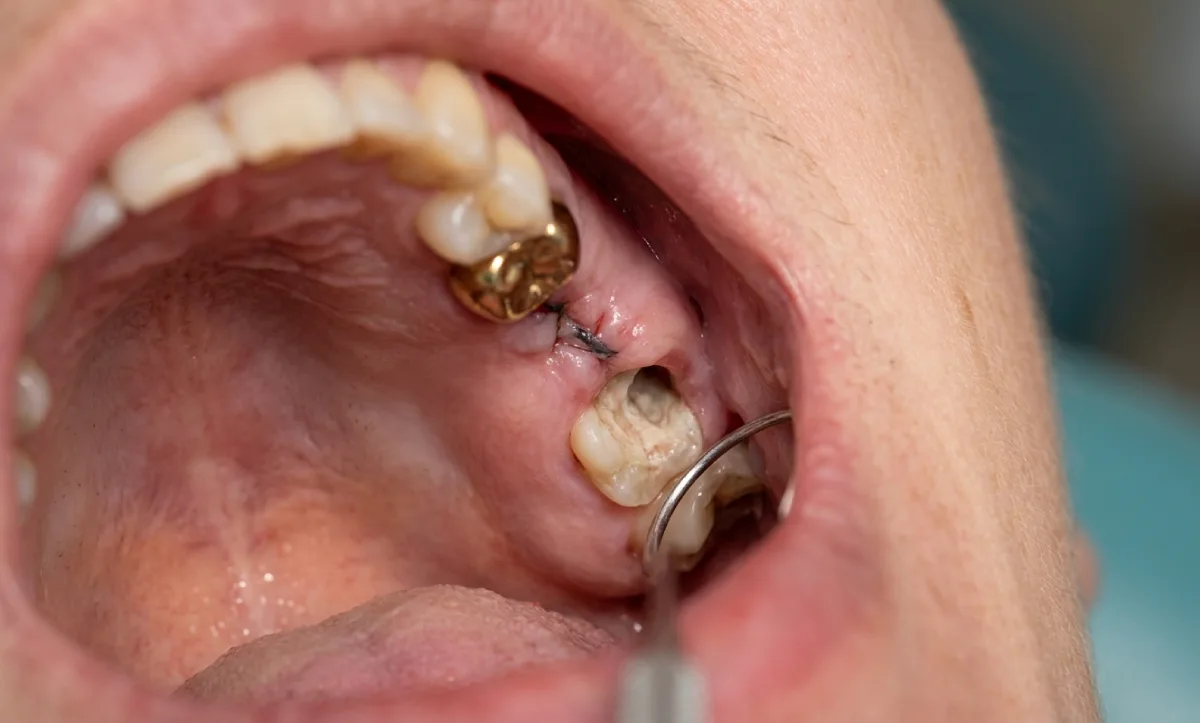
The recovery time after a root canal varies depending on the procedure’s complexity. Generally, most people recover within 1-2 weeks after the procedure. You may experience some mild soreness or swelling in the first few days, but this should subside as your tooth heals. If you experience severe pain or prolonged swelling, it’s essential to contact your dentist, as these may indicate complications, such as infection or the need for root canal retreatment.
Common Myths About Root Canal Duration
There are many misconceptions surrounding root canal treatments, especially regarding how long the procedure takes. Let’s debunk some of the most common myths to help clear up any confusion and set realistic expectations.
1. Myth: Root Canals Take Forever
One of the most common myths is that root canals take a long time to complete. In reality, the procedure typically lasts between 1 and 2 hours, depending on the complexity of the case. For simple cases, such as those involving front teeth, the procedure can often be completed in a single visit and may take as little as 60 minutes. More complex cases, particularly those involving molars with multiple roots, may require more time, especially if the infection is severe.
2. Myth: Root Canals Are Always Painful
Many people assume that root canal procedures are painful, but this is simply not true. Thanks to modern local anesthesia and advancements in sedation dentistry, patients should not feel pain during the procedure. You may experience some discomfort afterward, but it should be manageable with over-the-counter pain medications. Severe pain during or after a root canal is rare and can be addressed by your dentist.
3. Myth: The Procedure Takes Multiple Days or Weeks
While some patients require a two-appointment root canal, this is not the norm for everyone. A large portion of root canal treatments can be completed in a single visit. The dentist will clean the canals, fill them, and seal the tooth, all in one session. However, more complex cases, such as those with severe infection or multiple roots, may require two visits for optimal results.
4. Myth: Root Canal Treatment is a Last Resort
Many people believe that a root canal is the final option for saving a tooth, but it’s actually one of the most effective ways to save a severely infected tooth. A root canal is designed to save the tooth from extraction, helping you avoid a more invasive procedure like a dental implant or bridge. The procedure ensures the tooth remains functional for many years, provided it is properly restored with a dental crown.
Tips for Managing Discomfort and Post-Treatment Care
Though root canal treatments are generally not painful, it’s normal to experience some discomfort in the days following the procedure. Here are some tips to help manage any soreness and ensure a smooth recovery:
1. Follow Your Dentist’s Instructions
After the root canal, your dentist will give you specific instructions on caring for your tooth. This may include pain management strategies, such as using over-the-counter medications like ibuprofen or acetaminophen. It’s essential to follow these instructions carefully to avoid complications and ensure proper healing.
2. Avoid Hard or Chewy Foods
In the first few days after the procedure, it’s best to avoid eating hard, crunchy, or chewy foods that could put extra pressure on your treated tooth. Stick to softer foods, such as yogurt, mashed potatoes, or soups. Once a dental crown is placed, you can generally return to your regular eating habits, but until then, be gentle with the tooth. Some patients ask about the longevity of a root canal-treated tooth without a crown
3. Maintain Good Oral Hygiene
Proper oral hygiene is crucial to the healing process. Continue brushing and flossing gently around the treated tooth, but avoid the area directly around the temporary filling if your dentist has placed one. Keeping your mouth clean helps prevent infections and promotes healing.
4. Manage Swelling
If you experience swelling or discomfort after the procedure, applying a cold compress to the outside of your cheek near the treated area can help reduce inflammation. Be sure to limit the use of the ice pack to 15-20 minute intervals to avoid irritation.
5. Avoid Smoking
Smoking can impair the healing process and increase the risk of complications after any dental procedure. If you smoke, it’s advisable to refrain from smoking during the recovery period to help your body heal more efficiently.
When Complications Can Extend the Procedure Time
While most root canal treatments proceed smoothly, certain factors can extend the procedure time. Here are some of the complications that may arise during a root canal:
1. Curved or Extra Root Branches
Some teeth, particularly molars, may have curved root canals or extra root branches. These require additional time to clean and shape properly, as the dentist must carefully navigate these challenging areas. Multiple root canals or complex anatomy can increase overall procedure time.
2. Severe Infection
If the infection is deep or severe, the dentist may need to perform additional steps to thoroughly clean and disinfect the area. In some cases, the root canal filling may need to be placed over multiple visits, depending on the time required for proper healing and disinfection.
3. Tooth Cracks or Fractures
If the tooth is cracked or fractured, it may take extra time to properly seal the root canals and ensure the tooth is stable enough for a dental crown. Cracks can also complicate the placement of a temporary filling, potentially requiring more time to properly restore the tooth.
4. Difficulty in Accessing the Tooth
Teeth located at the back of the mouth can sometimes be difficult to access due to their positioning. In some cases, your dentist may need to take extra precautions or use specialised dental instruments to ensure a smooth procedure.
5. Need for Retreatment
In rare cases, if the infection or damage was not fully addressed during the initial root canal, a root canal retreatment may be necessary. This requires cleaning and reshaping the canals once again and may extend the procedure duration.
Conclusion: Root Canal Treatment – Duration, Care, and Recovery
Understanding how long root canal treatment takes, the steps involved, and the recovery process can significantly improve your experience. The procedure itself typically takes 1 to 2 hours, depending on the tooth’s complexity, while recovery usually lasts 1 to 2 weeks. By following proper aftercare and attending follow-up appointments, you can ensure the success of the treatment and preserve your tooth for many years to come.
Whether you’re preparing for a root canal or recovering from one, remember that caring for your treated tooth is crucial to maintaining its health. After the procedure, be sure to maintain good oral hygiene, avoid hard foods, and follow your dentist’s instructions carefully. If you experience any unusual symptoms, don’t hesitate to reach out to your dentist for guidance.
At Burwood Diamond Dental, we’re dedicated to providing high-quality dental care with a focus on patient comfort and long-term tooth preservation. If you have any questions or concerns about your root canal treatment, our team is here to help. Book your consultation today and take the next step toward a healthier smile.
FAQs
1. How long does a root canal procedure usually take?
The duration of a root canal procedure typically ranges from 1 to 2 hours, depending on factors such as the tooth’s location, the severity of the infection, and the complexity of the root system. For simpler cases, such as front teeth, the procedure may take less time, while molars may require more time due to multiple root canals.
2. Do root canals hurt?
Root canal treatments are often associated with pain, but thanks to modern local anesthesia and sedation dentistry, most patients experience little to no discomfort during the procedure. After the treatment, you may experience mild soreness for a few days, which is usually manageable with over-the-counter pain relief.
3. Can a root canal be completed in one visit?
Yes, many root canal treatments can be completed in a single visit, especially for front teeth or less complicated cases. However, molars or teeth with more complex root systems may require two visits to ensure the infection is fully treated and the tooth is adequately sealed.
4. How long does it take to recover from a root canal?
The recovery time after a root canal is generally 1 to 2 weeks. While most patients experience only mild discomfort, it’s essential to follow your dentist’s aftercare instructions to ensure proper healing. If you experience severe pain or swelling, contact your dentist immediately.
5. Why is a crown necessary after a root canal?
A dental crown is necessary after a root canal to protect the treated tooth from future damage. After a root canal, the tooth becomes more fragile and prone to cracking. The crown helps restore the tooth’s strength, protect it from further damage, and improve its appearance. A crown is essential for molars, which bear a lot of pressure during chewing.