Updated on August 29, 2026
Many people brush their teeth every day and assume that is enough to keep dental problems away. The trouble is that tooth decay can begin without pain, gums can become inflamed before they feel sore, and a toothbrush cannot reach every surface where plaque collects. Some facts about dental care you may not know can make a real difference to how you protect your teeth. Good dental care depends on controlling plaque every day, using fluoride toothpaste, cleaning between the teeth, limiting frequent sugar exposure, watching for changes in the gums and teeth, and having problems checked before they become harder to treat. Knowing why these habits matter makes it easier to care for your mouth rather than waiting until something starts hurting.
Fact 1: Plaque Starts Building Up Again After You Clean Your Teeth
Dental plaque is a soft, sticky biofilm containing bacteria that continually develops on teeth, around the gumline, between teeth, and on dental restorations. Brushing removes much of this plaque, but it does not mean the mouth remains plaque-free for the rest of the day. Plaque begins forming again, which is why regular oral hygiene matters more than brushing very hard once in a while. If plaque is allowed to remain in place, it can contribute to both tooth decay and inflammation of the gums. The Australian Dental Association identifies plaque as a primary factor in dental caries and periodontal disease and recommends regular plaque removal as part of daily oral care.
This is also why dental care is about consistency. A clean mouth in the morning does not mean plaque control can be ignored until the following day. Brushing twice daily and cleaning between the teeth once daily helps reduce the amount of plaque left in areas where bacteria can remain active. People with braces, bridges, implants, crowded teeth, or gum problems may have areas that need extra attention because plaque can collect around surfaces that are harder to reach.
Fact 2: Tooth Enamel Is Strong, but Lost Enamel Does Not Simply Grow Back
Tooth enamel forms the hard outer covering of the visible part of a tooth. Its job is to protect the softer tooth structures underneath from chewing forces, temperature changes, acids, and daily wear. Although enamel is highly mineralised, it is still vulnerable to repeated acid exposure. Acids can remove minerals from the enamel surface, making it weaker over time. Early mineral loss may sometimes be reversed through remineralisation, especially when fluoride, saliva, and good oral hygiene are working in the tooth’s favour. Once actual tooth structure has been physically lost or a cavity has formed, however, the missing enamel does not simply grow back.
This distinction is important because claims such as “enamel repairs itself completely” or “enamel can never recover” are both too simple. Early enamel changes and established cavities are different stages of disease. Catching a problem while it is still at an early stage may allow a dentist to use preventive measures rather than waiting until a larger restoration is required.
What Can Weaken Tooth Enamel?
Enamel can be challenged by acids produced when plaque bacteria process fermentable carbohydrates, as well as direct exposure to acidic foods and drinks. Soft drinks, sports drinks, energy drinks, fruit juices, and other acidic beverages can contribute to dental erosion if they are consumed frequently. Repeated exposure matters because enamel needs time between acid challenges for saliva to help restore the normal balance in the mouth.
The practical goal is not to avoid every acidic food or drink forever. It is to reduce repeated exposure, avoid constantly sipping acidic beverages throughout the day, maintain good oral hygiene, and use fluoride toothpaste. If teeth are becoming sensitive, thinner at the edges, or visibly worn, a dental examination can help determine whether erosion, decay, tooth grinding, gum recession, or another problem is responsible.
Fact 3: How Often You Have Sugar Can Matter as Much as How Much You Have
Sugar is strongly linked with tooth decay, but the relationship is more specific than simply saying that sugar “rots teeth.” Bacteria within dental plaque can use fermentable carbohydrates from foods and drinks and produce acids. These acids lower the pH around the tooth surface and can cause mineral loss from enamel. Saliva then helps the mouth recover, but if sugar is consumed again and again throughout the day, the teeth may experience repeated acid challenges before they have had enough time to recover.
This is why someone who slowly drinks a sugary beverage over several hours may expose their teeth to repeated acid attacks even if the total amount does not seem extreme. Frequent sweets, sweetened coffee, soft drinks, juice, sports drinks, and sugary snacks can create the same issue. A more tooth-friendly approach is to reduce frequent exposure to free sugars, choose water more often, and keep sugary foods and drinks from becoming an all-day habit. The main point is not that one sweet food automatically creates a cavity, but that repeated exposure combined with plaque, poor fluoride protection, and other individual risk factors can increase the chance of decay.
Fact 4: Bleeding Gums Deserve Attention
Seeing blood while brushing or cleaning between the teeth is easy to dismiss, especially if there is no pain. However, repeated gum bleeding can be a sign that the tissues are inflamed. Plaque-related gingivitis is a common cause, but gum bleeding can also be associated with periodontal disease, irritation, injury, cleaning technique, or other individual factors. The Australian Dental Association has highlighted bleeding gums as a warning sign that should not simply be ignored.
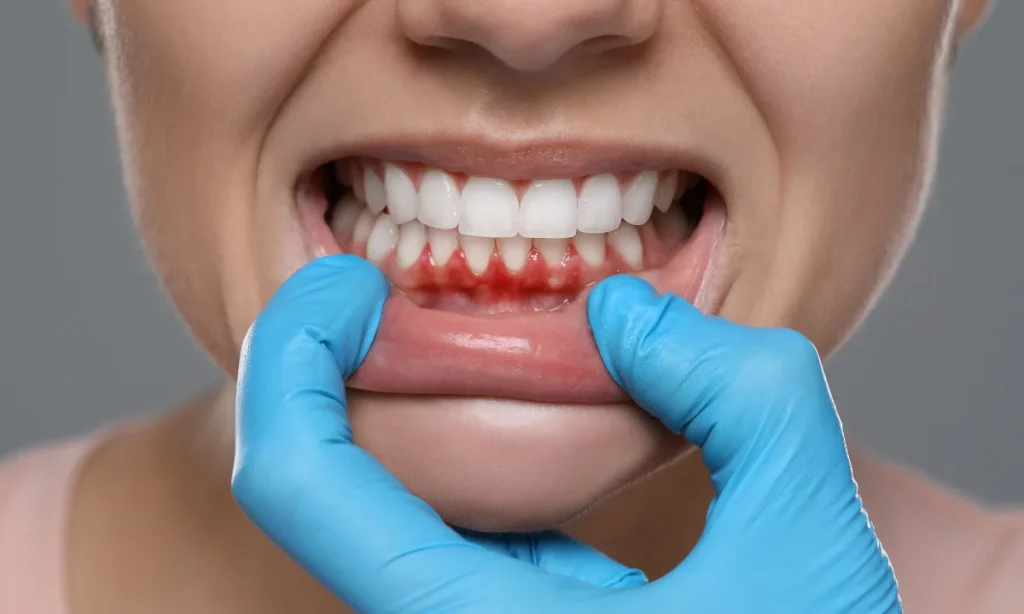
Healthy gums should usually feel firm and comfortable rather than being regularly swollen, tender, or prone to bleeding. The important point is not to diagnose yourself from one symptom. A dentist needs to consider how often the gums bleed, where the bleeding occurs, whether plaque or calculus is present, and whether there are deeper signs of periodontal disease. If bleeding keeps returning despite good oral hygiene, professional assessment can identify the cause before more serious gum damage develops.
Should You Stop Cleaning Between Your Teeth If Your Gums Bleed?
Stopping interdental cleaning completely may make plaque-related gum inflammation worse if plaque is the main cause of bleeding. Gentle, regular cleaning between the teeth can help remove plaque from areas that a toothbrush cannot fully reach. However, cleaning should not be painful or aggressive. If floss or an interdental brush repeatedly causes significant bleeding, discomfort, or tissue injury, the technique or cleaning aid may need to be changed.
If your gums regularly bleed during brushing or interdental cleaning, a dental check-up at Burwood Diamond Dental can help determine whether gingivitis, periodontitis, cleaning technique, or another issue is involved. The aim is to identify why the gums are bleeding rather than simply trying to hide the symptom.
Fact 5: A Toothbrush Cannot Clean Every Area Between Your Teeth
A toothbrush is essential for daily plaque removal, but its bristles cannot reliably clean every contact area between neighbouring teeth. Plaque and food debris can remain in these narrow spaces even when the visible surfaces feel clean. That is why the Australian Dental Association recommends cleaning between the teeth once each day using floss or interdental brushes, alongside twice-daily toothbrushing.
Interdental cleaning becomes especially important for people with gum disease, bridges, implants, orthodontic appliances, or larger spaces between teeth. These areas may trap plaque in places that standard brushing cannot reach effectively. The correct cleaning aid depends on the size and shape of the space, so using a method that fits properly is more useful than forcing the same tool into every area.
Floss, Interdental Brushes or Another Cleaner?
Floss can work well where the contact between teeth is tight, while interdental brushes can be useful where there is enough space for the brush to pass gently between the teeth. People with dental bridges, implants, braces, or certain restorations may need special brushes or other cleaning aids. There is no reason to assume that one method is best for every person or every area of the mouth.
A dentist or dental professional can show you which cleaner fits each space and how to use it without damaging the gums. This can be particularly helpful if you have been flossing for years but still notice plaque buildup, gum bleeding, or food trapping in certain areas.
Fact 6: Brushing Harder Does Not Make Teeth Cleaner
Effective brushing depends more on technique, coverage, time, and consistency than on how much pressure you apply. Scrubbing the teeth aggressively does not automatically remove more plaque and can irritate the gums or contribute to wear on exposed tooth surfaces in some people. The goal is to clean every accessible surface carefully rather than trying to polish the teeth with excessive force.
Current Australian Dental Association guidance recommends brushing for about two minutes twice a day with an age-appropriate fluoride toothpaste. A soft-bristled toothbrush is commonly suitable for daily use, although individual advice may differ for people with specific dental conditions or appliances. If the bristles on your toothbrush quickly become flattened or spread outward, that may be a sign that too much pressure is being used.
Fact 7: Fluoride Toothpaste Helps Protect Teeth Between Dental Visits
Fluoride toothpaste plays an important role in preventing tooth decay. Fluoride becomes available at the tooth surface during brushing and can help make enamel more resistant to acid challenges while supporting remineralisation of early mineral loss. This is one reason brushing is about more than simply removing visible food or making the mouth feel fresh.
The Australian Dental Association includes age-appropriate fluoride toothpaste as a core part of routine oral hygiene. The correct toothpaste and amount can vary with age and individual decay risk. Some people at increased risk of caries may be given different fluoride recommendations by their dentist, so stronger fluoride products should be used according to professional advice rather than selected without guidance.
Should You Rinse With Water Straight After Brushing?
Australian fluoride guidance recommends spitting out toothpaste after brushing and avoiding rinsing it away immediately in relevant age groups. This allows fluoride to remain in contact with the teeth for longer rather than being washed away straight after brushing.
This does not mean swallowing toothpaste. The toothpaste should be spat out, and children should use the amount and fluoride concentration appropriate for their age and risk level. Parents who are unsure which toothpaste is suitable for their child can ask their dentist during a routine dental visit.
Fact 8: Saliva Helps Protect Your Teeth Every Day
Saliva is easy to overlook because it is always present, yet it has several important jobs in oral health. It helps lubricate the mouth, wash away food particles, dilute acids, and supply minerals that support the balance between demineralisation and remineralisation of enamel. Saliva also helps protect soft tissues and makes chewing, swallowing, and speaking more comfortable.
This natural protection becomes more obvious when saliva flow decreases. People with persistent dry mouth may notice that food sticks more easily, swallowing feels uncomfortable, their mouth feels sticky, or their teeth become more vulnerable to decay. Dry mouth can have many possible causes, so the focus should be on identifying the reason rather than simply drinking more water and assuming the problem is solved.
Why Does Persistent Dry Mouth Matter?
Reduced saliva can make it harder for the mouth to neutralise acids and clear food debris. This can increase the risk of tooth decay and may contribute to oral discomfort. Causes can include certain medications, dehydration, medical conditions, salivary gland problems, and other factors. Because the causes differ, persistent dry mouth deserves individual assessment.
If dry mouth continues despite normal hydration, mention it at your next dental visit. Your dentist can assess the teeth and oral tissues, review factors that may be contributing, and recommend prevention strategies based on your level of decay risk.
Fact 9: Dental Problems Can Develop Before You Feel Pain
One of the most important dental care facts is that pain is not a reliable early-warning system for every dental disease. Early tooth decay may develop without noticeable discomfort. Gingivitis can cause bleeding while remaining relatively painless. Periodontal disease may progress without the intense toothache many people expect. Cracks, worn restorations, and other problems can also exist before they produce obvious symptoms.
Waiting for pain can therefore allow a small or manageable problem to become larger. Preventive dental care focuses on identifying changes earlier, when there may be more conservative treatment options. This is also consistent with the Australian Dental Association’s approach to minimal intervention dentistry, which places value on early detection and early management of disease.
What Can a Dental Check-Up Identify?
A dental check-up allows the dentist to examine the teeth, gums, existing fillings and crowns, bite, plaque levels, and visible oral tissues. Depending on the patient’s history and clinical findings, the dentist may identify early decay, gum inflammation, worn or damaged restorations, cracks, tooth wear, or areas that need closer monitoring. X-rays or other investigations may be recommended when clinically appropriate, but they are not automatically needed at every visit.
General check-ups at Burwood Diamond Dental give patients in Burwood and surrounding areas an opportunity to have changes in their teeth and gums assessed before relying on pain as the signal that something is wrong. Any recommended care should be based on what is actually found during the examination.
Fact 10: Dental Check-Up Frequency Should Be Based on Your Oral Health
The familiar idea that every person must see a dentist at exactly the same interval is too simple. Someone with active gum disease, frequent decay, dry mouth, multiple restorations, smoking exposure, diabetes, implants, or orthodontic treatment may need monitoring at a different frequency from someone with consistently healthy teeth and gums.
Australian oral-health guidance recognises that appropriate dental recall can depend on individual needs and disease risk rather than one fixed schedule for everyone. Regular check-ups still matter, but “regular” should reflect the person’s oral health history and current findings. Your dentist can recommend how often you should return after assessing your risk rather than relying on a timetable chosen from a general website.
Fact 11: Baby Teeth Need Proper Dental Care Even Though They Fall Out
Primary teeth are temporary, but that does not make them unimportant. Children use them for chewing, speaking, and maintaining space within the developing mouth. A decayed baby tooth can still become painful, infected, or difficult to eat with. Losing certain primary teeth too early may also affect how the remaining teeth sit in the mouth.
Dental care for children should therefore begin before problems become painful. Brushing, fluoride exposure appropriate for age, diet, and regular dental care all contribute to protecting developing teeth. The Australian Dental Association continues to promote brushing with fluoride toothpaste, daily interdental care when appropriate, lower sugar intake, and regular dental visits as core oral-health messages.
Fact 12: Dental Implants Replace Missing Teeth, but They Do Not Replace Dental Care
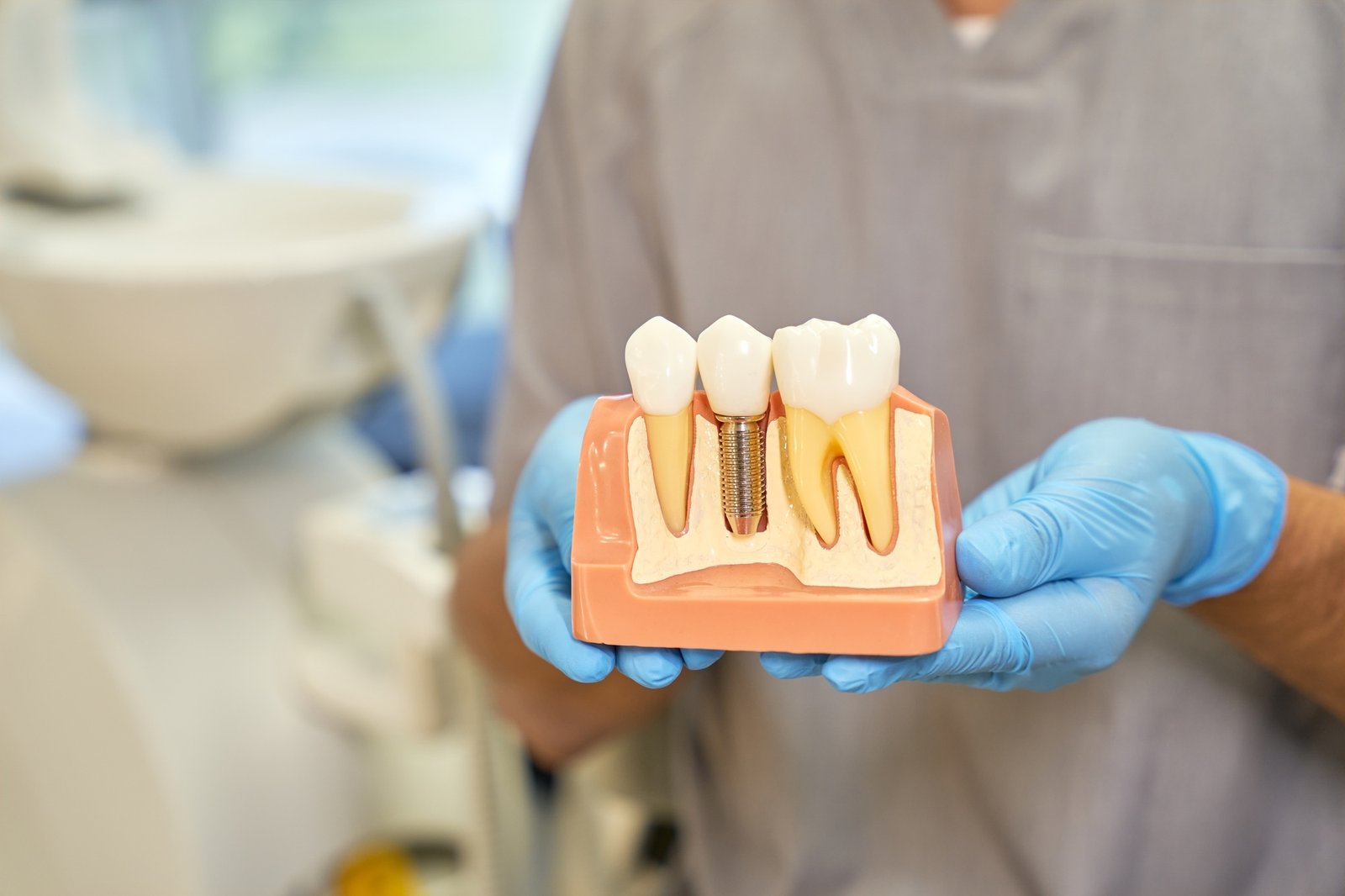
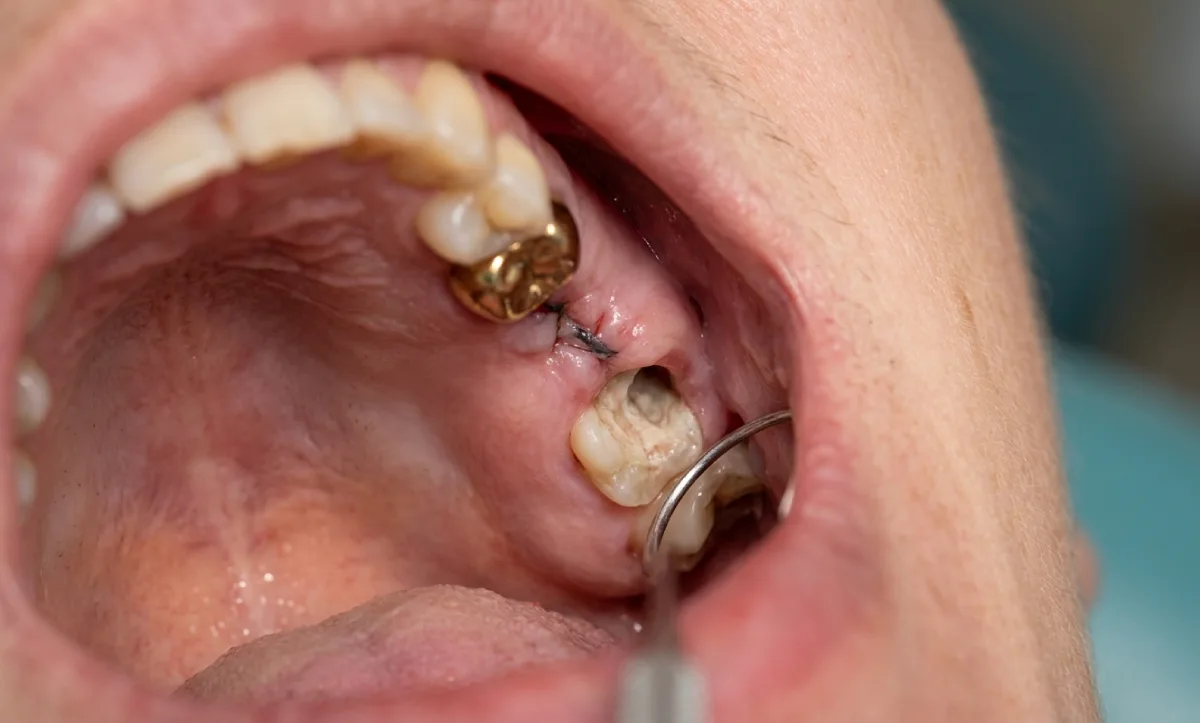
Dental implants can be used to replace suitable missing teeth, but they are not a replacement for oral hygiene or preventive dentistry. An implant consists of a fixture placed in the jaw and a restoration such as a crown or bridge. Although the implant itself cannot develop a cavity in the way a natural tooth can, plaque can still build up around the restoration and surrounding gums.
Healthy implant tissues depend on daily plaque control, cleaning around and between the implant restoration, and professional monitoring. Gum inflammation around an implant can develop if plaque is not adequately controlled, and longer-term peri-implant disease can affect supporting tissues. This is why implants should be treated as a dental replacement that still requires ongoing care rather than as a maintenance-free solution.
If you are missing a tooth, Burwood Diamond Dental can assess the space, gums, bite, and other clinical factors before discussing whether a dental implant, bridge, or another tooth-replacement option may be suitable for you.
Fact 13: Straightening Teeth Does Not Replace Good Oral Hygiene
Crowded and overlapping teeth can make some areas difficult to reach with a toothbrush or interdental cleaner, which is one reason patients may ask about orthodontic treatment. However, straightening teeth does not remove the need for brushing, fluoride toothpaste, and interdental cleaning. Braces and clear aligners can create their own oral-hygiene challenges, so cleaning remains important throughout treatment.
People considering orthodontic care should therefore think about both alignment and oral health. Active tooth decay or gum disease may need attention before or during orthodontic treatment, depending on the clinical situation. Once treatment begins, keeping plaque under control helps protect teeth and gums while they are being moved.
Can Clear Aligners Increase the Risk of Tooth Decay?
Clear aligners do not directly cause cavities, but problems can develop if plaque and carbohydrates remain on the teeth while the aligners are worn. Putting aligners back over teeth immediately after eating sugary foods or drinking sweetened beverages without cleaning can keep those substances close to the tooth surfaces. Good brushing, interdental cleaning, and proper aligner care therefore remain important.
If crowding or tooth alignment is affecting your smile or making some areas difficult to clean, Burwood Diamond Dental can assess whether clear aligners, braces, or another orthodontic approach may be suitable based on your teeth and bite.
Fact 14: Oral Health and General Health Can Influence Each Other
The mouth is part of the body, and oral health does not exist separately from general health. Research has found relationships between oral conditions and several systemic diseases, but these relationships need to be described carefully. An association between two conditions does not automatically prove that one directly caused the other.
The Australian Dental Association states that poor oral health is associated with various systemic diseases and that a bidirectional relationship exists with some conditions. Diabetes and periodontal health are a good example of why dentists ask about medical history as well as dental symptoms. Health conditions and medicines can influence gum health, healing, saliva, and decay risk, while significant oral disease can also affect comfort, eating, and quality of life.
Does Gum Disease Cause Other Health Problems?
Gum disease has been associated with several general health conditions, but it is inaccurate to say that every person with periodontal disease will develop another illness or that gum disease directly causes every condition linked with it. Shared risk factors and two-way relationships may be involved.
The useful patient message is simpler: persistent gum inflammation deserves treatment because healthy gums are important in their own right and oral health forms part of general healthcare. If your gums bleed, recede, feel swollen, or your teeth begin to feel mobile, dental assessment is more useful than trying to interpret broad health claims online.
What Daily Dental Care Actually Makes the Biggest Difference?
Good dental care does not require an excessive number of products. The strongest routine is built around a few habits performed consistently. Current Australian Dental Association guidance supports brushing for two minutes twice a day, using age-appropriate fluoride toothpaste, cleaning between teeth once daily, and attending regular professional dental care. Your dentist may modify this routine if you have a high decay risk, gum disease, dry mouth, implants, braces, bridges, or another condition that changes your cleaning needs.
| Habit | Why It Matters |
| Brush for about two minutes twice daily | Removes plaque from accessible tooth surfaces and the gumline |
| Use age-appropriate fluoride toothpaste | Helps protect enamel and supports remineralisation |
| Clean between the teeth once daily | Reaches areas that normal brushing may miss |
| Reduce frequent free-sugar exposure | Limits repeated acid challenges to tooth enamel |
| Pay attention to repeated gum bleeding | May help identify inflammation earlier |
| Avoid smoking | Supports gum and oral health |
| Attend dental reviews at the interval recommended for you | Allows monitoring based on your individual disease risk |
These habits work together. Brushing does not cancel out frequent sugar exposure, mouthwash does not replace interdental cleaning, and professional cleaning does not replace home care. The goal is regular prevention rather than trying to correct months of plaque buildup in a single day.
When Should a Dental Problem Be Checked?
Not every minor change means there is a serious dental problem, but persistent or worsening symptoms should not be ignored. Arrange a dental assessment if you have ongoing tooth pain, repeated gum bleeding, swelling, a broken tooth, a loose adult tooth, persistent sensitivity, a lost filling or crown, unexplained changes in the mouth, or a sore that is not healing as expected. These symptoms can have different causes, and a proper examination is needed before deciding what treatment, if any, is required.
Some symptoms require faster attention. Rapidly increasing facial swelling, significant dental trauma, uncontrolled bleeding, or difficulty breathing or swallowing can represent urgent problems. Difficulty breathing or swallowing in particular requires urgent medical attention rather than waiting for a routine dental appointment.
For sudden dental pain, swelling, broken teeth, damaged restorations, or other urgent dental concerns in Burwood, Burwood Diamond Dental can assess the problem and advise whether an emergency dental appointment is needed.
Frequently Asked Questions About Dental Care
Is Mouthwash a Replacement for Brushing and Cleaning Between Teeth?
No. Mouthwash may have a useful supporting role in some oral-care routines, but it does not physically remove plaque from tooth surfaces and between teeth in the same way brushing and interdental cleaning do. The Australian Dental Association lists mouthrinse as one possible aid to oral hygiene while continuing to recommend brushing and daily interdental cleaning as core strategies. If a medicated rinse has been recommended for a specific dental problem, use it according to the directions provided by your dental professional.
Should I Brush Straight After Eating?
You do not need to rush to brush immediately after every meal. This is especially relevant after acidic foods or drinks, which can temporarily soften the tooth surface. Regular twice-daily brushing with fluoride toothpaste remains the main routine for most people. If you have significant dental erosion or a high decay risk, your dentist can advise on brushing timing and other preventive steps based on your diet and tooth condition.
Why Do I Still Get Cavities Even Though I Brush Twice a Day?
Brushing is important, but cavities are influenced by several factors. Plaque can remain between teeth, sugar may be consumed frequently, fluoride exposure may be inadequate, saliva flow may be reduced, or brushing may miss certain areas. Some people also have dental anatomy, restorations, appliances, or medical factors that make plaque control harder.
A person who brushes twice daily can therefore still develop tooth decay. A dental examination can help identify where decay is starting and which risk factors are most relevant instead of assuming that brushing frequency is the only issue.
Can an Early Cavity Heal Without a Filling?
Very early mineral loss in enamel is different from a fully formed cavity. In suitable cases, early non-cavitated changes may sometimes be managed with preventive measures such as fluoride, improved plaque control, and dietary changes. Once the tooth structure has broken down and a physical cavity is present, the missing structure does not simply regenerate.
Whether a tooth needs a filling depends on the stage, location, activity, and extent of the lesion. This is one reason early dental assessment can be useful: preventive care may be possible before more tooth structure is lost.
Why Are My Teeth Sensitive to Cold Drinks?
Cold sensitivity can have several causes, including exposed dentine, gum recession, tooth decay, cracks, worn enamel, or problems with an existing filling or other restoration. Short-lived sensitivity does not reveal the cause by itself, and the location and pattern of the sensation matter.
If sensitivity becomes frequent, severe, affects one particular tooth, or continues after the cold stimulus has been removed, have it assessed. Treatment depends on the reason for the sensitivity rather than simply using a sensitivity toothpaste indefinitely without checking the tooth.
Is an Electric Toothbrush Better Than a Manual Toothbrush?
Both electric and manual toothbrushes can clean teeth effectively when they are used correctly. An electric toothbrush may make brushing easier for some people, especially those who struggle with manual technique or have limited dexterity, but owning an electric brush does not guarantee good plaque control.
Whichever type you use, the important factors remain brushing all accessible tooth surfaces, spending enough time cleaning, using appropriate pressure, and brushing consistently with fluoride toothpaste.
Is Bad Breath Always Caused by Poor Oral Hygiene?
No. Plaque, tongue coating, gum disease, tooth decay, trapped food, and dry mouth can contribute to bad breath, but diet and non-dental factors may also play a role. Using mints can temporarily cover the smell without addressing the cause.
If bad breath remains despite regular brushing, interdental cleaning, tongue cleaning, and adequate hydration, mention it during a dental examination. The dentist can check for oral causes and advise if further assessment outside dentistry may be appropriate.
Healthy Teeth Start With Consistent Care, Not Waiting for Pain
Healthy teeth and gums depend far more on consistent prevention than on waiting for a toothache. Brushing twice daily with fluoride toothpaste, cleaning between the teeth, reducing frequent sugar exposure, paying attention to gum changes, and having dental concerns assessed early can reduce the chance of small problems becoming larger ones. Your dental needs can also change over time, especially if you develop dry mouth, gum disease, missing teeth, orthodontic needs, or new restorations.
If you live in Burwood or a nearby area and have concerns about your teeth, gums, dental implants, tooth alignment, sensitivity, or another oral-health change, Burwood Diamond Dental can assess the problem and discuss suitable next steps based on your individual dental findings.