You wake up with a dull ache in your lower jaw. By midday, the pain has travelled up to your ear and settled deep into your temple. You press on your cheek, hoping to find relief, but nothing changes. This is radiating tooth pain, one of the most confusing and distressing dental problems you can experience. The pain does not stay where it started. It moves. It spreads. And it leaves you wondering whether the problem is actually in your tooth, your jaw, your sinuses, or somewhere else entirely. This confusion is common, but it is also a sign that something significant is happening beneath the surface.
Radiating tooth pain occurs when inflammation or infection in your tooth, gums, or surrounding structures puts pressure on major facial nerves, especially the trigeminal nerve. This nerve is the main sensory pathway for your face, jaw, and teeth. When it becomes irritated, it sends pain signals far from the source, which is why a problem in a lower molar can feel like an ear infection or why an upper tooth can cause sinus discomfort. The good news is that while the pain can feel overwhelming, the solutions are clear and well-established. Temporary measures can help you manage discomfort until you see a dentist, and professional treatment can address the root cause directly.
The Anatomy of Radiating Pain: How Dental Nerves Connect to Your Jaw and Ear
To understand why tooth pain moves, you first need to understand how your teeth connect to your nervous system. Your teeth are not isolated structures. They are embedded in bone and surrounded by soft tissue, containing living nerves and blood vessels within the pulp chamber at their centre. The trigeminal nerve is the largest cranial nerve, and it has three main branches. The ophthalmic branch supplies sensation to your forehead and eyes. The maxillary branch supplies your upper teeth, cheeks, and sinuses. The mandibular branch supplies your lower teeth, jaw, gums, and the front part of your ear. When decay or injury affects a tooth, the pulp becomes inflamed. This condition is called pulpitis, and it triggers nerve fibres that send signals through these branches to other areas of your face.
This is why a cavity in an upper molar can feel like sinus pressure, and why a deep infection in a lower molar can cause ear pain. The brain interprets signals from these shared nerve pathways, but it does not always pinpoint the exact location of the problem. The structure of the tooth itself also plays a role. Enamel is hard and protective, but dentin underneath contains thousands of microscopic tubules that connect directly to the pulp. When enamel wears away or gums recede, these tubules become exposed. Hot, cold, or sweet stimuli travel rapidly through the tubules to the nerve endings, causing sharp pain that can shoot outward.
Swelling inside the tooth also increases pressure. Unlike other tissues in your body, the pulp chamber has very little room to expand. As inflammation builds, pressure compresses the nerves, producing throbbing pain that radiates along the trigeminal pathway. This is why radiating pain often feels intense and constant, and why it rarely resolves on its own without treatment.
The Six Conditions That Cause Radiating Tooth Pain
Not all toothaches radiate. A small cavity might cause mild sensitivity that stays in one place. When tooth pain spreading to jaw, ear, neck, or temple, you are dealing with one of six primary conditions. Each has distinct features that help your dentist identify the source.
Pulpal Necrosis and Apical Abscess
This is the most serious dental cause of radiating pain. Pulpal necrosis means the nerve inside your tooth has died, usually because deep decay or trauma cut off its blood supply. When the nerve dies, bacteria multiply inside the pulp chamber and spread through the root tip into the surrounding bone. This creates an abscess, which is a pocket of pus that builds up pressure.
The pain from an abscess is constant and throbbing. It may feel like a heartbeat inside your jaw. You might notice swelling in your cheek or jaw, and sometimes a pimple-like bump on your gums near the affected tooth. The pain radiates because the infection irritates the trigeminal nerve branches and spreads into the surrounding bone and soft tissue.
Myofascial Pain and TMJ Disorders
Your jaw muscles can cause radiating tooth pain even when your teeth are healthy. The masseter muscle, which helps you chew, and the temporalis muscle on the side of your head can develop tight bands or trigger points. These trigger points refer pain to other areas, often mimicking a toothache.
TMJ disorders involve the joint that connects your jaw to your skull. Inflammation in this joint can cause TMJ tooth pain that spreads to your ear, temple, and teeth. Clenching or grinding your teeth, especially at night, is a major cause of this strain. People with bruxism often wake up with sore jaws, headaches, and tooth pain that feels like it is coming from multiple teeth.
Impacted Wisdom Teeth
Wisdom teeth typically emerge between the ages of 17 and 25. When there is not enough space in your jaw, they become impacted, meaning they are stuck beneath the gum or pushing against adjacent teeth. The pressure from an impacted wisdom tooth can irritate the inferior alveolar nerve, which runs along your lower jaw.
The pain is often a dull ache that spreads across the back of your jaw and into your ear. You might also notice difficulty opening your mouth, swelling near the back of your jaw, or a bad taste from food trapped around the partially erupted tooth. Pericoronitis, which is an infection of the gum tissue covering the tooth, can make this pain much worse.
Maxillary Sinusitis
Your upper molars sit directly beneath your maxillary sinuses. These sinuses are hollow cavities in your cheekbones that can become inflamed or infected from colds, allergies, or other respiratory issues. When they swell, they put pressure on the roots of your upper molars. This pressure feels like pain in your upper back teeth, and it often spreads to your cheek, temple, and eye area. The distinguishing feature is that this pain worsens when you bend forward or tilt your head down. You may also have nasal congestion, sinus tenderness, or a headache along with the tooth pain.
Cracked Tooth Syndrome
A cracked tooth can be hard to diagnose because the pain is often unpredictable. The crack may be microscopic, extending through the enamel and into the dentin. When you bite down, the crack opens slightly and allows fluid to move within the dentinal tubules, stimulating the nerve. The cracked tooth pain is sharp and sudden, but it stops as soon as you release the bite. It may also be triggered by hot or cold foods. You might not be able to locate the exact tooth because the pain can radiate to other areas. Over time, the crack can deepen and cause the tooth to split, which makes the pain more constant.
Non-Odontogenic Neuralgia
Sometimes, tooth pain is not caused by a dental problem at all. Trigeminal neuralgia is a chronic nerve condition that causes severe, electric-shock-like pain along the trigeminal nerve. The pain is sudden, intense, and often triggered by light touch, wind, or talking. Unlike dental pain, trigeminal neuralgia does not cause swelling, fever, or tenderness in the gums. If your dentist cannot find any dental cause for your radiating pain, they may refer you to a neurologist for further evaluation. This is an important step because treating the wrong condition will not provide relief.
The table summarises the key features of each condition to help you understand what might be happening.
| Condition | Pain Type | Common Radiation | Distinguishing Signs |
| Pulpal Necrosis/Abscess | Constant, throbbing | Jaw, ear, neck | Swelling, gum bump, fever |
| TMJ/Bruxism | Aching, worse in morning | Temple, ear, cheek | Jaw clicking, morning headache |
| Impacted Wisdom Tooth | Dull ache, intermittent pain | Back of jaw, ear | Trismus, swollen gum flap |
| Sinusitis | Pressure-like, worsens with bending | Cheek, eye, upper teeth | Nasal congestion, headache |
| Cracked Tooth | Sharp, unpredictable | Diffuse, hard to locate | Pain on release of bite |
| Trigeminal Neuralgia | Electric, stabbing | Unilateral face | Triggered by light touch, no dental signs |
Emergency Triage: Managing Radiating Pain at Home
Radiating tooth pain is a sign that something is wrong, and it requires professional attention. However, you may not be able to see a dentist immediately. In the meantime, there are safe ways to manage your discomfort.
Anti-Inflammatory Medications
Ibuprofen and other non-steroidal anti-inflammatory drugs are generally considered among the more effective over-the-counter options for dental pain, though suitability depends on your individual health history. Speak to your pharmacist if you’re unsure whether NSAIDs are right for you. They work by reducing inflammation in the dental pulp and surrounding tissues, which directly reduces pressure on the nerves. Paracetamol can help with pain but does not address inflammation, so it is usually better to use ibuprofen if you can. Always follow the dosage instructions on the packaging. Do not exceed the recommended dose, and never place aspirin directly on your gum or tooth. Aspirin is acidic and can cause chemical burns to your oral tissues, making your situation worse.
Cold Compress Therapy
A cold compress reduces blood flow to the affected area, which decreases swelling and numbs the nerve endings. Place a cold pack or ice wrapped in a cloth against your cheek on the side of the pain. Apply it for 15 minutes, then remove it for 15 minutes. Repeat this cycle as needed. Do not apply heat to the outside of your cheek. Heat increases blood flow and swelling, which can make radiating pain worse and speed up the spread of an infection.
Clove Oil
Clove oil contains eugenol, a compound traditionally used for its mild numbing effect. Evidence for its antibacterial benefit is limited, so treat it as a short-term comfort measure only, not a treatment. It can provide temporary relief when applied correctly. Dilute a few drops of clove oil with a carrier oil like olive or coconut oil. Soak a small cotton ball in the mixture and place it gently against the painful tooth or gum area. Leave it in place for a few minutes, then remove it. Do not swallow the oil, and do not apply it in large amounts. Eugenol can irritate gum tissue if used in high concentrations.
Head Elevation
When you lie flat, blood pressure in your head increases. This raises the pressure inside your tooth pulp, which makes throbbing pain worse. Try sleeping with two or more pillows to keep your head elevated. This simple change can reduce throbbing at night and help you rest more comfortably.
What to Avoid
Some common home remedies can do more harm than good. Do not use hot compresses, as they encourage swelling and infection spread. Do not chew on the affected side, and avoid foods that are very hot, cold, or sugary. These triggers can aggravate the nerve and increase pain. It is also important to remember that these measures only reduce symptoms. They do not treat the underlying condition. An abscess will not drain itself. A cracked tooth will not heal on its own. Bruxism will not stop without intervention. Do not delay seeing a dentist because your pain is manageable. If you have swelling, fever, or difficulty swallowing, seek emergency care immediately.
How Dentists Diagnose the Exact Source of Radiating Pain
Diagnosing radiating tooth pain is like solving a puzzle. Your dentist will use several tools and techniques to find the exact source so they can provide the right treatment.
Clinical Examination
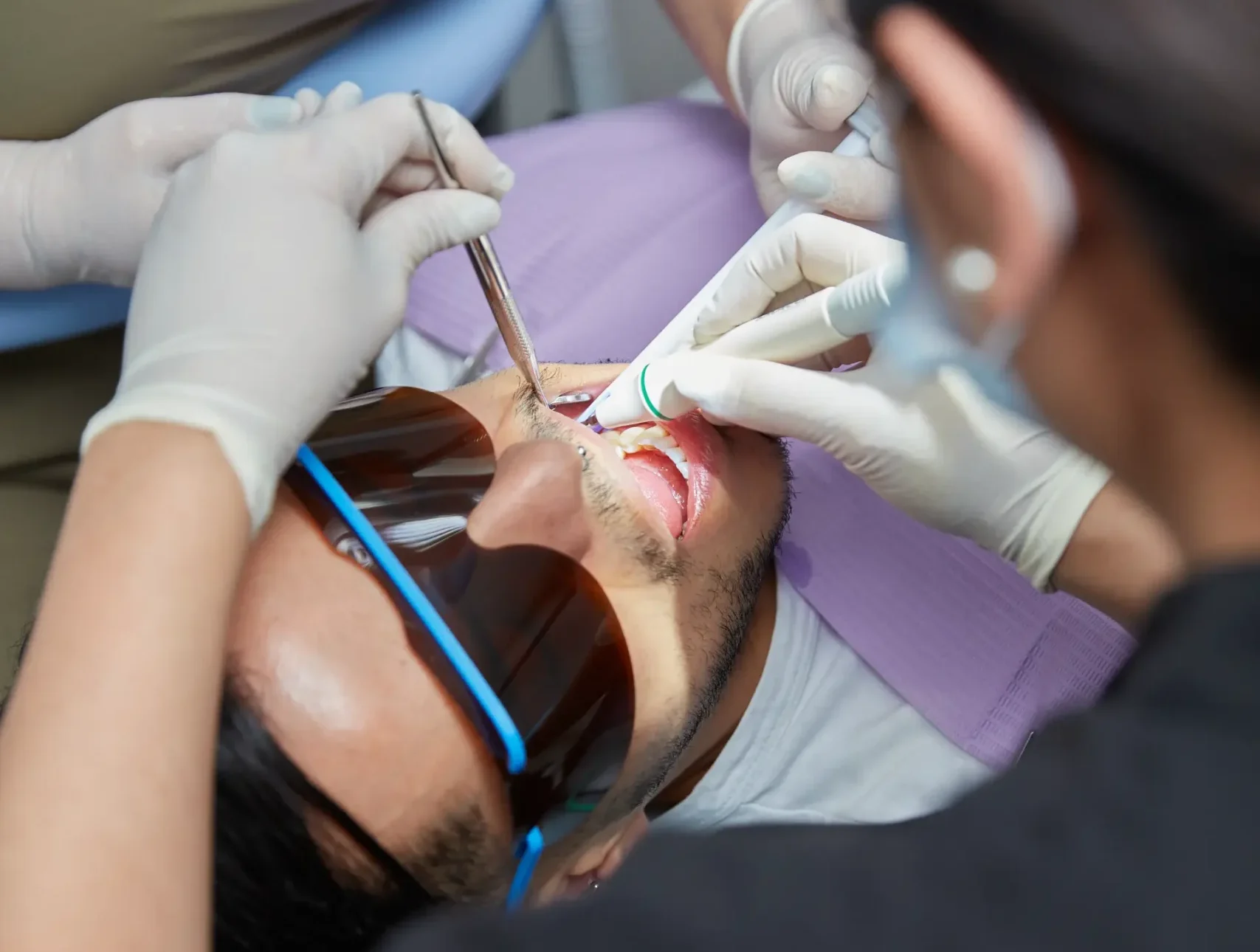
The examination begins with a visual inspection of your teeth, gums, and oral tissues. Your dentist will look for signs of decay, cracks, swelling, and gum disease. They will also check your jaw joint and muscles for tenderness or clicking.
Percussion Testing
Your dentist will tap on individual teeth with a small instrument. If a tooth is sensitive to tapping, it often indicates inflammation at the root tip. This test helps locate which tooth is causing the problem, even if the pain radiates to other areas.
Cold and Electric Pulp Testing
A cold test involves placing a small ice cube or cold spray on a tooth to see how the nerve responds. A healthy tooth will feel cold for a moment and then return to normal. A tooth with reversible pulpitis will hurt briefly. A tooth with irreversible pulpitis or necrosis will not respond at all or will hurt intensely and for a long time. Electric pulp testing uses a mild electrical current to stimulate the nerve. This provides more precise information about nerve vitality, especially when cold testing is unclear.
Radiographic Imaging
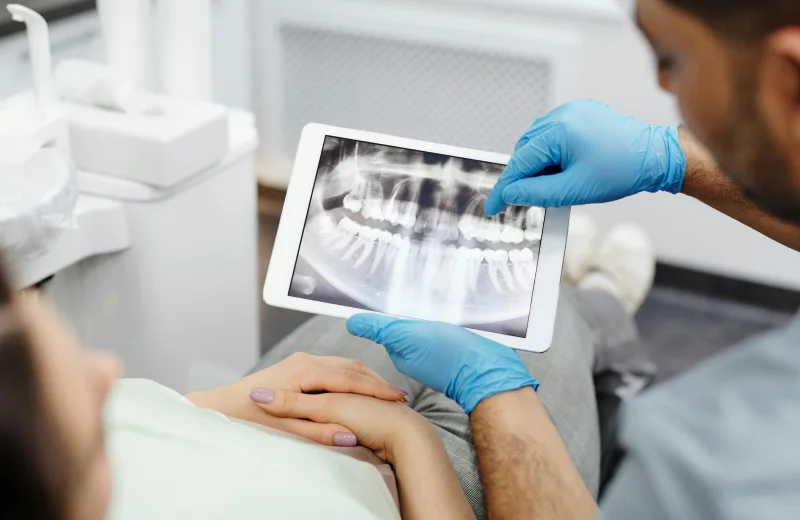
X-rays are essential for seeing what is happening beneath your gums. They can reveal cavities between teeth, abscesses at the root tip, bone loss from gum disease, and impacted wisdom teeth. Your dentist may also use a CBCT scanner, which creates a three-dimensional image of your teeth, jaw, and sinuses. This advanced imaging helps identify cracks, complex root canals, and sinus involvement that standard X-rays might miss.
Diagnostic Anaesthesia
If your dentist is still unsure about the source of your pain, they may inject a local anaesthetic to numb a specific nerve. For example, they might numb the lower jaw nerve on one side. If your pain disappears, the problem is in that area. If your pain continues, the source may be elsewhere, such as a sinus issue or muscle strain. This technique can help differentiate between dental and non-dental causes of pain.
Professional Treatment Solutions That Stop the Pain
Once your dentist identifies the cause of your radiating pain, they can recommend the appropriate treatment. Each treatment directly targets the underlying problem, not just the symptoms.
Root Canal Therapy
Root canal therapy is the standard, well-established treatment for pulpal necrosis and abscesses in most cases, though your dentist will confirm the best option after assessing your tooth. During this procedure, your dentist removes the infected or dead nerve tissue from the pulp chamber. The chamber is cleaned, disinfected, and sealed with a rubber-like material called gutta-percha. The relief is often immediate because removing the inflamed nerve stops the pain signals. After the procedure, you may have some mild soreness from the work, but the severe radiating pain resolves quickly. A crown is usually placed over the tooth later to protect it from fracture.
Incision and Drainage with Antibiotics
If an abscess has caused significant swelling, your dentist may need to drain the pus before starting root canal therapy. They make a small incision in the gum to allow the infection to drain out. This relieves pressure and reduces pain rapidly. Antibiotics may be prescribed to control the spread of infection, especially if you have swelling in your face or neck, fever, or difficulty swallowing. Amoxicillin and clindamycin are commonly used. Antibiotics are typically used alongside dental treatment, not as a standalone cure.
Occlusal Splints and Muscle Relaxants
For radiating pain caused by bruxism or TMJ disorders, an occlusal splint is often the first line of defence. This custom-made nightguard fits over your teeth and prevents clenching and grinding. It also repositions your jaw to reduce muscle strain. We also recommend muscle relaxants or anti-inflammatory medication for short-term relief. Physiotherapy exercises for the jaw, stress management techniques, and dietary adjustments can all help reduce muscle tension over time.
Surgical Extraction
Impacted wisdom teeth that cause pain, infection, or damage to adjacent teeth usually need to be removed surgically. Your dentist or an oral surgeon will make an incision in your gum to access the tooth. The tooth may be removed in sections if it is deeply embedded. Once the tooth is removed, the pressure on the inferior alveolar nerve is gone, and the radiating pain stops. Recovery takes a few days, and you will receive instructions on how to manage swelling and discomfort afterwards.
| Condition | Primary Treatment | Additional Options |
| Pulpal Necrosis/Abscess | Root Canal Therapy | Antibiotics, Drainage |
| Bruxism/TMJ | Occlusal Splint | Muscle Relaxants, Physiotherapy |
| Impacted Wisdom Tooth | Surgical Extraction | Antibiotics if infected |
| Sinusitis | ENT Referral | Decongestants, Antibiotics |
| Cracked Tooth | Crown | Extraction if severe |
| Trigeminal Neuralgia | Neurologist Referral | Medication for nerve pain |
Preventing Radiating Pain Before It Starts
Preventing radiating tooth pain is easier than treating it. The key is to catch problems early and maintain good oral health.
Interceptive Dentistry
Small cavities do not cause radiating pain. They cause mild sensitivity that you might notice when eating sweets or drinking cold water. At this stage, a small filling is all that is needed. The procedure is simple, and the tooth is restored to full function. Regular check-ups allow your dentist to find and treat these small cavities before they reach the pulp. This is why six-monthly visits are so important. This is why regular check-ups matter; your dentist can recommend a check-up interval based on your individual oral health needs. Periodic X-rays, recommended by your dentist based on your risk of decay, help detect problems between teeth that aren’t visible to the naked eye.
Managing Bruxism
If you grind or clench your teeth, you may not even know it until you wake up with jaw pain or headaches. A nightguard can protect your teeth and reduce muscle strain, but you may also need to address the underlying causes. Stress management, reducing caffeine and alcohol intake, and practising jaw relaxation exercises can all help.
Dietary Moderation
The bacteria that cause tooth decay feed on sugars and refined carbohydrates. Reducing your intake of sugary drinks, sweets, and processed snacks reduces the acid attack on your tooth enamel. Over time, this protects your enamel and prevents dentin exposure. If you do consume sugary foods, try to have them with meals rather than as snacks, and rinse your mouth with water afterwards.
Professional Maintenance
Your dentist can remove plaque and tartar that you cannot reach with brushing and flossing. Professional cleaning also helps prevent gum disease, which can contribute to tooth mobility and nerve irritation. If you have signs of gum disease, such as bleeding or swollen gums, your dentist may recommend more frequent cleanings or specific treatments to protect your gum tissue and supporting bone.
Frequently Asked Questions
Can radiating tooth pain be a sign of a heart attack?
Radiating jaw pain can sometimes be a symptom of a heart attack, especially in women. If your jaw pain is accompanied by chest tightness, shortness of breath, nausea, sweating, or pain spreading to your arm or shoulder, this could be a medical emergency. Call 000 or go to your nearest emergency department immediately; do not wait to see a dentist. This type of pain is usually described as a heavy ache in the jaw and may travel to the left arm or shoulder. It is not typically associated with dental issues like decay or gum disease.
Why does my tooth hurt more when I lie down?
Lying down increases blood pressure in your head and face. This raises the pressure inside your tooth pulp, which is already inflamed. The increased pressure makes throbbing pain worse. Sleeping with your head elevated can reduce this effect and help you rest more comfortably.
Is radiating pain always a sign that I need a root canal?
No. Radiating pain can also be caused by sinusitis, TMJ disorders, muscle strain, or nerve conditions. This is why diagnosis is so important. Your dentist will perform tests to determine the exact source of your pain before recommending treatment.
How long does radiating pain last after a root canal?
The severe, radiating pain that you experienced before the root canal resolves almost immediately once the nerve is removed. You may have mild soreness from the procedure for 24 to 48 hours, but this is usually manageable with over-the-counter pain relievers and should not radiate to other areas.
Can antibiotics alone treat radiating tooth pain?
Antibiotics treat bacterial infections, but they do not remove the source of the problem. If an abscess is caused by necrotic pulp, the dead tissue remains inside the tooth. The infection can return as soon as the antibiotics are stopped. Root canal therapy or extraction is usually necessary to eliminate the problem.
Final Thought
Radiating tooth pain is more than just a nuisance. It is a signal that your body is fighting an infection, dealing with injury, or responding to strain that needs professional attention. The pain travels because your facial nerves connect your teeth to your jaw, ear, and sinuses, and when inflammation builds up, it spreads along these pathways. Temporary measures like cold compresses, clove oil, and anti-inflammatory medication can help you manage discomfort while you arrange an appointment. But these are stopgaps, not cures. An abscess will not heal without drainage and root canal therapy. A cracked tooth will not seal itself. Bruxism will not stop without intervention.
At Burwood Diamond Dental, we combine advanced diagnostic tools like digital scanners and CBCT imaging with experienced clinical judgement to find the exact source of your pain. We offer the full range of treatments, from root canal therapy and occlusal splints to surgical extractions and restorative crowns. Our team understands that pain is stressful, and we prioritise clear communication and gentle care to make your visit as comfortable as possible.