A damaged tooth does not always mean the same treatment for every patient. Some teeth only need a small filling, some need a crown, and some cannot be saved at all and require a dental implant. The challenge for most patients in Australia is understanding where their case fits in this range. Pain, visible decay, or a broken tooth often creates confusion about what treatment is actually needed.
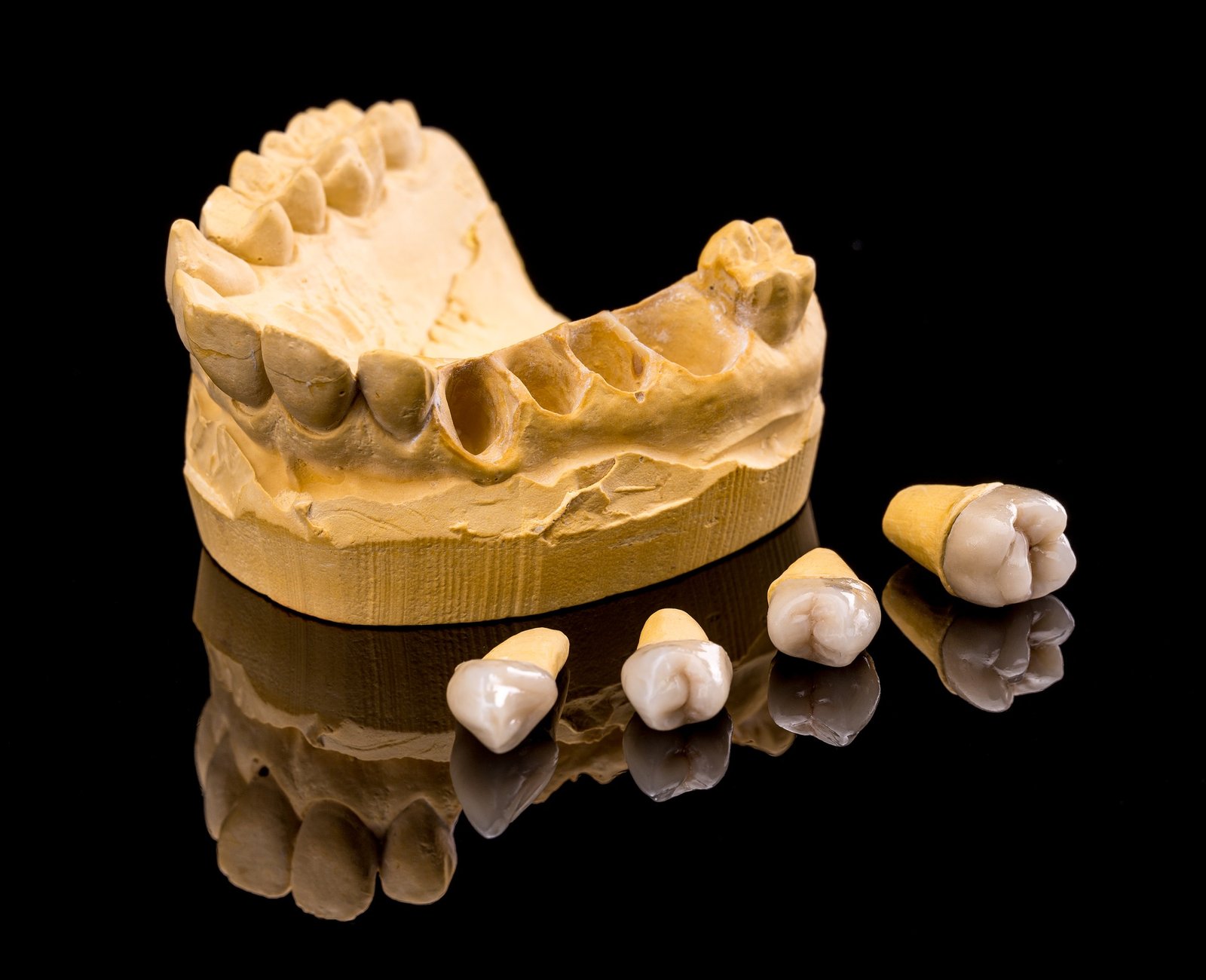
Dental fillings are designed for small areas of decay where the tooth structure is still strong enough to support restoration. However, once damage becomes deeper or spreads across a large portion of the tooth, a filling stops being a reliable option. At that stage, dentists begin looking at crowns or implants depending on how much healthy tooth remains and whether the root is still stable.
A key point many patients miss is that tooth treatment follows a progression. A small cavity may start with a filling. If the damage grows, a crown is needed to protect what remains of the tooth. If the structure is too weak or the root is infected or fractured, the tooth may need to be removed and replaced with a dental implant. This step-by-step progression helps preserve natural teeth as long as possible, but also ensures long-term stability when saving the tooth is no longer realistic.
To make this clearer, dentists often rely on three main treatment categories:
| Treatment option | Condition of tooth | Main purpose |
| Filling | Minor decay, strong tooth structure | Restore small damage |
| Crown | Moderate damage, intact root | Protect weakened tooth |
| Dental implant | Tooth cannot be saved or extracted | Replace missing tooth root |
This classification is important because patients often assume a filling can fix any tooth problem. In reality, once structural loss crosses a certain point, fillings can fail repeatedly, causing more damage over time. Repeated fillings can also weaken the remaining tooth structure, which increases the chance of fracture.
Another important factor is root health. Even if the visible part of the tooth looks repairable, damage below the gum line or infection in the root can change the entire treatment plan. In such cases, saving the tooth may no longer be the safest option, and a dental implant becomes a more stable long-term solution.
Bone support also plays a major role. If infection or gum disease has already reduced the surrounding bone, the tooth may become loose. A loose tooth cannot be restored with a filling because fillings do not address bone stability. This is where implants are considered, since they replace the root structure and integrate with the bone for long-term support.
Patients often delay treatment because symptoms appear mild at first. A small crack, occasional sensitivity, or minor discomfort may not seem urgent. However, these signs can indicate deeper structural damage that progresses over time. Early assessment at a dental clinic helps prevent the condition from reaching a stage where extraction becomes the only option.
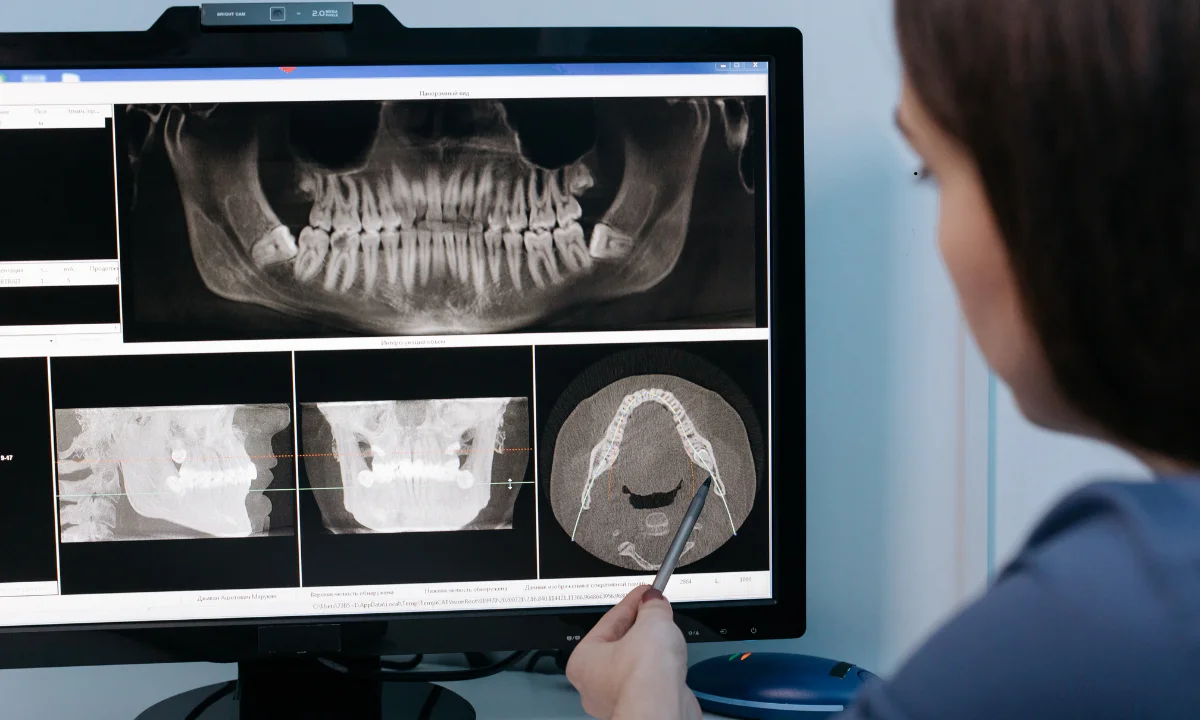
At Burwood Diamond Dental, the evaluation process typically includes a detailed examination, dental X-rays, and when needed, 3D CBCT imaging. This allows dentists to see beyond the surface and understand whether the tooth can still be saved or if implant replacement is a more predictable solution.
The goal of this stage is simple: preserve natural teeth whenever possible, but choose replacement when long-term stability cannot be achieved. This decision is based on function, health, and durability rather than appearance alone.
7 Clear Signs You May Need a Dental Implant Instead of a Filling
When a tooth starts showing damage, the key clinical question is whether it can still be restored or if it has crossed the point where a filling is no longer effective. In many cases seen in Australian dental clinics, including restorative consultations at Burwood Diamond Dental, patients arrive after repeated fillings or ongoing pain that signals deeper structural failure. These signs are not random. They usually reflect a clear progression from minor decay to full tooth breakdown. Below are the seven most reliable indicators dentists use to decide that a dental implant may be needed instead of another filling.
1. Decay has reached deep inner tooth layers
When decay moves beyond the outer enamel and reaches the inner dentin or pulp, the tooth loses structural integrity. At this stage, a filling is no longer enough because it only restores surface damage, not internal infection or structural collapse.
Patients often experience:
- Sharp sensitivity to hot or cold
- Spontaneous tooth pain
- Deep aching sensation
If the pulp becomes infected or inflamed, root canal treatment may be considered. However, in cases where decay is too extensive, extraction followed by an implant becomes the more stable long-term solution.
2. Tooth fracture extends below the gum line
A cracked tooth is one of the most common reasons fillings fail repeatedly. When a fracture extends below the gum line or reaches the root, the tooth can no longer hold restorative material securely.
Typical signs include:
- Pain while chewing on one side
- Sudden sharp pain when biting
- Visible crack or split line in tooth
Subgingival fractures are difficult to restore because the damage is not accessible for proper bonding. In these cases, implants are often recommended after extraction.
3. Repeated failure of previous fillings
If a tooth has already been filled multiple times and continues to break or decay, it is usually a sign that the remaining structure is too weak. This often presents as:
- Fillings falling out frequently
- Increasing size of each new cavity
- Tooth breaking around filling edges
Repeated restorations gradually remove more healthy tooth structure, reducing long-term survival of the tooth. When this cycle continues, a dental implant becomes a more predictable solution.
4. Root canal treated tooth fails again
A tooth that has already undergone root canal treatment is more fragile because its nerve supply has been removed. While many such teeth last for years, some become reinfected or structurally weak again.
Warning signs include:
- Return of pain after root canal
- Swelling near treated tooth
- Persistent infection seen on X-rays
If retreatment is not successful, extraction and implant placement is often recommended to restore full function.
5. Severe loss of visible tooth structure
When more than half of the tooth crown is missing due to decay or fracture, there is often not enough material left to support a filling or even a crown.
Common situations include:
- Large broken-down molar
- Tooth eroded down to gum level
- Extensive decay affecting multiple surfaces
At this stage, restoring the tooth becomes unreliable, and implant replacement is usually considered after extraction.
6. Advanced gum disease causing tooth mobility
Gum disease does not only affect gums; it also destroys the bone that holds teeth in place. Once bone loss progresses, the tooth becomes loose and unstable.
Signs include:
- Movement while chewing or speaking
- Gum recession exposing tooth roots
- Bleeding gums with minimal pressure
A filling cannot fix bone loss. If stability cannot be restored through periodontal treatment, tooth removal and implant replacement may be required.
7. Extraction recommended as the only viable option
In some cases, the tooth is already beyond repair at the time of diagnosis. Dentists may recommend extraction due to:
- Severe infection
- Deep structural fracture
- Advanced bone loss
- Non-restorable decay
Once extraction is done, a dental implant becomes the most effective way to replace both function and appearance of the missing tooth.
| Sign | Severity level | Likely treatment direction |
| Minor decay | Low | Filling |
| Deep decay | High | Crown or root canal |
| Repeated filling failure | Medium–high | Crown or implant |
| Root canal failure | High | Extraction + implant |
| Tooth mobility | High | Periodontal treatment or implant |
| Severe fracture | Very high | Implant |
Clinical Assessment Before Recommending a Dental Implant
Before recommending a dental implant, dentists follow a structured diagnostic process to understand whether a tooth can still be saved or if replacement is the most reliable option. This step is important because treatment decisions are based on measurable clinical findings rather than visible damage alone.
Examination process
Dentists first assess the tooth directly inside the mouth to understand its condition:
- Visual inspection of tooth structure and cracks
- Gum health check for swelling, redness, or bleeding
- Tooth stability testing to check mobility
- Bite pressure assessment to detect stress points
This helps identify whether the problem is surface-level or deeper inside the tooth and surrounding tissues.
Imaging diagnostics
If the clinical exam shows signs of deeper damage, imaging is used for accurate internal assessment:
- Dental X-ray → evaluates decay depth, root condition, and infection signs
- CBCT 3D scan → provides detailed view of bone support, infection spread, and implant suitability
These tools help dentists see bone loss or hidden infection that cannot be detected visually.
Functional checks
Dentists also evaluate how the tooth behaves during normal use:
- Chewing force distribution across the bite
- Alignment of upper and lower teeth (occlusion)
- Detection of hidden infection beneath the gum line
These checks help determine whether the tooth is under abnormal stress or losing stability during function.
What Happens If the Tooth Is Left Untreated
Ignoring a damaged tooth can lead to gradual but serious oral health complications. What starts as a small cavity or crack can progress into deeper structural damage if left untreated.
- Decay spreads deeper into the root structure
- Infection reaches surrounding bone tissue
- Bone loss reduces future implant success
- Nearby teeth begin shifting, affecting bite alignment
- Treatment becomes more complex, longer, and more costly over time
Delaying care often limits treatment options and increases the need for surgical procedures such as extraction and bone grafting later.
Dental Implant as the Final Replacement Option
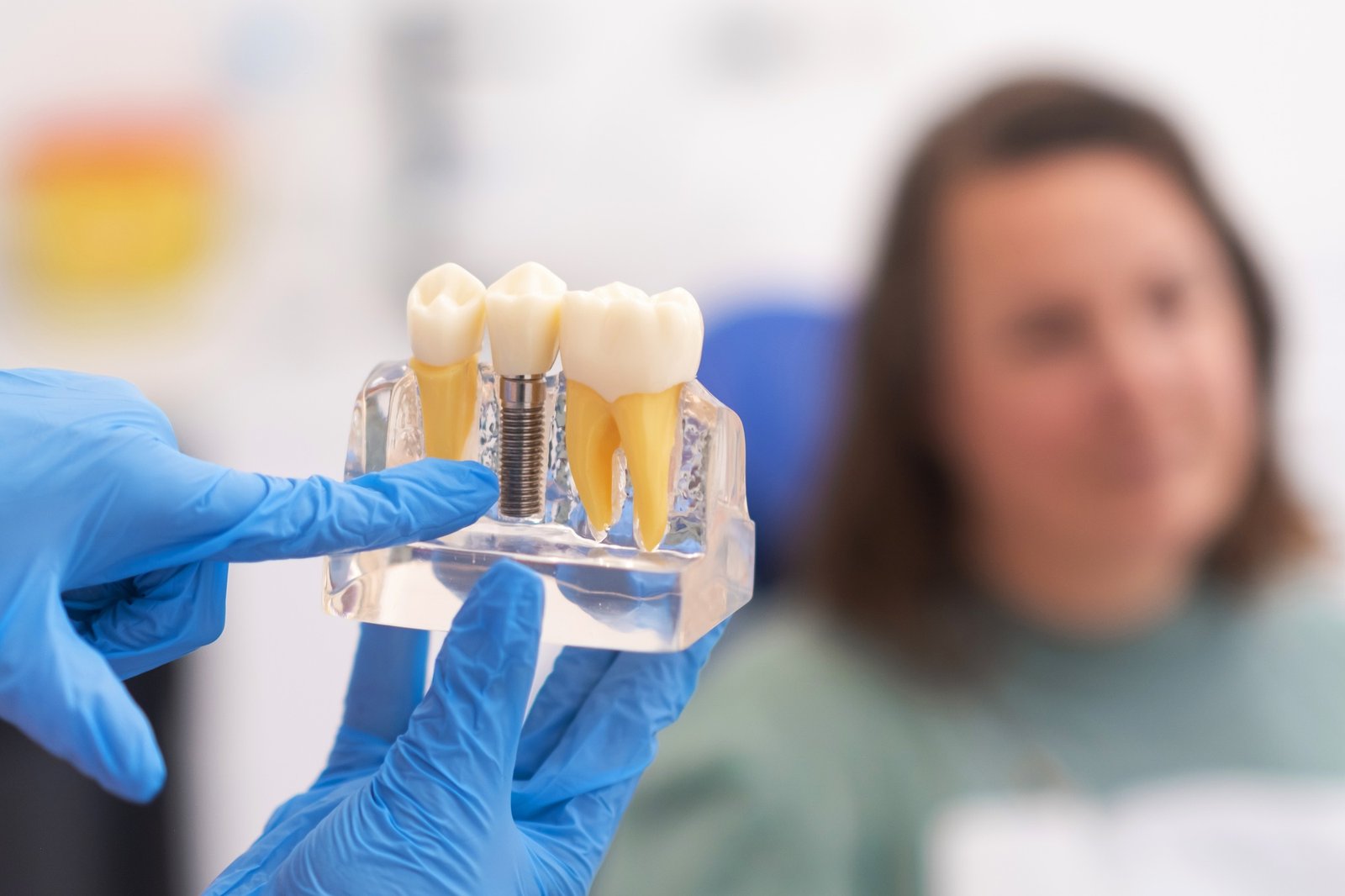
When a tooth can no longer be restored, a dental implant becomes the most stable long-term replacement option. Unlike fillings or crowns, an implant replaces the entire tooth structure, including the root.
- A titanium implant acts as an artificial tooth root
- The implant integrates with jawbone through osseointegration
- A custom crown is placed on top to restore appearance and function
- The final result restores natural chewing ability and stability
Dental implants are widely used because they do not depend on damaged tooth structure and help maintain jawbone strength over time.
What Treatment Path Looks Like if a Dental Implant Is Needed
If extraction and implant placement are required, treatment follows a structured clinical pathway:
- Tooth extraction (if the tooth cannot be saved)
- Bone assessment to check structural support
- Bone grafting if bone loss is present
- Healing phase to allow bone stabilisation
- Implant placement into the jawbone
- Osseointegration period where bone fuses with implant
- Final crown placement for full restoration
Each step is designed to ensure long-term implant stability and proper function.
Implant vs Filling vs Crown: Long-Term Outcome Comparison
| Treatment | Best suited for | Limitation | Typical lifespan |
| Filling | Small decay with strong tooth structure | Not suitable for large damage | 5–10 years |
| Crown | Moderate tooth damage with stable root | Requires healthy root support | 10–15 years |
| Implant | Tooth loss or severe damage | Surgical procedure required | 20+ years |
This comparison helps patients understand why implants are recommended only when other restorative options are no longer reliable.
Benefits of Choosing a Dental Implant When Tooth Cannot Be Saved
Dental implants are used when tooth preservation is no longer possible. They provide long-term stability and restore full oral function.
- Permanent replacement for missing teeth
- Prevents jawbone loss after extraction
- Restores full chewing strength and function
- Does not rely on damaged or weakened tooth structure
- Offers high long-term success when maintained properly
This makes implants a predictable and stable solution for severe tooth damage cases.
When You Should Act Immediately
Certain symptoms indicate the need for urgent dental assessment:
- Severe or persistent tooth pain
- Visible crack or fracture below gum line
- Swelling or pus around the tooth
- Tooth becoming loose or unstable
- Difficulty chewing on one side of the mouth
Early action reduces the risk of infection spreading and helps preserve more treatment options.
Frequently Asked Questions
How do I know if I need a filling or a dental implant?
A filling is suitable for minor decay, while implants are needed when the tooth is too damaged or cannot be restored.
Can a badly damaged tooth still be saved?
Yes, if enough healthy structure and root support remain. Otherwise, extraction may be required.
What happens if I delay replacing a broken tooth?
Damage can progress to infection, bone loss, and more complex treatment later.
Is a dental implant better than a crown?
A crown saves a natural tooth, but an implant is used when the tooth cannot be preserved.
How long do dental implants last compared to fillings?
Implants can last 20+ years, while fillings usually last 5–10 years.
Is tooth extraction always required before an implant?
Yes, if the natural tooth cannot be saved, extraction is the first step before implant placement.
Conclusion: Making the Right Treatment Decision Early
Choosing between a filling and a dental implant depends on how much healthy tooth structure is still present. Small cavities and minor damage can often be treated with fillings, but when the tooth becomes structurally weak or infected, implants become the more stable long-term option. Early dental assessment helps prevent complications such as infection spread, bone loss, and unnecessary tooth loss. With timely diagnosis, many teeth can still be saved, but when restoration is no longer possible, dental implants provide a reliable way to restore function, comfort, and oral health. For patients in Australia, visiting an experienced dental clinic ensures that the right treatment is chosen based on clinical evidence rather than symptom severity alone.