Reviewed and Updated: April 28, 2026
Tooth pain can be alarming and interfere with your daily life, affecting your ability to eat, speak, and smile confidently. In many cases, persistent tooth discomfort or sensitivity signals that the dental pulp, the soft tissue inside your tooth, may be inflamed or infected. A Root Canal / Endodontic Treatment is a proven solution to relieve pain, eliminate infection, and save your natural tooth. Millions of teeth are treated with root canals each year, and patients in Australia can benefit from modern techniques that make the procedure efficient and relatively comfortable. At Burwood Diamond Dental, our experienced dentists and endodontists provide personalised care, diagnostic evaluation, and professional guidance to determine whether a root canal is the right option for you.
Unlike tooth extraction, a root canal preserves the natural tooth structure while addressing the source of pain. This treatment is essential when the pulp, which contains nerves, blood vessels, and connective tissue, becomes infected due to deep decay, trauma, or repeated dental procedures. By removing the inflamed pulp and sealing the canal with gutta-percha, followed by restoration with a crown or filling, patients can maintain natural chewing function, avoid shifting teeth, and protect surrounding oral structures.
Understanding Tooth Anatomy and Why a Root Canal Is Needed
Anatomy of a Tooth
A proper understanding of tooth anatomy helps explain why a root canal may be necessary. Each tooth has three main layers:
- Enamel – The hard, outer layer that protects the tooth from decay and damage.
- Dentin – The layer beneath enamel, which is slightly softer and transmits sensations to the pulp.
- Pulp – The innermost soft tissue, containing nerves, blood vessels, and connective tissue. The pulp is responsible for tooth vitality, sensation, and nutrient supply.
Modern endodontic techniques allow teeth to remain functional even after the pulp is removed, making Root Canal / Endodontic Therapy a safe and effective procedure to relieve pain while preserving your natural tooth.
Causes That Lead to Root Canal Treatment
Root canal treatment is typically required when the dental pulp becomes inflamed or infected. Common causes include:
- Deep tooth decay that reaches the pulp and allows bacteria to infiltrate
- Repeated dental procedures or large fillings that weaken the tooth
- Cracked or chipped teeth caused by trauma or biting hard foods
- Faulty crowns or fillings that allow bacterial infection
- Gum disease that affects the tooth root and pulp
If left untreated, pulp infection can result in severe tooth pain, abscess formation, and potential bone loss at the tooth site. Timely treatment prevents complications and preserves the tooth for long-term function.
Signs and Symptoms Indicating a Root Canal
Patients may suspect they need a root canal if they experience the following symptoms/signs:
- Persistent or throbbing tooth pain
- Sensitivity to hot or cold foods and drinks
- Swelling or tenderness in the surrounding gums
- Chipped or cracked tooth exposing the pulp
- Tooth discolouration or darkening
- Presence of an abscess or pus near the affected tooth
- Loose teeth caused by infection or decay
Early recognition of these symptoms allows for prompt intervention by an endodontist or dentist, reducing the risk of more invasive procedures like extraction or dental implants.
What Happens During a Root Canal Procedure
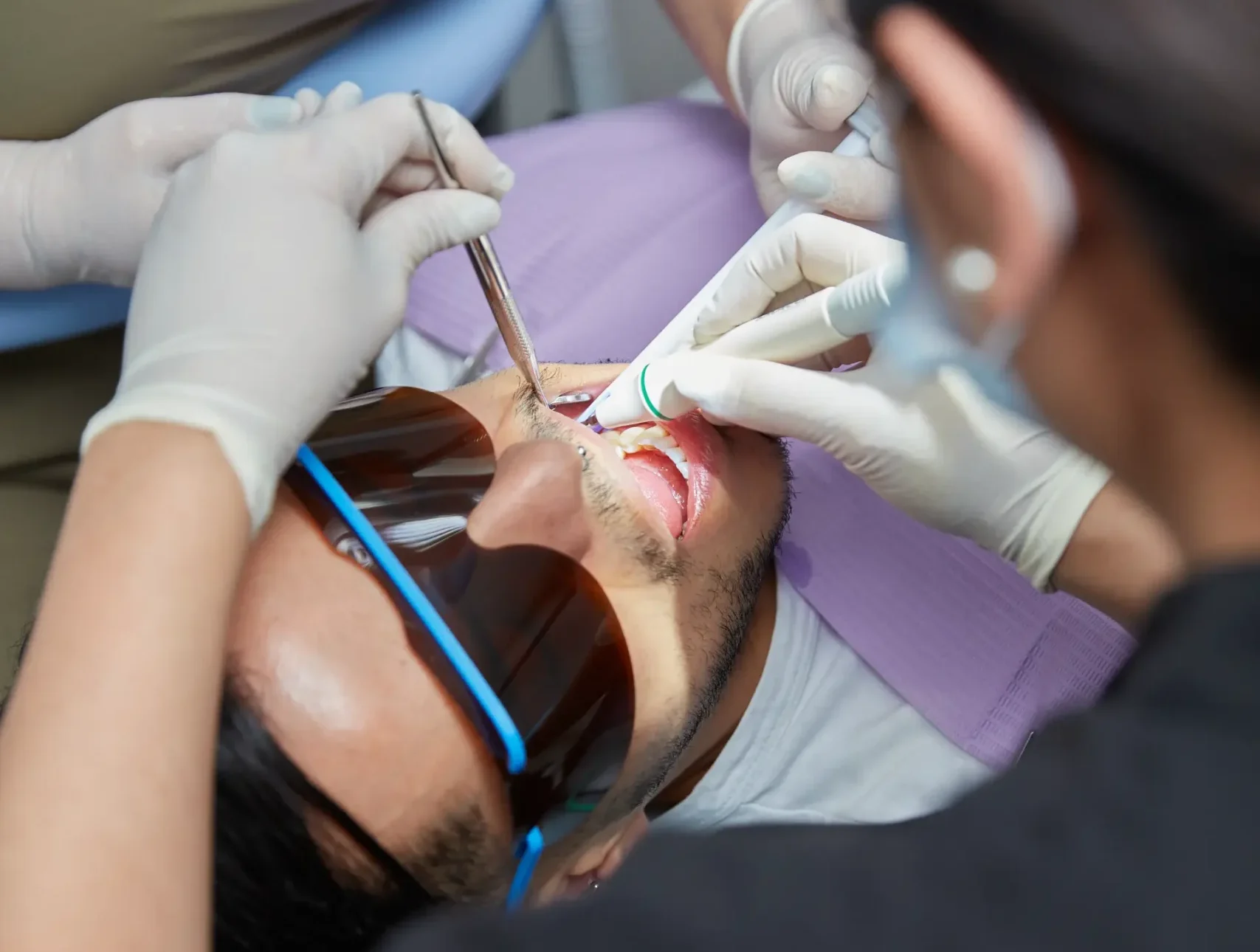
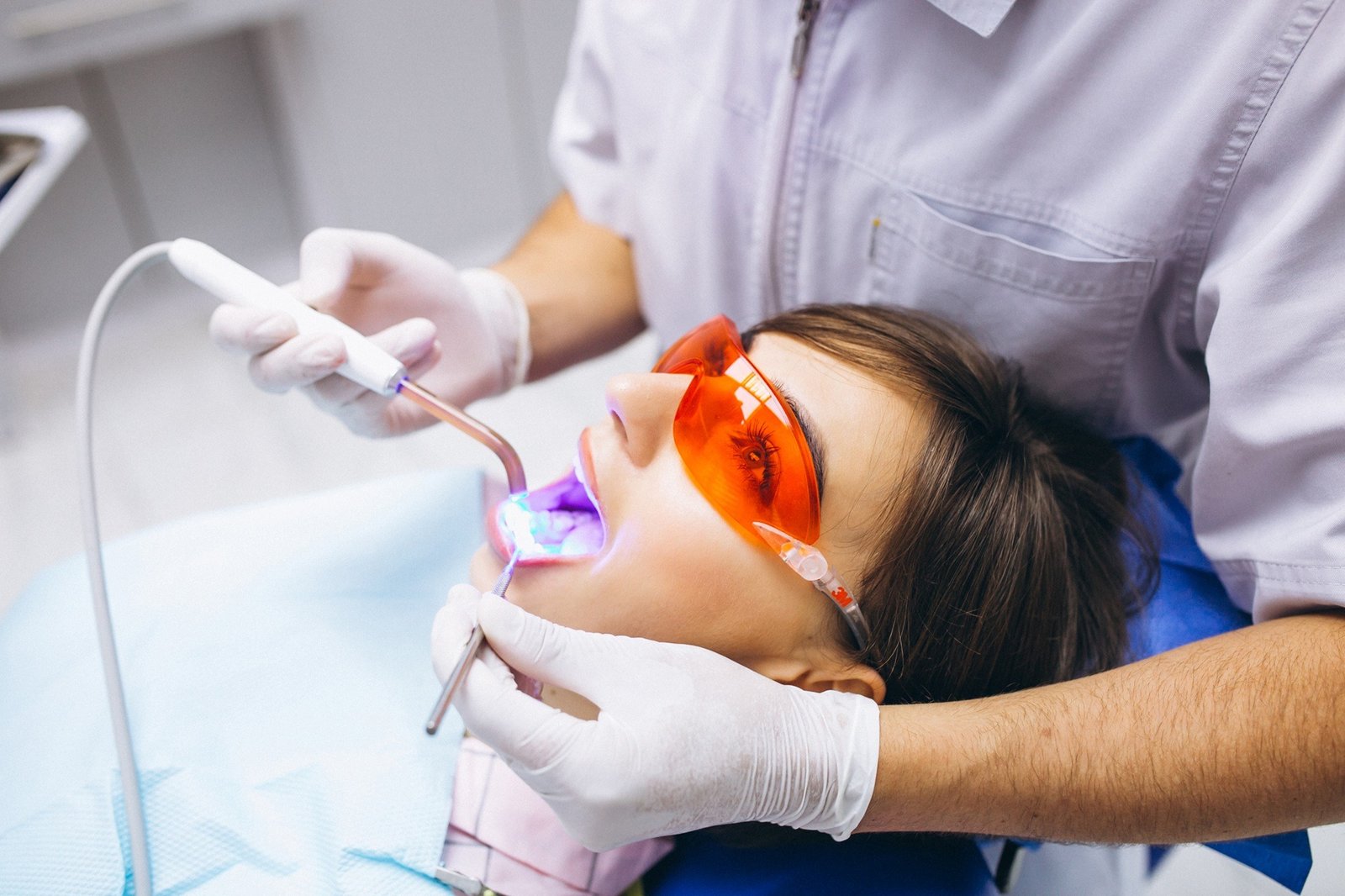
A Root Canal / Endodontic Treatment is a focused dental procedure designed to remove infection or inflammation from the dental pulp while preserving the natural tooth. With modern techniques and proper pain management, the procedure is efficient and generally well-tolerated by patients in Australia.
Examination and Diagnosis
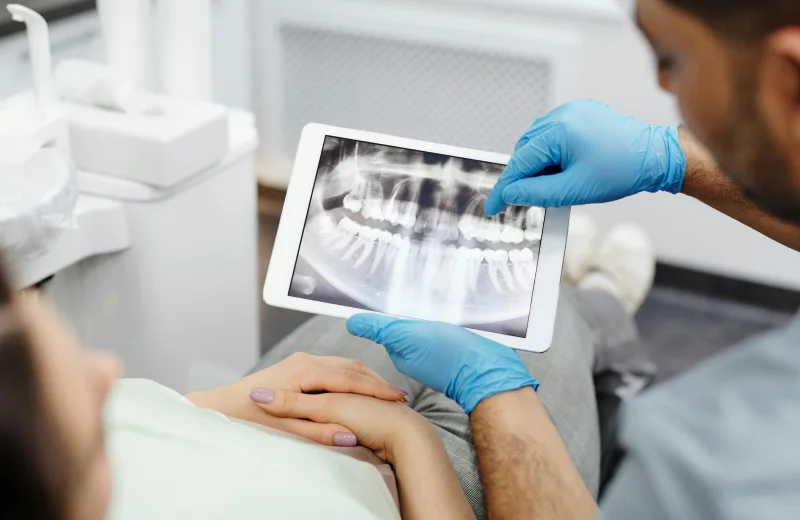
Before any treatment begins, your dentist or endodontist will conduct a thorough evaluation using diagnostic tools such as clinical examination and dental X-rays. These assessments confirm the health of the tooth, locate areas of infection or abscess, and help plan the safest approach. Pulp vitality tests, including tapping or hot/cold sensitivity checks, determine whether the dental pulp is alive, inflamed, or necrotic. Accurate diagnosis ensures the procedure addresses the root cause of pain effectively.
Anaesthesia and Comfort
Pain management is a priority during a root canal. Local anaesthesia is used to numb the tooth and surrounding jawbone / gums, allowing the procedure to be virtually painless. In certain cases, sedation may be offered for patients who experience anxiety. Modern techniques ensure that patients feel little to no discomfort, with only minimal pressure or vibrations during the removal of the pulp.
Step-by-Step Procedure
The Root Canal / Endodontic Therapy typically follows a series of precise steps:
- Accessing the Tooth Pulp – A small opening is created in the enamel and dentin to reach the pulp chamber.
- Removal of Inflamed or Infected Pulp – The soft tissue inside the tooth, including blood vessels, nerves, and connective tissue, is carefully extracted.
- Cleaning and Shaping the Canals – Specialized dental tools remove debris and shape the canals for filling, ensuring thorough disinfection.
- Filling the Canals with Gutta-Percha – The cleaned canals are sealed using gutta-percha, a rubber-like material that prevents reinfection.
- Restoration with a Crown or Filling – A crown or filling is placed to restore tooth function, protect it from fracture, and maintain natural appearance.
In some cases, additional procedures such as a post placement may be required to reinforce the tooth before the crown is attached. Your dentist/endodontist ensures all steps are performed safely and precisely to optimize healing.
Duration of the Procedure
Most root canal treatments are completed in one or two appointments, depending on the complexity of the tooth and the extent of infection. Single-rooted teeth, like incisors, may be treated more quickly, while multi-rooted teeth, such as molars, can require longer or multiple visits. Complex cases may also involve procedures like bone grafting or treatment of previously damaged teeth. Despite these variations, modern dental procedures in Australia aim to reduce discomfort and streamline treatment.
Pain Management During and After the Procedure
During treatment, local anaesthesia ensures the patient experiences little to no pain. Post-operative symptoms may include:
- Mild soreness or tenderness at the treated tooth
- Slight swelling in the surrounding gums
- Temporary sensitivity or discomfort when biting
These symptoms are typically short-lived and can be managed with over-the-counter pain relief, such as ibuprofen or acetaminophen, along with soft foods and gentle oral care. Maintaining proper oral hygiene practices is critical to prevent reinfection and support long-term healing.
Recovery Expectations
Immediately after a root canal, patients may notice numbness for a few hours. Most can return to normal activities the same day. Full healing, including complete osseointegration of the tooth with surrounding bone structures, occurs over several months, especially after the placement of a crown or filling. Regular follow-up appointments allow your dentist/endodontist to monitor progress and address any complications promptly.
Benefits of Root Canal Treatment
A Root Canal / Endodontic Therapy preserves your natural tooth while eliminating pain and infection. The procedure offers several key advantages for patients in Australia:
- Saves the Natural Tooth: Removing the infected pulp prevents the need for extraction, helping maintain your natural bite and appearance.
- Relieves Pain and Infection: Root canal treatment alleviates persistent toothache, sensitivity, and inflammation, restoring comfort.
- Maintains Chewing and Biting Function: Preserving the tooth ensures efficient chewing, preventing strain on surrounding teeth.
- Protects Adjacent Teeth: Treating the infected tooth prevents bacteria from spreading to nearby teeth, reducing the risk of further dental procedures.
- Supports Oral Health: By addressing infection promptly, the treatment reduces the likelihood of abscess formation, bone loss, and more invasive interventions such as dental implants or bridges.
Recovery Timeline and Post-Treatment Care
Following a root canal, most patients experience mild discomfort and tenderness for a few days. Understanding the recovery timeline helps set realistic expectations:
| Stage | Duration | Notes |
| Immediate Post-Procedure | 2–4 hours | Numbness from local anaesthesia |
| First Few Days | 1–3 days | Mild soreness, gum swelling, manageable with OTC pain relief |
| One Week | ~1 week | Symptoms generally subside; resume normal oral hygiene |
| Full Healing | Several months | Tooth fully integrates; crown or filling placed for protection and function |
During recovery, maintain oral hygiene practices by brushing gently, flossing around the treated tooth, and attending follow-up appointments. Avoid chewing hard foods until your crown or filling is fully restored.
Risks of Untreated Tooth Infection
If a tooth requiring a root canal is left untreated, complications may arise:
- Spread of infection to the surrounding jawbone or other teeth
- Formation of an abscess, causing swelling, pus, and severe pain
- Bone loss at the affected site complicates future treatment
- Increased likelihood of tooth extraction, leading to the need for implants, bridges, or partial dentures
- Chronic discomfort or functional difficulties when chewing
Early treatment with a Root Canal / Endodontic Therapy minimizes these risks and protects your oral health long-term.
Frequently Asked Questions (PAA-Style)
Is a root canal painful?
Modern techniques and local anesthesia make the procedure comfortable. Mild tenderness may persist for a few days but is manageable with over-the-counter pain relief.
How long does a treated tooth last?
With proper care and restoration using a crown or filling, many teeth last for decades without issues.
Will I need a crown after the root canal?
Yes, a crown protects the treated tooth from fracture and restores full chewing function.
How can I tell if I need a root canal?
Watch for persistent toothache, sensitivity to hot/cold, swelling, discoloration, or abscess formation. A consultation with a dentist or endodontist is essential for diagnosis.
Are root canals safe for children and adults?
Yes. The procedure is effective across age groups, provided proper diagnosis and technique are used.
Final Thoughts and Recommendations
A Root Canal / Endodontic Treatment is a safe, effective, and relatively pain-free solution for saving natural teeth while relieving infection and discomfort. Early intervention preserves oral health, prevents further damage, and restores chewing and biting function.
At Burwood Diamond Dental, patients in Sydney and surrounding areas receive professional care from skilled dentists and endodontists, modern treatment technologies, and free consultations to determine the most suitable approach. By addressing issues promptly and following post-treatment care, you can maintain a healthy, fully functional smile for years to come.