When you invest in a smile makeover, you want to know that your new look will stand the test of time without needing constant repairs. Many patients in Burwood ask exactly how often they should expect to refresh their porcelain veneers, often worrying that the process will be a recurring every-few-years chore. While porcelain is one of the most durable materials used in modern dentistry, it is not a permanent fixture that lasts forever.
The reality is that while the ceramic itself is incredibly tough, your mouth is a living, changing environment. Understanding the timeline for replacement helps you plan for the future and ensures that your dental health remains a priority alongside your appearance. At Burwood Diamond Dental, we focus on high-quality placement and long-term maintenance to make sure your investment lasts as long as biologically possible before a refresh is needed.
The Biological Clock: Why Replacement is Eventually Necessary
Even if a porcelain veneer is perfectly crafted, the natural tissues of your mouth continue to change as you get older. Your teeth and gums are not static; they shift, recede, and age, which eventually impacts how the veneer sits against your natural tooth. While the porcelain does not decay, the tooth structure underneath it and the gums surrounding it remain susceptible to change. Most replacements are driven by these biological shifts rather than a failure of the porcelain material itself. Over a decade or more, these small changes add up, eventually requiring a new set of veneers to restore the seal and the look of the smile.
Gingival Recession and Marginal Integrity
One of the primary reasons we see patients for veneer replacement in our Burwood clinic is gum recession. As you age, or if you brush too hard, your gums may begin to pull back from the edges of the veneers. This creates a small gap or a visible ledge at the gum line where the natural tooth root is exposed. This area, known as the margin, is prone to trapping plaque and can look like a dark or yellow line at the top of your teeth. Once the marginal integrity is lost, the veneer no longer provides a seamless transition, making it harder to clean and less attractive to look at. Protecting your investment starts with healthy tissue; be sure to watch for the early signs of gum disease to prevent recession from exposing your veneer margins.
Changes in the Underlying Tooth
The health of the tooth hidden behind the porcelain is vital for the longevity of the restoration. If a small cavity develops at the edge of the veneer, what we call secondary caries, it can spread underneath the ceramic shell. Because the veneer is bonded to the front, you might not see the decay until it becomes a larger problem. If the underlying tooth requires a filling or a root canal, the original veneer usually needs to be removed to access the damage. Regular check-ups allow us to use digital tools to monitor the health of these foundations, but eventually, the natural aging of the tooth may require a fresh start. If decay is left untreated beneath the porcelain, it can reach the nerve; in these cases, a root canal is required to save the tooth before a new veneer can be placed.
Wear and Tear on Bonding Agents
The chemical bond that holds the porcelain to your enamel is incredibly strong, but it is not completely immune to the passage of time. The resin cement used in the bonding process is exposed to constant moisture, temperature changes from hot and cold drinks, and the physical pressure of chewing thousands of times a day. Over ten to fifteen years, this bonding layer can begin to break down or become brittle. When the bond weakens, the veneer may start to feel slightly loose or may allow microscopic amounts of bacteria to leak behind the shell, which is a clear signal that the time for replacement has arrived.
Porcelain vs. Composite: Does the Replacement Frequency Differ?
When comparing materials, there is a significant difference in how often you will find yourself back in the dental chair for a replacement. Porcelain is a high-grade ceramic that is much harder and more stable than the resin used in composite veneers. This difference in material science directly impacts the replacement cycle and the total cost of ownership over several decades. While one material might be cheaper at the start, the frequency of replacement often makes the other a better long-term value for patients in the Inner West.
The 15-Year Porcelain Standard
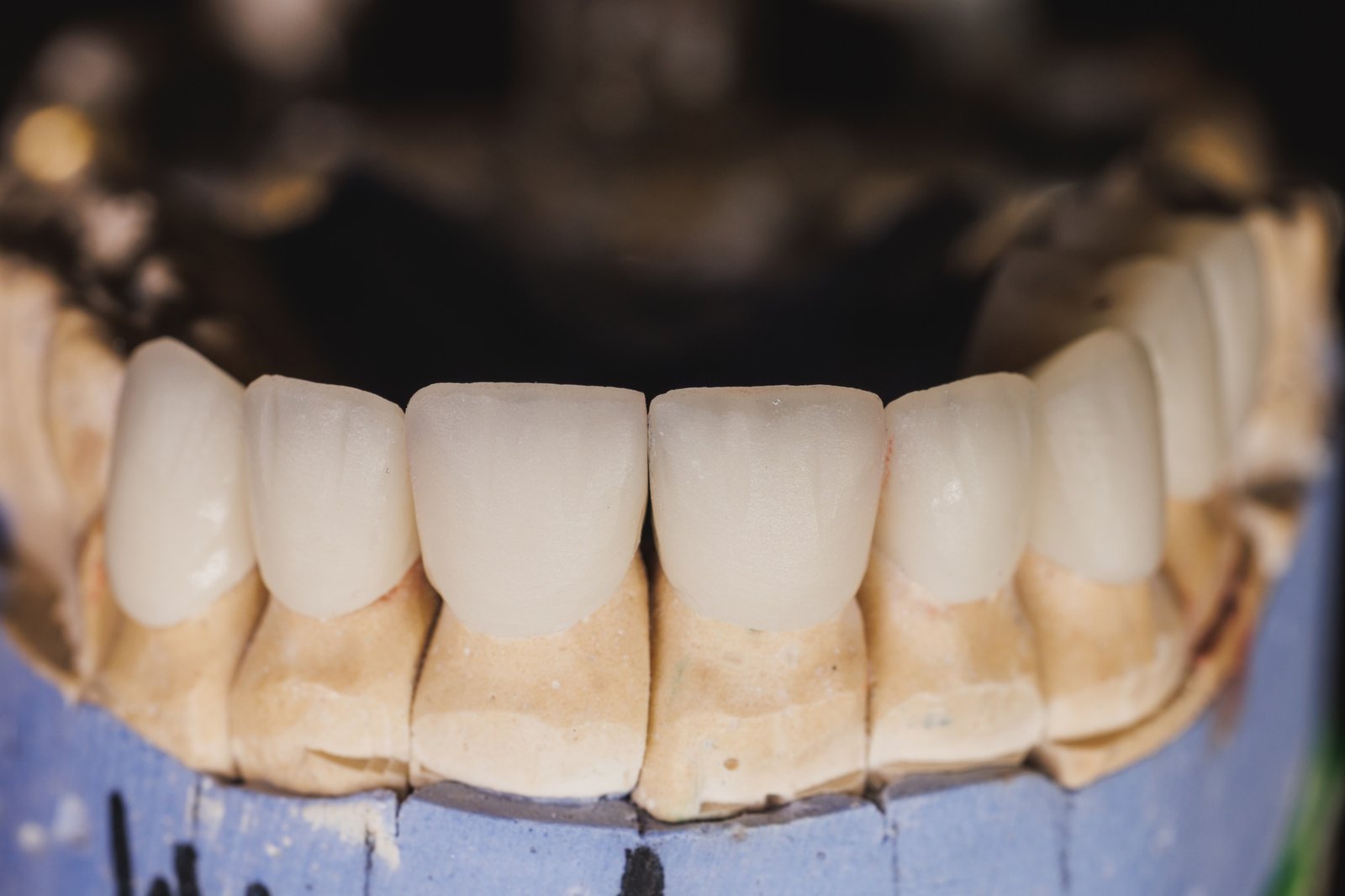
Porcelain veneers are famous for their longevity, typically lasting between 10 to 15 years, with many lasting even longer if they are well-maintained. The ceramic used is highly resistant to abrasion and does not pick up stains from coffee or food. This means the aesthetic lifespan matches the functional lifespan. Because they are custom-made in a lab to be extremely dense, they handle the daily stresses of a busy life in Sydney very well. You can usually expect a solid decade and a half of service before the biological factors mentioned above necessitate a new set.
The 5-7 Year Composite Cycle
Composite veneers are made from a plastic-based resin that is applied directly to the teeth. While they look great initially, the material is softer and more porous than porcelain. This means composite tends to wear down faster and can become dull or stained over time. On average, composite veneers need to be refurbished or fully replaced every 5 to 7 years. They are more likely to chip or lose their luster, requiring more frequent visits to the dentist to keep them looking their best.
Comparison Table: Expected Lifespan and Stability
| Feature | Porcelain Veneers | Composite Veneers |
| Typical Replacement Cycle | 10–15+ Years | 5–7 Years |
| Material Hardness | Very High (Ceramic) | Moderate (Resin) |
| Stain Resistance | Permanent | Tends to darken over time |
| Risk of Chipping | Low | High |
| Common Reason for Change | Gum recession/Age | Material wear/Staining |
6 Warning Signs Your Porcelain Veneers Are Reaching Their End
Even though porcelain veneers are designed to be long-term, they will eventually show signs that they need a professional refresh. Because porcelain is so strong, it often stays looking good on the surface while the bond or the tooth underneath starts to fail. Catching these signals early can prevent more expensive problems, such as needing a root canal or a crown. At Burwood Diamond Dental, we look for these specific indicators during your check-up to help you decide if it is time for a new set.
1. Visible Separation (The Dark Line)
When your gums recede, a dark or yellow line may appear where the veneer meets the tooth. This line indicates that the bond between the veneer and the tooth has weakened, exposing the root beneath. This can lead to tooth sensitivity or decay if not addressed.
2. Structural Compromise
Small cracks, chips, or craze lines may form on the veneer’s surface over time. Even minor damage can trap bacteria and lead to further deterioration. It’s essential to have any visible damage checked by your dentist before it worsens.
3. Changes in Bite Feel
If your teeth feel uncomfortable or heavy when chewing, it may signal that your veneers have shifted. Misalignment can put extra pressure on the veneers, causing them to crack or come loose. A dentist can check your bite and realign it if necessary.
4. Graying or Darkening
If the tooth beneath the veneer starts to show through and appears darker, it could mean that the bonding agent has deteriorated or the tooth underneath is aging. This discoloration can affect the appearance of your smile and may require a replacement veneer.
5. Rough Edges
If floss starts to snag or shred when you go between your veneers, it may indicate that the edges are breaking down. Rough or uneven edges can lead to oral hygiene issues and discomfort, and they should be evaluated by your dentist.
6. Debonding
If you notice your veneer feels loose or makes a clicking sound when you speak, it’s a sign that the bond is failing. A loose veneer can be easily lost or cause damage to the underlying tooth, so it’s important to address this immediately to prevent further complications.
The Replacement Process: What Happens During a Refresh?
Replacing veneers is a detailed process that is very similar to your first treatment, but it requires even more precision to protect your natural teeth. Our goal is always to be as conservative as possible, preserving the healthy enamel you still have. Using modern technology, we can make the transition from old veneers to new ones smooth and efficient, often resulting in a new set that fits even better than the first.
Diagnostic Assessment and Planning
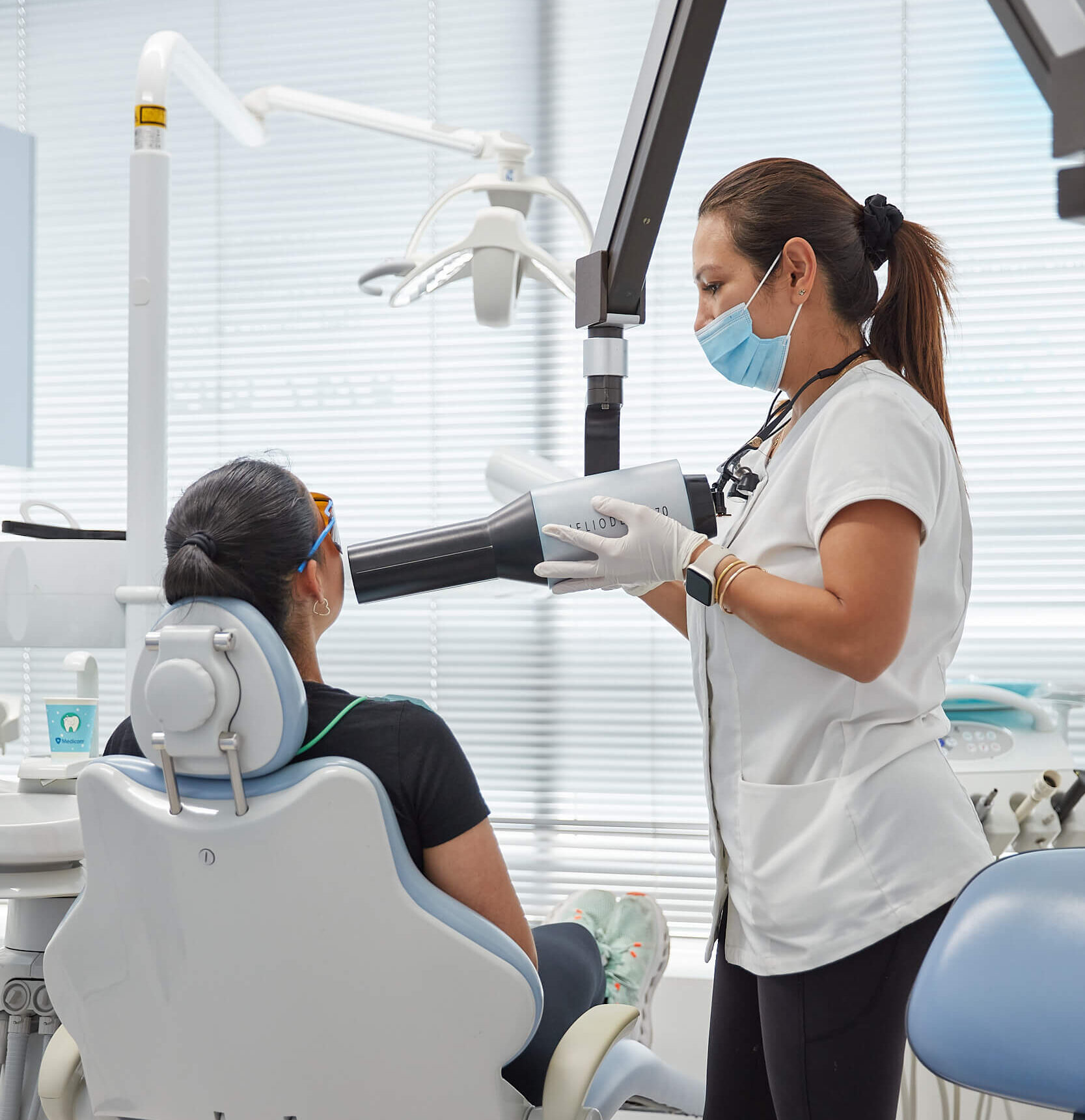
The first step is a thorough evaluation using our digital iTero scanners. We need to see exactly why the old veneers are failing. Is it just a matter of looks, or is there decay underneath? We take 3D images to plan the new set, ensuring the shape and color match your current face and smile goals. This planning stage is where we address any bite issues or gum health problems to make sure the next set of veneers lasts even longer than the previous ones.
Safe Removal and Re-Preparation
Removing the old porcelain requires a steady hand and specialised dental drills. We carefully grind away the old ceramic and the aged bonding resin until we reach the natural tooth surface. Once the teeth are clean, we may need to do a very slight re-prep to smooth out the surface for the new bond. We then take a final impression (usually digital) and place temporary veneers so you can continue to eat and smile comfortably while the lab crafts your new porcelain shells.
Can You Delay Replacement? Expert Maintenance Strategies
While replacement is inevitable at some point, there are specific steps you can take to push that date as far into the future as possible. The goal of maintenance is to protect the bond and the porcelain from the mechanical and chemical stresses of daily life. By being proactive, many patients in the Inner West find that they can get several extra years out of their restorations. At Burwood Diamond Dental, we believe that the best way to avoid early replacement is to prevent the small issues from turning into structural failures.
The Role of Occlusal Guards
One of the most effective ways to stop porcelain from cracking or debonding is the use of a custom-fitted occlusal guard (nightguard). Many people grind their teeth during sleep without knowing it, which puts thousands of pounds of pressure on the edges of the veneers. A guard acts as a shock absorber, preventing the top and bottom teeth from clashing and shearing the porcelain. If you have invested in a full set of veneers, a nightguard is the best insurance policy you can have to ensure they reach that 15-year milestone.
Hygiene Protocols for Restored Teeth
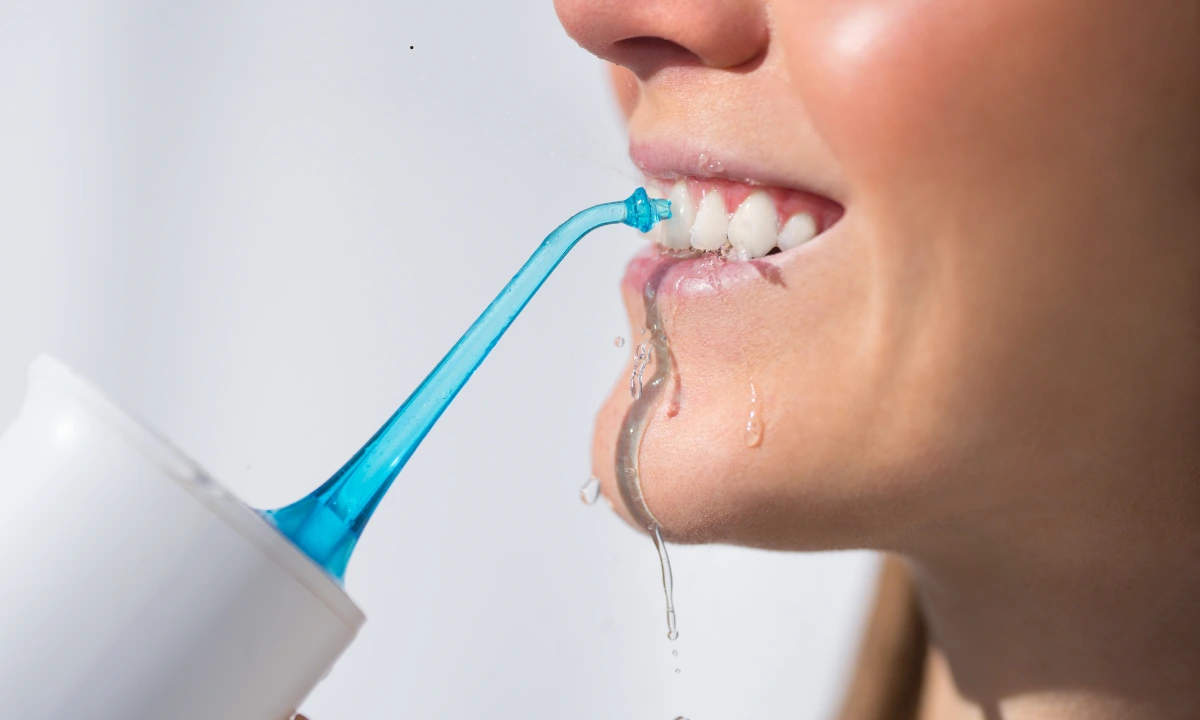
Cleaning veneers requires a slightly different approach than cleaning natural teeth alone. You must focus specifically on the marginal seal, the area where the porcelain meets the gum. Using a soft-bristled electric toothbrush helps remove plaque without being abrasive enough to scratch the ceramic or irritate the gums into receding. Flossing is also non-negotiable, as it is the only way to clean the bonding resin between the teeth. By keeping the margins clean, you prevent the secondary decay that is a leading cause for early veneer removal. Even with veneers, the back of your teeth remain vulnerable; learning how to prevent cavities is essential for maintaining the foundation of your smile makeover.
Professional Health Checks in Burwood
Regular six-monthly visits to our Burwood clinic allow us to perform high-level maintenance that you cannot do at home. We use specialised polishing pastes that restore the high-gloss shine of the porcelain without damaging the surface. More importantly, we use magnification to check the integrity of the bond. If we catch a tiny area where the seal is starting to lift, we can often repair it immediately, potentially adding years to the life of the veneer and delaying the need for a full replacement.
Common Questions About Replacing Veneers
Do I have to replace all my veneers at once?
Not necessarily. If only one veneer is chipped due to an accident, we can often replace just that one. However, if they are reaching the end of their lifespan or if your gum line has shifted across the whole arch, replacing them as a set ensures a perfect color and shape match.
Is the replacement process painful?
No. We use local anaesthesia just like we did during your first fitting. Most patients find the process quite comfortable, and we offer various options to help you relax during the appointment.
Will my teeth be more sensitive after the second set?
If the removal is done carefully to preserve the enamel, sensitivity should be minimal. We use advanced bonding agents that help seal the tooth and reduce post-operative sensitivity.
How much does it cost to replace porcelain veneers in Sydney?
The cost is generally similar to the initial placement, as it involves the same laboratory craftsmanship and clinical time. However, if there is decay to fix or gum work needed, that can influence the final price.
Why Choose Burwood Diamond Dental for Your Smile Refresh?
Replacing veneers is an art form that requires a deep understanding of both old and new dental technologies. Our team, Drs Khoshamadi, Gomez, and Ramon, has years of experience in restorative dentistry, meaning we know how to safely remove old work while protecting your natural tooth structure. We use the latest iTero digital scanners to ensure your new set has a fit that is even more precise than the last. Because we speak English, Farsi, and Spanish, we can explain every step of the process clearly, ensuring you feel confident in the plan for your smile.
Conclusion: Making Your Second Smile Last Even Longer
The need to replace porcelain veneers every 10 to 15 years is a normal part of a long-term dental health plan. While it marks the end of one chapter for your smile, it is also an opportunity to take advantage of the latest advances in ceramic strength and digital fit. By choosing a skilled team and committing to a solid maintenance routine, you can ensure that your second set of veneers is even more successful than the first. At Burwood Diamond Dental, we are here to partner with you for the life of your smile, providing the expert care needed to keep you looking and feeling your best.