Dental implant surgery is an important step in restoring missing teeth, but the healing process does not end when the procedure is completed. The days and weeks following implant placement are critical because the surgical site must heal properly before the implant can achieve a stable connection with the surrounding jawbone. During this period, everyday factors such as oral hygiene, smoking habits, medical conditions, and food choices can influence recovery.
One aspect that is often underestimated is nutrition. The foods consumed after dental implant surgery can affect comfort, wound healing, and the body’s ability to repair tissues. Choosing foods that minimise irritation to the surgical site while supplying essential nutrients may help support the normal healing process. Conversely, certain foods and drinks can place unnecessary pressure on the area, disrupt the healing tissues, or increase discomfort during the early stages of recovery.
Why Diet Matters After Dental Implant Surgery
Following dental implant placement, the body immediately begins a series of biological processes aimed at repairing the surgical site and integrating the implant with the surrounding bone. Healing requires adequate energy, nutrients, and hydration, all of which are influenced by dietary intake. While food alone cannot determine whether an implant succeeds or fails, nutritional choices can support normal tissue repair and help minimise unnecessary stress on the surgical area during the early recovery period.
How the Surgical Site Heals Following Implant Placement
Healing begins within minutes of surgery. As with other surgical procedures, the body’s first response is the formation of a blood clot around the implant site. This clot acts as a protective barrier and serves as a foundation for the arrival of cells involved in tissue repair. During the first few days, inflammatory cells help remove damaged tissue while initiating the healing process.
Soft tissue healing follows shortly afterwards. Cells within the gums begin rebuilding the tissue surrounding the implant, gradually creating a seal that helps protect the underlying structures from bacteria and external irritation. Although patients may notice visible improvement within days or weeks, healing continues beneath the surface long after initial discomfort has resolved.
The Relationship Between Nutrition and Tissue Repair
The body requires a continuous supply of nutrients to support wound healing and tissue regeneration. Following oral surgery, nutritional demands may increase because the body is actively repairing soft tissues and remodelling bone around the implant. Protein plays a particularly important role during recovery. Amino acids obtained from dietary protein are used to build and repair tissues involved in healing. Insufficient protein intake may impair wound healing and slow tissue regeneration.
Several vitamins and minerals are also involved in normal healing processes. Vitamin C contributes to collagen synthesis, which is essential for the formation and maintenance of connective tissues. Zinc supports immune function and cellular repair, while vitamin D contributes to bone metabolism and skeletal health. Calcium remains an important mineral involved in maintaining bone structure throughout the body.
What to Eat During the First 24 Hours After Implant Surgery
The first 24 hours following dental implant surgery are generally focused on protecting the surgical site while maintaining adequate nutrition and hydration. During this period, chewing should be minimised whenever possible, particularly near the implant area. Foods that require significant biting force or vigorous chewing can place unnecessary pressure on healing tissues and may contribute to discomfort.
Foods That Minimise Pressure on the Surgical Site
Foods with a soft consistency are generally preferred because they can be consumed with minimal chewing. The goal is not simply to choose foods that are comfortable to eat but to reduce mechanical irritation while the blood clot and early healing tissues remain vulnerable. Soft foods can also help patients maintain adequate nutritional intake when chewing is uncomfortable. This is particularly important because some individuals may unintentionally reduce food consumption during the first few days after surgery due to soreness or swelling.
Characteristics commonly associated with suitable foods during the first 24 hours include:
- Soft texture
- Minimal chewing requirements
- Low risk of leaving hard particles near the surgical site
- Ease of swallowing
- Good nutritional value
Recommended Foods for the First Day
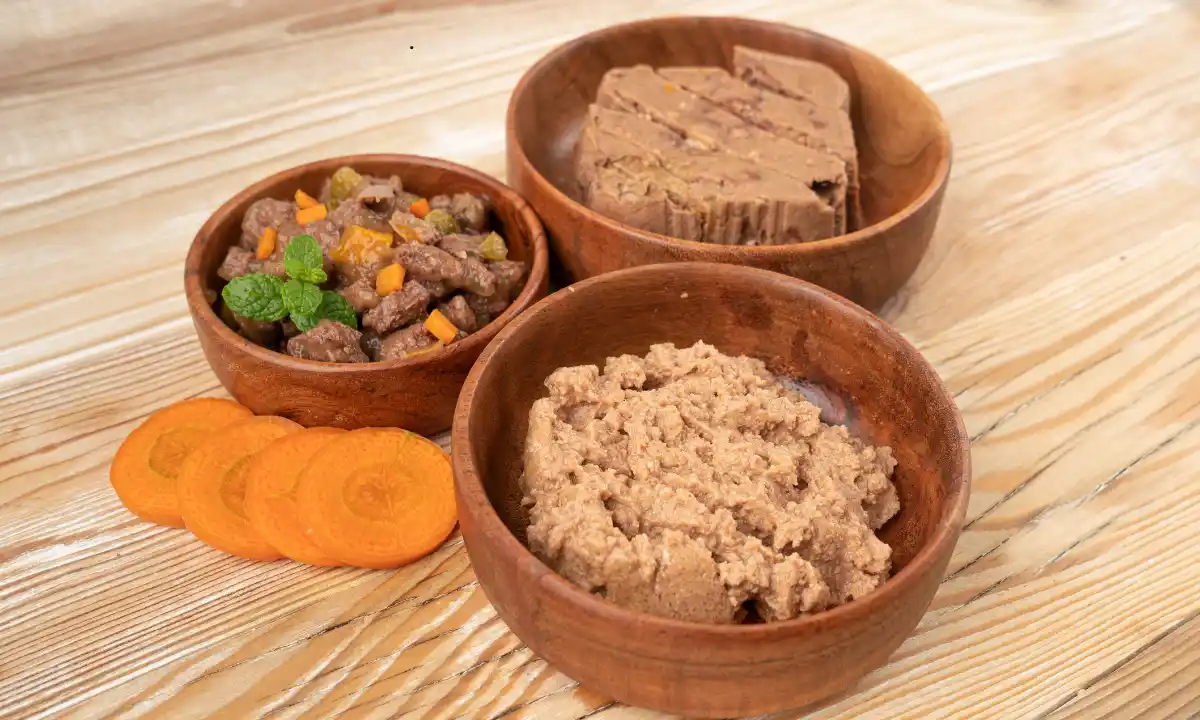
Several foods are commonly recommended because they combine a soft consistency with nutritional benefits that support recovery. Smooth soups can provide hydration and nutrients while requiring little chewing. Vegetable-based soups may also contribute vitamins and minerals that support general health. However, soups should be consumed warm rather than extremely hot during the immediate recovery period. Greek yogurt is frequently recommended because it has a soft texture and contains protein, which plays an important role in tissue repair. It may also be easier to consume than many solid foods during the first day after surgery.
Protein shakes can be a useful option for patients who have difficulty eating regular meals. They provide calories and protein while requiring minimal chewing. When consuming shakes or smoothies, straws should generally be avoided because the suction force may disturb the healing surgical site. Mashed vegetables such as pumpkin, sweet potato, or potato provide a soft source of carbohydrates and nutrients. Their smooth consistency reduces the need for chewing while still contributing energy required during recovery.
Soft scrambled eggs are another commonly recommended option. They provide high-quality protein and can usually be consumed comfortably during the early stages of healing.
| Food | Why It May Be Suitable |
| Greek Yogurt | Soft texture and protein source |
| Smooth Soup | Easy to consume with minimal chewing |
| Mashed Pumpkin | Soft consistency and nutrient content |
| Scrambled Eggs | Protein source with minimal chewing requirements |
The first day after surgery is primarily about protecting the surgical area while maintaining nutrition. As healing progresses, a wider variety of foods can often be introduced gradually, provided they do not cause discomfort or place excessive pressure on the implant site.
What to Eat During the First Week of Recovery
As the initial inflammatory phase begins to settle, many patients can gradually expand their food choices during the first week following dental implant surgery. However, healing remains ongoing beneath the surface, and the implant site is still vulnerable to unnecessary irritation. While discomfort often decreases during this period, it is generally advisable to continue selecting foods that are easy to chew and unlikely to place excessive force on the surgical area. The transition from liquids to soft foods should occur gradually and according to individual comfort levels. Recovery timelines vary between patients and may also be influenced by factors such as the number of implants placed, the complexity of the procedure, and whether additional treatments such as bone grafting were performed.
When Soft Foods Remain Important
Although many patients feel significantly better after several days, early healing tissues continue to mature throughout the first week. Excessively hard or crunchy foods can still create mechanical stress within the surgical area and may cause unnecessary discomfort. Maintaining a soft-food approach during this stage helps reduce trauma while allowing patients to consume a broader range of nutritious foods. The emphasis shifts from liquids alone to meals that provide greater nutritional variety while remaining easy to chew.
Patients should generally pay attention to:
- Chewing comfort
- Swelling levels
- Sensitivity around the implant site
- Advice provided by their treating dentist
If a food causes discomfort or requires significant chewing effort, it may be sensible to delay its introduction until healing has progressed further.
Foods Commonly Tolerated During Early Recovery
As recovery continues, many patients can tolerate foods that offer a slightly firmer texture while remaining relatively easy to chew. Oatmeal is frequently recommended because it provides energy, fibre, and a soft consistency when prepared appropriately. Cottage cheese offers protein and calcium while requiring minimal chewing effort. Soft fish varieties such as salmon may provide a useful source of protein and omega-3 fatty acids. Their tender texture often makes them easier to consume than tougher protein sources during the recovery period. Avocado is another commonly recommended option due to its soft consistency and nutrient content. It can be incorporated into meals without requiring substantial chewing. Well-cooked vegetables can also provide important vitamins and minerals while remaining gentle on healing tissues. Cooking vegetables until they become soft helps reduce the effort required during eating.
Examples of foods commonly introduced during the first week include:
- Oatmeal
- Cottage cheese
- Soft fish
- Avocado
- Well-cooked vegetables
- Soft pasta
- Soft rice dishes
- Tender shredded chicken
The goal during this stage is gradual progression rather than a rapid return to normal eating habits. Food choices should continue to prioritise comfort, nutritional quality, and protection of the healing implant site.
Nutrients That Support Healing After Dental Implant Surgery
While food texture is important during recovery, nutritional quality is equally significant. Healing tissues require a continuous supply of nutrients to support cellular repair, collagen formation, immune function, and bone remodelling. Selecting nutrient-dense foods during recovery may help support the body’s normal healing processes following implant surgery.
Protein and Tissue Repair
Protein is widely recognised as one of the most important nutrients involved in wound healing. Amino acids obtained from dietary protein provide the building blocks required for tissue regeneration, immune responses, and the production of enzymes involved in repair processes. During recovery, protein-rich foods may help support:
- Soft tissue healing
- Collagen production
- Immune function
- Maintenance of muscle mass
- Cellular regeneration
Examples of protein-rich foods often suitable during recovery include:
- Greek yogurt
- Cottage cheese
- Eggs
- Soft fish
- Protein shakes
- Tender poultry
Vitamin C and Collagen Formation
Vitamin C plays an essential role in collagen synthesis. Collagen is a major structural protein found within gums, connective tissues, blood vessels, and healing wounds. Adequate vitamin C intake supports the body’s ability to produce and maintain healthy connective tissue during recovery. Food sources containing vitamin C include:
- Kiwi fruit
- Strawberries
- Citrus fruits
- Capsicum
- Broccoli
- Soft fruit smoothies
Zinc and Immune Function
Zinc is involved in numerous biological processes associated with healing, including cell growth, immune responses, and tissue repair. Deficiency may impair wound healing and reduce the body’s ability to respond effectively to tissue injury. Dietary sources of zinc include:
- Dairy products
- Eggs
- Seafood
- Poultry
- Legumes
- Fortified cereals
Hydration and Recovery
Adequate hydration supports virtually every aspect of recovery. Water assists nutrient transport, circulation, temperature regulation, and normal cellular function. Following oral surgery, maintaining hydration can also help improve comfort and reduce the effects of dry mouth. Patients should generally aim to consume fluids regularly throughout the day, particularly if food intake is temporarily reduced.
Suitable hydration options may include:
- Water
- Milk
- Oral rehydration solutions when appropriate
- Smooth soups
- Nutrient-rich smoothies consumed without a straw
Good nutrition cannot replace proper surgical care or oral hygiene practices. However, providing the body with adequate protein, vitamins, minerals, and fluids may help support the natural healing processes that occur following dental implant surgery.
Foods and Drinks to Avoid After Dental Implant Surgery
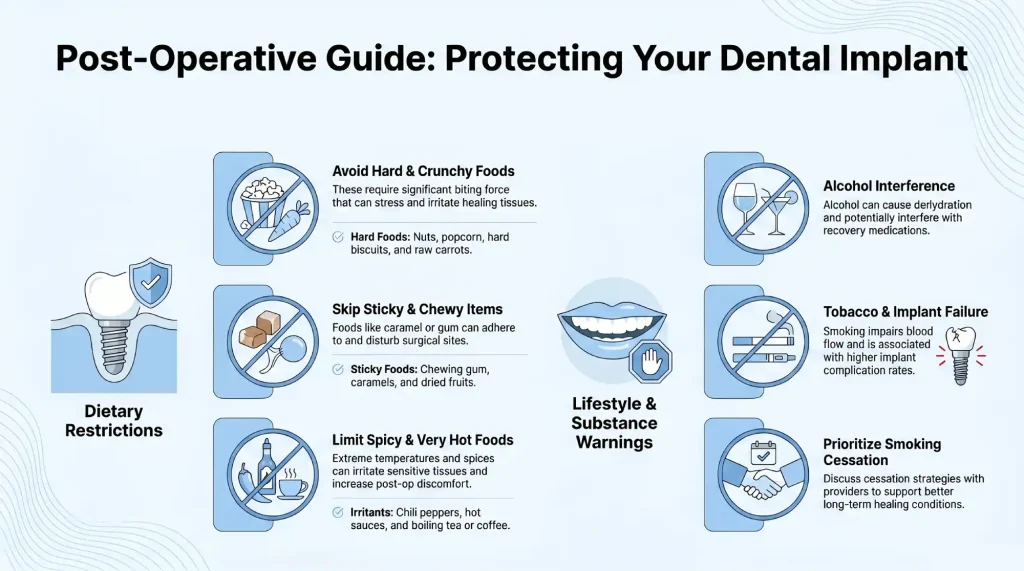
Knowing what to avoid can be just as important as knowing what to eat following dental implant surgery. During the early stages of healing, the tissues surrounding the implant site are undergoing repair, and unnecessary irritation may contribute to discomfort or interfere with normal recovery. While dietary restrictions are typically temporary, avoiding certain foods and beverages during the initial healing period can help protect the surgical area.
Hard and Crunchy Foods
Hard foods often require significant biting force and chewing pressure. This can place stress on healing tissues and may cause discomfort, particularly during the first week after surgery. In some cases, hard particles can also irritate the surgical site if they become lodged near the area. Examples of foods commonly avoided during early recovery include:
- Nuts
- Popcorn
- Hard biscuits
- Crackers
- Raw carrots
- Hard bread crusts
- Potato chips
Patients should generally wait until healing has progressed sufficiently before reintroducing foods that require substantial chewing effort.
Sticky Foods
Sticky foods can adhere to teeth, gums, and surgical sites, making them difficult to remove. They may also increase the likelihood of disturbing healing tissues during chewing. Examples include:
- Chewing gum
- Toffees
- Caramels
- Sticky lollies
- Dried fruits
In addition to being difficult to clean away, sticky foods may increase discomfort if they become trapped near the implant site.
Spicy Foods
Spicy foods do not directly damage dental implants. However, during the early healing period they may irritate sensitive tissues and contribute to temporary discomfort. Some patients report increased sensitivity when consuming foods containing:
- Chilli peppers
- Hot sauces
- Strong spices
- Highly seasoned foods
Individual tolerance varies, but many clinicians recommend limiting spicy foods until initial healing has progressed.
Very Hot Foods and Drinks
Temperature can influence comfort during recovery. Extremely hot foods and beverages may increase sensitivity within healing tissues and can sometimes aggravate post-operative discomfort.
Examples include:
- Boiling hot tea
- Freshly brewed coffee
- Very hot soups
- Hot takeaway meals
Allowing foods and drinks to cool before consumption is often recommended during the first few days after surgery.
Alcohol and Tobacco
Alcohol and tobacco are frequently discussed in post-operative instructions because both may negatively influence healing. Alcohol may:
- Contribute to dehydration
- Interfere with certain medications
- Irritate healing tissues
Smoking has been extensively studied in implant dentistry and has been associated with increased rates of implant complications. Tobacco use can affect blood flow, impair healing responses, and influence long-term implant outcomes. For patients undergoing implant treatment, avoiding smoking during recovery and discussing smoking cessation strategies with healthcare providers may support better healing conditions.
Foods Commonly Avoided During Early Recovery
| Category | Examples |
| Hard Foods | Nuts, crackers, popcorn |
| Crunchy Foods | Chips, raw vegetables |
| Sticky Foods | Caramels, chewing gum |
| Spicy Foods | Chilli-based dishes |
| Very Hot Foods | Boiling drinks and soups |
| Irritants | Alcohol and tobacco |
The duration of dietary restrictions varies between patients. Individual instructions provided by the treating dentist should always take priority, particularly if additional procedures such as bone grafting were performed.
Can Certain Foods Affect Implant Healing?
Food choices do not directly determine whether an implant will successfully integrate with the jawbone. However, certain dietary habits can influence the environment in which healing occurs. During the early stages after surgery, protecting the surgical site allows the body’s natural repair mechanisms to function without unnecessary disruption.
Protecting the Blood Clot During Early Recovery
The blood clot that forms following surgery serves as an important component of wound healing. It acts as a biological scaffold that supports the migration of cells involved in tissue repair.
Activities that create excessive mechanical forces around the surgical area may disrupt this early healing environment. This is one reason why soft foods are commonly recommended during the first few days following implant placement.
Patients are often advised to:
- Eat slowly
- Avoid aggressive chewing
- Chew on the opposite side when possible
- Avoid using straws unless specifically advised otherwise
These measures help minimise unnecessary disturbance to the healing tissues.
Avoiding Trauma to the Surgical Area
Mechanical trauma remains one of the most preventable causes of discomfort during recovery. Hard food particles, sharp foods, or excessive chewing forces may irritate the surgical site before the tissues have fully stabilised.
Examples of foods that may cause irritation include:
- Crusty bread
- Hard nuts
- Crisps
- Sharp-edged snacks
Protecting the surgical area is particularly important during the first week, when tissues remain vulnerable despite visible signs of improvement.
Reducing the Risk of Post-Operative Complications
While complications following implant surgery are relatively uncommon, maintaining good post-operative habits may help reduce risk factors associated with delayed healing.
Good dietary practices may support recovery by:
- Encouraging adequate nutrition
- Supporting immune function
- Reducing local irritation
- Maintaining hydration
- Promoting overall health during healing
It is important to recognise that healing outcomes depend on multiple factors, including surgical technique, oral hygiene, medical history, smoking status, and patient compliance with post-operative instructions. Diet should be viewed as one component of a broader recovery plan rather than a single determining factor.
Sample Meal Ideas After Dental Implant Surgery
Many patients understand the need for soft foods after implant surgery but are unsure how to structure meals during recovery. Planning meals in advance can make it easier to maintain nutritional intake while protecting the surgical site.
Breakfast Ideas
Breakfast options should provide energy and protein while remaining easy to consume.
Examples include:
- Greek yogurt with soft fruit
- Oatmeal prepared to a smooth consistency
- Soft scrambled eggs
- Protein smoothies consumed without a straw
- Cottage cheese with mashed banana
Lunch Ideas
Lunch meals can introduce greater variety while maintaining a soft texture.
Examples include:
- Pumpkin soup
- Blended vegetable soup
- Soft pasta dishes
- Mashed sweet potato with tender fish
- Avocado with scrambled eggs
Dinner Ideas
Dinner should continue to emphasise adequate protein intake while avoiding foods that require excessive chewing.
Examples include:
- Baked salmon with soft vegetables
- Tender shredded chicken with mashed vegetables
- Soft rice dishes
- Slow-cooked meals with tender ingredients
- Well-cooked vegetable stews
Snack Options
Nutritious snacks may help maintain energy intake between meals.
Suitable options often include:
- Greek yogurt
- Cottage cheese
- Soft fruit puree
- Protein shakes
- Smooth avocado
| Recovery Stage | Example Meals |
| Day 1 | Yogurt, soup, smoothies |
| Days 2–3 | Scrambled eggs, mashed vegetables |
| Days 4–7 | Oatmeal, avocado, soft fish |
| Week 2+ | Gradual return to firmer foods as tolerated |
These examples are intended as general guidance. Individual dietary progression should be based on comfort levels and advice provided by the treating dental team.
When Can You Return to a Normal Diet?
One of the most common questions following implant surgery is when normal eating habits can resume. Unfortunately, there is no single timeline that applies to every patient because healing rates vary considerably between individuals.
Some patients can gradually reintroduce firmer foods within a relatively short period, while others may require a longer adjustment period depending on the complexity of treatment.
Factors That Influence Recovery Timelines
Several factors may affect how quickly normal dietary habits can resume:
- Number of implants placed
- Implant location
- Bone quality and quantity
- Presence of bone grafting procedures
- Individual healing response
- Smoking status
- General health conditions
Patients who undergo more extensive procedures may require a longer period of dietary modification than those receiving a straightforward implant placement.
Signs You May Be Ready to Reintroduce Firmer Foods
Although recovery timelines vary, some indicators may suggest that dietary progression can occur gradually.
These may include:
- Reduced tenderness around the implant site
- Improved chewing comfort
- Resolution of swelling
- Ability to chew soft foods without discomfort
- Positive healing assessments during review appointments
Reintroducing harder foods should generally occur gradually rather than all at once. If discomfort occurs, returning temporarily to softer foods may be appropriate until healing progresses further.
When Should You Contact Your Dentist?
Mild discomfort, swelling, and temporary dietary restrictions are normal aspects of recovery following dental implant surgery. However, certain symptoms may indicate that professional assessment is required. Patients should consider contacting their dentist if they experience:
- Persistent or excessive bleeding
- Increasing pain rather than gradual improvement
- Significant swelling that worsens after several days
- Signs of infection such as pus or unusual discharge
- Fever or feeling unwell
- Difficulty eating beyond the expected recovery period
- Concerns about implant stability
Prompt evaluation allows potential issues to be identified and managed before they become more significant problems. For patients undergoing dental implant treatment, attending scheduled review appointments remains an important part of monitoring healing and ensuring recovery is progressing as expected.
Conclusion
Food choices play an important role during recovery after dental implant surgery because healing tissues require both protection and adequate nutritional support. During the first few days, soft foods that minimise chewing can help reduce irritation around the surgical site while allowing patients to maintain energy and nutrient intake. As healing progresses, a gradual transition to a wider range of foods is often possible. Prioritising protein, vitamins, minerals, and hydration can help support normal tissue repair and recovery during this period. At the same time, avoiding hard, crunchy, sticky, and excessively hot foods may help reduce unnecessary stress on healing tissues.