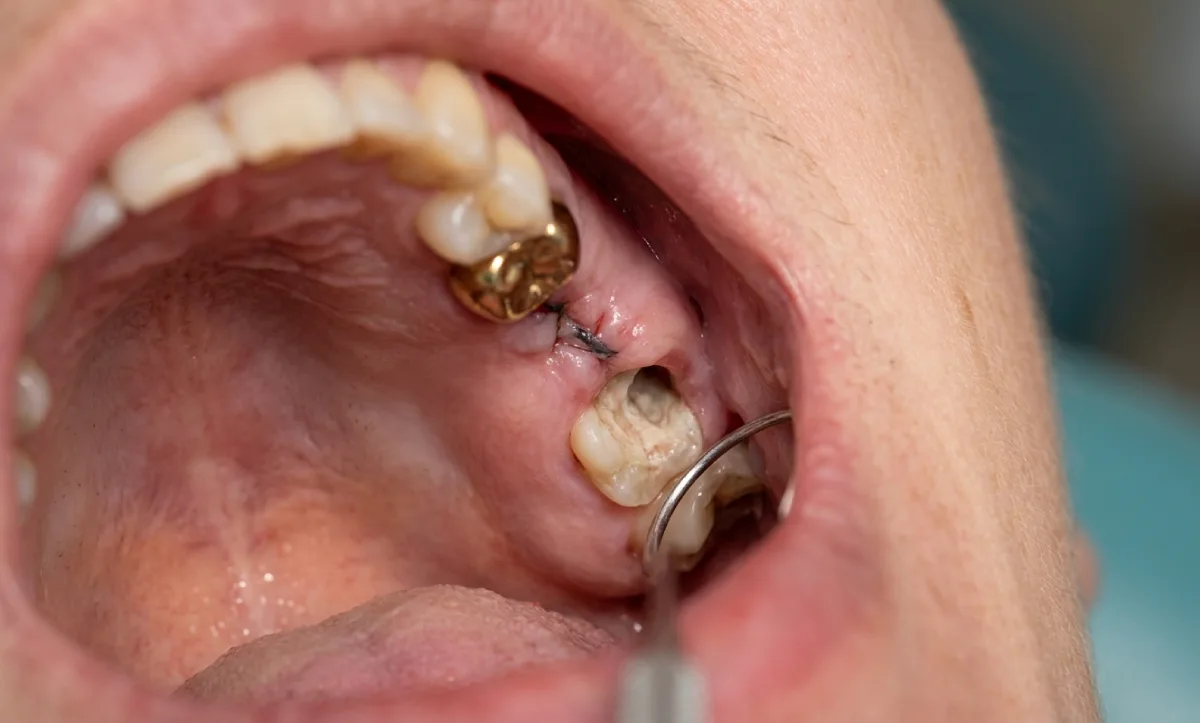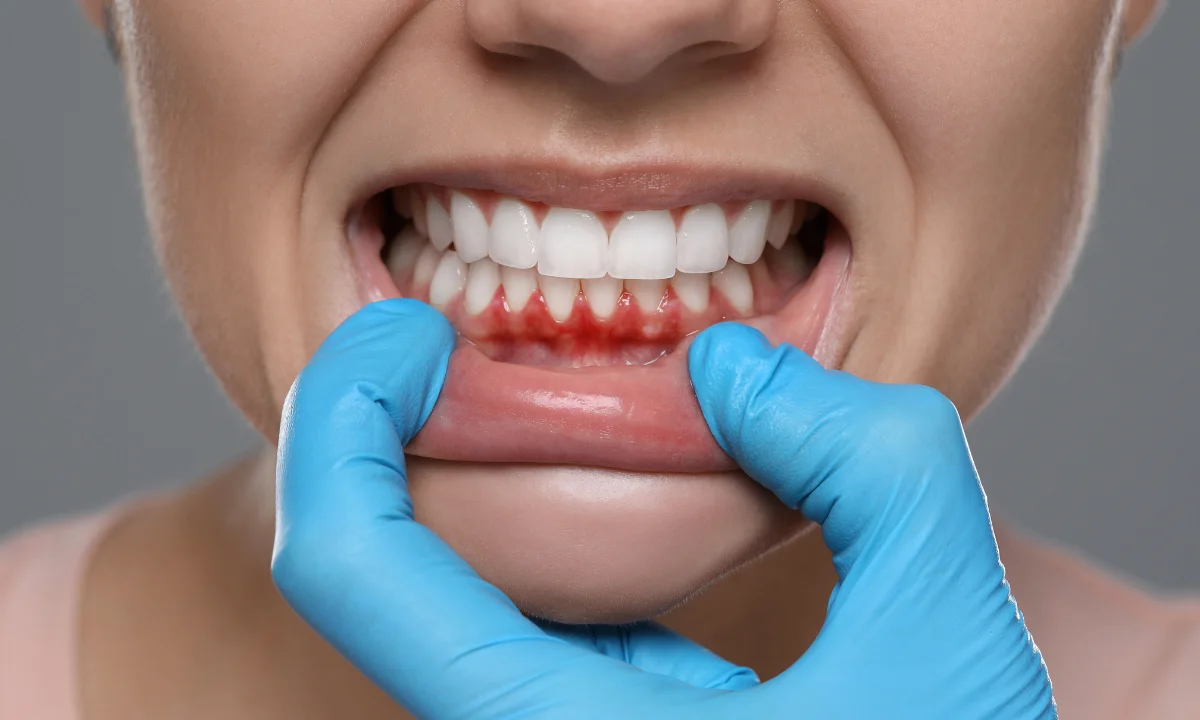
Intermittent tooth pain can be confusing because it does not always hurt all the time. One moment your tooth feels normal, then a cold drink, a sweet snack, chewing pressure, or nighttime grinding can bring the pain back. Many people ignore tooth pain that comes and goes because they think the tooth is getting better, but on-and-off dental pain can still point to tooth sensitivity, early decay, a cracked tooth, gum recession, bite pressure, or infection starting inside the tooth. The safest step is to understand what the pattern may mean and know when to book a dental check-up before the problem becomes harder to treat.
At Burwood Diamond Dental, recurring tooth pain can be assessed through a dental examination, gum check, bite review, restoration check, and dental X-rays where appropriate. This helps identify whether the pain is coming from tooth decay, exposed dentin, cracked enamel, a damaged filling, gum inflammation, teeth grinding, sinus pressure, or a deeper tooth nerve problem.
Quick Answer: Why Does Intermittent Tooth Pain Happen?
Intermittent tooth pain happens when a tooth or nearby tissue reacts to a trigger and then settles once that trigger is removed. These triggers may include cold foods, hot drinks, sweet foods, acidic drinks, chewing pressure, biting pressure, trapped food particles, teeth grinding, clenching, or sinus pressure. The pain may feel sharp, dull, throbbing, sore, or pressure-like. It may last only a few seconds, or it may return several times across the day, week, or month.
The key point is simple: pain that comes and goes does not always mean the tooth is healing. It may mean the tooth is only reacting when it is stimulated. For example, exposed dentin may hurt only with cold drinks, a cracked tooth may hurt only when biting, and tooth pulp inflammation may start as occasional pain before becoming more constant. If intermittent tooth pain lasts more than a couple of days, keeps returning, or becomes stronger, a dental check-up is the best way to find the cause early.
What Is Intermittent Tooth Pain?
Intermittent tooth pain means tooth pain that appears, settles, and then returns. It may happen for seconds, minutes, or hours. It may also disappear for days or weeks before coming back. Some people feel it only when drinking something cold. Others feel pain only when biting on a specific tooth, brushing near the gumline, eating sweet foods, or waking after a night of grinding. Because the pain is not constant, it can be easy to underestimate.
This type of dental discomfort can involve the tooth enamel, dentin layer, gums, tooth roots, tooth pulp, ligaments around the tooth, upper rear teeth, sinuses, or jaw. The cause can be mild, such as temporary sensitivity, but it can also be more serious, such as a cracked tooth, deep cavity, dental inflammation, or tooth pulp damage. The pattern of the pain gives useful clues, but a dentist is needed to confirm the cause.
Simple Meaning of Intermittent Tooth Pain
Intermittent tooth pain is on-and-off dental pain. It may feel like a sharp sensation, a temporary sharp pain, a dull ache, soreness, pressure, throbbing pain, or discomfort that returns after certain triggers. Some people describe it as inconsistent tooth pain because it does not follow a clear pattern at first. Others notice that it happens more often after cold drinks, chewing pressure, sweet foods, or nighttime clenching.
A common mistake is waiting until the pain becomes constant before booking a dentist. By that stage, a small issue may have become more involved. Early cavities, small cracks, gum recession, and bite pressure can all begin with mild or sporadic tooth pain. If they are treated early, care may be simpler. If they are left for too long, they may lead to deeper decay, pulp inflammation, infection, or the need for more advanced treatment.
Intermittent Tooth Pain vs Constant Toothache
Intermittent tooth pain and constant toothache can both be important, but they often suggest different stages or triggers. Intermittent pain is usually linked with stimulation. The tooth hurts when something touches it, cools it, heats it, sweetens it, or puts pressure on it. Constant toothache is more likely to feel present even without a clear trigger. It may feel like ongoing pressure, deep aching, or throbbing.
The difference is useful, but it is not a diagnosis. A cracked tooth can start with bite-only pain and later become more constant. An early cavity can begin with sweet sensitivity and later reach the tooth pulp. A tooth infection may start as intermittent discomfort and become a dental emergency if swelling, fever, pus, or bad taste appears. A dentist can check the tooth, gum, bite, and X-rays to understand what is happening.
| Pain Type | What It Feels Like | Possible Concern |
| Intermittent tooth pain | Comes and goes, often trigger-based | Sensitivity, early decay, crack, grinding |
| Constant toothache | Ongoing ache, pressure, or throbbing | Deep decay, pulp inflammation, infection |
| Sharp short pain | Sudden pain lasting seconds | Exposed dentin, gum recession, worn enamel |
| Bite-only pain | Pain when chewing or releasing pressure | Cracked tooth, loose filling, high bite |
| Night or morning pain | Worse at night or after waking | Bruxism, clenching, pulp irritation |
| Upper rear tooth pain | Pressure in upper back teeth | Sinus pressure or dental issue |
Common Causes of Intermittent Tooth Pain
Intermittent tooth pain can happen for many reasons, and the cause is not always obvious from pain alone. A tooth may hurt only with cold drinks because dentin is exposed, only when biting because a crack opens under pressure, or only in the morning because grinding has stressed the tooth overnight. In other cases, pain that comes and goes may be an early sign of gum recession, a loose filling, a damaged crown, or infection developing inside the tooth.
The most important point is that on-and-off pain still has a cause. Even if the discomfort settles for a while, the tooth, gum, nerve, bite, or sinus area may still be irritated. A dentist can check the pattern, test the tooth, review old dental work, and take X-rays where needed to find the real source.
Tooth Sensitivity, Worn Enamel, or Exposed Dentin
Tooth sensitivity is one of the most common reasons for intermittent tooth pain. It often happens when enamel becomes thin or gums recede, exposing dentin or sensitive root surfaces. Dentin has tiny channels that connect to the inner nerve area, so cold foods, hot drinks, sweet foods, acidic drinks, or brushing near the gumline can cause a quick sharp pain.
This pain may only last a few seconds, but it can still affect eating and drinking. Sensitivity can be linked with hard brushing, acidic foods, tooth whitening, gum recession, worn enamel, or small areas of exposed root. A dentist may recommend desensitising toothpaste, fluoride treatment, bonding, gum care, or changes in brushing technique depending on the cause.
Early Tooth Decay or Small Cavities
Early tooth decay can cause pain that comes and goes because the damaged area reacts only when it is triggered. A small cavity may hurt with sweet foods, cold drinks, or chewing pressure, then settle when the trigger is gone. As decay moves deeper from enamel into dentin, sensitivity may become more frequent and easier to trigger.
If decay reaches the tooth pulp, the pain may become deeper, longer-lasting, or throbbing. This is why treating cavities early matters. A small filling may be enough in the early stage, but deeper decay may need more involved care. A dental check-up in Burwood can help detect cavities before they turn into tooth nerve pain or infection.
Cracked, Fractured, or Chipped Tooth
A cracked tooth can cause sudden pain when biting, chewing, or releasing pressure after a bite. This happens because the crack may move slightly under pressure and irritate the inside of the tooth or the ligaments around it. The tooth may feel completely normal between meals, which makes cracked tooth pain easy to ignore.
Cracks may happen from biting hard foods, old large fillings, teeth grinding, dental trauma, or weakened tooth structure. A crack may not always be visible in the mirror. If the pain is in one specific biting spot, a dentist should check it. Treatment may include bonding, a filling, a crown, an onlay, root canal therapy, or extraction if the crack is too deep.
Loose, Broken, or Leaking Filling
A loose, broken, or leaking filling can expose sensitive tooth structure and allow food particles or bacteria to collect around the tooth. This may cause temporary tooth pain with cold, sweet foods, or biting pressure. Sometimes the tooth feels sore only when food gets stuck near the filling.
A damaged filling should be repaired before the tooth weakens further. If bacteria move under the filling, decay can grow silently. Replacing or repairing the filling may stop the pain if the tooth nerve is still healthy. If the damage has reached deeper layers, further treatment may be needed.
Damaged Crown, Bridge, or Large Restoration
Pain under a crown or around a bridge can happen if the bite is high, the crown margin is leaking, decay forms underneath, or the supporting tooth becomes irritated. A large restoration can also place stress on the remaining tooth structure, especially during chewing.
If a crowned tooth hurts on and off, it does not always mean the crown has failed, but it should be checked. A dentist can assess the bite, gumline, crown edges, X-rays, and the health of the tooth underneath. Treatment may involve bite adjustment, crown repair, crown replacement, root canal therapy, or gum treatment depending on the cause.
Teeth Grinding or Jaw Clenching
Teeth grinding and jaw clenching, also called bruxism, can cause intermittent tooth pain because the teeth are repeatedly overloaded. Many people grind at night without realising it. This can lead to morning tooth soreness, jaw pain, headaches, worn enamel, tooth sensitivity, cracked teeth, and pain when biting.
Bruxism-related pain may come and go with stress, sleep quality, workload, or jaw tension. A custom mouthguard may help protect the teeth during sleep, but the dentist also needs to check whether grinding has already caused cracks, enamel wear, gum recession, or bite changes.
Gum Recession or Gum Inflammation
Gum recession exposes sensitive root surfaces, which can cause sharp pain from cold drinks, brushing, or sweet foods. Gum inflammation can also make the area around a tooth feel sore, tender, or irritated. If gum pockets are present, bacteria can collect and cause deeper gum problems.
This type of pain may not feel like a deep toothache at first. It may feel like gum tenderness, root sensitivity, or discomfort near the gumline. Gum care, professional cleaning, improved brushing technique, and regular dental visits can help reduce sensitivity and prevent gum problems from getting worse.
Wisdom Tooth Pressure or Gum Irritation
Wisdom teeth can cause intermittent pain when they are partially erupted, impacted, or difficult to clean. Food and bacteria can become trapped under the gum flap around a wisdom tooth, leading to gum irritation, swelling, bad taste, or pain at the back of the mouth.
The pain may settle and then return when food gets trapped again or the gum becomes inflamed. If there is swelling, bad taste, difficulty opening the mouth, or repeated pain behind the last molar, a dentist should check the wisdom tooth area. X-rays may be needed to see the tooth position.
Dental Abscess or Tooth Infection
A dental abscess or tooth infection can sometimes begin with pain that comes and goes. Early infection may cause occasional throbbing, bite pain, or sensitivity. If pus drains, pain may reduce temporarily, but the infection may still remain. This can make the tooth feel better for a while before symptoms return.
Warning signs include swelling, fever, bad taste, pus, gum boil, facial swelling, or pain that becomes stronger and more frequent. Infection should be checked quickly. Treatment may involve drainage, root canal therapy, antibiotics in selected cases, or extraction if the tooth cannot be saved.
Sinus Pressure or Non-Dental Pain
Sinus pressure can sometimes feel like tooth pain, especially in the upper rear teeth. During sinus congestion, pressure in the cheek and sinus area can make several upper teeth feel sore. This pain may change with head position, congestion, or facial pressure.
Jaw joint problems, ear pain, muscle tension, and referred pain can also feel like dental discomfort. If the dental examination does not show a tooth-based cause, the dentist may suggest seeing a doctor or another health professional. Still, it is wise to rule out dental causes first, especially if pain keeps returning.
Warning Signs: When Intermittent Tooth Pain Should Be Checked
Intermittent tooth pain should be checked when it keeps returning, becomes stronger, lasts longer, affects chewing, or appears with signs of infection. Pain that comes and goes can feel less urgent than constant toothache, but repeated pain often means the underlying issue is still active. A dental check-up is especially important if the pain returns to the same tooth or same area. This pattern may suggest a specific trigger such as decay, a crack, gum recession, bite pressure, or tooth nerve irritation. Early care can help prevent a small dental problem from becoming more painful or expensive to treat.
Pain Keeps Returning to the Same Tooth or Same Area
If pain keeps returning to the same tooth, the cause is unlikely to be random. The tooth may have an early cavity, exposed dentin, a crack, a loose filling, gum recession, or inflammation around the root. Pain that fades and returns is still a warning sign if it follows a pattern. Track when the pain happens and tell your dentist. Useful details include whether it happens with cold, heat, sweet foods, chewing, brushing, or pressure release after biting. These details help the dentist find the cause faster.
Pain Lasts More Than Two Days or Episodes Become More Frequent
Tooth pain that lasts more than two days should be checked. Pain episodes that become closer together, last longer, or start with smaller triggers may suggest that dental inflammation is progressing. For example, a tooth that once hurt only with ice water may later hurt with normal cool drinks. This change can mean the tooth is becoming more irritated. It may still be treatable with simple care, but waiting too long can allow decay, cracks, or nerve irritation to get worse.
Pain Affects Eating, Sleeping, or Concentration
Tooth pain that affects eating, sleep, work, study, or concentration is no longer a small issue. Even if it comes and goes, pain that changes your daily routine should be assessed. Pain while chewing can make you avoid one side of the mouth, which may create extra bite pressure elsewhere. Night pain or pain that wakes you up can be more concerning. It may be linked with grinding, clenching, tooth nerve inflammation, or infection. A dentist can check the tooth and bite to find out why it is happening.
Pain Happens When Biting on One Tooth
Pain when biting on one tooth may suggest a cracked tooth, fractured tooth, loose filling, high bite, damaged crown, inflamed ligament, or root infection. This type of pain often appears at a specific spot and may be sharp or sudden. Do not keep chewing through bite pain. Continued pressure can make a crack worse or increase inflammation. A dentist can test the bite, check the restoration, and take X-rays where needed.
Pain Comes With Swelling, Bad Taste, Pus, or Fever
Swelling, bad taste, pus, gum boil, or fever may suggest infection or abscess risk. These signs need prompt dental care. A foul taste can happen when pus drains, and swelling may mean infection is affecting the gum or surrounding tissues. If swelling spreads to the face or neck, or if there is difficulty swallowing or breathing, seek urgent medical care. For severe tooth pain, swelling, pus, or suspected abscess without breathing difficulty, contact a dentist as soon as possible.
Treatment Options for Intermittent Tooth Pain
Treatment for intermittent tooth pain depends on the cause. There is no single treatment that works for every patient because the pain may come from sensitivity, decay, a cracked tooth, grinding, gum recession, bite pressure, a damaged restoration, wisdom tooth irritation, or infection. The goal is to treat the source, protect the tooth, and prevent the pain from becoming more serious. A dentist may recommend simple sensitivity care, a filling, restoration repair, bonding, crown, root canal therapy, gum treatment, a custom mouthguard, wisdom tooth treatment, or urgent infection care. The earlier the cause is found, the more likely the treatment can be simple and tooth-saving.
Fluoride Treatment, Desensitising Agents, or Sensitivity Care
If intermittent tooth pain is caused by exposed dentin, worn enamel, or gum recession, the dentist may suggest sensitivity treatment. This may include desensitising toothpaste, fluoride treatment, professional desensitising agents, bonding over exposed areas, or changes to brushing technique. These options aim to reduce the tooth’s reaction to cold, sweet, acidic, or brushing triggers. This type of care works best when sensitivity is the true cause. If the pain is caused by decay, a crack, or infection, sensitivity products may hide symptoms for a short time but will not fix the deeper issue. That is why diagnosis comes first.
Dental Filling for Early Cavities
If a small cavity is causing intermittent tooth pain, a dental filling may be used to remove decay and restore the tooth. Early treatment can stop decay from moving deeper into the dentin or tooth pulp. This can prevent the pain from becoming stronger, longer-lasting, or linked with infection. A filling is usually more straightforward when decay is caught early. If a patient waits until the tooth nerve is affected, treatment may become more involved and may require root canal therapy or extraction if the tooth is badly damaged.
Bonding, Crown, or Onlay for Cracked or Weakened Teeth
If pain happens when biting, the tooth may be cracked, weakened, or under too much pressure. Depending on the size and location of the crack, treatment may include bonding, an onlay, or a dental crown. These treatments help protect the tooth and reduce movement in the weakened area. A crown may be recommended when a tooth has a large filling, cracked cusp, or reduced strength. h.
Repairing or Replacing Loose Fillings, Crowns, or Bridges
If a filling, crown, or bridge is loose, broken, leaking, or causing bite pressure, it may need repair or replacement. This can reduce sensitivity, stop food trapping, and protect the tooth from further decay or fracture. A dentist will check the restoration, tooth underneath, gumline, and bite. If the tooth is still healthy, repair may be simple. If decay or nerve irritation has developed under the restoration, further treatment may be needed.
Root Canal Therapy for Tooth Pulp Damage
Root canal therapy may be needed when the tooth pulp is infected or irreversibly inflamed. This can happen after deep decay, trauma, cracks, or long-term irritation. Signs may include deep throbbing pain, lingering heat sensitivity, pain that wakes you at night, swelling, or pain that keeps returning more strongly. Root canal therapy removes the damaged or infected pulp, cleans the inside of the tooth, and seals it. The aim is to save the natural tooth where possible. After root canal therapy, the tooth may need a filling or crown to protect it.
Gum Treatment for Gum Recession or Gum Disease
If the pain is linked with gum recession, exposed roots, gum inflammation, or gum pockets, gum treatment may be needed. This may include professional cleaning, deeper gum cleaning, oral hygiene advice, sensitivity management, and regular monitoring. Healthy gums protect the tooth roots and support the teeth. If gum problems are left untreated, sensitivity may worsen and tooth support may be affected. Regular dental check-ups help catch gum concerns early.
Custom Mouthguard for Bruxism or Clenching
If intermittent tooth pain is linked with teeth grinding or clenching, a custom mouthguard may help protect the teeth during sleep. Grinding can wear enamel, irritate tooth ligaments, create morning soreness, and increase the risk of cracks. A mouthguard does not repair existing damage, but it can reduce future stress on the teeth. The dentist may also check for worn enamel, cracked teeth, jaw pain, headaches, and bite pressure during the appointment.
Referral for Sinus, Jaw Joint, or Non-Dental Pain
If dental checks do not show a tooth-based cause, pain may be linked with sinus pressure, jaw joint problems, ear issues, or muscle tension. In these cases, the dentist may suggest seeing a doctor, ENT specialist, or another health professional. This does not mean the pain is not real. It simply means the source may not be the tooth itself. A dental assessment is still helpful because it can rule out decay, cracks, gum disease, and infection.
How to Prevent Intermittent Tooth Pain From Becoming a Bigger Problem
Preventing intermittent tooth pain starts with early care. Many causes are easier to manage when they are found before the tooth becomes badly damaged. Regular check-ups, good brushing, flossing, fluoride use, and early treatment for decay, cracks, gum problems, and grinding can reduce the risk of future pain. Prevention is also about paying attention to patterns. If the same tooth keeps reacting, do not wait for severe pain. A small warning sign may be the first clue that the tooth needs care.
Treat Cavities Early
Early cavities can often be treated with a filling before they reach the tooth pulp. Once decay becomes deep, the risk of tooth nerve irritation, root canal therapy, or abscess increases. Regular dental check-ups help catch cavities before they become painful. This is especially important if you often feel sensitivity from sweet foods or cold drinks.
Protect Cracked or Weakened Teeth
Cracked or weakened teeth may need bonding, an onlay, or a crown to prevent further damage. Avoid chewing ice, hard lollies, popcorn kernels, or hard foods on a tooth that already hurts when biting. If bite pain is ignored, a crack can spread. Early protection may help save the tooth and reduce the chance of more involved treatment.
Manage Bruxism Before It Damages Teeth
Bruxism can wear enamel, create sensitivity, strain the jaw, and crack teeth. If you wake with tooth soreness, jaw tightness, or headaches, grinding or clenching may be part of the problem. A custom mouthguard may help protect the teeth at night. A dentist can also check for signs of wear, cracks, gum recession, and bite pressure.
Reduce Tooth Sensitivity Triggers
Sensitivity can often be reduced with desensitising toothpaste, fluoride, gentler brushing, and fewer acidic drinks. Avoid brushing too hard, especially near the gumline, because this can worsen gum recession and root sensitivity. If sensitivity is strong, one-sided, or getting worse, it should be checked. Sensitivity can sometimes hide early decay or a crack.
Book Regular Dental Check-Ups
Regular dental check-ups help detect early decay, gum recession, gum inflammation, worn enamel, cracks, bite issues, and failing restorations. A dentist can also clean areas that are difficult to manage at home and give advice based on your teeth and gums. For patients in Burwood, routine dental check-ups at Burwood Diamond Dental can help find small issues before they become painful. This supports long-term oral health and reduces the chance of emergency dental problems.
If you are in Burwood or nearby suburbs and have intermittent tooth pain, contact Burwood Diamond Dental to arrange an appointment. We can assess your symptoms, check for tooth decay, cracks, gum recession, infection, bite pressure, sinus-related signs, and existing dental work, then recommend suitable care.
Final Takeaway
Intermittent tooth pain may feel less urgent because it comes and goes, but recurring pain usually means something is triggering the tooth or surrounding tissues. Common causes include sensitivity, worn enamel, exposed dentin, early cavities, cracked teeth, loose fillings, damaged crowns, teeth grinding, gum recession, wisdom tooth irritation, dental abscess, sinus pressure, and bite issues.
If the pain keeps returning, lasts more than two days, affects chewing, wakes you at night, or comes with swelling, fever, bad taste, pus, or facial pain, book a dental appointment. For patients in Burwood, Burwood Diamond Dental can assess intermittent tooth pain, identify the cause, and recommend suitable treatment before the problem becomes more serious.