Dental implants are one of the most reliable ways to replace missing teeth, helping people eat comfortably, speak clearly, and smile with confidence. While implant treatment has a high success rate, infections can still occur if bacteria build up around the implant or if certain risk factors are present. Many patients ignore early warning signs because they assume mild bleeding, swelling, or discomfort will disappear on their own. Unfortunately, delaying treatment can allow an infection to progress and affect the bone supporting the implant.
The good news is that many dental implant infections can be treated successfully when identified early. Understanding the causes, symptoms, and treatment options can help you protect your oral health and improve the long-term success of your implant. In this guide, we’ll explain how implant infections develop, the warning signs to watch for, and when professional dental care may be needed.
What Is a Dental Implant Infection?
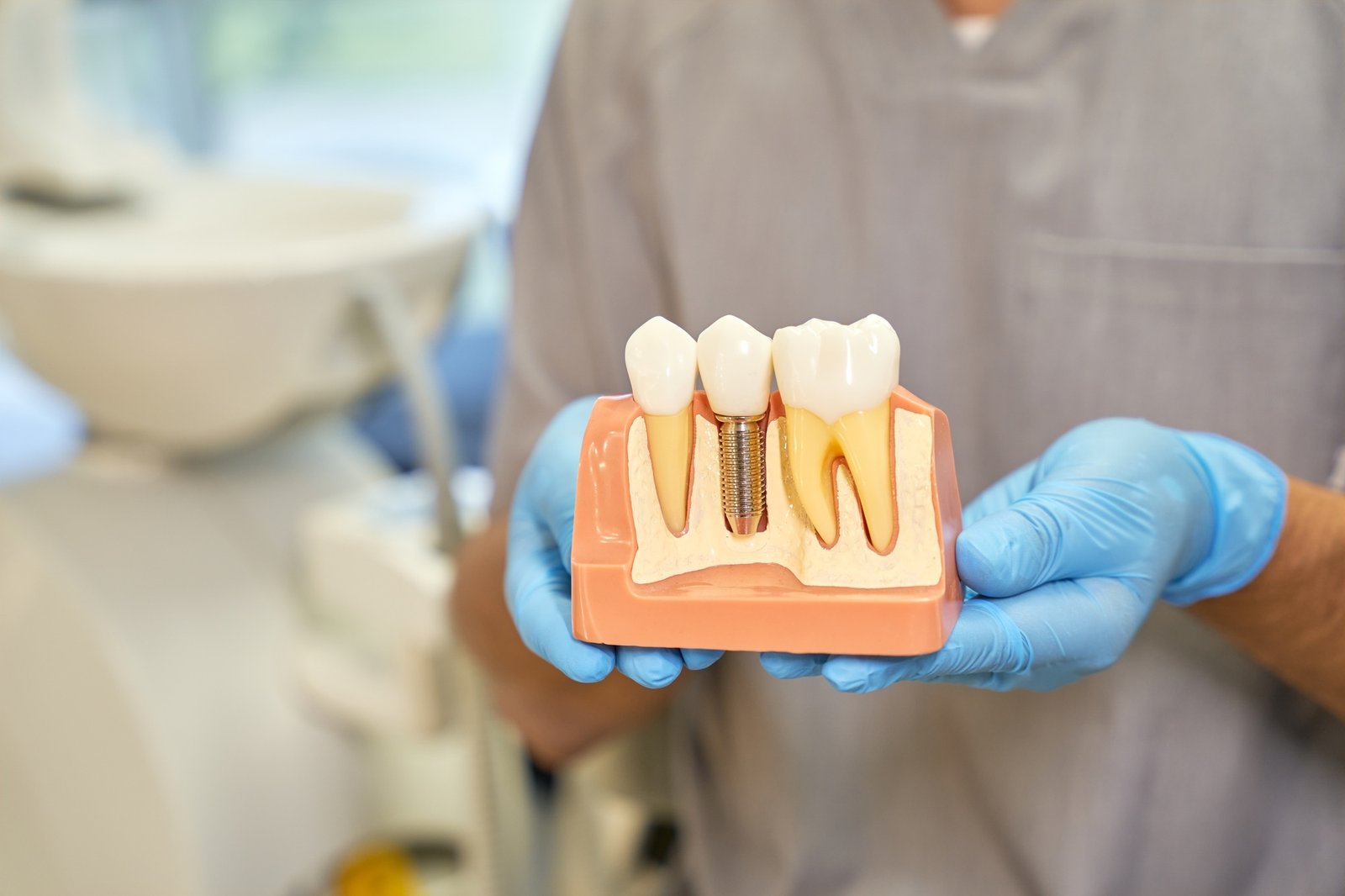
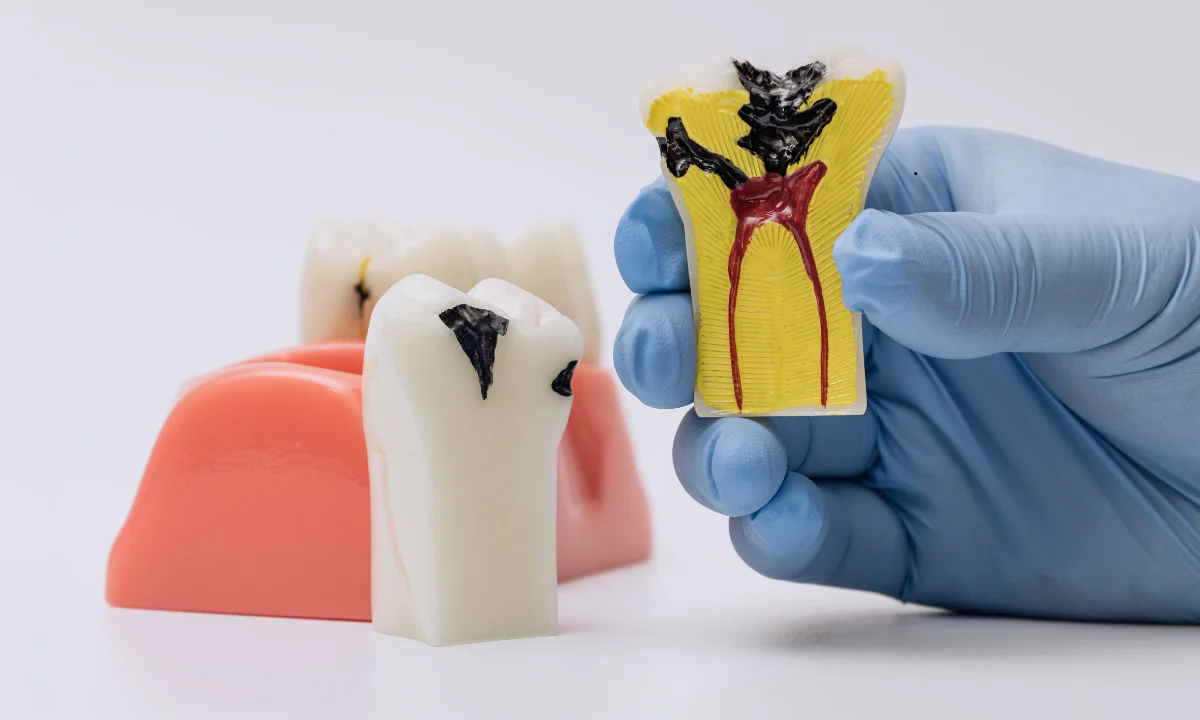
A dental implant infection occurs when harmful bacteria accumulate around a dental implant and trigger inflammation in the surrounding gum tissue and supporting bone. The condition develops gradually in many cases, which is why some patients do not realise there is a problem until symptoms become more noticeable. Unlike natural teeth, dental implants cannot develop tooth decay. However, the gums and bone surrounding an implant remain vulnerable to bacterial infection. If plaque and bacteria are allowed to collect around the implant surface, inflammation can begin and eventually threaten the stability of the implant itself.
Dental implant infections can range from mild gum inflammation to advanced conditions that involve significant bone loss. Early detection plays an important role in preventing more extensive treatment later.
Understanding Peri-Implant Disease
Peri-implant disease is the clinical term used to describe inflammatory conditions affecting tissues around a dental implant. It generally falls into two stages: peri-implant mucositis and peri-implantitis.
Peri-Implant Mucositis (Early-Stage Infection)
Peri-implant mucositis is the earliest stage of implant-related infection. At this stage, inflammation is limited to the gum tissue surrounding the implant. Patients may notice redness, swelling, tenderness, or bleeding when brushing. The encouraging aspect of peri-implant mucositis is that it is usually reversible when addressed promptly. Professional cleaning and improved oral hygiene can often resolve the problem before permanent damage occurs.
Peri-Implantitis (Advanced Infection)
Peri-implantitis develops when infection extends beyond the gums and begins affecting the supporting jawbone. As bone loss progresses, the implant may become unstable and, in severe cases, fail completely. This stage requires more intensive treatment and often involves specialised cleaning procedures, antimicrobial therapy, or surgical intervention to control the infection and preserve as much supporting bone as possible.
How an Infection Develops Around an Implant
Dental implants are designed to integrate with the jawbone through a process called osseointegration. Once healing is complete, the implant functions much like a natural tooth root. Problems arise when bacterial plaque accumulates around the implant and is not removed effectively. Over time, these bacteria form a biofilm that irritates surrounding tissues. The body’s immune response to this bacterial presence leads to inflammation, which can gradually damage both soft tissue and bone. Factors such as smoking, poor oral hygiene, uncontrolled diabetes, and irregular dental maintenance can accelerate this process and increase the likelihood of infection.
Can a Dental Implant Infection Lead to Implant Failure?
Yes. If left untreated, a dental implant infection can eventually compromise the bone supporting the implant. As bone loss increases, the implant may lose stability and become loose. However, implant failure is not inevitable. Many infections can be managed successfully when diagnosed early. The sooner treatment begins, the greater the chance of preserving the implant and avoiding more extensive procedures.
What Causes a Dental Implant Infection?
Dental implant infections rarely occur because of a single factor. In most cases, they result from a combination of bacterial accumulation and individual risk factors that make the tissues around the implant more susceptible to inflammation. Understanding these causes can help patients reduce their risk and maintain healthier implants over the long term.
Plaque and Tartar Build-Up
Plaque is a sticky bacterial film that forms naturally on teeth and dental restorations throughout the day. When plaque is not removed effectively through daily brushing and cleaning between teeth, it can harden into tartar. Bacteria trapped within plaque and tartar release toxins that irritate surrounding tissues. Around dental implants, this process can trigger inflammation and create conditions that allow infection to develop.
Poor Oral Hygiene
Daily oral hygiene remains one of the most important factors influencing implant health. Inadequate brushing and failure to clean around implants can allow bacterial deposits to accumulate below the gumline. Patients who maintain a consistent oral hygiene routine generally experience fewer implant-related complications and better long-term outcomes.
Smoking and Tobacco Use
Smoking reduces blood flow to gum tissues and interferes with the body’s natural healing response. Tobacco use also encourages bacterial growth and increases the risk of infection following implant placement. Research consistently shows that smokers experience higher rates of peri-implantitis and implant failure compared with non-smokers.
Uncontrolled Diabetes
Diabetes can affect the body’s ability to heal and respond to infection. Patients with poorly controlled blood sugar levels may experience increased inflammation and a higher risk of complications around dental implants. Good diabetes management is an important part of maintaining implant health and reducing infection risk.
History of Gum Disease
Patients who have previously experienced periodontal disease may be more vulnerable to implant-related infections. The bacteria associated with gum disease can colonise implant surfaces and contribute to inflammation if proper maintenance is not maintained. For this reason, a thorough periodontal assessment is often recommended before implant treatment.
Weak Immune Function
Certain medical conditions and medications can affect immune system function, making it more difficult for the body to control bacterial infections. Individuals with compromised immune responses may require closer monitoring to ensure any signs of implant inflammation are identified and treated promptly.
Improper Implant Placement
Successful implant treatment depends on careful planning and precise placement. If an implant is positioned incorrectly or experiences excessive stress, it may create areas where bacteria can accumulate more easily. Proper treatment planning, advanced imaging, and clinical experience play important roles in reducing these risks.
Signs and Symptoms of a Dental Implant Infection
Dental implant infections often begin with subtle symptoms that can be easy to overlook. Recognising these warning signs early may help prevent progression to more serious stages involving bone loss and implant instability.
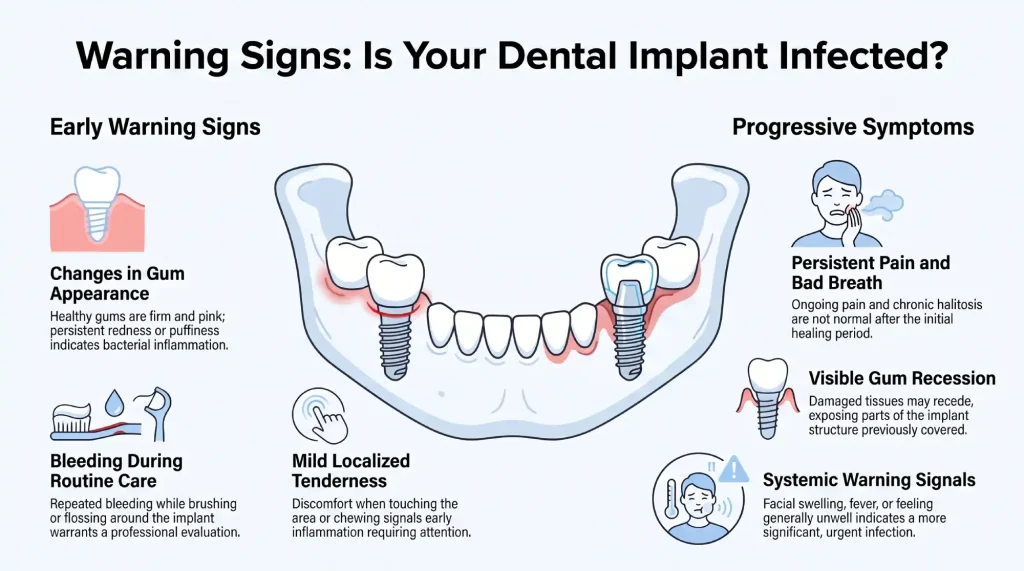
Redness Around the Implant: Healthy gums generally appear firm and pink. Persistent redness around an implant may indicate inflammation caused by bacterial accumulation.
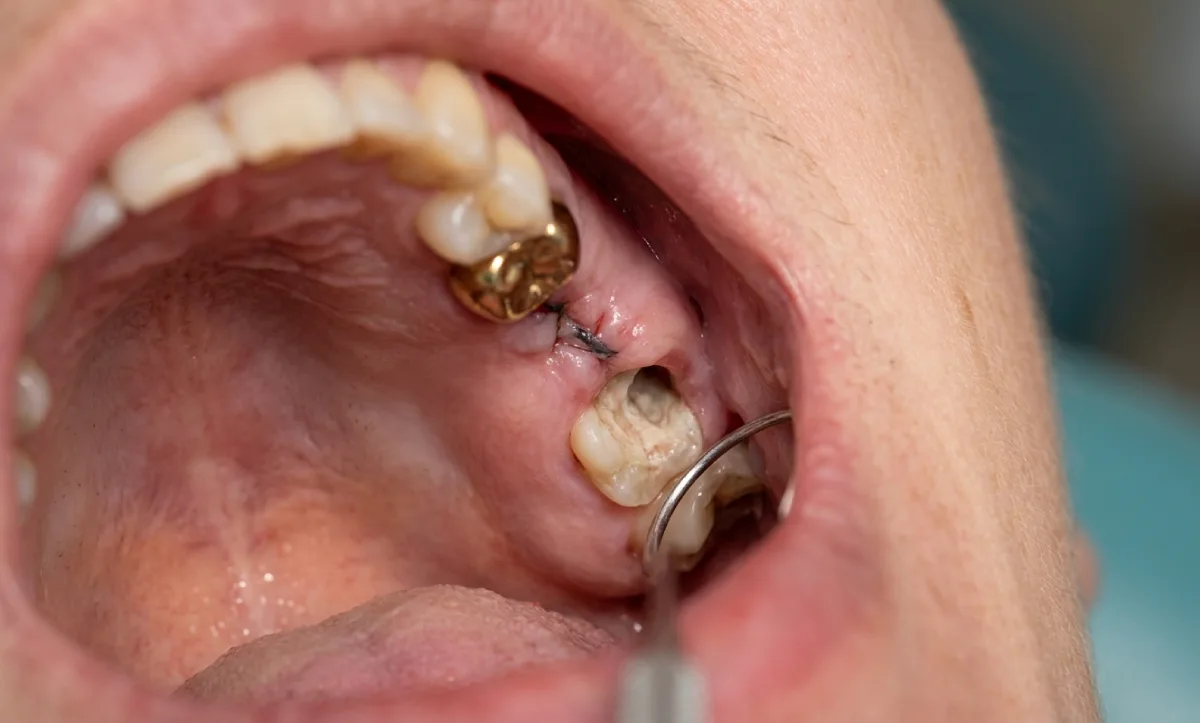
Swollen Gums: Swelling is often one of the first visible signs that the body is responding to irritation or infection. Patients may notice puffiness or increased sensitivity around the implant site.
Bleeding When Brushing or Flossing: Bleeding around an implant should not be ignored. While occasional minor irritation can occur, repeated bleeding may indicate peri-implant mucositis and warrants professional evaluation.
Mild Tenderness: Discomfort when touching the area or chewing may signal early inflammation that requires attention.
Progressive Symptoms: As infection advances, symptoms often become more noticeable.
Persistent Pain or Discomfort: Ongoing pain around a dental implant is not considered normal after the initial healing period. Persistent discomfort should be assessed by a dental professional.
Bad Breath (Halitosis): Bacterial activity around an infected implant can contribute to chronic bad breath that does not improve with regular brushing.
Unpleasant Taste in the Mouth: Many patients report a persistent metallic or unpleasant taste associated with bacterial infection and inflammation.
Gum Recession: As tissues become damaged, the gumline may begin to recede, exposing parts of the implant structure that were previously covered.
Facial Swelling: Infection extending beyond the implant site can sometimes result in swelling affecting surrounding facial tissues.
Fever or Feeling Unwell: Systemic symptoms such as fever or general malaise may indicate a more significant infection requiring urgent care.
Can an Infected Dental Implant Be Saved?
One of the most common concerns patients have after learning they may have an implant infection is whether the implant can still be saved. In many cases, the answer is yes. The outcome largely depends on how early the infection is detected, how much supporting bone remains, and whether treatment begins before extensive damage occurs. Dental implant infections do not always lead to implant failure. When inflammation is identified during its early stages, treatment can often stop the infection, restore tissue health, and preserve the implant. This is why regular dental examinations are so important. Early intervention typically requires less invasive treatment and offers a better long-term outlook.
For patients who notice bleeding, swelling, discomfort, or bad breath around an implant, seeking professional care promptly can make a significant difference in the success of treatment.
When Early Treatment Can Preserve the Implant
Early-stage peri-implant mucositis usually affects only the gum tissue around the implant. At this point, the supporting jawbone remains healthy, and the condition is often reversible with professional care and improved oral hygiene. When treatment begins before bone loss develops, many patients are able to maintain their implant without requiring surgical intervention. Professional cleaning, removal of bacterial deposits, and careful monitoring can often restore healthy tissues and prevent further progression.
This highlights the importance of paying attention to even minor symptoms. What appears to be mild gum irritation may be the first sign of a developing infection.
Factors That Influence Treatment Success
Several factors affect whether an infected implant can be successfully preserved.
Amount of Bone Loss
Bone loss is one of the most important indicators of prognosis. The more supporting bone that remains around the implant, the greater the likelihood of successful treatment. Early infections with minimal bone loss generally respond more predictably than advanced cases.
Infection Severity
Mild inflammation confined to the gums is easier to manage than advanced peri-implantitis involving deep pockets, significant bacterial contamination, and extensive tissue damage.
Smoking Status
Smoking can interfere with healing and increase the risk of treatment complications. Patients who stop smoking often experience better outcomes following implant infection treatment.
Oral Hygiene Habits
Consistent brushing, interdental cleaning, and adherence to professional recommendations play a major role in controlling bacterial accumulation and supporting recovery.
Overall Health
Medical conditions that affect healing and immune response, including poorly controlled diabetes, can influence treatment outcomes. Managing underlying health conditions often improves the body’s ability to respond to treatment.
When Implant Removal Becomes Necessary
Although many infected implants can be treated successfully, there are situations where removal may be the most appropriate option. Severe bone loss, advanced implant mobility, or persistent infection that does not respond to treatment may indicate that the implant can no longer function predictably. In these cases, removing the implant helps eliminate the infection and protects surrounding tissues from further damage. After healing, patients may be suitable candidates for replacement implant treatment or alternative tooth replacement options, depending on their individual circumstances.
Dental Implant Infection Treatment Options
The primary goal of treatment is to eliminate infection, preserve healthy tissues, prevent additional bone loss, and maintain the long-term stability of the implant whenever possible. Treatment recommendations vary depending on the severity of the infection and the condition of the supporting structures. Some patients may respond well to non-surgical therapy, while others require surgical intervention to restore health around the implant.
Non-Surgical Treatment for Early Infection
Non-surgical approaches are typically recommended when infection is identified before significant bone loss has occurred.
Professional Implant Cleaning
Professional cleaning removes bacterial plaque, tartar, and biofilm that cannot be effectively eliminated through home care alone. Dental professionals use instruments specifically designed for implant surfaces to minimise damage while removing harmful deposits. This treatment is often one of the first steps in managing peri-implant mucositis and mild peri-implantitis.
Scaling and Debridement
Scaling and debridement involve thoroughly cleaning the implant surface and surrounding tissues to remove bacterial contamination. The objective is to reduce inflammation, disrupt bacterial colonies, and create an environment that supports healing. Depending on the severity of the condition, multiple appointments may be required to achieve optimal results.
Antibacterial Mouth Rinses
Antimicrobial rinses, including chlorhexidine-based products, may be recommended to help reduce bacterial levels and support healing. These rinses are generally used alongside professional treatment and should not be viewed as a substitute for mechanical cleaning.
Topical or Oral Antibiotics
In some cases, antibiotics may be prescribed to help control bacterial infection. Topical antibiotics are applied directly to affected areas, while oral antibiotics may be used when a broader antimicrobial effect is required. The decision to prescribe antibiotics depends on the severity of the infection, clinical findings, and the patient’s overall health.
Improved Home Care Techniques
Long-term success depends heavily on daily plaque control. Patients may be advised to use:
- Soft-bristled toothbrushes
- Interdental brushes
- Implant-specific floss
- Water flossers
- Antimicrobial oral care products
Even the most effective professional treatment can be compromised if bacterial deposits continue to accumulate at home.
Surgical Treatment for Advanced Infection
When infection progresses and begins affecting the supporting bone, surgical treatment may be necessary to gain access to contaminated areas and restore healthier conditions around the implant.
Surgical Flap Procedure
A flap procedure involves carefully lifting the gum tissue to expose the implant surface and surrounding structures. This allows the clinician to thoroughly clean infected areas that cannot be reached through non-surgical methods. The procedure also enables direct assessment of bone loss and tissue damage.
Implant Surface Decontamination
Once access has been established, the implant surface is cleaned using specialised techniques designed to remove bacterial biofilm and contamination. Effective decontamination is essential because bacteria can adhere tightly to implant surfaces, making them difficult to eliminate without direct access.
Bone Regeneration Procedures
When infection has caused bone loss, regenerative treatment may be considered to help rebuild supporting structures. The suitability of regenerative procedures depends on the amount and pattern of bone loss, implant stability, and overall treatment goals.
Bone Grafting
Bone grafting may be used to restore lost bone around the implant. Bone graft materials encourage new bone formation and can improve support around affected areas. In suitable cases, this approach may help extend the lifespan of the implant and improve treatment outcomes.
Corrective Implant Surgery
Some cases involve mechanical or structural factors contributing to infection. Corrective procedures may address issues such as implant positioning, prosthetic design, or excessive bite forces that place unnecessary stress on the implant and surrounding tissues.
Treatment Guide by Infection Severity
The severity of a dental implant infection largely determines which treatment approach is most appropriate.
| Infection Stage | Common Signs | Recommended Treatment | Primary Goal |
| Peri-implant Mucositis | Redness, swelling, bleeding | Professional cleaning, improved oral hygiene, antimicrobial rinses | Reverse inflammation |
| Early Peri-implantitis | Persistent bleeding, discomfort, pocket formation | Deep cleaning, debridement, antibacterial therapy | Stop disease progression |
| Moderate Peri-implantitis | Gum recession, bone loss, persistent symptoms | Non-surgical therapy combined with advanced infection management | Preserve implant stability |
| Advanced Peri-implantitis | Pus, significant bone loss, implant mobility | Surgical treatment, bone regeneration procedures | Retain implant where possible |
| Implant Failure | Severe mobility, extensive structural damage | Implant removal and future replacement planning | Restore oral function |
The earlier treatment begins, the simpler the treatment process tends to be. Delaying care allows bacteria to continue damaging supporting tissues, increasing the likelihood of bone loss and more extensive intervention.
Recovery After Treatment
Recovery varies depending on the severity of the infection and the type of treatment performed. Patients receiving non-surgical therapy often experience shorter recovery periods than those requiring surgical procedures. Following professional recommendations during recovery is essential for controlling bacterial accumulation and supporting tissue healing.
Expected Healing Timeline
Many patients notice reduced swelling, bleeding, and discomfort within the first few weeks after treatment. Soft tissue healing may occur relatively quickly, while bone regeneration and tissue stabilisation can take several months. Follow-up appointments allow progress to be monitored and treatment plans adjusted if necessary.
What to Eat During Recovery
A balanced diet supports healing and helps reduce unnecessary stress on treated tissues. Patients are often encouraged to choose:
- Soft foods during early healing
- Lean proteins
- Fruits and vegetables
- Adequate hydration
Hard, sticky, or excessively crunchy foods may need to be limited temporarily following surgical treatment.
Oral Care Instructions
Good oral hygiene remains essential during recovery. Patients should follow personalised recommendations provided by their dental team, which may include:
- Gentle brushing around treated areas
- Antibacterial mouth rinses
- Interdental cleaning tools
- Regular plaque control measures
Consistent oral care reduces the likelihood of reinfection and supports long-term implant health.
Follow-Up and Monitoring
Ongoing monitoring allows dentists to evaluate tissue response, assess implant stability, and ensure infection control measures are working effectively. Regular maintenance appointments are often one of the most important factors in preventing future complications.
How to Prevent Dental Implant Infections
Preventing a dental implant infection is far easier than treating one. While modern dental implants are built to last for many years, their long-term success depends on maintaining healthy gums and supporting bone. Consistent oral care, routine dental visits, and early action when symptoms appear can significantly reduce the risk of complications. Most implant infections develop gradually. This means patients often have opportunities to stop problems before they progress into more serious conditions such as peri-implantitis or implant failure.
- Maintain Excellent Daily Oral Hygiene
- Use Implant-Friendly Cleaning Tools
- Attend Regular Dental Check-Ups
- Stop Smoking
- Control Diabetes and Medical Conditions
- Address Teeth Grinding Early
- Seek Care at the First Sign of Inflammation
Frequently Asked Questions
What Does a Dental Implant Infection Look Like?
A dental implant infection may cause redness, swelling, bleeding, gum recession, pus, or tenderness around the implant. Some patients also notice persistent bad breath or an unpleasant taste in their mouth.
Can Antibiotics Alone Cure Peri-Implantitis?
Antibiotics may help reduce bacterial infection, but they are rarely a complete solution on their own. Professional cleaning and management of underlying causes are usually required to achieve lasting results.
Can an Implant Infection Occur Years After Placement?
Yes. Dental implant infections can develop months or even years after successful placement. Poor oral hygiene, smoking, gum disease, and missed maintenance visits can increase the risk over time.
How Long Does Treatment Take?
Treatment timelines vary depending on infection severity. Mild cases may improve within weeks, while advanced infections requiring surgery and bone regeneration may take several months to fully stabilise.
Can a Failed Implant Be Replaced?
In many cases, yes. After the area has healed and any infection has been resolved, replacement implant treatment may be possible. Suitability depends on factors such as bone availability, overall oral health, and treatment goals.
Why Early Treatment Gives the Best Chance of Saving Your Implant
Dental implant infections are often manageable when identified early. The challenge is that many patients wait until symptoms become severe before seeking professional care. In the early stages, treatment may involve professional cleaning, improved oral hygiene, and bacterial control measures. Once significant bone loss develops, treatment becomes more complex and may require surgery or regenerative procedures.
Taking action at the first sign of inflammation helps protect the supporting structures around the implant and increases the likelihood of long-term success. It can also reduce treatment costs, shorten recovery times, and minimise the risk of implant loss. Patients who attend regular maintenance appointments and respond promptly to symptoms often enjoy excellent long-term outcomes with their dental implants.
Conclusion
Dental implants are a highly successful solution for replacing missing teeth, but like natural teeth, they require ongoing care and attention. Understanding the causes of dental implant infections, recognising the warning signs, and seeking treatment early can make a significant difference in protecting your oral health. Symptoms such as bleeding gums, swelling, persistent bad breath, pain, pus, or implant mobility should never be ignored. Early-stage conditions like peri-implant mucositis are often reversible, while advanced peri-implantitis may require more comprehensive treatment to preserve the implant and surrounding bone.
Good oral hygiene, regular dental check-ups, and prompt professional care remain the most effective ways to prevent complications and maintain healthy implants for years to come. At Burwood Diamond Dental, our team provides comprehensive implant care, from routine maintenance and early infection management to advanced treatment planning. We focus on protecting your oral health, preserving healthy tissues, and helping you maintain the long-term success of your dental implants.