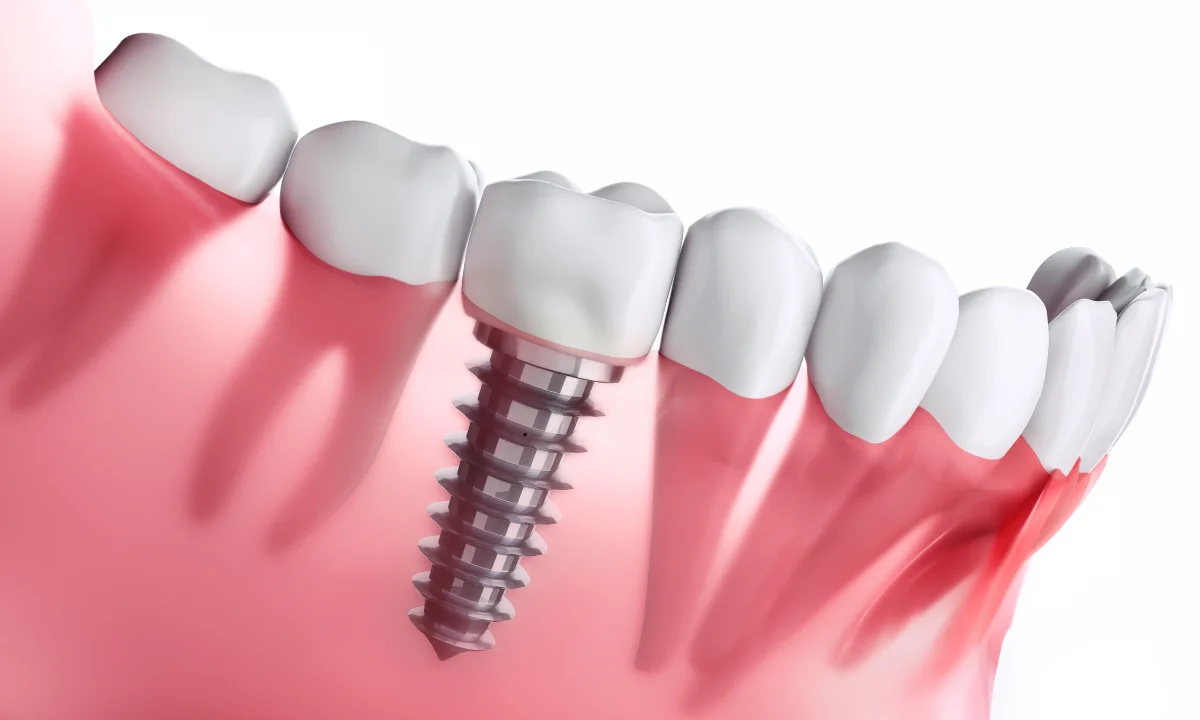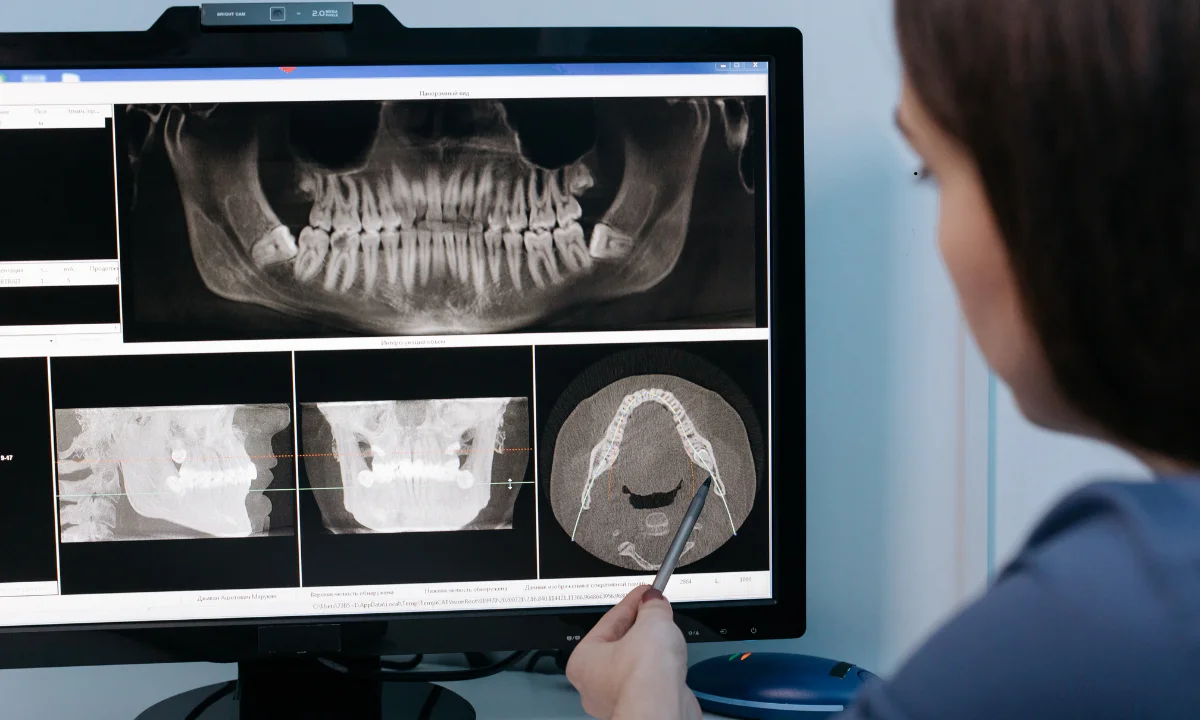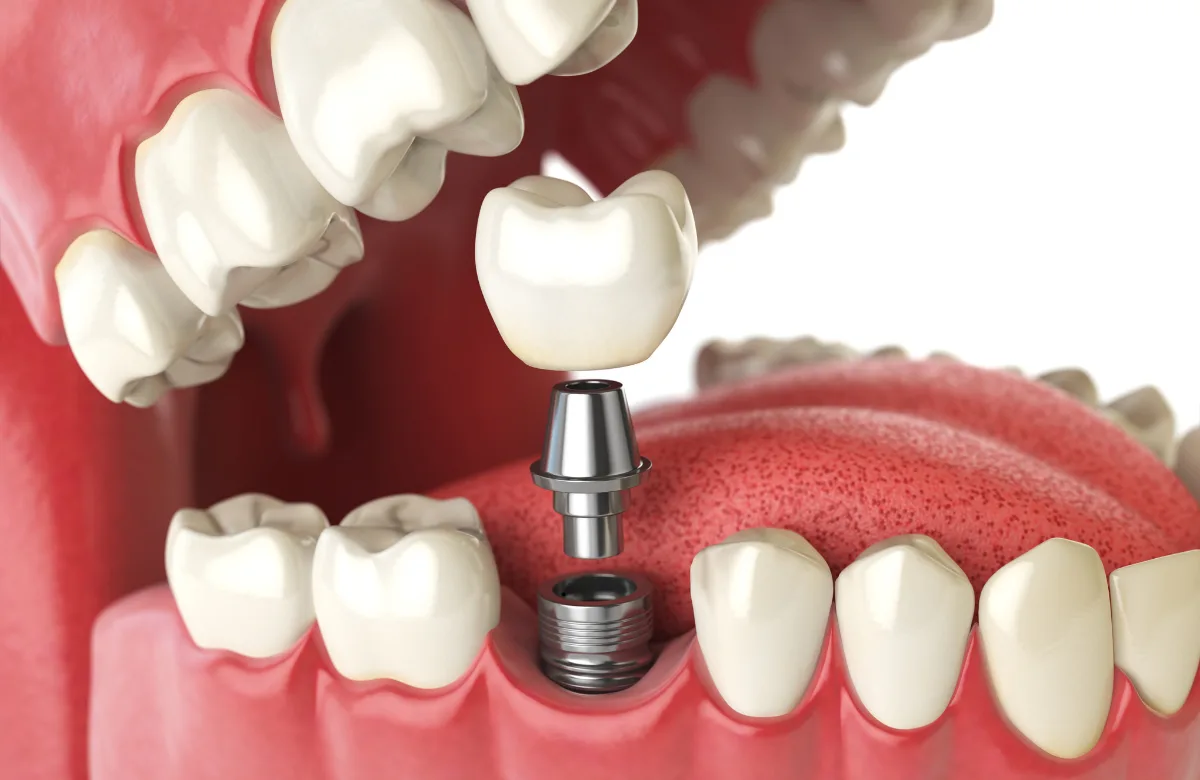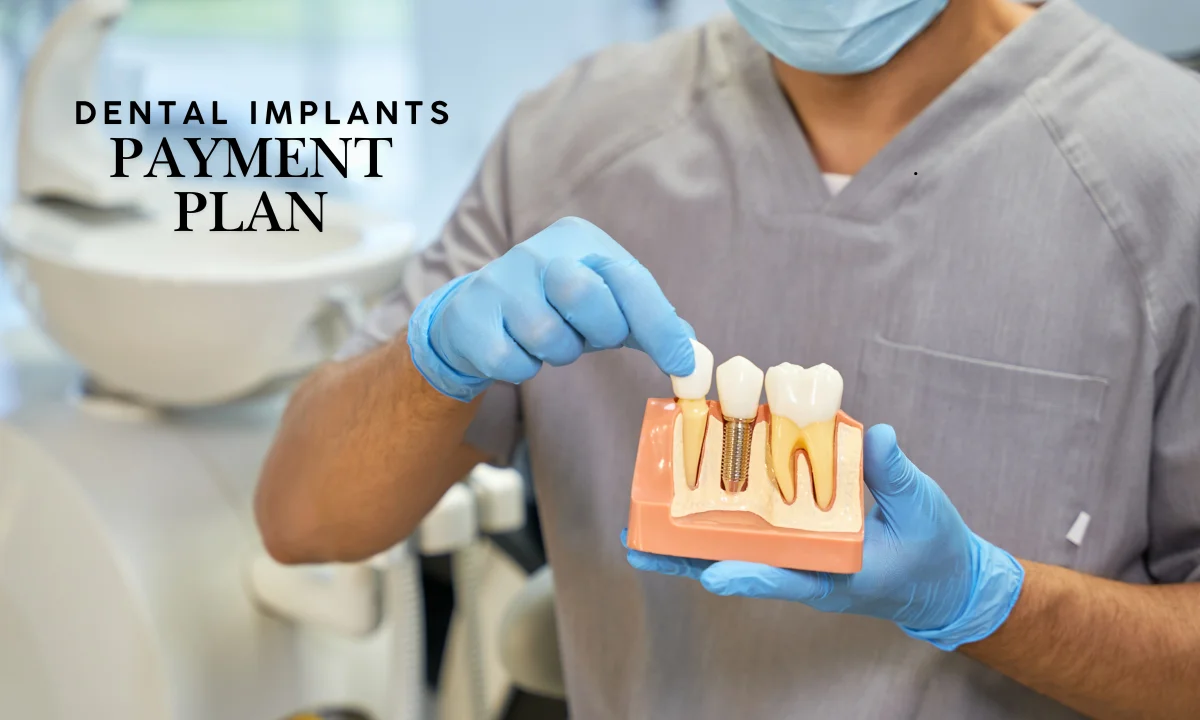
Missing teeth affect more than appearance. They impact chewing, speech, jawbone strength, and long-term oral health. Dental implants solve these issues with a permanent solution, but many patients in Australia delay treatment because of cost concerns. A single implant can feel like a large upfront expense, especially when multiple teeth or full-mouth restoration is needed.
This is where dental implant financing changes the situation. Instead of paying everything at once, patients can spread costs into manageable monthly payments, making treatment accessible without delay. Clinics like Burwood Diamond Dental support patients by offering structured payment solutions so treatment decisions are based on health needs, not financial pressure.
What Dental Implants Actually Cost in Australia
Before choosing any payment plan, it is important to understand how pricing works. Dental implant costs in Australia vary depending on clinical complexity, materials used, and the number of implants required.
| Treatment Type | Average Cost Range (AUD) |
| Single dental implant | $3,000 – $6,500 |
| Multiple implants (2–4 teeth) | $6,000 – $15,000 |
| Full-mouth implants (All-on-4 / All-on-6) | $20,000 – $50,000+ |
These prices may also include additional procedures such as bone grafting, sinus lifts, or extractions if required. The biggest reason for variation is not just the implant itself, but the full treatment process. Some patients need bone support before implant placement, which increases both time and cost.
Why Dental Implant Costs Feel High for Patients
Most patients don’t plan for dental implants in advance. The cost feels high because:
- Treatment is often unexpected after tooth loss
- Insurance coverage is limited for implants
- Multiple appointments are required
- Advanced materials and surgical expertise are involved
Another important factor is that dental implants are a long-term solution. Unlike dentures or bridges that may need replacement, implants are designed for durability and bone preservation. This long lifespan changes the pricing structure, but it also increases upfront cost. Patients often compare implants with cheaper short-term options, but those alternatives may lead to repeated future expenses.
Why Financing Has Become Standard in Australian Dental Care
In Australia, dental clinics increasingly offer financing options because patient expectations have changed. People now expect flexibility in healthcare payments similar to other major services. Dental financing exists for three main reasons:
1. Access to treatment without delay
Patients can start treatment immediately instead of waiting months or years to save money.
2. Predictable monthly budgeting
Instead of a large one-time payment, costs are divided into fixed monthly amounts.
3. Higher treatment acceptance rates
Clinics can focus on clinical needs instead of financial limitations during treatment planning.
This approach is now widely used in modern dental practices, including clinics offering implant services, cosmetic dentistry, and full smile restoration treatments.
How Dental Implant Financing Changes Patient Decisions
Financing does more than spread payments: it changes how patients approach treatment decisions. Without financing, many people delay implants and live with missing teeth longer than necessary. This delay can lead to:
- Bone loss in the jaw
- Shifting of surrounding teeth
- Changes in facial structure
- Difficulty chewing or speaking
With financing options, patients can move forward with treatment based on dental health priorities instead of financial timing. Clinics like Burwood Diamond Dental often see patients choosing earlier treatment once flexible payment plans are explained during consultation. This improves both long-term oral health outcomes and overall treatment success.
What Patients Should Know Before Choosing Any Payment Plan
Before selecting any financing option, patients should understand a few important points:
- Total treatment cost may include additional procedures (not just implants)
- Monthly repayments depend on loan term and approval type
- Some plans require an upfront deposit (commonly around 10–20%)
- Insurance may only cover partial treatment costs
- Eligibility depends on income and credit profile
A proper consultation is essential before committing to any payment structure. A detailed treatment plan from the dentist ensures accurate cost breakdown and avoids unexpected expenses later.
Payment Plans, Financing Systems & Insurance Options in Australia
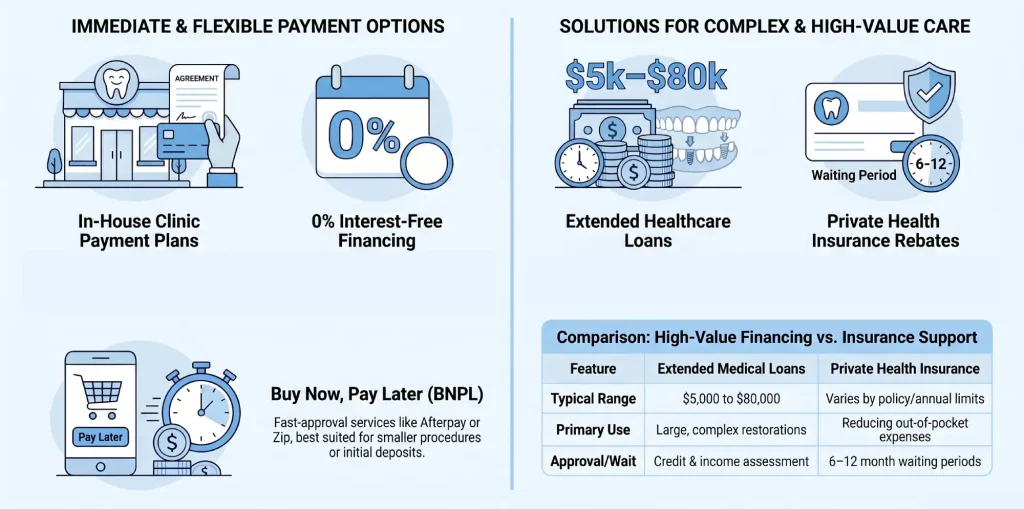
1. In-House Dental Payment Plans (Clinic-Based Financing)
After understanding the real cost of dental implants, most patients in Australia look for the simplest way to start treatment without paying the full amount upfront. One of the most common options is an in-house dental payment plan, which is arranged directly with the clinic. In this system, the dental clinic divides the total treatment cost into fixed monthly installments. Patients usually pay an initial deposit first, and the remaining balance is spread over an agreed period. This model is widely used because it removes third-party approval delays and allows treatment to begin quickly.
Key features of in-house plans:
- Direct agreement with the dental clinic
- No external lender involvement
- Monthly fixed payments
- Treatment can start after deposit
- Flexible terms depending on case complexity
Best suited for:
- Single dental implant cases
- Moderate restorative treatments
- Patients who prefer simple approval process
The main advantage is control and flexibility. However, terms can vary from clinic to clinic, so a clear written breakdown is always important before starting treatment.
2. Interest-Free Dental Financing (0% Payment Plans)
Interest-free plans are one of the most attractive financing options for patients because they allow repayment without extra interest charges during a promotional period. These plans are often offered through financial partners connected with dental clinics. Most interest-free offers run between 12 to 24 months, depending on approval and provider terms. The key condition is that repayments must be made on time; otherwise, standard interest rates may apply after the promotional period ends.
Common providers in this category:
- DentiCare
- MySmilePlan
- National Dental Plan
How it works in practice:
- Patient applies through clinic or provider
- Approval is based on credit and income assessment
- Deposit may be required (commonly 10–20%)
- Remaining balance is split into monthly payments
- 0% interest applies during promotional period
Important considerations:
- Late payments can cancel interest-free benefit
- Approval depends on financial profile
- Higher treatment amounts may require longer approval review
This option works well for patients who want predictable repayments without long-term interest charges.
3. Buy Now, Pay Later (BNPL) for Dental Treatments
BNPL services have become popular in Australia for healthcare payments, including dental treatments. These platforms allow patients to split payments into smaller short-term installments, often with fast approval and minimal paperwork.
Unlike traditional loans, BNPL systems focus on speed and convenience rather than long-term financing.
Popular BNPL providers:
- Afterpay
- Zip
- humm
How BNPL works for dental implants:
- Treatment cost is split into smaller payments
- Approval is often instant or same-day
- Repayment terms usually range from 4 to 24 months
- Some plans require first payment at booking
Best use cases:
- Small dental procedures
- Partial implant payments
- Emergency or urgent treatments
- Patients needing short repayment cycles
BNPL is not always suitable for full-mouth implants due to lower limits, but it works well for smaller treatment segments or upfront deposits.
4. Extended Healthcare Loans (Medical Finance Options)
For larger treatments such as multiple implants or full-mouth restoration, patients often choose medical loans or extended healthcare finance. These are structured loans provided by financial institutions that specialise in healthcare funding. These loans are designed to cover high-value treatments and provide long repayment flexibility.
Common providers:
- TLC Payment Plan
- MediPay
Key features:
- Loan amounts typically range from $5,000 to $80,000
- Repayment terms from 1 to 7 years
- Funds are paid directly to the clinic
- Fixed monthly repayment structure
Cost structure:
- Interest rates may apply after approval
- Setup or establishment fees may be included
- Early repayment options may vary by provider
This option is commonly used for complex dental cases, including multiple implants or full jaw reconstruction.
5. Private Health Insurance & Dental Rebates (Australia)
Private health insurance plays a supportive role in reducing dental implant costs, but it does not usually cover the full treatment. In Australia, implants are typically classified under “major dental” or “extras cover,” depending on the policy.
What insurance may cover:
- Partial consultation fees
- Some diagnostic procedures
- Limited contribution to crowns or prosthetics
Key limitations:
- Dental implants are NOT fully covered by Medicare
- Coverage depends on extras policy level
- Waiting periods often apply (6–12 months or more)
- Annual limits restrict total rebate amount
What patients should do:
- Check item codes with their insurer
- Confirm yearly dental limits
- Review waiting periods before treatment
- Combine insurance with financing for better affordability
Insurance alone rarely covers full implant costs, but it significantly reduces out-of-pocket expenses when used correctly.
Eligibility Requirements for Dental Implant Financing
Once patients understand the available payment options, the next step is approval. Every financing system has eligibility rules, and these rules help lenders and clinics assess repayment ability. In Australia, requirements are generally similar across most dental financing providers, whether it is BNPL, clinic plans, or medical loans. Most applicants are assessed on basic financial stability rather than complicated criteria, making access relatively straightforward for working adults.
Common eligibility requirements:
- Must be 18 years or older
- Australian residency or valid visa status
- Government-issued ID (passport or driver’s licence)
- Proof of regular income (salary slips or bank statements)
- Active bank account for repayments
- Credit check (soft or full depending on provider)
BNPL services such as Afterpay or Zip usually have faster and lighter checks, while medical loans and extended financing involve deeper credit assessments.
Approval speed also varies:
- BNPL: instant to minutes
- Clinic plans: same day to 48 hours
- Medical loans: 1–3 business days
This flexibility ensures most patients can access at least one suitable option regardless of financial background.
Risks and Things Patients Should Check Before Signing Any Plan
Dental financing is generally safe when understood properly, but like any financial product, it comes with responsibilities. Patients should always review terms carefully before committing.
Key risks to consider:
- Missing payments can lead to penalty fees
- Interest-free offers may switch to high interest after promo ends
- Overcommitting to long repayment terms
- Not checking insurance overlap properly
- Hidden fees in loan agreements
Simple safety checklist before signing:
- Read full repayment schedule
- Confirm total repayment amount (not just monthly cost)
- Check interest rate after promotional period
- Ask about early repayment conditions
- Understand cancellation policy
A transparent clinic will always explain these points clearly during consultation before any agreement is signed.
Real-World Financing Scenarios (How Patients Actually Pay)
Understanding theory is useful, but real examples help patients see how financing works in practice.
Scenario 1: Single Implant Case
- Total cost: $4,500
- Deposit: $900 (20%)
- Remaining: $3,600
- Monthly repayment: $150–$300 over 12–24 months
Scenario 2: Multiple Implants
- Total cost: $12,000
- Interest-free plan used
- 24-month repayment
- Monthly cost: ~$500
Scenario 3: Full Mouth Restoration
- Total cost: $35,000–$50,000
- Medical loan approved
- Repayment term: 5–7 years
- Monthly repayment: structured and fixed
These examples show how financing adapts to different treatment sizes rather than forcing one fixed payment model.
How Clinics Support Patients During Financing
Modern dental clinics in Australia do not just provide treatment; they also guide patients through financial planning. Clinics like Burwood Diamond Dental help patients understand their options before starting treatment.
Common clinic support services:
- Full treatment plan with cost breakdown
- Financing eligibility check during consultation
- Assistance with loan or BNPL application
- Insurance claim guidance (item codes + extras cover)
- Transparent explanation of payment timelines
This approach ensures patients are not left to handle financial decisions alone and can proceed with clarity.