A tooth that keeps hurting can be frustrating because the pain may settle for hours or days and then return without warning. You might notice an ache while chewing, sensitivity that lingers after a hot or cold drink, discomfort around an old filling, or throbbing pain that becomes difficult to ignore. Pain relief may make you feel better temporarily, but recurring tooth pain is usually a symptom of an underlying problem rather than a diagnosis itself. Tooth decay, inflammation or infection inside the tooth, a crack, damaged dental work, gum disease and excessive bite pressure are some possible causes. The right chronic tooth pain solution therefore depends on finding the source first and treating that condition rather than repeatedly masking the pain. We recommend seeing a dentist as soon as possible if toothache lasts more than two days or does not improve with pain-relief medicines.
For patients in Burwood and Sydney’s Inner West, persistent tooth pain should be assessed before it progresses into a more difficult dental problem. Depending on the diagnosis, treatment may involve repairing decay, protecting a weakened tooth with a crown, treating an infected dental pulp with root canal treatment, managing gum disease or bite pressure, or removing a tooth that can no longer be predictably saved. The correct option depends on what the examination shows, which is why two people with similar toothache symptoms may require very different treatment.
Why Does Tooth Pain Keep Coming Back?
Recurring tooth pain often happens because the condition producing the pain has not resolved. Dental symptoms can also fluctuate. A tooth may hurt intensely one day, feel almost normal the next, and become painful again after chewing or drinking something cold. This does not automatically mean the tooth is healing. Different dental conditions can produce overlapping pain patterns, so the timing and type of pain provide useful clues but cannot confirm the diagnosis on their own. Healthdirect lists tooth decay, dental injury and wisdom tooth eruption among recognised causes of toothache, while other established causes include abscesses, gum disease, damaged restorations and teeth grinding.
Tooth Decay and Inflammation Inside the Tooth
Tooth decay is one of the most common reasons for persistent toothache. Decay develops when plaque-related acids damage the hard structure of a tooth. In its early stages, decay may produce no pain at all. As a cavity becomes deeper and approaches the dentine and dental pulp, the tooth may become increasingly sensitive to cold, heat, sweets or biting pressure. Healthdirect identifies tooth decay as a common cause of toothache and explains that untreated decay can progress and lead to more serious dental problems.
The dental pulp is the soft tissue inside the tooth that contains nerves, blood vessels and connective tissue. If decay, trauma or another problem irritates the pulp, inflammation known as pulpitis can develop. Mild pulp inflammation may sometimes settle after the cause is removed, while more advanced pulp damage may produce spontaneous pain, prolonged sensitivity or significant toothache and may no longer be able to recover. Toothache and sensitivity are recognised symptoms of pulpitis, although the pattern varies with the extent of inflammation. This distinction matters because a small cavity and a tooth with severely damaged pulp should not receive the same treatment. A filling may be enough when decay has not irreversibly affected the pulp, while advanced pulp inflammation or infection may require root canal treatment if the tooth is suitable to retain.
Dental Infection or Tooth Abscess
A dental infection can develop when bacteria reach tissues inside or around a tooth. If pus collects around the tooth or its root, it is a sign of dental abscess can form. An abscess may cause persistent or throbbing pain, tenderness when chewing, swelling, fever or an unpleasant taste in the mouth. Healthdirect describes a tooth abscess as an infection-related swelling containing pus and notes that it will not resolve on its own. The key point is that treating an infected tooth involves dealing with the source of the infection. Antibiotics are not a universal treatment for toothache. The Australian Dental Association advises that the cause of dental pain needs treatment and notes that antibiotics may not be necessary for many toothaches. Its patient guidance also explains that irreversible pulpitis requires definitive dental treatment such as root canal treatment or extraction rather than antibiotics alone. This is especially important for people who have recurring pain and repeatedly rely on medication without having the tooth examined. Pain may temporarily decrease while the dental disease responsible for it remains present.
Cracked Tooth or Damaged Dental Work
A crack in a natural tooth can produce pain that is difficult to understand because the discomfort may not be constant. Some people notice a sharp sensation while biting, discomfort as biting pressure is released, or temperature sensitivity. The severity of a cracked tooth depends on where the crack is located, how deeply it extends, and whether the dental pulp has been affected. A small structural problem and a deep fracture extending through the tooth have very different treatment implications. Existing dental work can also become associated with pain. A worn or broken filling, recurrent decay around a restoration, a damaged crown or a change in the way the teeth meet may make a previously comfortable tooth painful. The NHS includes cracked or damaged teeth and loose or broken fillings among recognised causes of toothache.
The correct treatment depends on what remains underneath the restoration. Some teeth can be repaired with a new filling or crown, while deeper structural or pulpal damage may require additional treatment. This is why simply replacing an old filling without checking the tooth beneath it may fail to address persistent pain.
Gum Disease and Supporting Tissue Problems
Tooth pain does not always begin inside the tooth itself. The gums, periodontal ligament and bone around a tooth form its supporting system, and disease in these tissues can produce soreness, bleeding, chewing discomfort or eventually tooth mobility. Gingivitis commonly begins with plaque-related gum inflammation, while periodontitis affects deeper supporting structures around the teeth. Healthdirect advises prompt dental assessment for swollen or bleeding gums or teeth that feel loose. Gum-related pain may feel different from nerve pain inside a tooth, but symptoms can overlap. A patient might report tenderness around a particular tooth when the main issue is inflammation within a periodontal pocket rather than a cavity. Gum recession can also expose more sensitive areas of the tooth and contribute to discomfort. A dental examination helps distinguish these problems so treatment can be directed at the correct tissue.
Teeth Grinding, Clenching and Bite Pressure
Bruxism means grinding, clenching or gnashing the teeth, and it can occur while a person is awake or asleep. Repeated pressure from grinding can strain teeth, restorations and jaw muscles even when there is no cavity or infection. The National Institute of Dental and Craniofacial Research defines bruxism as repeated grinding, clenching or gnashing, while clinical guidance recognises tooth and restoration damage as possible consequences. People with bruxism may notice morning jaw tightness, tender teeth, wear marks, chipped restorations or discomfort while chewing. Grinding may also place extra stress on a tooth that already contains a large filling, crown or existing crack. Treatment should therefore focus on identifying the pattern of forces and protecting vulnerable teeth rather than assuming that every painful tooth needs nerve treatment. A dentist may assess the bite, tooth wear, restorations and muscle symptoms. In appropriate cases, a professionally assessed night guard or occlusal splint may help reduce damaging forces on teeth and restorations, although an appliance does not remove every possible cause of bruxism.
Wisdom Tooth Problems and Other Sources of Tooth-Like Pain
Wisdom teeth can cause recurring pain if there is insufficient space for normal eruption or if gum tissue around a partly erupted tooth repeatedly becomes inflamed. Healthdirect includes wisdom teeth coming through among possible causes of toothache. Pain in this situation is commonly felt toward the back of the mouth and may be accompanied by gum tenderness, swelling or difficulty cleaning around the area. It is also possible for pain that feels like a toothache to come from somewhere other than the tooth itself. For example, sinus inflammation can sometimes cause upper tooth pain because the upper back teeth are anatomically close to the maxillary sinuses. Acute sinusitis is recognised as a possible source of toothache. Facial and jaw conditions can also produce pain perceived around the teeth. If dental testing does not identify a convincing tooth-related cause, further assessment may be more appropriate than performing irreversible treatment simply because the discomfort feels as though it comes from a tooth.
Tooth Pain Patterns and What They May Suggest
The way tooth pain behaves can provide useful information before and during a dental examination. A dentist may ask whether the pain is sharp or dull, constant or intermittent, triggered by temperature, made worse by biting, or associated with swelling. These patterns help narrow the possible causes, but they should never be treated as a self-diagnosis because several dental conditions can create similar symptoms.
| What you notice | Possible explanation | Recommended next step |
| Lingering sensitivity after hot or cold | Deep decay or inflammation of the dental pulp | Arrange a dental assessment |
| Sharp pain while biting | Cracked tooth, decay, restoration or bite problem | Have the tooth examined |
| Constant or throbbing pain | Significant pulp inflammation or dental infection may be present | Seek prompt dental care |
| Toothache with facial or gum swelling | Dental infection or abscess may be present | Seek urgent dental assessment |
| Pain around an old filling or crown | Recurrent decay, restoration damage or bite issue | Have the restoration and tooth checked |
| Morning tooth and jaw soreness | Grinding or clenching may be contributing | Discuss a bruxism and bite assessment |
| Pain that disappears and later returns | Several dental conditions can behave intermittently | Do not assume the underlying problem has resolved |
Symptoms such as pain on biting, sensitivity, swelling and intermittent or throbbing pain are recognised patterns in dental conditions, but their causes overlap. The table is therefore useful for understanding why an assessment may be needed, rather than deciding which dental treatment you need yourself.
How Does a Dentist Find the Cause of Persistent Tooth Pain?
Finding the source of chronic tooth pain requires more than looking for a visible cavity. A painful tooth may have decay hidden between teeth, inflammation inside the pulp, a crack that is difficult to see, a periodontal problem, a damaged restoration or excessive bite pressure. Healthdirect notes that dentists diagnose toothache by asking about symptoms, examining the mouth and using X-rays when appropriate. The aim of the appointment is to connect the pain pattern with clinical findings. Treatment should follow that diagnosis rather than being chosen from the symptom alone.
Pain History and Clinical Examination
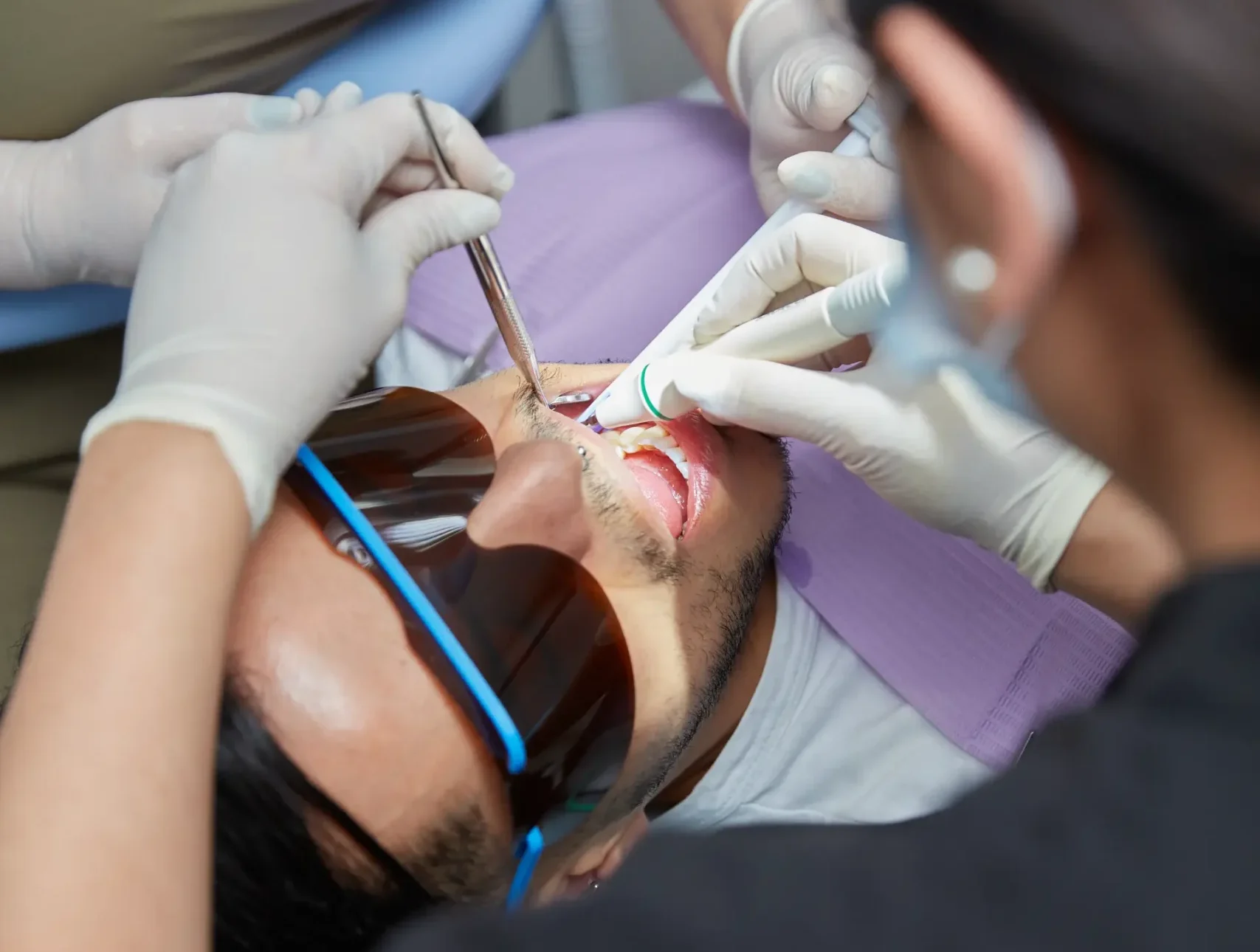
Your description of the pain provides important diagnostic information. A dentist may ask when the problem started, whether it is getting worse, whether the discomfort is constant or intermittent, and what triggers it. Cold sensitivity that disappears quickly, pain that continues after a stimulus has gone, discomfort while biting and spontaneous throbbing can suggest different processes, although none should be interpreted in isolation. The dentist may then examine the painful tooth, neighbouring teeth, gums and existing restorations. Depending on the situation, the assessment can include checking for decay, cracks, swelling, tooth mobility, gum pockets, bite contacts and tenderness. Pulp-related tests may also be used where clinically appropriate. A history of previous fillings, crowns, root canal treatment, trauma or teeth grinding can provide further context. This step prevents an important clinical mistake: treating the tooth that appears painful without enough evidence that it is actually the source.
Dental X-Rays and Other Tests When Needed
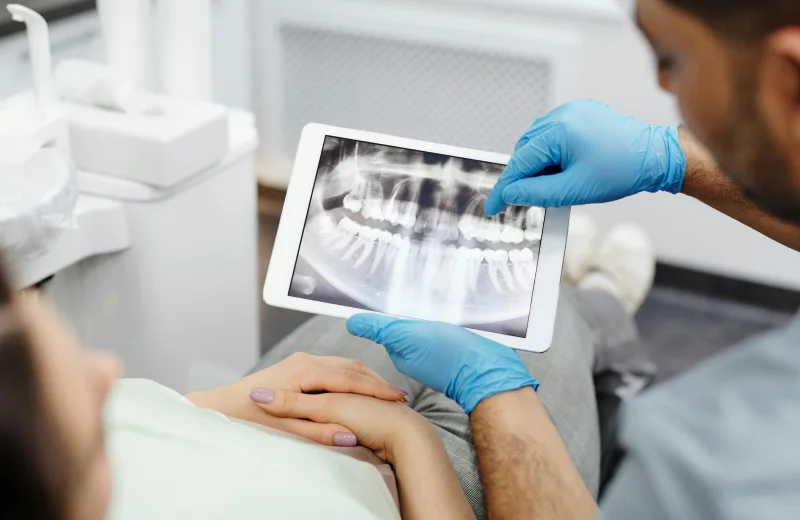
Dental X-rays can provide information that cannot always be seen during a visual examination. Depending on the problem, radiographs may help identify deeper decay, assess the area around tooth roots, check bone support or evaluate existing restorations. Healthdirect includes dental X-rays as part of toothache assessment where needed. An X-ray is still only one part of diagnosis. Some painful dental conditions may show limited radiographic changes, particularly early in their development, while an abnormal-looking area on an X-ray may not necessarily explain the patient’s symptoms. Dentists therefore interpret imaging together with the clinical examination, dental history and pain pattern before recommending treatment.
Chronic Tooth Pain Solutions: Treatment Based on the Cause
There is no single treatment that solves every case of chronic tooth pain. The effective solution is to remove, repair or control the condition causing the symptom. Healthdirect similarly states that treatment for toothache depends on the underlying cause. This may mean repairing a cavity in one patient, performing root canal treatment in another, managing periodontal disease in a third, or correcting damaging bite forces where the tooth itself is otherwise healthy. This cause-based approach also reduces unnecessary treatment. Persistent pain does not automatically mean a root canal is needed, and an infection does not automatically mean the tooth must be extracted. Treatment should reflect the amount of healthy tooth remaining, pulp condition, periodontal support, symptoms and the long-term outlook for the tooth.
Repairing Decayed, Cracked or Weakened Teeth
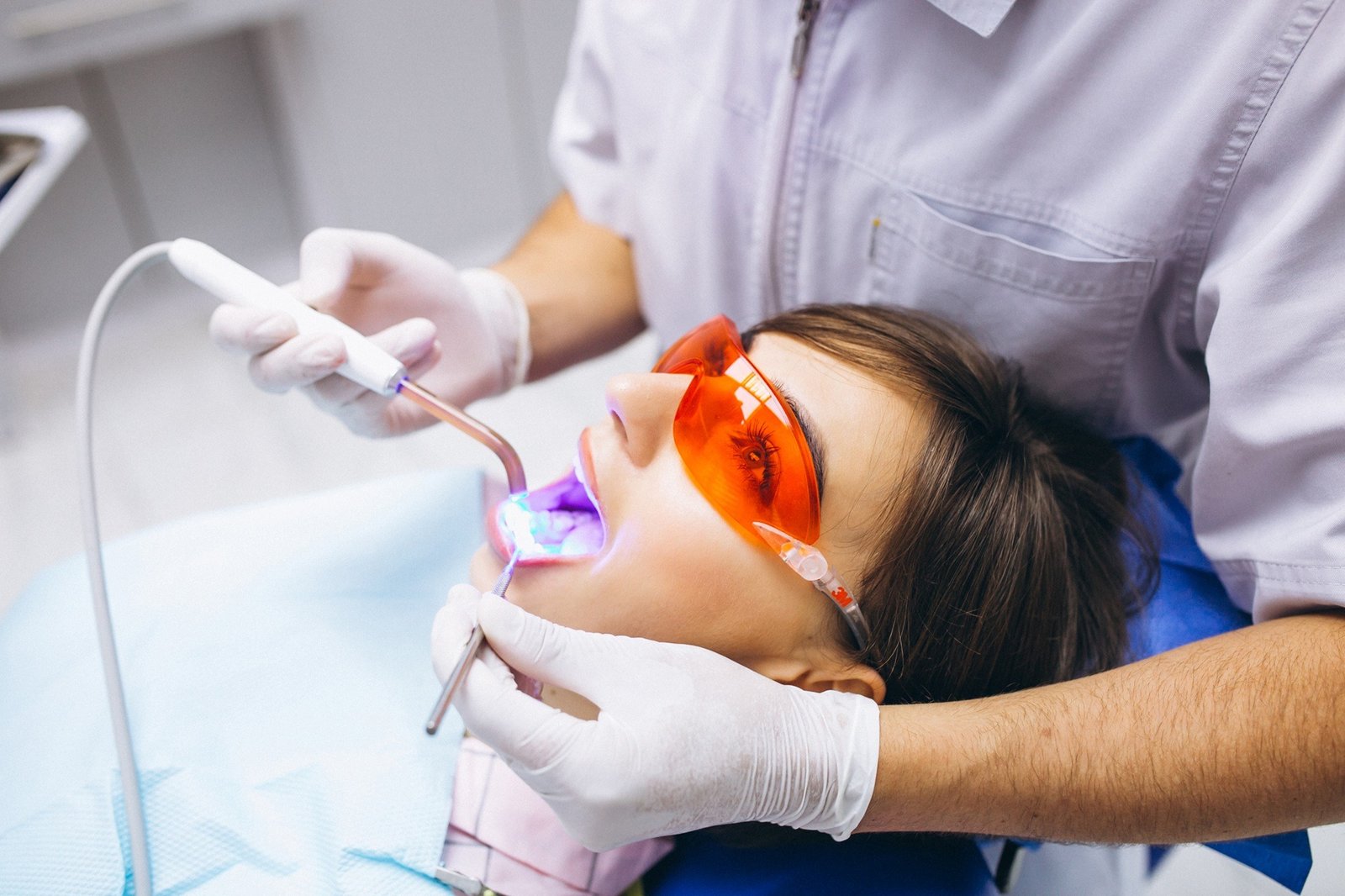
If tooth decay is identified before the pulp has been irreversibly damaged, removing the decay and restoring the tooth with a filling may be enough to stop further disease and restore function. A larger or structurally weakened tooth may require greater protection depending on how much healthy tooth structure remains. Dental crowns can be used in selected cases to cover and reinforce damaged or significantly weakened teeth. The Australian Dental Association describes crowns as restorations that may be used to repair damaged teeth, while the exact recommendation depends on the clinical condition of the tooth. Burwood Diamond Dental provides dental crown and bridge treatment in Burwood for teeth requiring restorative care after assessment. Its crown service is intended to protect and rebuild compromised teeth, which makes this a relevant treatment pathway when persistent pain is linked to structural damage rather than untreated pulp disease.
Root Canal Treatment When the Dental Pulp Cannot Recover
If the pulp inside a tooth becomes badly damaged or infected but the tooth can still be restored, root canal treatment may be considered as a way to retain it. The Australian Dental Association explains that root canal treatment is performed to repair and save a badly damaged or infected tooth instead of removing it. During treatment, diseased tissue inside the tooth is removed, the internal space is cleaned, and the canal system is filled. Persistent or recurring toothache may be associated with pulp disease, but pain alone does not prove that root canal treatment is required. Other problems, including cracks, gum disease, restoration issues and grinding, can produce overlapping symptoms. The decision should follow pulp testing, examination and any necessary imaging.
For patients who require this treatment, Burwood Diamond Dental provides root canal treatment in Burwood with the aim of treating diseased or infected tissue while preserving a suitable natural tooth where possible.
Treating Gum-Related Tooth Pain
If the pain originates from periodontal tissues rather than the dental pulp, treatment needs to address the gums and tooth-supporting structures. Depending on the diagnosis and severity, care may include professional removal of plaque and calculus, improved home plaque control, periodontal treatment and ongoing maintenance. This distinction matters because performing a filling or root canal will not correct periodontal pain if the dental pulp is not the source. Healthdirect recommends dental assessment for swollen or bleeding gums and loose teeth, as these may indicate gum disease requiring professional care. Good plaque control remains important after treatment because periodontal conditions can recur without ongoing oral hygiene and appropriate professional monitoring.
Managing Grinding and Bite-Related Pain
If repeated clenching or grinding is placing excessive pressure on a tooth, the treatment plan should address those forces while checking for any damage already caused. Bruxism can contribute to tooth wear, fractures, restoration damage and jaw-muscle symptoms. A dentist may examine wear patterns, bite relationships, existing crowns or fillings, and signs of cracking. Where clinically suitable, an occlusal splint or night guard may be used to help protect teeth and restorations from grinding forces. Any tooth already damaged by those forces may also need separate restorative treatment. The important point is that grinding-related tooth pain should not be mistaken automatically for pulp infection. Correctly identifying a mechanical cause can prevent unnecessary irreversible treatment.
Wisdom Tooth Treatment or Tooth Extraction When Necessary
Persistent pain around a wisdom tooth needs assessment to determine whether the problem is temporary eruption discomfort, recurrent inflammation, infection or another positional issue. Treatment depends on the tooth’s position, surrounding tissues and whether the problem is likely to continue. A painful wisdom tooth does not automatically require removal, but repeated inflammation or other complications may make extraction appropriate. Extraction may also be considered for any tooth that is too badly fractured, decayed or otherwise compromised to restore predictably. The decision should follow a discussion about whether the natural tooth can reasonably be retained and what the risks of retaining it would be. If a tooth does need removal, replacement options can be discussed separately where appropriate. The first priority in an article about chronic tooth pain is identifying and treating the cause rather than moving prematurely into tooth-replacement choices.
What Can You Do Until Your Dental Appointment?
Temporary measures can reduce discomfort while you arrange dental care, but they do not remove the cause of recurring tooth pain. The Australian Dental Association advises patients with a toothache to see a dentist and explains that pain-relief medication may help while waiting for treatment. Until your appointment, it may help to avoid chewing directly on the painful tooth, stay away from foods or temperatures that consistently trigger symptoms, and continue gentle brushing and cleaning around the area. If you need pain relief, ask a pharmacist or appropriate healthcare professional what is suitable for you and follow the product directions and any individual medical advice.
Do not place aspirin or another painkiller directly against the tooth or gum. Mayo Clinic warns that doing so can burn gum tissue. Similarly, strong essential oils or home mixtures should not be treated as substitutes for dental treatment; the Australian Dental Association notes that products such as undiluted essential oils can irritate or burn oral tissues even if they temporarily reduce discomfort. The useful rule is simple: temporary pain control can make the wait easier, but persistent tooth pain still needs a cause-based diagnosis.
When Does Tooth Pain Need Urgent Dental Care?
Some toothaches can be assessed through a normal dental appointment, while others require faster attention because symptoms suggest infection, significant inflammation, or another urgent dental problem. Healthdirect advises seeing a dentist as soon as possible if toothache lasts more than two days or does not improve with pain medicine. It also lists fever, difficulty swallowing, pain when biting, a bad taste and cheek or jaw swelling as reasons to seek dental assessment.
Seek prompt dental care if you experience:
- Severe or rapidly worsening tooth pain
- Swelling of the gums, cheek or jaw
- Fever associated with dental pain
- A bad or unusual taste associated with swelling or infection
- Significant pain when biting
- A suspected dental abscess
- A broken or traumatised tooth
- Tooth pain that continues instead of settling
Difficulty breathing associated with oral or gum swelling requires emergency medical attention. Healthdirect specifically identifies swelling that makes breathing difficult as a reason to seek emergency care. For people in Burwood and Sydney’s Inner West, Burwood Diamond Dental provides emergency dental care for urgent problems such as toothache, dental infection, cracked teeth and other painful dental conditions. Its emergency service is intended to assess the problem, relieve pain and provide or arrange the treatment required for the cause.
How Can You Reduce the Risk of Tooth Pain Returning?
Preventing recurring dental pain begins with reducing the chance that common problems such as decay, periodontal disease and restoration failure progress unnoticed. Good home care is part of this, but prevention also means acting on early symptoms rather than waiting until a tooth becomes severely painful. Brush the teeth and gums twice daily with fluoride toothpaste, clean between teeth regularly and attend dental examinations at intervals recommended for your individual oral health. Pay attention to sensitivity that keeps returning, changes around old fillings or crowns, bleeding gums and new discomfort when chewing. People who grind or clench their teeth should also discuss signs of tooth wear or restoration damage with their dentist.
Most importantly, do not use the absence of pain as the only measure of dental health. Decay and gum disease can develop before significant pain appears. Early examination can allow a smaller problem to be treated before it reaches the dental pulp, damages supporting tissues or weakens the tooth enough to require more extensive care. Healthdirect identifies prevention and early treatment as important parts of managing common dental problems.
Persistent Tooth Pain Assessment in Burwood
Recurring tooth pain deserves an assessment that looks beyond the symptom and identifies which tissue or dental condition is producing it. A tooth may hurt because of decay, pulp inflammation, infection, structural damage, a failing restoration, gum disease, grinding or a wisdom tooth problem. Those conditions do not share one treatment, so the diagnosis needs to come first. Burwood Diamond Dental provides general and emergency dental care alongside root canal treatment and crown and bridge dentistry, which are directly relevant treatment pathways for several causes of persistent tooth pain. If an examination finds an infected or badly damaged pulp, root canal treatment may be considered to retain a suitable tooth. If pain relates to structural weakness or a damaged restoration, restorative care may be more appropriate. Severe pain, swelling or an acute dental problem may require emergency assessment. If a tooth keeps hurting, the pain repeatedly returns, or the symptoms are becoming stronger, booking a dental assessment allows your dentist to identify the cause and discuss the most appropriate treatment before the problem progresses.
Frequently Asked Questions About Persistent Tooth Pain
Why Does My Tooth Pain Come and Go?
Tooth pain can come and go because several dental conditions produce intermittent symptoms. Early or developing pulp inflammation, a cracked tooth, an unstable restoration, or changes in bite pressure may hurt only after particular triggers. Healthdirect notes that toothache itself can be constant, throbbing or intermittent. A period without pain therefore does not confirm that the tooth has healed. If the same tooth repeatedly becomes painful, especially after temperature changes or chewing, assessment can help identify whether there is an underlying dental problem requiring treatment.
Why Does My Tooth Hurt When I Bite?
Pain during biting can be associated with several conditions, including a cracked tooth, decay, inflammation or infection around the tooth, or a problem with an existing restoration or bite contact. Because these causes require different treatments, the sensation itself cannot tell you which one is present. Healthdirect specifically identifies pain when biting as a symptom that should prompt dental assessment, particularly when it occurs alongside toothache or gum swelling. A dentist can check the tooth, surrounding tissues and bite to determine where the pressure-related pain originates.
Why Does Tooth Pain Feel Worse at Night?
Some people become much more aware of tooth pain at night, but night-time pain is not a diagnosis, and there is no single cause that explains it in every patient. Pulp inflammation, infection, grinding and other dental problems can all contribute to pain that becomes particularly noticeable during rest. Instead of using night pain to decide what treatment is required, focus on whether the pain is recurring, spontaneous, severe, disturbing sleep, or becoming progressively worse. Those features provide a reason to arrange an examination so the underlying tooth or tissue can be assessed.
Can Tooth Pain Stop Even if the Problem Is Still There?
Yes. Dental pain can fluctuate, and temporary improvement does not prove that the underlying disease has disappeared. Healthdirect notes that toothache may come and go, while conditions such as dental abscesses require professional treatment and do not simply resolve because pain temporarily decreases.
Can Antibiotics Fix Persistent Tooth Pain?
Antibiotics are not a general solution for persistent tooth pain. Many common causes of toothache require dental treatment rather than antibiotics. The Australian Dental Association explains that patients with irreversible pulpitis need definitive treatment such as root canal therapy or extraction and advises against taking antibiotics when they are not required.
Can a Root Canal-Treated Tooth Hurt Again?
A root canal-treated tooth can develop pain again, but the cause needs assessment rather than assuming that the previous root canal has failed. Discomfort may relate to the treated tooth, surrounding tissues, a crack, bite forces, the restoration placed over the tooth, or another nearby dental problem.
Final Thoughts
Chronic or recurring tooth pain is best managed by finding and treating its cause rather than repeatedly suppressing the symptom. Decay, pulp inflammation, dental infection, cracked teeth, damaged restorations, gum disease, wisdom tooth problems and excessive grinding forces can all produce toothache, and several of them can feel very similar without a dental examination. Authoritative Australian guidance consistently supports prompt assessment for persistent toothache rather than relying on temporary pain relief. If your tooth pain lasts more than a couple of days, repeatedly disappears and returns, becomes painful when you bite, or is accompanied by swelling or other concerning symptoms, arrange a dental assessment. For patients in Burwood and Sydney’s Inner West, Burwood Diamond Dental provides general, restorative, root canal, and emergency dental care to identify the source of tooth pain and recommend treatment based on the clinical findings.