A bright, white smile can boost your confidence and give you a polished, youthful appearance. It’s no wonder that teeth whitening is a popular cosmetic dental treatment. However, many people wonder if this treatment can cause tooth sensitivity. It’s a common concern and for good reason. Sensitive teeth can make eating and drinking uncomfortable, and can even discourage some from considering teeth whitening altogether. But, don’t worry. We’ll explore why teeth whitening can cause sensitivity, how long it typically lasts, and the best ways to manage it. If you’re looking for a safe, professional whitening treatment that minimizes sensitivity, keep reading.
What is Teeth Whitening?
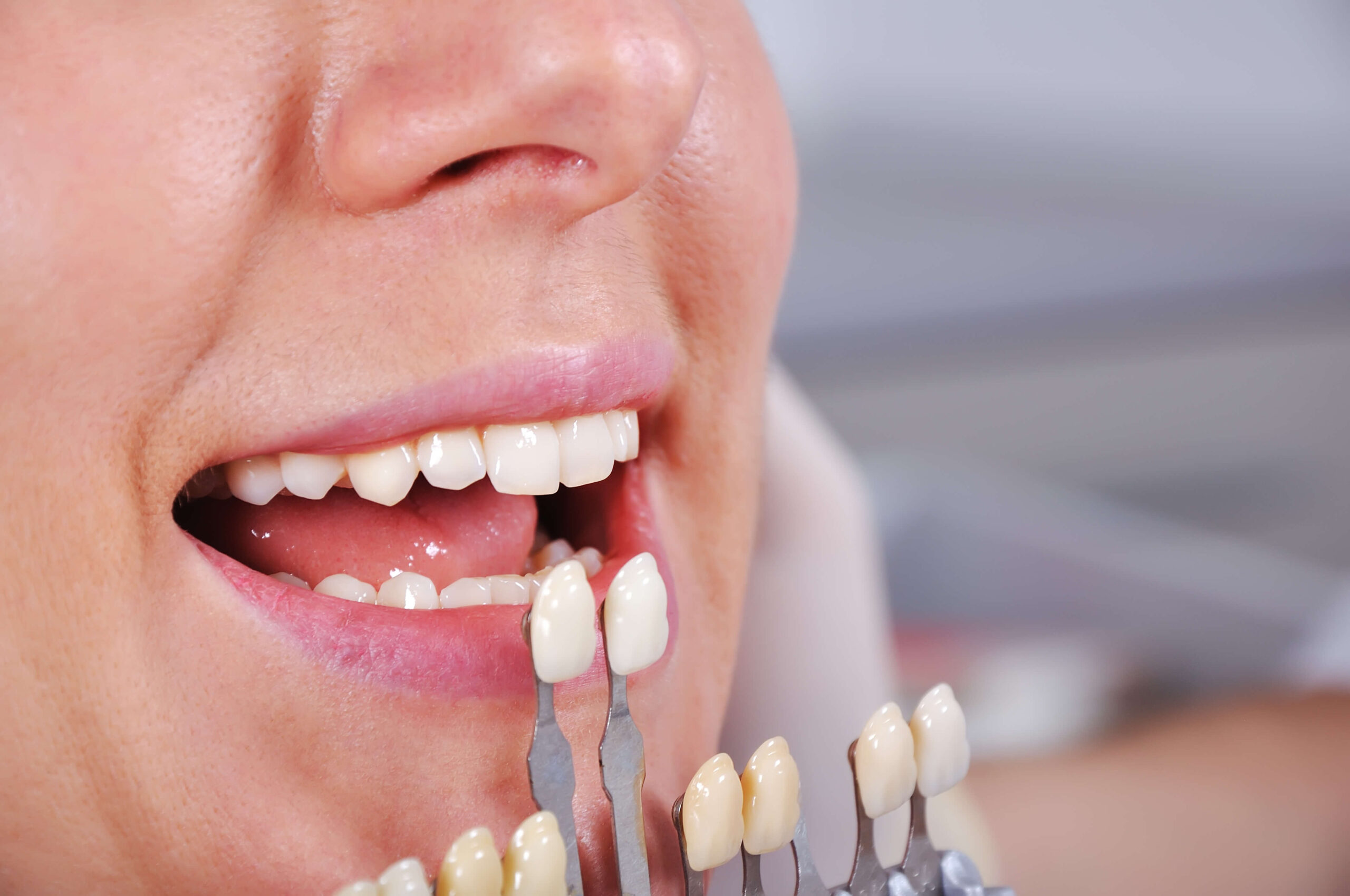
Teeth whitening treatments are designed to lighten the color of your teeth, removing stains caused by coffee, tea, wine, smoking, and other substances that discolor enamel over time. There are various whitening options available, each offering different levels of effectiveness and sensitivity risks.
Different Types of Teeth Whitening Treatments
- In-Chair Whitening (Professional Whitening)
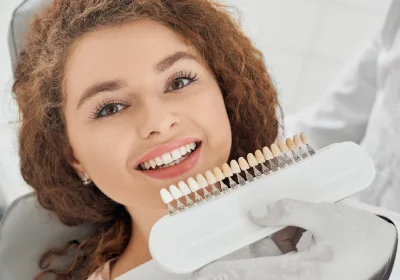
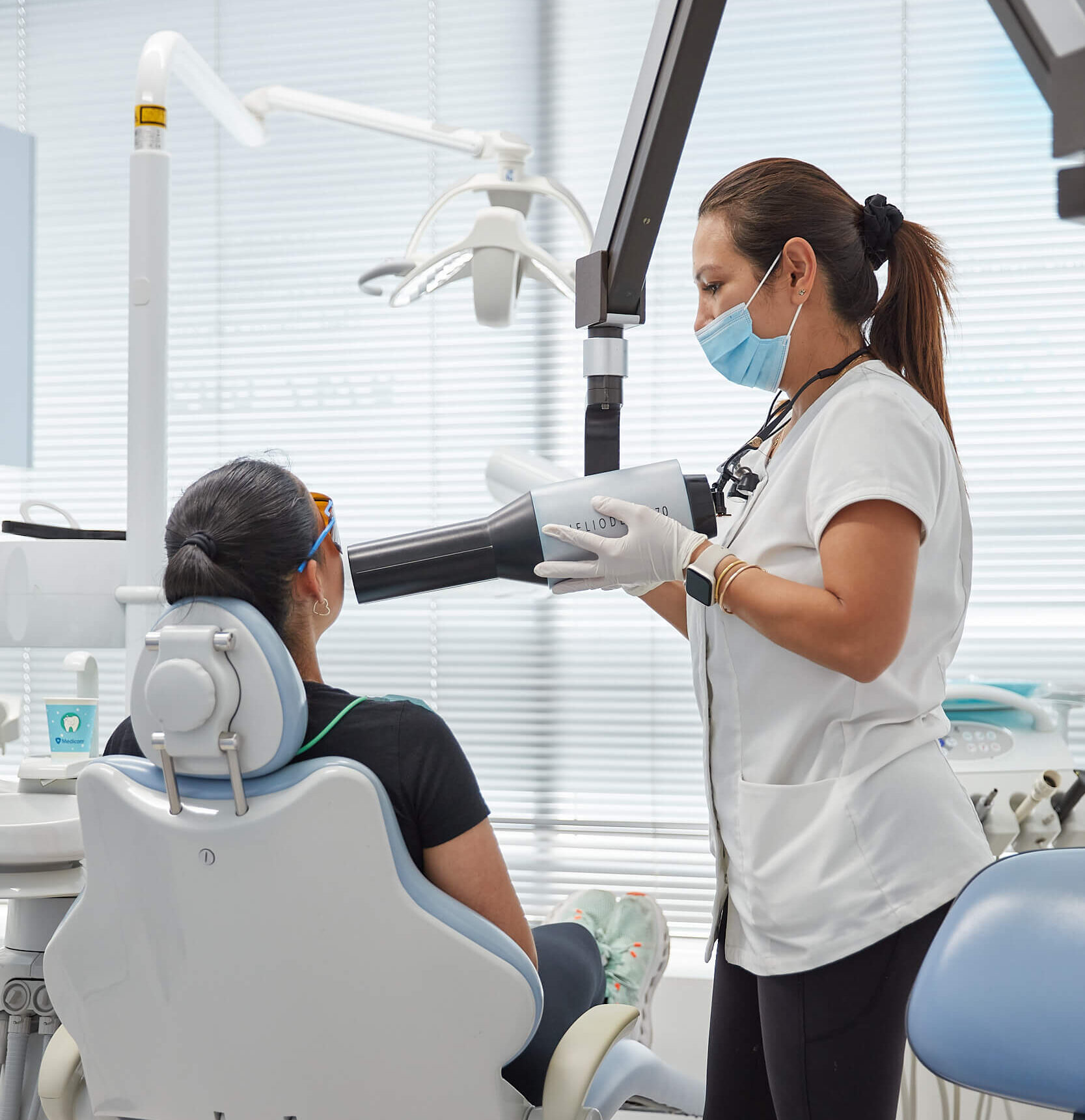
In-chair whitening treatments are typically provided by your dentist in a clinical setting. The treatment uses stronger whitening agents such as hydrogen peroxide and carbamide peroxide, which can provide more dramatic results in less time. In-office treatments, like Zoom or laser whitening, are performed by a trained professional who can monitor the treatment, reducing the risk of irritation and discomfort. - At-Home Whitening Kits
These include whitening trays or strips that you use at home. Over-the-counter products usually contain a lower concentration of hydrogen peroxide compared to professional treatments. While more affordable, these products may not provide the same level of whitening, and they carry a higher risk of uneven application or gum irritation. - Whitening Toothpastes and Gels
Whitening toothpastes and gels are some of the most common home whitening products. They contain mild abrasives and chemicals that help remove surface stains. However, they do not bleach the teeth like peroxide-based treatments and are typically much less effective.
Active Ingredients in Whitening Products
The primary active ingredients in teeth whitening products are hydrogen peroxide and carbamide peroxide. These chemicals work by breaking down stains in the enamel through oxidation, lightening the color of your teeth. While these agents are effective, they also have the potential to cause sensitivity in some individuals, especially when used incorrectly or excessively.
Can Teeth Whitening Cause Sensitivity?
It’s common for individuals to experience some level of sensitivity after whitening treatments, whether professional or at-home. Understanding why this happens is key to managing it effectively.
Yes, Whitening Can Trigger Sensitivity
After whitening treatments, many people report a heightened sensitivity to hot, cold, sweet, or sour foods and drinks. This discomfort typically happens because the whitening agents temporarily open up tiny pores in your tooth enamel. This process exposes the underlying dentin, which contains microscopic tubules that lead to the nerve endings inside the tooth. When these tubules are exposed, it can result in sensitivity.
For most individuals, this sensitivity is temporary and will subside within a few hours or days after treatment. However, in some cases, if the teeth are already weakened or damaged, the sensitivity may last longer or become more pronounced.
Why Does Sensitivity Occur After Whitening?
To explain the sensitivity process in detail, it’s important to understand how hydrogen peroxide and carbamide peroxide work. These whitening agents react with chromogens (the molecules responsible for staining) in your teeth, breaking them down and making them lighter. However, while this process helps whiten teeth, it also opens enamel pores, temporarily exposing the dentin beneath.
When dentin is exposed, it reacts more sensitively to stimuli such as cold air or sugary foods. This is because the dentin tubules are connected directly to the nerve centers of the tooth, causing pain or discomfort when activated. While some level of zinging can be normal, there are ways to ensure the process remains safe. It is important to verify that your chosen method doesn’t damage enamel over the long term. Professional supervision is the best safeguard against permanent thinning or structural wear.
Understanding Tooth Sensitivity Mechanisms Post-Whitening
After you undergo a teeth whitening treatment, it’s crucial to understand how the whitening agents affect your tooth structure to better manage any potential sensitivity.
The Role of Enamel and Dentin in Sensitivity
Your teeth are composed of three layers: enamel, dentin, and pulp. Enamel is the hard, outer layer of the tooth that protects the inner, softer layers. Dentin lies beneath the enamel and contains small tubules that connect to the nerves inside the tooth. The pulp is where the nerves are housed.
When whitening agents penetrate the enamel, they open microscopic pores, allowing the agents to break down surface stains in the dentin. However, in the process, these pores also expose the dentin tubules to external stimuli such as hot and cold temperatures. This exposure can lead to nerve irritation and discomfort in the tooth.
The Impact of Whitening Agents on Dentin Nerves
Whitening agents like hydrogen peroxide work by releasing free radicals that break down the chemical bonds in staining molecules. However, these free radicals can also cause temporary changes in the enamel’s structure, leading to increased tooth sensitivity. As the enamel becomes porous, the underlying dentin is exposed to environmental changes, which directly affects the nerves inside the tooth.
This is why some individuals may experience sharp, sudden pain or discomfort after whitening treatments, especially when consuming cold beverages, acidic foods, or even breathing in cold air.
How Long Does Sensitivity Last After Whitening?
If you experience sensitivity after a whitening treatment, the good news is that it’s usually temporary. However, the exact duration can vary based on several factors, such as the type of treatment, the concentration of whitening agents used, and your overall oral health.
Typical Duration of Sensitivity
For professional whitening treatments, most patients experience a mild to moderate sensitivity that subsides within 24 to 48 hours. This temporary discomfort is generally considered normal and should resolve on its own without the need for additional treatment.
For at-home whitening kits, sensitivity may last a little longer, up to 4 days, due to the lower concentrations of peroxide and the fact that the treatment is often not as controlled as in-office procedures.
Factors That Affect Sensitivity Duration
- Treatment Type: In-office whitening typically causes shorter and less intense sensitivity due to professional monitoring. At-home treatments tend to cause more prolonged sensitivity due to improper use or higher peroxide concentrations.
- Oral Health Status: If your teeth have pre-existing issues such as cavities, gum disease, or enamel erosion, you may experience heightened sensitivity. This is why a dental check-up before whitening is essential to ensure your teeth are healthy enough for the procedure.
How to Manage Tooth Sensitivity After Whitening
While sensitivity is a common side effect of teeth whitening, it’s typically short-lived and can be managed with the right care. Knowing how to relieve discomfort and prevent it from worsening can make a significant difference in your overall whitening experience.
Short-Term Relief for Sensitivity
- Over-the-Counter Pain Relief
- For those experiencing discomfort after whitening, ibuprofen (Advil) or acetaminophen (Tylenol) can help alleviate pain and reduce inflammation. These medications are especially helpful for moderate sensitivity and should be used according to the instructions on the packaging.
- Desensitizing Toothpaste
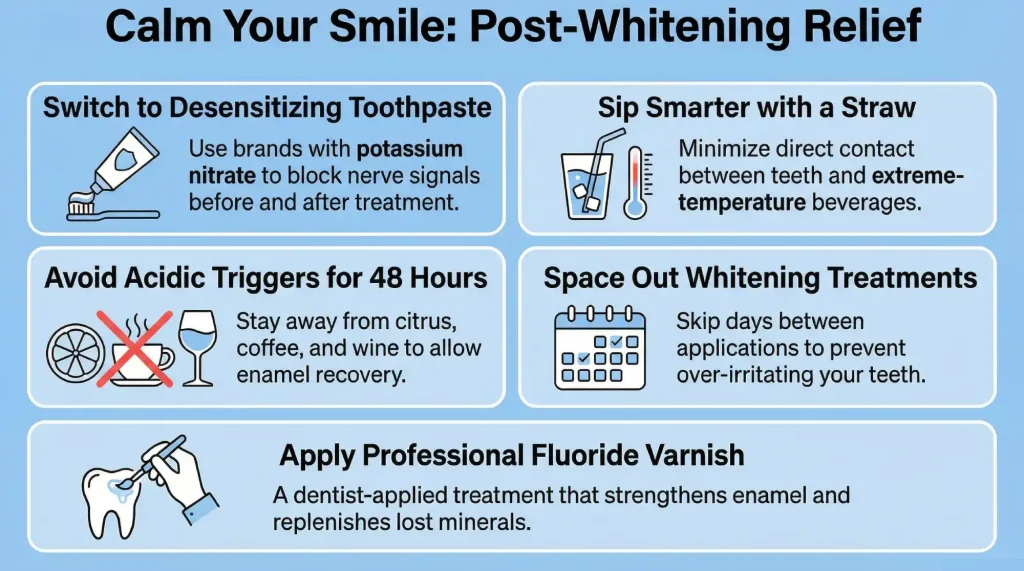
- One of the most effective ways to manage whitening-related sensitivity is to use a desensitizing toothpaste. These toothpastes contain compounds like potassium nitrate, which work by blocking the nerve signals in your teeth. Popular brands such as Sensodyne Clinical White are specially formulated for sensitive teeth and can be used both before and after a whitening treatment for ongoing relief.
- Drinking Through a Straw
- To prevent discomfort from cold or hot beverages, try drinking through a straw. This simple technique limits direct contact with your teeth, helping reduce the exposure to temperature changes and preventing the sensitivity from worsening.
- Saltwater Rinses
- Rinsing your mouth with warm saltwater can help soothe irritated gums and teeth. Saltwater promotes healing and reduces inflammation, which can be particularly beneficial if you experience gum irritation or mild burns during the whitening process.
Professional Solutions for Persistent Sensitivity
If your sensitivity persists beyond a few days, it might be time to consider professional solutions offered by a dentist. These treatments are designed to provide targeted relief and are often more effective than over-the-counter options.
- Fluoride Varnish and Gel
- Fluoride varnish is a professional treatment that your dentist can apply to your teeth after whitening. This varnish helps strengthen the enamel, reducing sensitivity by replenishing minerals lost during the whitening process. It provides a protective barrier, making the teeth less vulnerable to external stimuli.
- Desensitizing Gel
- Your dentist can apply desensitizing gels directly to the affected areas of your teeth. These gels, often containing potassium nitrate or other active ingredients, are designed to reduce nerve sensitivity and provide longer-lasting relief than over-the-counter toothpaste.
- Professional Evaluation
- If your sensitivity continues to cause discomfort, a dental professional can examine your teeth and determine if there are underlying issues, such as enamel erosion or gum disease, that need to be addressed before continuing with whitening treatments.
At-Home Care Tips for Ongoing Sensitivity Relief
If you’re dealing with sensitivity after your whitening treatment, these tips can help prevent the discomfort from becoming more severe:
- Use a Soft-Bristled Toothbrush
- Brushing with a soft-bristled toothbrush is essential to prevent enamel wear and gum irritation. Hard-bristled brushes can aggravate sensitive teeth and gums, worsening discomfort. Always brush gently in a circular motion, rather than scrubbing back and forth.
- Avoid High-Acidic or Extreme Temperature Foods
- After whitening, your teeth may be more vulnerable to hot, cold, acidic, or sweet foods. Avoid consuming citrus fruits, coffee, wine, and tobacco for at least 48 hours after treatment to give your teeth time to recover. This helps prevent additional sensitivity from these common triggers.
- Give Your Teeth a Break Between Treatments
- If you’re using at-home whitening products, consider skipping days between applications. Overuse of whitening gels or strips can exacerbate sensitivity, so it’s important to allow your teeth to recover before using them again.
What Increases the Risk of Sensitivity After Whitening?
While most people experience some form of temporary sensitivity after whitening, certain factors can increase the severity or duration of this discomfort. Understanding these risks can help you take proactive steps to minimize sensitivity before and during your whitening treatment.
Pre-existing Dental Conditions
If you already have certain dental conditions, such as gum disease, tooth decay, or enamel erosion, you may be more likely to experience heightened sensitivity after whitening treatments. These conditions weaken your teeth and gums, making them more susceptible to the effects of whitening agents.
- Gum Disease: Gum disease can cause your gums to recede, exposing the sensitive root surfaces of your teeth. Whitening agents can aggravate these exposed areas, leading to increased discomfort.
- Tooth Decay: Decay weakens the tooth structure, leaving it more vulnerable to damage from whitening agents. If you have cavities or compromised teeth, it’s important to treat these issues before undergoing any whitening treatments.
- Cracked Teeth: Cracks in your teeth can expose the dentin and nerves, leading to heightened sensitivity when whitening agents penetrate the tooth structure.
Overuse of Whitening Products
Using high-peroxide whitening products too often can lead to long-term enamel damage, which may make your teeth more sensitive. Overuse can also cause enamel thinning, which increases the likelihood of nerve exposure and discomfort.
If you’re using at-home kits or strips, it’s important to follow the recommended guidelines and not exceed the advised application frequency. Your dentist can provide more specific advice on how often to use whitening products to avoid overuse.
Incorrect Whitening Techniques
Improper application of whitening products can lead to irritation of the gums and teeth, contributing to sensitivity. For instance:
- Ill-fitting trays can cause whitening gel to overflow onto the gums, leading to gum irritation.
- Incorrect peroxide concentration can result in the whitening agent penetrating too deeply into the enamel, leading to increased sensitivity.
It’s essential to consult with a dental professional who can guide you on the right technique and ensure that the whitening products are applied safely.
Preventing Sensitivity During and After Whitening Treatments
The best way to avoid sensitivity is through proper preparation and care before, during, and after your whitening treatment. Here are some steps you can take to minimize sensitivity:
Professional Safeguards to Minimize Sensitivity
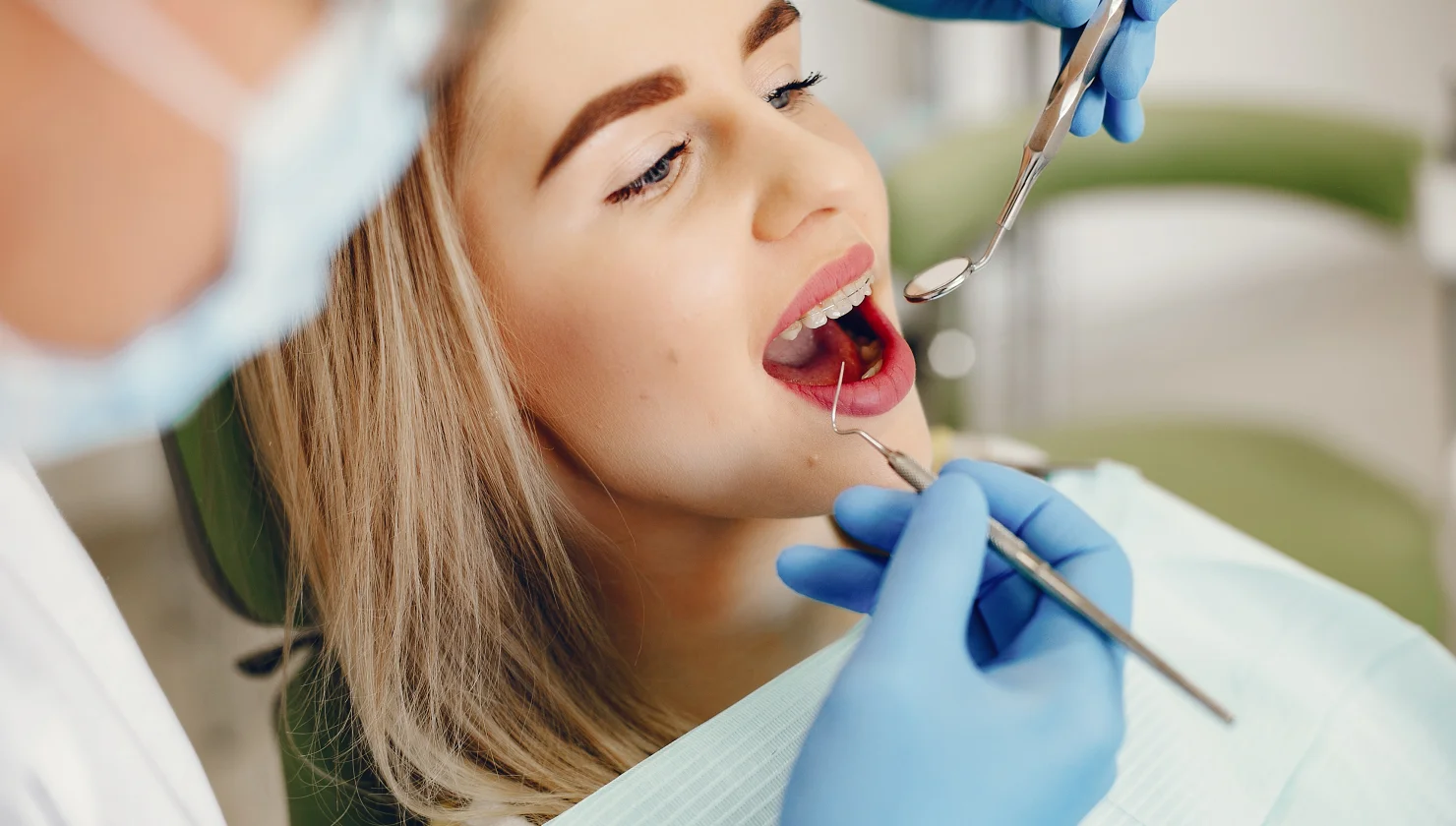
Before undergoing any whitening treatment, it’s crucial to have a dental check-up to ensure your teeth and gums are healthy enough to undergo the procedure. Your dentist can assess the strength of your enamel, identify any existing issues, and help determine the appropriate whitening concentration for your specific needs.
- Dental exams: These exams ensure your teeth are free of cavities or gum disease that could complicate the whitening process.
- Custom-fit whitening trays: Dentists can provide custom trays that fit your teeth perfectly, preventing the whitening gel from spilling onto your gums and causing irritation.
Pre-Treatment Recommendations
Your dentist may recommend some pre-whitening treatments to strengthen your enamel before undergoing whitening. These treatments can help protect your teeth and reduce the chances of experiencing heightened sensitivity.
- Fluoride treatments: Fluoride helps remineralize enamel, strengthening it and making it more resistant to the effects of whitening.
- Professional cleaning: Cleaning your teeth before whitening removes plaque and tartar buildup, ensuring that the whitening agents can work more effectively.
Are There Alternatives to Whitening That Avoid Sensitivity?
If you’re worried about the sensitivity associated with traditional teeth whitening treatments, there are alternatives available that can brighten your smile without causing discomfort. These options may not provide the same instant results as peroxide-based treatments, but they offer gentler approaches that may be more suitable for individuals with sensitive teeth.
Non-Peroxide Whitening Options
Charcoal-Based Toothpastes
Charcoal-based toothpaste is a popular alternative to peroxide whitening products. Activated charcoal particles help remove surface stains from teeth without the use of bleaching agents. While they are gentler on the enamel, they primarily target extrinsic stains (surface stains) and won’t provide the strong whitening effects that peroxide-based treatments can.
Baking Soda
Another gentle whitening option is baking soda. Many toothpaste brands now include baking soda as a key ingredient due to its mild abrasive properties. It works by scrubbing away surface stains, helping to whiten teeth over time. While baking soda can help polish your teeth, it does not bleach the enamel and, therefore, doesn’t trigger the same sensitivity as peroxide-based treatments.
Oil Pulling
Though it’s an ancient practice, oil pulling has gained popularity for its purported teeth-whitening benefits. This involves swishing coconut oil (or sesame oil) around in your mouth for 10-15 minutes to remove bacteria and plaque buildup. While oil pulling won’t dramatically whiten your teeth, it can help maintain oral hygiene and keep your teeth looking healthy and clean.
Professional Alternatives with Minimal Sensitivity Risk
If you want professional results with minimal sensitivity, there are whitening treatments available that use lower peroxide concentrations or incorporate techniques to limit discomfort.
Laser Whitening
Laser whitening is a professional treatment that uses a laser to activate the whitening gel on your teeth. This method typically uses lower concentrations of hydrogen peroxide, reducing the risk of sensitivity. It’s a great option for individuals seeking fast results without the discomfort of higher-peroxide treatments.
Zoom Whitening
Zoom Whitening is an in-office treatment that uses a combination of peroxide gel and an LED light to accelerate the whitening process. Though the peroxide concentration is stronger than that of at-home kits, the treatment is carefully monitored by a professional, which minimizes the risk of excessive sensitivity. It’s a quick and effective method for those looking to brighten their smile in just one visit.
Whitening with Enamel Protection
Some dentists offer whitening treatments that include an enamel-strengthening component to protect against post-treatment sensitivity. For example, fluoride varnish or calcium phosphates can be applied before or after whitening to help protect the enamel and reduce discomfort.
Teeth whitening can cause temporary sensitivity, but with the right care and precautions, it doesn’t have to be a painful experience. If you’re concerned about sensitivity, don’t hesitate to seek guidance from a Burwood Diamond Dental to ensure a safe and effective whitening treatment.
Can Whitening Damage Your Teeth Permanently?
One of the most frequently asked questions is whether teeth whitening can cause permanent damage to your teeth. While whitening treatments are generally safe, there are risks if not performed correctly or overused.
The Risks of Over-Whitening
Over-whitening occurs when a person uses whitening products too often or for longer periods than recommended. This can lead to the following issues:
- Enamel Thinning: Overuse of whitening agents can lead to enamel erosion, leaving your teeth more vulnerable to cavities, sensitivity, and discoloration.
- Increased Sensitivity: Excessive whitening can cause permanent sensitivity as the enamel thins and the underlying dentin is exposed. This makes your teeth more sensitive to temperature and certain foods.
- Gum Damage: If whitening products leak onto your gums due to poorly fitting trays or excessive application, it can cause gum irritation or even chemical burns. This can lead to pain and inflammation in the gums, which may take time to heal.
Avoiding Long-Term Damage
To avoid permanent damage, it’s crucial to follow the advice of a dental professional. Here are some tips:
- Follow Professional Guidelines
Always adhere to the instructions provided by your dentist or the manufacturer of your whitening products. Overusing treatments can lead to long-term damage. - Consult a Dentist Before Whitening
Before undergoing any whitening procedure, it’s wise to get a professional evaluation. A dentist will assess your oral health to ensure that whitening treatments won’t harm your teeth. This is particularly important for people with gum disease, tooth decay, or cracked enamel. - Use Custom Whitening Trays
If you’re using at-home whitening products, consider investing in custom whitening trays made by your dentist. These trays ensure that the gel is applied evenly and doesn’t overflow onto your gums, reducing the risk of irritation and potential damage to the soft tissue.
Frequently Asked Questions (FAQs)
Does Teeth Whitening Cause Permanent Sensitivity?
No, teeth whitening typically causes temporary sensitivity that lasts for a few hours to a couple of days. If you follow the proper aftercare and use desensitizing toothpaste, the discomfort should subside. However, overuse or improper application may lead to longer-lasting sensitivity.
How Do I Prevent Tooth Sensitivity While Whitening?
To prevent sensitivity, start by using lower-peroxide products, avoid overuse, and follow professional advice. Using a soft-bristled toothbrush and desensitizing toothpaste can also help protect your teeth.
What Should I Avoid After Teeth Whitening to Prevent Sensitivity?
After whitening, it’s best to avoid acidic foods, cold drinks, and tobacco for at least 48 hours. These can exacerbate sensitivity and undo the results of your whitening treatment.
Is Professional Teeth Whitening Safer Than At-Home Treatments?
Yes, professional whitening is safer because it is supervised by a dentist who can ensure that the correct peroxide concentration is used, and your gums and enamel are protected. At-home treatments, if not used correctly, can cause irritation or damage.
How Long Does Sensitivity Last After Whitening?
Sensitivity after whitening generally lasts 24-48 hours for professional treatments. At-home whitening kits may cause sensitivity for up to 4 days, depending on their strength and how often they are used.
The Bottom Line: Is Teeth Whitening Right for You?
Teeth whitening is a great way to enhance your smile, but it’s essential to take the right precautions to avoid discomfort and potential damage. Professional treatments, like those offered at Burwood Diamond Dental, provide a safe and effective way to whiten your teeth while minimizing the risk of sensitivity. By consulting with a dentist before starting any whitening treatment, you can ensure the procedure is tailored to your unique oral health needs and avoid any unnecessary discomfort.
If you’re ready for a brighter smile and want to ensure the best results with minimal sensitivity, book an appointment with Burwood Diamond Dental today! Our experienced professionals will guide you through the safest whitening options, ensuring that you get the dazzling smile you deserve without the discomfort.