A dental bridge may feel completely normal for years, which can make it difficult to know when normal ageing has turned into a problem. A bridge can look fine from the outside while decay develops around a supporting tooth, cement weakens, gums recede, or the restoration begins to move. Most dental bridges last about 5 to 15 years, and some remain functional for longer with good oral hygiene and regular dental care. Age alone, however, is not a reason to replace a bridge. The more important questions are whether the bridge is stable, the supporting teeth and gums are healthy, and you can chew comfortably.
For people with an older dental bridge, the best approach is to watch for changes rather than waiting for the bridge to fail. Pain, movement, cracks, food trapping, sensitivity or changes around the gums should be assessed by a dentist. Finding the cause early may make a simple repair possible in some cases and, more importantly, may help protect the natural teeth supporting the bridge.
What Is a Dental Bridge and How Does It Work?
A dental bridge is a fixed dental restoration used to replace one or more missing teeth. Unlike a removable denture, it stays attached in the mouth and is removed only by a dental professional. A conventional bridge usually uses the natural teeth beside the gap for support, while other designs may use resin bonding or dental implants. Australian health guidance notes that bridges can restore function while helping prevent surrounding teeth from leaning into a space and affecting the bite.
Understanding the basic structure of a bridge is useful because its lifespan depends on more than the artificial tooth you can see. The condition of the supporting teeth, gums, bridge margins and cement can be just as important as the material from which the bridge is made.
The Main Components of a Dental Bridge
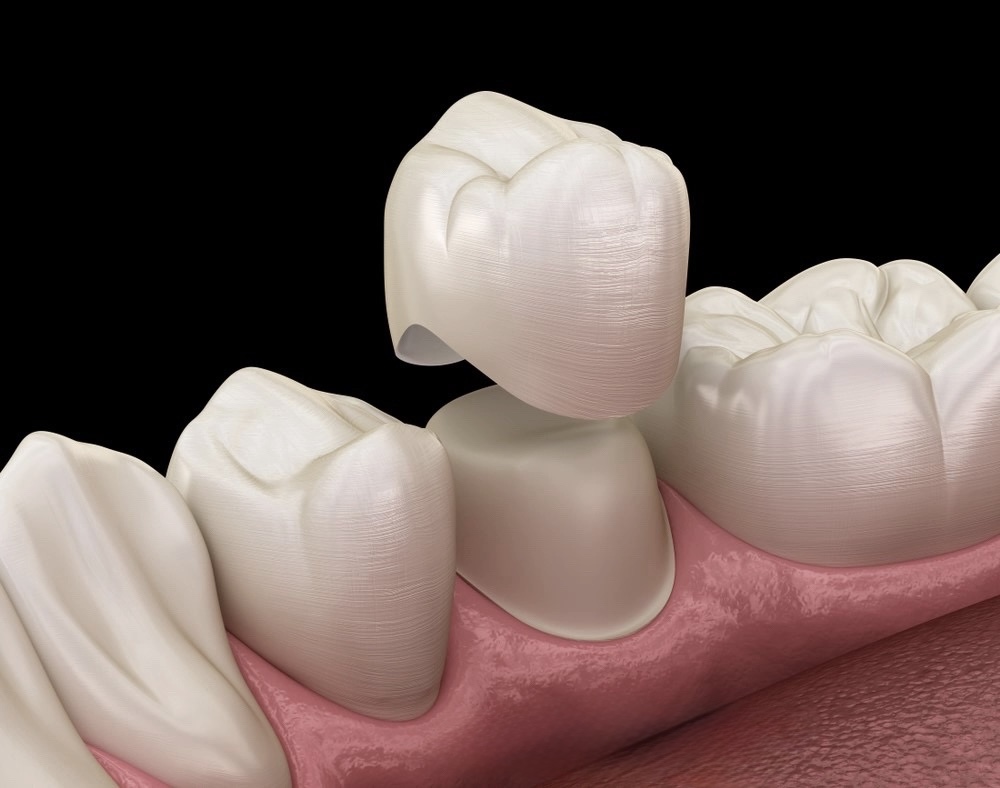
A traditional dental bridge has two main parts: abutments and pontics. The abutment teeth are the natural teeth that support the restoration. They are usually covered with dental crowns. The pontic is the artificial tooth that sits between them and fills the space left by the missing tooth. Implant-supported bridges use dental implants rather than natural teeth as their main support.
This relationship explains why the health of the abutment teeth matters so much. A strong porcelain or zirconia bridge cannot compensate for a supporting tooth that becomes badly decayed, fractured, or affected by significant periodontal disease. Long-term bridge success therefore depends on the restoration and its biological foundation working together.
Why Dentists Use Bridges to Replace Missing Teeth
A dental bridge restores a continuous biting surface after tooth loss. This can make chewing more comfortable, improve speech in some situations and restore the appearance of the smile. Filling the gap may also reduce the tendency of neighbouring teeth to drift into the space, which can otherwise alter tooth position and bite relationships. The right tooth-replacement option depends on the number and position of missing teeth, the condition of nearby teeth and gums, bite forces, available bone and the patient’s treatment preferences. A bridge is therefore best assessed as part of the whole mouth rather than as an isolated artificial tooth.
How Long Does a Dental Bridge Last?
The commonly quoted average dental bridge lifespan is about 5 to 15 years. Some bridges continue functioning beyond this period, particularly where the supporting teeth remain healthy, cleaning is effective and damaging bite forces are controlled. Cleveland Clinic gives the same five-to-15-year average and notes that a well-maintained bridge may last longer. The term permanent bridge can sometimes confuse. It means the restoration is fixed in the mouth rather than removable by the patient; it does not mean the bridge will last for life. Dental restorations are exposed every day to chewing pressure, temperature changes, plaque, bacteria and moisture. The natural teeth underneath the crowns also remain susceptible to dental disease.
Clinical studies support the fact that many fixed dental prostheses continue functioning for substantial periods. One long-term review estimated a 10-year survival rate of about 89% for fixed dental prostheses, although outcomes varied between studies. Importantly, survival in dental research generally means the restoration is still functioning; it does not necessarily mean it has remained completely free of repairs or complications.
How Bridge Type Can Influence Longevity
There is no reliable rule such as “zirconia always lasts X years” or “a Maryland bridge always lasts Y years.” Bridge design, case selection, supporting tooth health and bite conditions make individual outcomes very different. The bridge type does, however, change the mechanical and biological risks that need to be considered.
| Bridge type | How it is supported | Main longevity consideration |
| Traditional dental bridge | Crowns on natural teeth on both sides of the gap | Long-term success depends heavily on healthy abutment teeth and good cleaning around crown margins |
| Maryland/resin-bonded bridge | Wings bonded to the back of neighbouring teeth | Preserves more natural tooth structure, but loss of bonding can occur |
| Cantilever bridge | Supported from one side | Greater leverage on the supporting tooth means careful case selection is important |
| Implant-supported bridge | Dental implants | Avoids relying on natural abutment teeth but requires healthy implants, bone and surrounding tissues |
Cleveland Clinic notes that traditional bridges are generally supported on both sides, Maryland bridges are commonly used for front-tooth replacement, and cantilever bridges are less mechanically strong because support comes from one side. Implant-supported bridges transfer support to dental implants rather than adjacent natural teeth. Systematic reviews of resin-bonded bridges also show why individual bridge types should not be given oversimplified lifespan promises. Their long-term survival can be good in appropriately selected cases, but debonding is a recognised complication.
Factors That Determine Dental Bridge Lifespan
The age of a bridge is only one part of its prognosis. Two people can receive similar bridges at the same age and experience very different outcomes because their supporting teeth, periodontal health, bite forces and daily cleaning differ. This is why dentists assess the bridge as part of a biological and mechanical system rather than judging replacement by the calendar alone.
Bridge Material and Restoration Quality
Dental bridges may be made from or incorporate porcelain, ceramic materials such as zirconia, metal alloys, resin-based components or combinations of materials. The appropriate material depends on tooth position, appearance requirements, available space, bridge design and the forces expected during chewing. Healthdirect confirms that porcelain, zirconia, gold alloys, resin-and-metal designs and implant-supported options are used for dental bridges. Material strength is important, but it does not determine lifespan by itself. Porcelain can chip, cement can lose retention, and even a structurally sound bridge may fail if disease develops in an abutment tooth. Accurate preparation, fit, bridge margins, bite adjustment and laboratory fabrication also influence how well the restoration functions over time.
Health of Supporting Teeth and Abutment Teeth
For a tooth-supported bridge, the abutment teeth are often the most important biological factor in long-term survival. Before a conventional bridge is placed, dentists assess whether these teeth are strong enough to carry the restoration. Healthdirect states that the teeth and mouth are checked before treatment and that existing tooth decay or gum disease may need treatment first. Problems can develop years later. Decay may form at a crown margin, an old filling may weaken the remaining tooth structure, or an abutment tooth may fracture. Previous root canal treatment and the amount of remaining natural tooth structure may also form part of the dentist’s assessment. Clinical evidence has identified dental caries and periodontal problems among the biological reasons fixed dental prostheses may eventually be lost.
A key point for patients is that the artificial bridge itself does not develop tooth decay, but the natural teeth supporting it still can. This is one reason an apparently intact bridge may sometimes need removal.
Gum Health and Periodontal Condition
Healthy gums help maintain stable tissues around the bridge and supporting teeth. Plaque left around bridge margins or underneath the pontic can irritate the gums, while established periodontal disease can affect the tissues and bone supporting the natural teeth. Inadequate cleaning around a bridge can allow plaque and bacteria to build up, contributing to gum inflammation and increasing the risk of decay in the supporting teeth. Gum recession can also expose a restoration margin that was previously hidden. A visible margin does not automatically mean the bridge has failed, but a new change in the gumline deserves assessment, particularly if it is accompanied by sensitivity, bleeding, food trapping or discomfort.
Bite Forces, Bruxism and Teeth Grinding
Every bridge must tolerate repeated chewing forces. These forces become more significant in patients who clench or grind their teeth, a habit known as bruxism. Repeated excessive pressure may contribute to porcelain chipping, wear, loosening, or damage to the bridge or supporting teeth. The position of the bridge matters as well. Back teeth generally experience stronger chewing forces than front teeth, so bridge design and occlusion, the way the upper and lower teeth meet require careful assessment. For people with significant grinding or clenching, a dentist may recommend a protective night guard or occlusal splint where clinically appropriate.
Oral Hygiene and Bridge Maintenance
Daily cleaning is one of the factors patients can control directly. A conventional bridge joins several units together, which means ordinary floss cannot simply pass down between the pontic and the neighbouring crowned teeth in the same way it does between separate natural teeth. Healthdirect recommends brushing a bridge with fluoride toothpaste and asking a dental professional how to clean beneath it. Depending on the design, superfloss, floss threaders or interdental brushes may be useful. Regular professional dental visits are also recommended. Cleaning under the pontic is important because food debris and plaque can accumulate in an area that is easy to miss. The aim is not to polish the artificial tooth itself; it is to protect the gums, bridge margins and natural abutment teeth that determine whether the restoration can remain healthy.
Signs Your Dental Bridge May Need Replacement
A dental bridge does not need replacement simply because it has reached a certain birthday. A 12-year-old bridge that is stable, comfortable and supported by healthy teeth may continue to function, while a much newer bridge with serious decay or fracture may require treatment. Changes in fit, comfort, gum health or chewing are therefore more useful warning signs than age alone.
A Loose or Moving Dental Bridge
A bridge should not rock, lift or move during eating or when touched with the tongue. Movement may result from loss of cement retention, problems with the supporting teeth or damage to the restoration. A loose bridge does not always need complete replacement. Cleveland Clinic notes that a bridge that has already become loose can sometimes be removed and recemented. The dentist still needs to determine why it became loose before deciding whether recementation is suitable. If decay, fracture or another underlying problem is present, simply cementing the bridge back in place would not correct the cause.
Pain, Tooth Sensitivity or Discomfort
New pain around an established bridge should not be dismissed as normal ageing. Pain while biting, persistent sensitivity or discomfort may be related to an abutment tooth, the gums, the bite or another nearby dental problem. Cleveland Clinic specifically recommends dental assessment if a bridge is associated with pain when chewing or new tooth sensitivity. The source of pain cannot be diagnosed reliably from symptoms alone, so examination may be needed to determine whether the bridge can remain in place.
Cracks, Chips or Visible Damage
Small surface changes and major structural fractures are very different problems. Porcelain chipping may affect appearance or create a rough edge, while a crack involving the framework can affect the structural integrity of the entire bridge. Visible cracks are a reason to arrange a dental assessment. The dentist can determine whether the damage is superficial, repairable or significant enough to require a replacement restoration. Continuing to chew heavily on a visibly damaged bridge can place additional stress on the restoration and its supports.
Tooth Decay Under or Around the Bridge
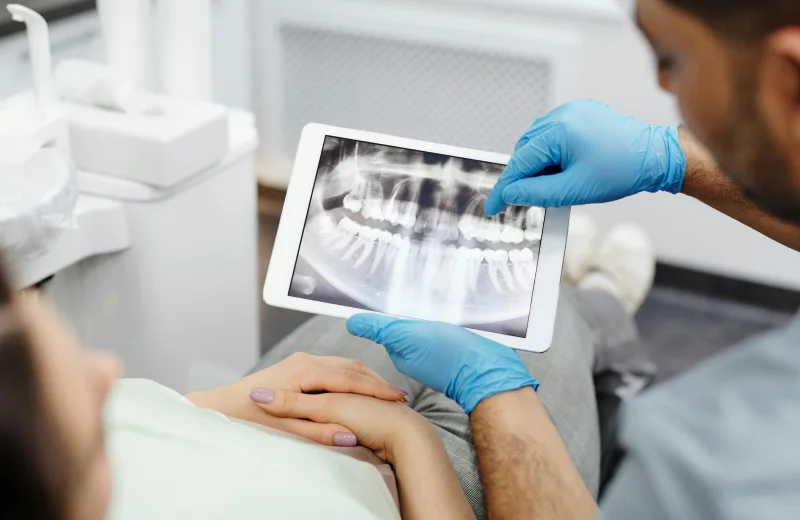
Decay affecting an abutment tooth is one of the most important reasons an older bridge may need to be removed. The bridge covers part of the supporting tooth, which means decay underneath cannot always be seen by the patient. Healthdirect identifies decay in the natural teeth beside a bridge as a common reason for bridge failure. A dentist may identify a suspicious crown margin during examination or use dental X-rays where appropriate to assess areas that cannot be directly inspected. If decay is found early enough, the tooth may still be treatable. More extensive disease may alter whether the tooth can continue functioning as an abutment for another bridge.
Gum Changes Around the Bridge
Bleeding, swelling, persistent soreness, new gum recession or repeated food trapping around a bridge can indicate that the surrounding tissues need attention. Cleveland Clinic includes sore or bleeding gums among the reasons to contact a dentist about an existing bridge. Food repeatedly lodging in the same area may also indicate a change in the relationship between the bridge, gums and neighbouring teeth. The cause should be assessed rather than managed indefinitely by more aggressive cleaning.
Changes in Your Bite or Chewing Ability
A bridge that suddenly feels “high,” uncomfortable or different during chewing should be examined. A changed bite sensation can arise from movement of the restoration, wear, damage or changes elsewhere in the mouth. The goal is to identify the reason before excessive pressure is repeatedly placed on one part of the bridge. This is especially relevant for people who already clench or grind their teeth. If you notice movement, pain, cracking or a change in your bridge, Burwood Diamond Dental provides crown and bridge care and can assess the restoration and the supporting teeth before recommending repair or replacement.
Dental Bridge Repair vs Replacement: How Dentists Decide
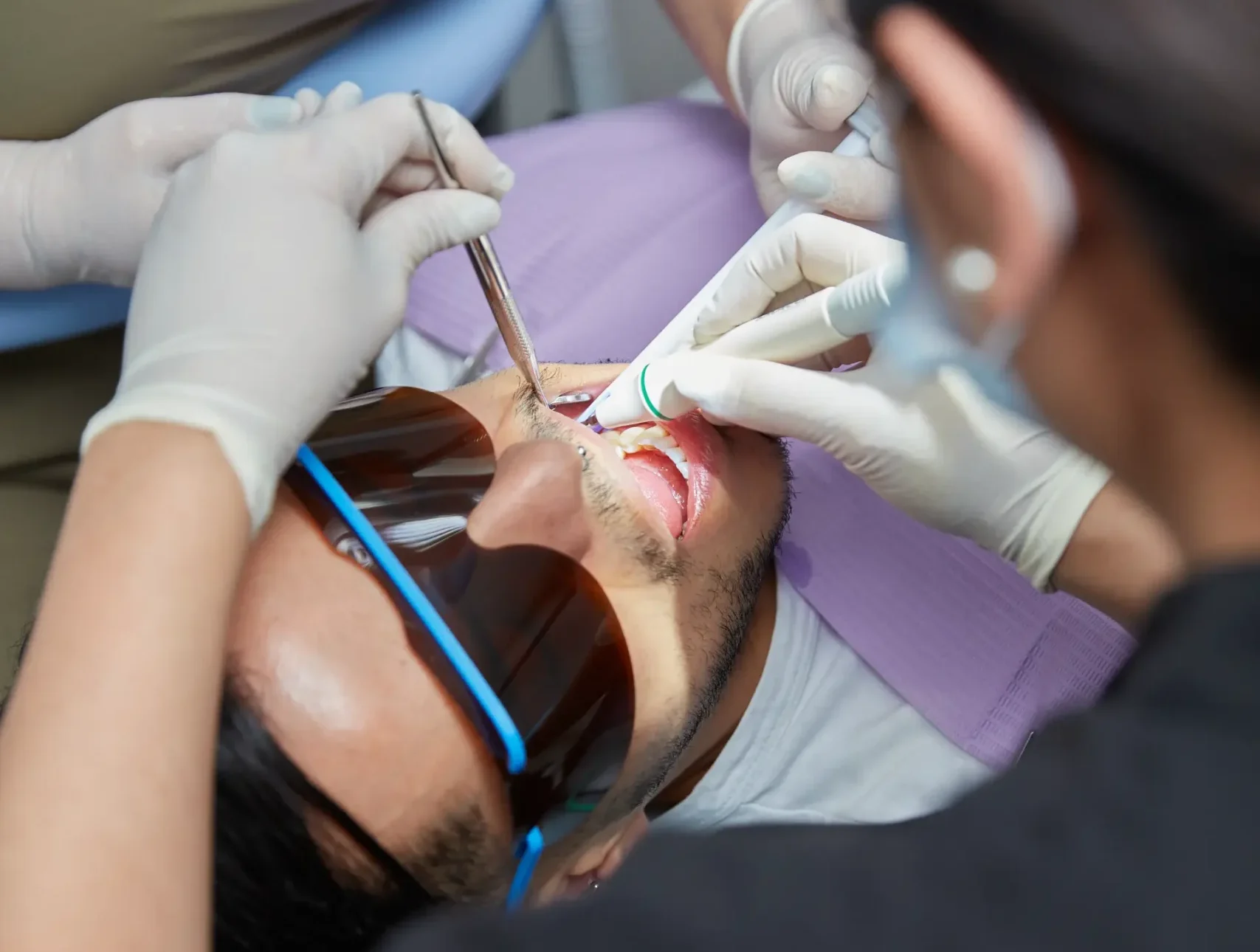
The choice between repairing and replacing a bridge depends on the cause of the problem, not simply how old the restoration is. The dentist needs to determine whether the bridge remains structurally sound and whether the teeth or implants supporting it remain healthy enough to keep it functioning. A clinical examination may include checking bridge movement, crown margins, the surrounding gums, bite contacts and supporting teeth. Dental X-rays may be used where indicated to investigate hidden decay, bone levels or other concerns. Healthdirect describes examination, assessment of supporting teeth and X-rays as part of dental bridge planning.
When a Dental Bridge May Be Repairable
Repair may be considered when the bridge and supporting teeth remain suitable and the problem can be corrected without replacing the complete restoration. One clear example is loss of cement retention: Cleveland Clinic reports that some loose bridges can be removed and recemented. Whether a chip or other localised defect can be managed conservatively depends on its depth, location, bridge material and effect on function. A dentist needs to assess these factors directly because a small visible defect may be very different from a fracture extending through the underlying framework.
When Dental Bridge Replacement May Be Necessary
Replacement becomes more likely when the bridge has major structural damage, cannot be predictably retained, no longer fits correctly, or must be removed to treat significant disease underneath it. Severe decay or fracture of an abutment tooth can also change the original support system and make reuse of the old bridge impossible.
How Dentists Evaluate a Failing Bridge
The purpose of the assessment is to answer three questions: Is the bridge still sound? Are its supporting teeth and gums healthy? Can the existing support safely carry the restoration in the future?
Depending on the case, assessment may include:
- Checking the bridge for movement, fracture and wear
- Examining crown and bridge margins
- Assessing the gums and periodontal tissues
- Checking the strength of abutment teeth
- Evaluating the bite and chewing contacts
- Taking dental X-rays where clinically indicated
- Looking for tooth decay, infection or cracks that could affect treatment
The final recommendation should be based on the condition found during examination rather than on the age of the bridge alone.
What Happens During Dental Bridge Replacement?
Replacing an old dental bridge is not always the same as having the original bridge fitted. The important difference is that the dentist first needs to understand why the first restoration is being replaced and what condition lies underneath it. If the supporting teeth are healthy, the replacement may follow a relatively straightforward restorative process. If decay, gum disease, fracture, or infection is found, that condition may need treatment before a new bridge can be made.
Removing the Old Dental Bridge
The dentist first removes or sections the existing restoration using a method appropriate for its material, cementation and condition. Once it is removed, the previously covered tooth structure can be examined more directly. The abutment teeth are then assessed for decay, fractures, remaining tooth structure and their ability to support another restoration. This stage is important because the appearance of an old bridge from the outside does not reveal everything happening underneath it.
Treating Problems Before the New Bridge
If a supporting tooth has decay, the damaged tissue needs to be managed before a new bridge is fitted. Other findings may require restorative treatment, periodontal care or, in selected situations, root canal treatment. The exact approach depends on how much healthy tooth remains and whether the tooth can still provide reliable support. Healthdirect similarly notes that tooth decay and gum disease are treated as needed before bridge treatment and that supporting teeth must be checked for adequate strength. If an abutment tooth cannot be predictably retained, the replacement plan may need to change rather than simply reproducing the original bridge.
Creating and Fitting the Replacement Bridge
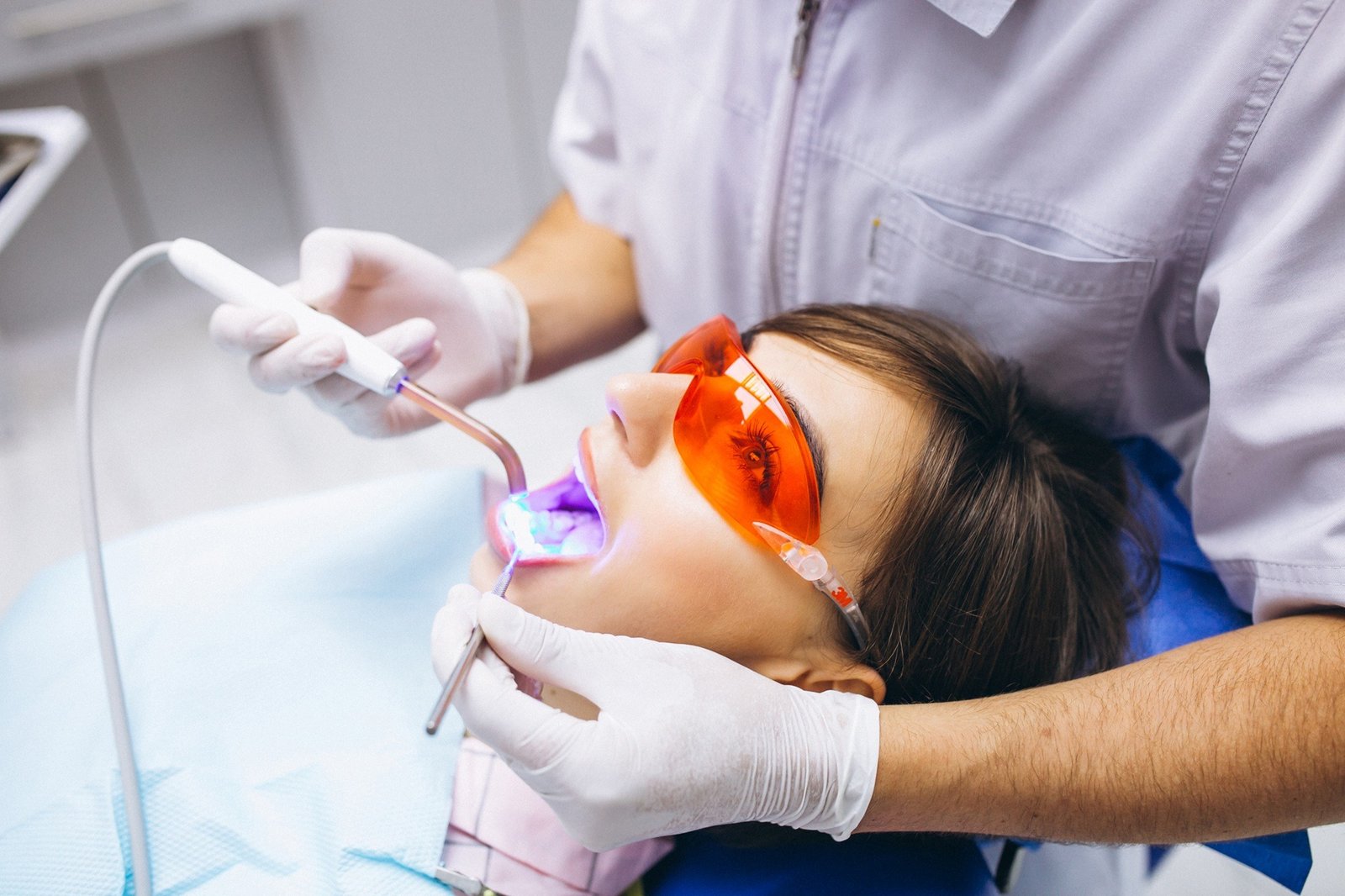
After the supporting teeth and tissues are ready, impressions or a digital scan can be used to record the prepared teeth and bite. Dental laboratories use impressions or digital scans supplied by dentists to fabricate crowns, bridges and other dental prostheses. A temporary restoration may be used while the final bridge is being made. At the fitting appointment, the dentist checks the bridge’s seating, margins, appearance and bite before it is secured. Healthdirect describes dental cement as a common method of fixing a conventional bridge to prepared teeth.
How to Make Your Dental Bridge Last Longer
Once a bridge is functioning well, the main goal is to protect the natural teeth and tissues that support it. No cleaning routine can guarantee that a restoration will never need replacement, but daily plaque control and professional monitoring can reduce preventable problems and allow developing issues to be found earlier.
Clean Under the Bridge Every Day
Brush the bridge and remaining natural teeth with fluoride toothpaste as part of your normal oral hygiene routine. The area beneath the pontic also needs attention because conventional floss cannot be passed directly down between joined bridge units. Depending on the space and bridge design, a dentist or dental hygienist may recommend a floss threader, superfloss or interdental brush. Healthdirect specifically lists these methods for cleaning beneath dental bridges. The correct cleaning tool should pass through the area without injuring the gums. If you are unsure how to clean beneath your bridge, ask your dental team to demonstrate the technique rather than guessing.
Avoid Habits That Can Damage Dental Bridges
A dental bridge is made to tolerate normal eating, but using teeth as tools or repeatedly biting very hard objects creates unnecessary stress. Cleveland Clinic recommends avoiding extremely hard or chewy foods and habits such as chewing ice, pens, pencils or fingernails. A single bite does not automatically destroy a bridge, but repeated abnormal force can increase stress on porcelain, cement, supporting teeth and the restoration as a whole.
Protect Your Bridge From Teeth Grinding
If you grind or clench your teeth, tell your dentist. The pattern of wear and the amount of bite force can be assessed during an examination. Where appropriate, a professionally fitted night guard may be considered to protect the teeth and restorations from repeated grinding forces. This should be based on an individual bite assessment rather than purchasing an appliance without knowing whether it is suitable for your bridge.
Maintain Regular Dental Checkups and Professional Cleaning
Regular dental reviews allow the bridge, abutment teeth, gums and bite to be monitored. They can also help identify changes that are difficult to detect at home, particularly around crown margins and underneath the restoration. Both Healthdirect and Cleveland Clinic recommend ongoing dental visits as part of bridge maintenance. There is no single recall interval that is correct for every patient. Your dentist can recommend a schedule based on your oral health, caries risk, gum condition, bridge design and other individual factors.
Dental Bridge or Dental Implant: What If the Bridge Cannot Be Replaced?
If an old bridge fails, another bridge may be possible, but it is not automatically the best option. The condition of the remaining teeth plays a major role. If strong abutment teeth remain available, a replacement bridge may still be suitable. If the original supporting teeth are badly compromised, a dental implant may become one of the alternatives considered.
Healthdirect lists dental implants as an alternative to conventional bridges and explains that an implant is placed in the jawbone and can support a crown or bridge.
| Consideration | Tooth-supported bridge | Dental implant |
| Main support | Natural abutment teeth | Implant placed in jawbone |
| Adjacent teeth | Often prepared for crowns | Usually do not need preparation solely to support the implant |
| Treatment time | Often shorter | Usually longer because implant healing is required |
| Bone | Does not replace the missing tooth root | Implant occupies the missing-root site |
| Maintenance | Cleaning around and beneath the bridge is essential | Cleaning around the implant restoration is essential |
| Suitability | Depends on supporting teeth and bite | Depends on bone, oral health and other clinical factors |
Dental implants often have longer survival than conventional bridges, but the prosthetic crown or bridge attached to an implant can still require maintenance or replacement over time. Cleveland Clinic’s updated implant guidance distinguishes between the lifespan of the implant itself and the restoration attached to it. Burwood Diamond Dental provides both crown and bridge treatment and dental implant care, which means patients with a failing bridge can have the remaining teeth assessed before deciding whether another bridge or an implant-based option is more appropriate.
Frequently Asked Questions About Dental Bridge Lifespan and Replacement
How Many Years Does a Dental Bridge Usually Last?
The average dental bridge lifespan is approximately 5 to 15 years, according to Cleveland Clinic. Some bridges continue functioning beyond this range with good maintenance. Age should be considered alongside the condition of the bridge, abutment teeth, gums and bite.
Can a Dental Bridge Last 20 Years?
Yes, a dental bridge can sometimes remain functional for 20 years or more, but this should be viewed as a possible long-term outcome rather than a guaranteed lifespan. Research shows that many fixed dental prostheses survive for long periods, although technical and biological complications become more likely over time.
How Do I Know if My Dental Bridge Needs Replacing?
Warning signs include a bridge that becomes loose, visible cracking, pain during chewing, new sensitivity or changes in the surrounding gums. These symptoms do not automatically mean replacement is required, but they do mean the bridge should be professionally assessed.
Can a Loose Dental Bridge Be Fixed?
Sometimes. If the bridge and supporting teeth remain healthy and the problem is mainly loss of cement retention, a dentist may be able to remove and recement the restoration. Cleveland Clinic notes that this can be possible for bridges that are already loose. If decay, fracture or another underlying problem caused the loosening, further treatment or replacement may be required.
Is Replacing a Dental Bridge Painful?
Dentists use local anaesthesia when treatment of the supporting teeth requires it, so the procedure should be managed with patient comfort in mind. The amount of treatment needed varies considerably. A simple replacement over healthy supporting teeth is different from a case involving deep decay, infection or a damaged abutment tooth.
What Happens if I Ignore a Damaged Dental Bridge?
A damaged bridge may expose the supporting system to further problems, particularly if the restoration is moving, trapping food or associated with decay. Because natural abutment teeth can develop cavities and periodontal problems, delaying assessment may allow a treatable problem to become more extensive.
Protecting the Long-Term Health of Your Dental Bridge
A dental bridge can provide many years of comfortable function, but it should not be treated as a restoration that can be fitted and forgotten. Five to 15 years is a useful average lifespan, not an expiry date. A bridge that remains stable over many years may continue to serve well, while a newer bridge affected by decay, fracture or loss of support may need earlier treatment. The most important step is to protect the supporting teeth and gums. Clean beneath the bridge every day, control grinding or clenching where needed, avoid using the teeth on hard objects and keep up with dental examinations. If the bridge begins to move, hurt, crack or feel different, arranging an assessment early gives your dentist a better chance to identify the cause before additional tooth structure is lost. For patients in Burwood and Sydney’s Inner West, Burwood Diamond Dental offers dental crown and bridge treatment alongside general dentistry, root canal treatment, emergency dental care and dental implants. If an existing bridge is causing discomfort or showing signs of failure, an examination can determine whether it can remain in place, be repaired or needs replacement.
References
Healthdirect Australia: Dental Bridge
https://www.healthdirect.gov.au/dental-bridge
Cleveland Clinic: Dental Bridges: Types & Who Needs Them
https://my.clevelandclinic.org/health/treatments/10921-dental-bridges
American College of Prosthodontists: Dental Laboratory/Dentist Relationship
https://www.prosthodontics.org/assets/1/7/14.Dental_Laboratory_Dentist_Relationship.pdf