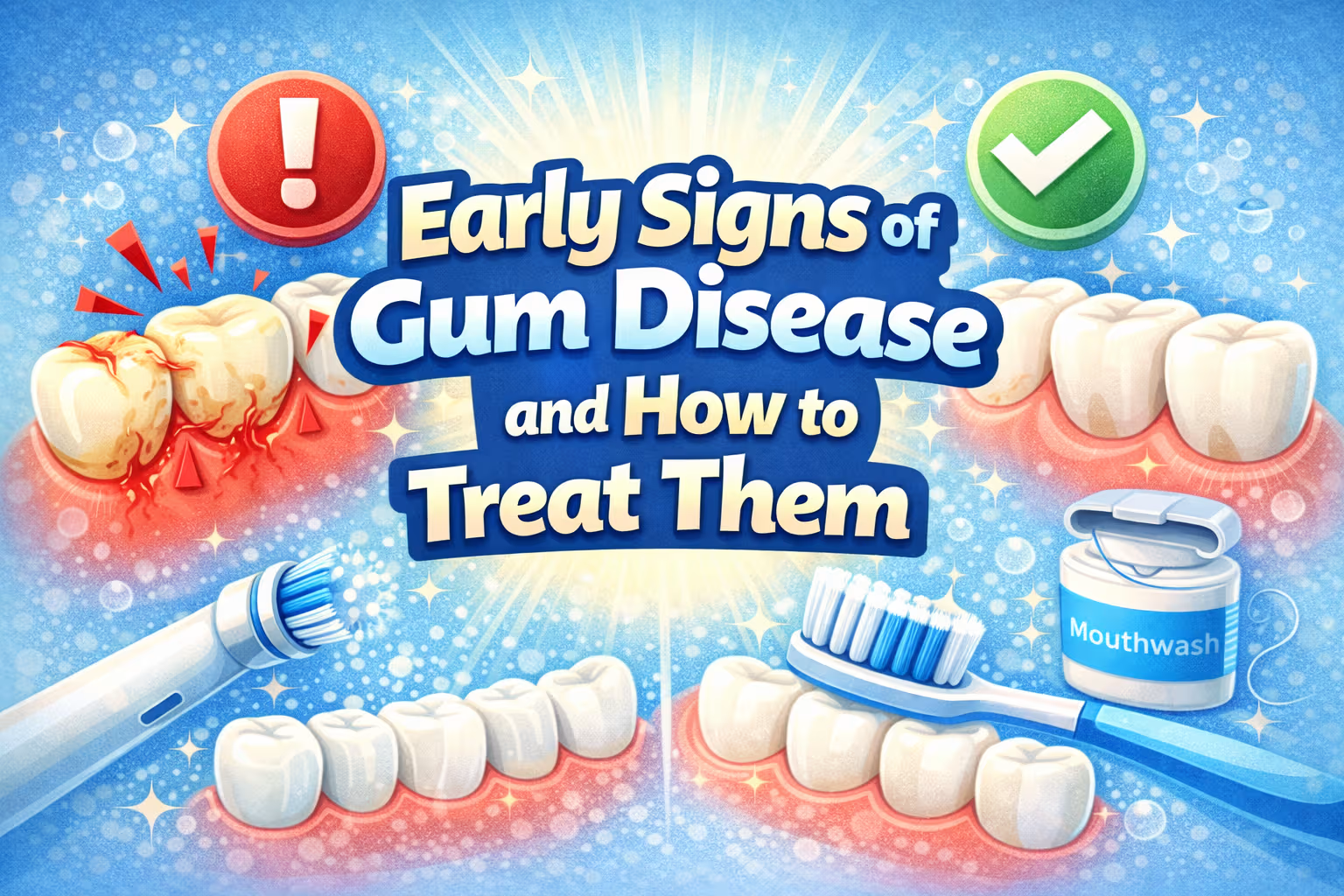
Do your gums bleed when you brush or floss? Many people dismiss this as a minor annoyance, perhaps blaming it on brushing too hard, and fail to realise it is often the first, most critical warning sign of a serious health problem. This delay in recognising the early signs of gum disease is the number one reason patients lose teeth. The truth is, periodontal disease management starts with recognising the subtle changes in your mouth long before pain sets in. Our team of dental professionals understands that you may be asking yourself, Can you have gum disease and not know it? The answer is yes, but this comprehensive guide provides the expert advice you need to detect issues immediately and outlines exactly how to treat gum disease at every stage.
Protecting Your Smile: Why Early Detection of Gum Disease is Critical
Gum disease, medically known as periodontal disease, is a progressive bacterial infection that attacks the tissues supporting your teeth. It begins subtly and painlessly, which is why it is often called a silent epidemic. Our practice focuses on preventative dentistry and establishing a strong foundation of health, making early detection a primary goal. By empowering you to identify the early stages of gum disease, we can ensure treatment is non-invasive and completely effective. This expert guidance from Burwood Diamond Dental is designed to help you become your own best advocate for periodontal health.
Understanding the Stages of Periodontal Disease
Gum disease does not appear overnight; it develops in distinct stages, each with increasing severity and corresponding damage to the supporting bone and tissues. Recognising these stages is crucial for understanding how to treat gum disease effectively.
What is Gum Disease?
Gum disease is an infection and inflammation of the gums (gingiva) and bone that hold your teeth in place. It begins when plaque, a sticky film of bacteria, is allowed to build up along the gumline. This bacterial accumulation irritates the soft tissue, leading to an inflammatory response.
Gingivitis: The Reversible Stage of Gum Disease
Gingivitis is the initial and mildest form of gum disease. At this stage, the inflammation is confined to the gums, causing them to look red, become slightly swollen, and bleed easily during brushing or flossing (Gingival Bleeding). Crucially, there is no bone loss yet. Is gingivitis reversible? Yes, gingivitis is entirely reversible through improved daily oral hygiene and a professional cleaning at the dentist. If caught now, you can restore your gums to full health without lasting damage.
Periodontitis: The Non-Reversible Stage
If gingivitis is ignored, it progresses to periodontitis. At this stage, the inflammation spreads deeper, causing the gum tissue to pull away from the tooth, forming small gaps called periodontal pockets. Bacteria then colonise these deep pockets, attacking the jawbone itself. This results in Bone Loss, which is irreversible. The gum disease has now shifted to a chronic state, requiring specialised gum disease treatment to manage.
Advanced Periodontitis and Its Consequences
Advanced periodontitis represents the severe, chronic progression of the disease. At this stage, significant Bone Loss has occurred, leading to the loosening and drifting of teeth. The infection is widespread, and the primary focus of treatment becomes stabilising the teeth to prevent their loss. Failure to treat advanced periodontitis inevitably leads to the need for extractions and eventual tooth loss.
Recognising the Early Signs & Symptoms
Knowing what to look for at home is the most important step in preventing permanent damage. These early signs of gum disease are often painless but are powerful indicators that immediate action is required.
The Key Early Signs of Gum Disease to Watch For
The initial signs are subtle, often masked by the assumption of over-brushing or a sensitive mouth. Learning how to know if I have gum disease involves routinely inspecting my gums for changes in colour and texture.
Bleeding Gums: The #1 Warning Sign
Bleeding from the gums is the most frequent and most important early sign of gum disease. Healthy gums do not bleed. If you notice blood when you brush, floss, or even eat hard food, it means your gums are inflamed and sensitive. Ignoring this Gingival Bleeding allows the gingivitis to deepen.
Swollen, Red, or Tender Gums
Healthy gums are firm and pink. Gums affected by inflammation will appear redder or purplish, feel soft or puffy, and may be tender to the touch. This change in appearance is a clear indicator of inflammation that should prompt you to call your dentist immediately.
Persistent Bad Breath (Halitosis) That Doesn’t Go Away with Brushing
Chronic bad breath, or Halitosis, can be a significant symptom of advanced plaque buildup. This odor is caused by the sulfur compounds released by anaerobic bacteria trapped under the gumline and in periodontal pockets. Unlike temporary bad breath, this odor persists even after brushing and mouthwash use, signaling an underlying bacterial problem.
Gum Recession: When Teeth Look Longer
Receding Gums occur when the inflamed gum tissue gradually pulls away from the tooth surface, exposing the root underneath. This makes the teeth appear longer than they used to and can lead to increased sensitivity to hot and cold temperatures. This change is a strong indicator of established periodontal inflammation.
Late-Stage Symptoms Requiring Urgent Care
If the disease reaches this point, the infection is severe, and the structural integrity of your teeth is compromised.
Loose or Shifting Teeth
Once the bone supporting the tooth root is significantly destroyed by the bacterial infection, the teeth lose their anchor and may start to feel loose or visibly shift. This is the most dangerous symptom of advanced periodontal disease and signals imminent tooth loss.
Changes in Bite or Fit of Dentures
The drifting of teeth due to bone loss can change the way your upper and lower teeth meet, altering your bite. This shifting also affects how well existing partial dentures fit, requiring immediate dental assessment to prevent further skeletal damage.
Visible Pus or Abscess Formation
Pus or abscesses form when infection is trapped in the deep periodontal pockets. This signifies an acute bacterial flare-up requiring immediate professional, timely dental care to drain the infection and prevent further spread.
Causes, Risk Factors, and Systemic Links
Understanding how to treat gum disease requires recognising that it is not solely a dental problem; it is a bacterial infection heavily influenced by lifestyle and overall systemic health. Effective periodontal disease management involves addressing these underlying risk factors.
What Causes Gum Disease? The Plaque Connection
The definitive cause of gum disease is the presence of bacteria, but this cause is compounded by your body’s reaction to it.
The Direct Cause: The Role of Plaque and Calculus (Tartar)
The direct trigger for all stages of gum disease is the failure to thoroughly remove plaque. When plaque is not removed, it hardens into calculus, or tartar. Calculus is rough, porous, and impossible to remove with a toothbrush or floss. It provides a perfect surface for bacteria to multiply close to the gum tissue. This bacterial presence, coupled with the constant irritation from the rough calculus, is what initiates inflammation and the subsequent destruction of bone. This emphasises the need for regular professional cleaning, a core part of preventative dentistry.
Lifestyle Risk Factors Accelerating Disease
Certain habits drastically speed up the progression of gum disease, even if you brush reasonably well. Smoking and Tobacco Use severely restrict blood flow to the gums, effectively masking the early signs of gum disease (as gums bleed less) while simultaneously hindering the body’s immune response and healing capabilities. Patients who smoke are significantly more likely to develop severe periodontal disease and respond less effectively to treatment. A consistently poor oral hygiene routine, especially skipping flossing, also directly accelerates the accumulation of plaque.
Systemic Health Factors That Increase Risk
Systemic diseases and hormonal changes can change the body’s inflammatory response, making the gum tissues more vulnerable to attack.
Diabetes Mellitus: The Two-Way Street
Diabetes is one of the most critical health factors influencing gum disease. Uncontrolled blood sugar levels create an environment where infections thrive, and healing is slow. This makes patients highly susceptible to severe periodontitis. Furthermore, gum disease makes it harder for the body to control blood sugar, creating a detrimental cycle known as the Diabetes and Periodontal Disease link. Managing one condition is essential for controlling the other.
Hormonal Changes and Genetic Predisposition
Hormonal shifts, particularly those experienced during pregnancy or menopause, can increase the sensitivity of gum tissue to plaque. This leads to hormonal gingivitis, which is why pregnant women often require extra attention and professional cleanings. Additionally, some individuals have a genetic predisposition that makes them more susceptible to the inflammatory response that leads to severe bone loss, even with moderate plaque levels.
Complications: The Link Between Gum Health and General Health
Gum disease is an ongoing infection, and the pathogens and inflammation do not stay confined to the mouth.
Increased Risk of Heart Disease and Stroke
The bacteria that cause periodontitis can enter the bloodstream through inflamed gum tissue. Studies suggest these bacteria and the chronic inflammation they cause may contribute to arterial inflammation, increasing the risk of cardiovascular events, including Heart Disease and Stroke.
Worsened Blood Sugar Control in Diabetics
As mentioned, gum disease places constant stress on the immune system, making insulin less effective. Therefore, successfully treating the gum infection is crucial for Worsened Blood Sugar Control in Diabetics and achieving better overall health outcomes.
How to Treat Gum Disease: Professional Strategies
The appropriate early signs of gum disease treatment depend entirely on the stage of the disease, which can only be determined by a dental professional. Treatment is categorised into non-surgical management for early stages and surgical intervention for advanced cases.
Treating Early Gum Disease (Gingivitis)
The treatment for gingivitis is effective and non-invasive. It involves a standard professional cleaning to remove all plaque and calculus buildup above the gum line. This procedure is then paired with comprehensive instruction from the hygienist on improving your daily oral hygiene routine, including proper flossing technique. Once the source of irritation (plaque) is eliminated and home care is consistent, the gum tissue heals completely, demonstrating that gingivitis is reversible.
Treating Chronic Periodontitis
Once Periodontitis has set in, the focus shifts from reversing the condition to managing and arresting its progression to save the remaining bone and teeth.
The most common initial treatment for established periodontitis is Scaling and Root Planing (SRP), often referred to as deep cleaning. This procedure is performed under local anesthesia to ensure comfort. The dentist or hygienist performs Root Surface Debridement, which involves scraping away calculus and bacteria not only from the surface of the tooth but also deep within the periodontal pockets below the gum line. This creates a clean, smooth root surface, allowing the gums to potentially reattach and reducing pocket depth.
Adjunctive Therapies: Antibiotics and Antimicrobial Rinses
In some cases, the deep cleaning is supplemented with adjunctive therapies. This may involve prescribing specialised antimicrobial rinses or placing localised antibiotics directly into the deepest pockets after the SRP. These treatments target residual bacteria that are difficult to reach physically, enhancing the overall management of the infection.
Advanced Treatment Options (Surgical Intervention)
When deep pockets persist and bone loss continues despite non-surgical treatments, surgical intervention may be required to access the damaged areas directly.
Pocket Reduction Surgery (Flap Surgery) and Regenerative Procedures
Pocket Reduction Surgery involves the dental professional folding back a small section of the gum tissue (a flap) to gain direct access to the deeper infection and bone defects. This allows for thorough cleaning and removal of calcified deposits, after which the gum is repositioned closer to the tooth root to minimise the periodontal pockets. In cases of significant bone loss, Regenerative Procedures like Bone Grafting or Gum Grafting may be used to attempt to regenerate lost tissue and bone support around the teeth.
The Role of Ongoing Periodontal Maintenance
For any patient treated for periodontitis, the “six-month rule” is no longer applicable. These individuals require periodontal maintenance visits, usually every three or four months, to monitor pocket depths, remove new bacteria, and prevent relapse. This ongoing periodontal disease management is essential for keeping the condition stable.
Conclusion: Taking Action on Gum Disease
The best defense against permanent dental damage is immediate action. Recognising the early signs of gum disease, especially bleeding gums, and seeking professional help quickly is the difference between a reversible condition and chronic bone loss. Your prompt attention, combined with the comprehensive treatment strategies offered by our experts, is the most effective way to save your teeth and stabilise your overall health.
Next Step: Schedule a Periodontal Health Checkup
If you recognise any of the early signs of gum disease in your mouth, do not wait. How to treat gum disease begins with an accurate diagnosis. Contact Burwood Diamond Dental today to schedule a comprehensive periodontal health checkup. We will assess your gums, measure your pockets, and create a personalised plan to manage the disease, ensuring you receive the timely dental care necessary to protect your smile.
Frequently Asked Questions
1. Can you have gum disease and not know it?
Yes, you absolutely can. Early signs of gum disease are often painless, meaning you might have gingivitis or even moderate periodontitis without realising it, making routine dental checkups critical for early detection.
2. Is gingivitis (early gum disease) truly reversible?
Yes, gingivitis is the only stage of periodontal disease that is fully reversible. It can be completely eliminated through professional cleaning and establishing excellent daily oral hygiene habits at home.
3. How do dentists diagnose periodontitis, and what is a ‘periodontal pocket’?
Dentists use a probe to measure the depth of the space between the tooth and gum. A measurement greater than 3mm indicates a periodontal pocket, which signifies active infection and Bone Loss from the disease.
4. If I have periodontitis, is my tooth loss inevitable?
No, tooth loss is not inevitable. While bone loss is irreversible, the disease can be managed and arrested using procedures like Scaling and Root Planing (deep cleaning) and ongoing professional periodontal maintenance.
5. Can certain medical conditions affect my gums?
Yes, conditions like Diabetes Mellitus significantly increase the risk of severe gum disease by impairing the body’s healing and immune response, highlighting the strong link between periodontal disease management and systemic health.