If you’ve ever had the sharp pain of a toothache or felt the dread of hearing your dentist say, “You have a cavity,” you understand the frustration of decay. Many people believe a quick brush is enough, yet they still battle cavities year after year. A cavity is simply a hole in your tooth, and every single one represents a failure of prevention. Our professional dental treatments at Burwood Diamond Dental is centered on stopping these failures before they occur. We recognise that effective long-term oral health is a partnership where we provide clinical support and guidance, and you execute the right strategies at home.
Understanding Decay: The Science of Prevention
To successfully implement the best way to prevent cavities naturally, you must first understand the process of decay. It’s a chemical process that happens thousands of times a day in your mouth, and it is easily influenced by your actions.
What Causes Cavities? The Demineralisation Process
Decay is caused by a chain reaction involving three factors: sugar, bacteria, and time. When you consume sugar or starches, the bacteria in your dental plaque feed on them, producing acid as a waste product (Acid Production). This acid then dissolves the mineral structure of your tooth enamel, a process called demineralisation. This slow erosion eventually creates a weak spot that turns into a visible cavity.
The Science in Simple Terms:
Breaking down the chemical reaction: acid production from bacteria and sugar.
The primary cause of dental cavities is the acidic byproduct created when oral bacteria metabolise refined sugars and carbohydrates. This constant exposure to acid gradually strips the calcium and phosphate from your tooth enamel. If this process is not reversed quickly, by saliva or fluoride, the enamel breaks down, creating a permanent hole.
The pH Danger Zone:
Your mouth has a natural, neutral pH level. When you eat, the pH level drops rapidly due to acid production. If the pH drops below 5.5, the process of enamel erosion begins, actively dissolving your tooth structure. This is known as Demineralisation and Remineralisation. The key to stopping a cavity from growing is spending the maximum amount of time above this critical pH level.
Types of Decay:
Not all decay occurs in the same spot. Pit and fissure decay happens on the chewing surfaces of the back teeth, where deep grooves trap bacteria and are hard to clean. Smooth surface decay often occurs on the sides of the teeth, particularly where they touch, emphasising the importance of flossing. Root decay happens when gums recede, exposing the softer root surface to acid attack.
Identifying Your Cavity Risk Factors
While everyone is susceptible to decay, certain factors can increase your vulnerability, necessitating a more aggressive approach to preventing cavities.
Saliva Flow: The Protective Function and the Danger of Dry Mouth
Saliva is your natural defense system; it washes away food debris, dilutes acid, and carries vital minerals to repair early demineralisation. Patients with chronic Xerostomia (dry mouth), often caused by common medications or certain health conditions, lose this protective function, dramatically increasing their risk of rampant decay. Furthermore, some individuals naturally have deeper grooves (fissures) on their chewing surfaces, which are difficult for toothbrush bristles to reach, making them anatomically prone to decay.
Anatomy and Genetics
Some individuals naturally have deeper grooves (fissures) on their chewing surfaces, which are difficult for toothbrush bristles to reach, making them prone to pit and fissure decay. While genetics can influence the strength of your enamel, good oral hygiene can always overcome genetic predispositions.
Snacking Frequency: Why When You Eat is More Critical Than What You Eat
Every time you consume sugar or starch, you initiate an acid attack that can last for up to twenty minutes. Frequent Snacking Frequency means your mouth never gets a chance to recover. Your teeth should eat your treats all at once rather than sipping on a sugary drink or grazing on snacks for hours. Limiting the Frequency of acid attacks is a critical, yet often overlooked, part of the best way to prevent cavities naturally.
The Prevention Strategy: Home Care and Professional Shielding
How to prevent cavities in teeth relies on combining daily vigilance with professional, preventative services. These two pillars work together to create an environment where decay cannot thrive.
Pillar 1: Daily Home Hygiene for Cavity Defense
Your daily efforts are the most critical line of defense in the battle against decay. Every time you clean your teeth, you are physically removing the bacteria responsible for decay.
Mastering the Brush and Floss: The Non-Negotiable Duo
No matter how diligent you are, if you are not brushing and flossing correctly, you are leaving decay-causing plaque behind. Our advice is simple: adopt the two-minute rule, brushing at a 45-degree angle to effectively clean the gum line. The brush removes plaque from the accessible surfaces, while flossing tackles the hidden areas where decay often starts. Consistent daily practice, using the Correct Brushing Technique, is key to removing physical plaque. Flossing, or any form of Interproximal Cleaning, is essential for preventing cavities between teeth, as this is where decay is often hidden and most destructive.
The Power of Fluoride: Choosing and Utilising Fluoride Toothpaste
Fluoride is the only agent scientifically proven to help enamel by attracting calcium and phosphate ions to repair the early damage caused by acid. Always use a Fluoridated Toothpaste recommended by your dental professional, and spit, but do not rinse heavily with water after brushing. Leaving a small amount of fluoride residue on your teeth maximises its protective effect. Mouthwash should only be used strategically, as a supplemental Antimicrobial Rinse or fluoride rinse, after brushing and flossing, never instead of them.
Pillar 2: Professional Preventive Treatments
Home care is necessary, but professional preventative treatments provide high-level protection that you cannot achieve alone. These services demonstrate the true value of timely dental care from Burwood dental professionals.
Dental Sealants: Protection for Grooves
The surfaces of your back teeth contain natural pits and grooves that are narrower than a single toothbrush bristle. Fissure Sealants are thin, resin coatings applied by your dental professional to these chewing surfaces, effectively smoothing the area and creating a barrier that bacteria cannot penetrate. We highly recommend this service for children when their permanent molars erupt, but it is also effective for adults at high risk of decay, adding years of protection against the most common type of cavity.
High-Dose Fluoride Varnish and Regular Professional Cleanings
During your routine visit, your dentist or hygienist may apply a highly concentrated fluoride varnish directly to your teeth. This In-Office Fluoride Treatment provides a potent dose of minerals that rapidly strengthen the enamel, providing superior protection. Furthermore, only a professional cleaning can remove hardened calculus (tartar). Calculus traps bacteria and accelerates the decay process, so routine dental exams and professional cleaning are vital for all patients.
Pillar 3: Dietary and Lifestyle Management
You can’t fully control the bacteria in your mouth, but you have complete control over their food supply. Managing your diet is key to supporting your best way to prevent cavities naturally.
Neutralising the Acid Attack and Eating Tooth-Friendly Foods
After consuming highly acidic items, like fizzy drinks or citrus fruit, wait at least thirty minutes before brushing, as brushing immediately can rub the softened enamel away. Instead, rinse your mouth thoroughly with water to neutralise the acid and speed up recovery from Acid Erosion. Focus on Foods that Fight Decay, such as dairy products (cheese, milk), which buffer acids and contribute to remineralisation, and high-fiber vegetables that stimulate cleansing saliva flow. Drinking water throughout the day is the simplest and most powerful habit, constantly diluting acid and sugar and reducing the opportunity for decay.
Targeted Prevention and Long-Term Maintenance
For some patients, prevention requires specialised attention due to existing conditions or restorations. Addressing these factors demonstrates a deeper level of expertise.
Preventing Decay with Existing Dental Work
Any dental restoration, whether a filling or a crown, creates a small margin where bacteria can accumulate.
Caring for Restorations and Cleaning Orthodontic Appliances
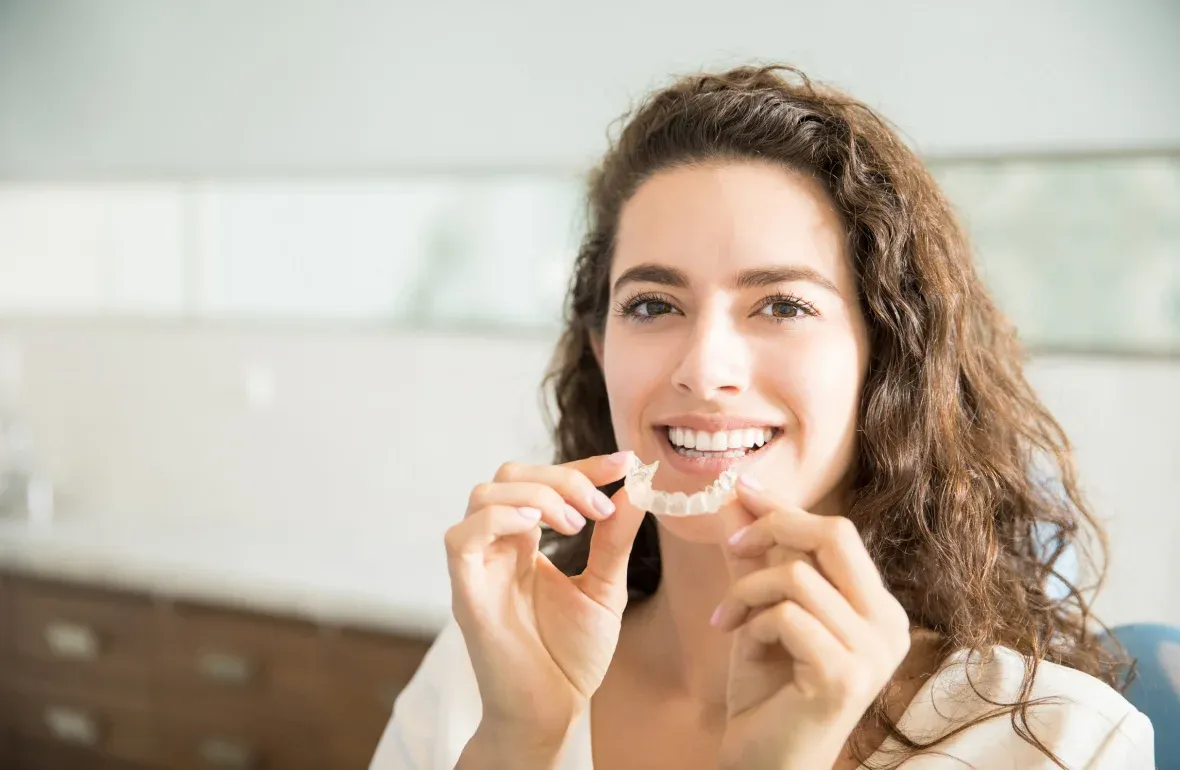
As older fillings age, the bond with the natural tooth can degrade, creating microscopic gaps that are perfect hiding spots for bacteria, leading to secondary decay (Secondary Caries Prevention). Your dentist carefully inspects these margins during every routine dental exam. Similarly, patients with braces or clear aligners (like Smilestyler) must follow Orthodontic Oral Hygiene protocols, as these appliances create numerous surfaces for plaque to collect. We provide specific instructions and recommend specialised tools to protect your teeth while undergoing treatment.
Utilising Preventative Benefits
The majority of the Australian population benefits from Community Water Fluoridation, which provides an excellent base layer of protection. Crucially, most Australian private health insurance funds prioritise preventative treatments, often covering two checkups and cleans per year with low or no gap payment. Utilising these benefits at Burwood Diamond Dental is a financially smart strategy, as it drastically reduces the likelihood of needing expensive restorative work later.
Summary: Your Roadmap to a Cavity-Free Smile
The definitive advice on how to prevent cavities is to recognise that prevention is a continuous, dual effort. It requires daily diligence with brushing and flossing, strategic dietary choices, and relying on the protective, high-level services like sealants and professional cleans provided by Burwood dental professionals. By committing to this strategy, you ensure the health of your smile for life.
Schedule Your Personalised Preventive Plan
If you are concerned about your cavity risk or if you simply need to establish your ideal schedule for routine dental exams, the team at Burwood Diamond Dental is here to help. We offer personalised preventative treatment plans to protect your smile. Contact our clinic today to schedule a comprehensive exam and take the definitive step to a cavity-free future.