For many people, a great smile feels out of reach, something reserved for celebrities or those with perfect genetics. If you often feel self-conscious about your breath, see your gums bleed when you brush, or worry about your next dental check-up, you’re not alone. The good news is that achieving a truly healthy and confident smile is simpler than you think. It starts with implementing a few proven, science-backed habits into your daily life.
Our team of experienced Burwood dentists understands that optimal dental health is built on consistency and knowledge. This guide delivers the essential, expert-approved top 10 oral hygiene tips to help you fight plaque, prevent gum disease, and ensure your smile is healthy and bright for years to come.
The Core 10 Oral Hygiene Tips
These ten essential steps cover the daily habits necessary for superior dental health. By consistently mastering your two-minute brush, committing to daily flossing, managing your diet, and using fluoride, you establish a strong, preventative routine. This foundation is key to warding off decay and gum disease, ensuring your smile remains healthy and confident between appointments with your Burwood dentist.
1. The Two-Minute Rule: Brushing for Dental Health (Brush Twice Daily)
Brushing is the bedrock of good oral hygiene, yet many people rush this crucial step. We advise brushing twice a day for a full two minutes each time, once in the morning and once before bed. This ensures adequate time to disrupt and remove the sticky film of bacteria known as plaque, which is the primary cause of tooth decay and gum inflammation. Proper timing is critical, as plaque starts reforming almost immediately after cleaning.
Master the Correct Brushing Technique (Proper Brushing Technique)
The way you brush matters as much as how long you brush. Use a soft-bristled brush and hold it at a 45-degree angle to the gums. Use short, gentle, circular strokes on all surfaces of your teeth, the outer, inner, and chewing surfaces. Avoid aggressive scrubbing, which can damage your gums and wear down tooth enamel. Focus on one small section at a time, making sure you reach the areas furthest back in your mouth.
Choosing the Right Tools: Manual vs. Electric Toothbrushes and Bristle Type
While a manual toothbrush can be effective, modern electric toothbrushes often provide superior plaque removal due to their oscillating, rotating, or sonic actions. They also frequently include built-in timers, which help you stick to the two-minute rule. When selecting a toothbrush, always choose soft bristles. Hard bristles offer no cleaning advantage and pose a real risk of causing gum recession and tooth sensitivity over time.
When to Replace Your Toothbrush
A worn-out toothbrush is an ineffective tool. You should replace your toothbrush, or the head of your electric toothbrush, every three to four months, or sooner if the bristles are visibly frayed. Frayed bristles can’t clean efficiently and may even harbour more bacteria.
2. Floss Daily, No Excuses (Cleaning Between Teeth)
Brushing alone can only reach about 60% of your tooth surfaces. The remaining 40%. the tight spaces between your teeth are breeding grounds for plaque. Flossing once a day is non-negotiable for how to have good oral hygiene, as it removes food debris and plaque from these inaccessible areas. Skipping this step leaves you vulnerable to decay and, most critically, to gum disease.
Plaque left between teeth hardens into calculus (tartar), which irritates the gums, leading to gingivitis (gum inflammation) and eventually to periodontitis, a severe form of gum disease that causes bone loss and tooth loss. Flossing disrupts this cycle by cleaning below the gumline.
Floss, Floss Picks, or Water Flosser: Which is Best?
While traditional string floss is the gold standard for comprehensive cleaning, alternative tools can be just as effective, especially for those with dexterity issues or braces. Floss picks are convenient for travel and quick use. Water flossers (oral irrigators) are an excellent option for patients with dental implants, crowns, or orthodontic appliances, as they use a stream of pulsating water to flush out debris. Are water flossers as good as dental floss? Studies show they are highly effective at reducing plaque and bleeding, and for some, they may be easier to use correctly than string floss.
3. Don’t Forget the Tongue (Fresher Breath, Reduced Bacteria)
Bacteria don’t just cling to your teeth; it thrives on the rough surface of your tongue. This buildup is a major contributing factor to bad breath (halitosis prevention). Incorporating tongue cleaning into your routine takes seconds and provides a noticeable difference in the freshness of your breath.
The Importance of Brushing Your Tongue or Using a Tongue Scraper (Halitosis Prevention)
Use your toothbrush to gently brush the surface of your tongue, working from back to front, or use a dedicated tongue scraper. A scraper is often more effective at lifting and removing the layer of debris and bacteria that can coat the tongue. This simple addition is a highly effective way to improve oral hygiene.
4. Make Fluoride Your Friend (Enamel Protection)
Fluoride is a naturally occurring mineral that has a profound impact on dental health. It works to remineralize tooth enamel, repairing the microscopic damage caused by acid attacks before they turn into cavities. It is your strongest ally in the fight to prevent tooth decay. Always choose a toothpaste that contains fluoride. For children, the concentration is lower, but for adults, it is a vital ingredient. If you are prone to cavities, your Burwood dentist may recommend professional, high-concentration fluoride varnish treatments during your routine check-ups. This is an efficient way to strengthen your teeth and boost your enamel’s resistance.
5. Hydrate for a Healthy Mouth (Saliva Flow is Key)
Saliva is nature’s own mouthwash and a critical component of correct oral hygiene. It washes away food particles, neutralizes harmful acids produced by bacteria, and contains essential minerals that help keep your enamel strong. When you are dehydrated, your saliva flow decreases, leaving your mouth vulnerable. Drinking plain water throughout the day, especially after meals, helps to wash away food remnants and dilute any acids in your mouth. This simple habit contributes directly to maintaining saliva flow and keeps your oral environment balanced and clean.
6. The Diet-Smile Connection (Eat for Your Teeth)
What you eat and drink profoundly affects your mouth. Sugars feed the harmful bacteria that cause cavities, and acids directly erode tooth enamel. Your diet is a key pillar in improving oral hygiene. Minimize your intake of items like soft drinks, citrus juices, sticky lollies, and even sports drinks. These cause rapid enamel erosion and contribute to decay. If you do consume them, do so with a meal, and rinse your mouth with water immediately afterward.
Top Calcium-Rich and Tooth-Friendly Foods to Eat More Of
A tooth-friendly diet includes fibrous fruits and vegetables, lean proteins, and dairy products. Cheese, milk, and plain yogurt are high in calcium, which is essential for healthy teeth and bones, and their ability to stimulate saliva helps neutralize acids.
7. Use Mouthwash Strategically (Rinse Wisely)
Mouthwash can be a beneficial supplement to brushing and flossing, but it is not a replacement for them. It is best used as a finishing step in your complete oral hygiene routine. Therapeutic mouthwashes can be prescribed or recommended by your dentist to address specific issues. For instance, an antimicrobial mouthwash can help control plaque and gingivitis, while a fluoride rinse offers extra protection against decay. Be cautious about overuse, especially with alcohol-based rinses, which can cause irritation or dry out the oral tissues.
Should I choose a Fluoride or Antimicrobial Mouthwash?
Is it good to use mouthwash every day? Yes, but the type depends on your needs. A fluoride rinse is ideal if you are cavity-prone. If you have active gum disease, an antimicrobial rinse might be better. Consult with your dentist to choose the one that aligns with your specific oral health goals.
8. Quit Tobacco for a Lifetime Smile (Avoiding Tobacco)
Using tobacco products, whether smoking or chewing, is one of the most significant risk factors for serious dental problems. It is the single most important habit to eliminate for optimal dental health. Tobacco use restricts blood flow to the gums, making you more susceptible to infection and slowing down the healing process. This significantly increases your risk of developing severe gum disease (periodontitis) and is strongly linked to oral cancer. During your routine visits, your dentist performs an oral cancer screening to detect any early warning signs.
9. Protect Your Teeth from Injury (Mouthguards Matter)
A knocked-out or chipped tooth often results in costly and complicated restorative procedures. Preventing trauma is a simple and effective part of preventative dentistry. If you or your children play contact sports, a mouthguard is essential to prevent dental injuries. Furthermore, many people unknowingly grind or clench their teeth, a condition known as bruxism, which can severely wear down teeth. Your Burwood dentist can provide a custom-made night guard, which offers superior protection compared to over-the-counter options.
10. Schedule Routine Check-Ups (Timely Dental Care)
The most effective oral hygiene routine at home must be complemented by professional care. Seeing your dentist and hygienist regularly allows for early detection and prevention. During a routine visit, your hygienist removes hardened calculus (tartar) that you cannot remove with brushing or flossing, while your dentist performs a thorough examination. This includes checking for signs of decay, gum disease, and oral cancer, ensuring timely dental care.
Going Beyond the Basics: Advanced Dental Practices
While the ten core tips cover daily maintenance, an expert oral hygiene routine requires understanding how to prevent deeper issues and adapting your routine to different life circumstances. Going beyond surface-level cleaning is what separates good dental health from exceptional dental health.
Preventing Common Oral Health Issues
Understanding the early signs of gum problems is vital for correct oral hygiene. Gum disease is progressive, and the key to stopping it is catching it early.
- Gingivitis vs. Periodontitis: Understanding the Signs of Gum Disease.
Gingivitis is the earliest stage, characterized by red, swollen gums that may bleed easily, often during brushing or flossing. It is usually reversible with diligent flossing, brushing, and a professional cleaning. If left untreated, gingivitis progresses to periodontitis. This severe form causes the gums to pull away from the tooth, creating pockets where infection can flourish, leading to bone loss and eventually tooth instability.
- Addressing Dry Mouth (Xerostomia): Tips for Increasing Saliva Production.
Dry mouth can severely compromise your ability to maintain good oral hygiene. Since saliva is essential for neutralizing acids and washing away bacteria, a chronic lack of it increases the risk of decay and gum issues. This condition is often a side effect of certain medications. To help, we recommend keeping hydrated, chewing sugar-free gum to stimulate saliva flow, and in some cases, using specialized products like artificial saliva sprays. - What is the Ideal pH for Your Mouth?
The ideal pH level for your mouth should be neutral, around 7.0. When you consume acidic foods or sugary drinks, the pH drops, causing an acidic environment. When the pH drops below 5.5, the enamel begins to demineralize, initiating the process of tooth decay. By minimizing acidic exposure and drinking water (pH neutral) afterward, you help your mouth return to a safer pH quickly.
Oral Hygiene for Every Life Stage
Your mouth’s needs change as you age or when you undergo treatments like orthodontics. A high-quality oral hygiene routine must be adjustable to these specific conditions.
- Tips for Parents: Oral Care for Infants and Toddlers.
Good habits start early. As soon as the first tooth erupts, usually around six months of age, parents should begin brushing twice daily with a tiny smear of fluoride toothpaste. For toddlers, the goal is to make the experience positive and to start teaching them the importance of lifelong dental care. - Oral Hygiene with Braces or Aligners: Special Cleaning Instructions.
Orthodontic appliances, whether traditional braces or Clear Aligners, create extra places for food debris and plaque to hide. Patients with braces must spend extra time brushing around the brackets and wires and use tools like interdental brushes or floss threaders. Patients using clear aligners (like Smilestyler, a service we provide at Burwood Diamond Dental) must ensure they brush and floss their teeth before placing the aligners back in to prevent bacteria from being trapped against the teeth. - Caring for Restorations: Maintaining Implants, Crowns, and Bridges.
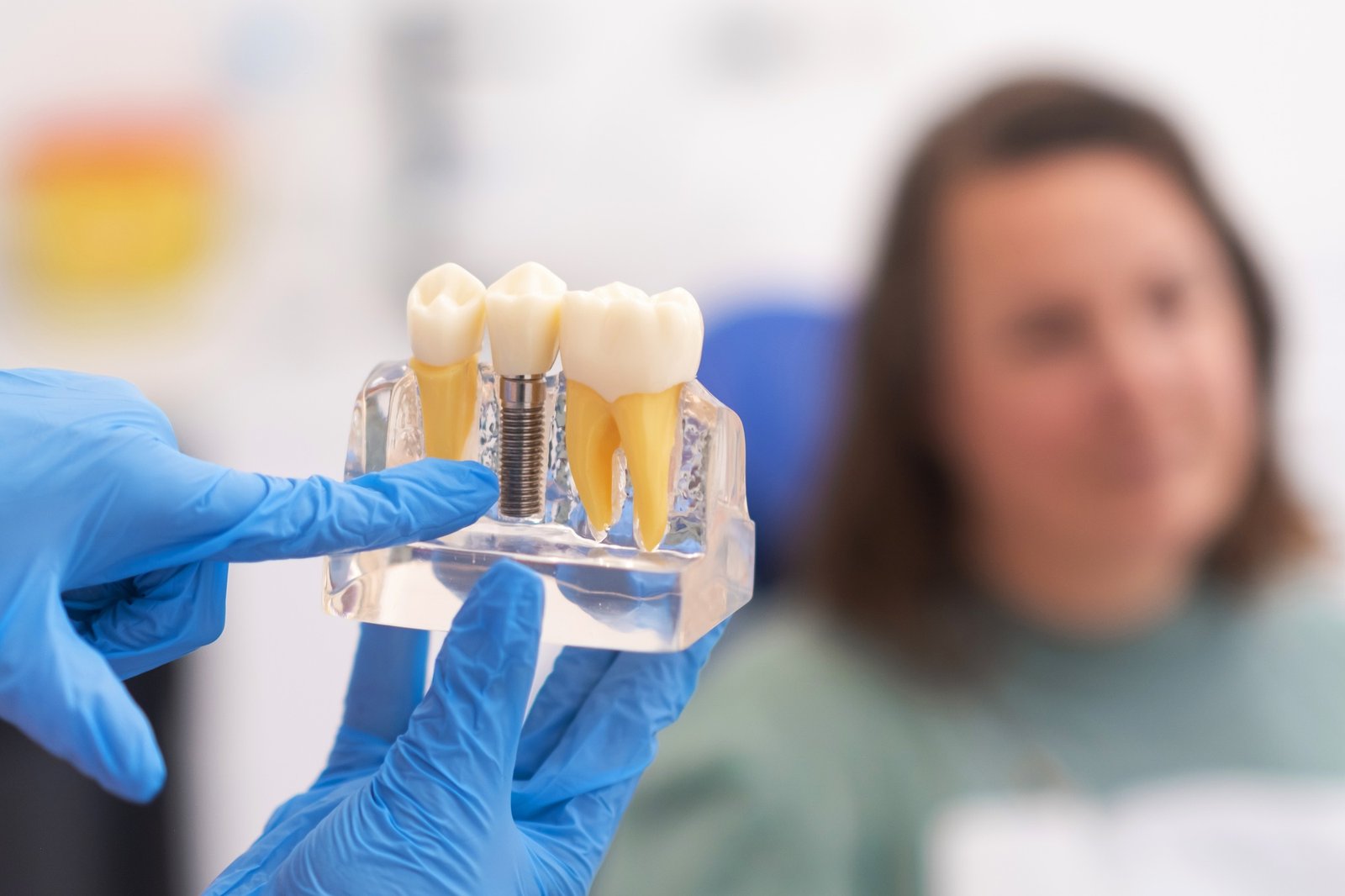
Restorations like crowns, bridges, and dental implants require meticulous cleaning. While the implant itself won’t decay, the surrounding gums and bone can still become infected, a condition known as peri-implantitis. Special floss designed for dental implants, such as superfloss or a water flosser, are excellent for cleaning around and under these prosthetics to ensure longevity.
The Role of Technology in Modern Dental Care
Modern dentistry is constantly evolving, and we use technology to enhance the expertise and precision of your care.
- Digital Scanners and AI: How new technology helps dentist provide better care.
At Burwood Diamond Dental, we use advanced tools like intraoral digital scanners to create highly accurate 3D models of your teeth without messy traditional impressions. This technology improves the accuracy of restorative work (like crowns) and orthodontic assessments. Furthermore, AI technology in dental care is starting to assist dentists in analyzing X-rays, helping to detect decay and bone loss earlier than ever before, ensuring you receive the highest quality and most timely dental care. - Dental X-Rays: Why they are a crucial part of your check-up.
X-rays allow your dentist to see what is hidden beneath the surface, decay between teeth, bone loss around roots, and developing issues like impacted wisdom teeth. They are an indispensable preventative dentistry tool that allows us to diagnose and address problems long before they cause you pain or severe damage.
Conclusion: Your Personalized Path to a Lifelong, Confident Smile
Achieving a healthy, confident smile is an ongoing journey that requires dedication to the fundamentals: consistent brushing, daily flossing, and a keen awareness of your diet. We are committed to helping the Burwood community achieve optimal oral health. Whether you need a comprehensive exam, restorative services like root canal treatment, or are interested in cosmetic treatments such as Veneers or Clear Aligners, our team is here to support you. We also offer Emergency Dentistry services for unexpected issues.
If you have questions about how to improve oral hygiene or are due for your next routine dental checkup, contact Burwood Diamond Dental today. Take the next step towards a brighter, more confident smile.