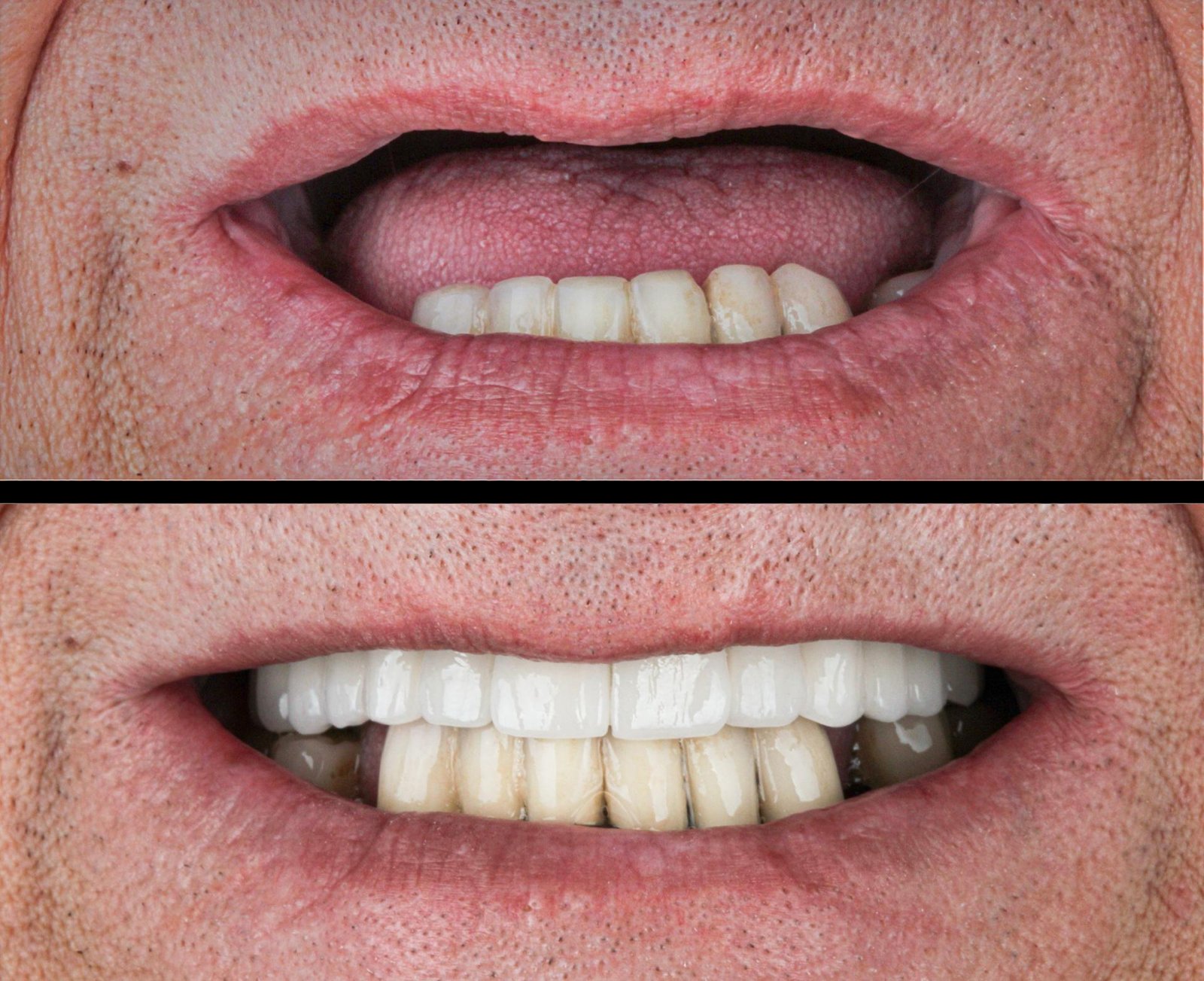
When it comes to replacing missing teeth, dental implants and dentures are among the most common options. Both solutions offer distinct benefits and challenges, which can make deciding between them a bit tricky. Are dental implants worth the investment, or are dentures a more practical choice for your needs? This guide will break down everything you need to know, from the procedure to the long-term maintenance costs, helping you make an informed decision about which treatment is best for you.
Understanding Dental Implants
What Are Dental Implants?
Dental implants are a modern and highly effective solution for replacing missing teeth, designed to provide a long-term, natural-looking replacement. They consist of three main components: the implant post, the abutment, and the crown. The implant post is a small titanium screw placed into the jawbone, serving as a replacement for the natural tooth root. This post serves as a stable foundation for the rest of the implant. The abutment is a connector that attaches the implant post to the crown, which is the visible part of the tooth.
The crown is custom-made to look and function like a natural tooth, blending seamlessly with the surrounding teeth. Once the implant post is placed in the jawbone, it undergoes a process called osseointegration, where it fuses with the bone over time. This ensures the implant becomes a permanent part of the mouth, providing stability and strength comparable to that of natural teeth.
Benefits of Dental Implants
There are several advantages to choosing dental implants over other options like dentures or bridges:
- Durability: Dental implants are designed to last a lifetime with proper care, making them a long-term investment in your oral health.
- Natural Look and Feel: Implants are custom-designed to match the appearance of your natural teeth, offering a seamless smile. They feel and function just like real teeth.
- Jawbone Preservation: Unlike dentures, which can lead to bone loss over time, dental implants help stimulate the jawbone, preventing further bone loss and preserving facial structure.
- Enhanced Comfort: Implants are fixed in place, which means they won’t shift or cause discomfort like removable dentures. They restore full chewing and speaking ability without the awkwardness often associated with dentures.
Could dental implants work for you? Book a quick consultation at Burwood Diamond Dental
Dental Implant Procedure: What to Expect
The dental implant process is a multi-step procedure that can take several months, but it offers significant benefits for long-term tooth replacement:
- Initial Consultation: Your dentist will assess your oral health, including the condition of your gums and jawbone. If necessary, a bone graft may be recommended to ensure sufficient bone mass for the implant.
- Implant Placement: The implant post is placed into the jawbone during a surgical procedure. The post is left to heal and integrate with the bone over several months.
- Abutment and Crown: Once the implant has fused with the bone, an abutment is placed, followed by a custom-made crown. The crown is designed to look and function just like your natural teeth.
After the procedure, regular follow-up appointments are essential to ensure the implant heals properly.
Potential Downsides of Dental Implants
While dental implants offer numerous benefits, there are some downsides to consider:
- Surgical Risks: As with any surgical procedure, there are risks, including infection, nerve damage, or implant failure.
- Longer Treatment Time: The process of getting dental implants takes several months, including time for healing between stages. This can be inconvenient for patients who need a faster solution.
- Not Suitable for Everyone: Some people may not have enough bone density to support implants, in which case a bone graft may be necessary. Additionally, individuals with certain health conditions may not be ideal candidates for surgery.
Despite these potential drawbacks, dental implants remain one of the most reliable and long-lasting options for tooth replacement.
Dental Implants Maintenance and Care
Maintaining dental implants is relatively simple:
- Daily Oral Hygiene: Brush and floss your implants just as you would your natural teeth. No special cleaning procedures are required, though you may need to use specific tools to clean around the abutment.
- Regular Checkups: It’s essential to visit your dentist every six months for routine checkups and professional cleanings. This helps to ensure that the implants are in good condition and functioning correctly.
- Avoid Hard Foods: While implants are durable, it’s still wise to avoid chewing on extremely hard foods or objects to protect the crown from damage.
With the proper care, dental implants can provide a lifetime of benefits, restoring both function and aesthetics to your smile.
Understanding Dentures
What Are Dentures?
Dentures are removable artificial teeth designed to replace missing teeth and restore the appearance of your smile. They are typically made from a combination of acrylic resin and metal, and they can be either full or partial, depending on how many teeth need to be replaced. Complete dentures replace an entire set of upper or lower teeth, while partial dentures fill gaps when some natural teeth remain.
Dentures can be fabricated to fit the shape of your mouth, ensuring a secure and comfortable fit.
Benefits of Dentures
Dentures have been a popular tooth replacement option for centuries and continue to be widely used due to their affordability and accessibility:
- Affordable: Dentures are generally less expensive than dental implants, making them a more accessible option for people on a budget.
- Quick Solution: Dentures can be made and fitted in a relatively short amount of time compared to implants, which require a more extended treatment period.
- Non-invasive: Unlike dental implants, dentures do not require surgery, which can be appealing to people who are hesitant about invasive procedures.
- Easy to Adjust: Dentures can be easily adjusted or replaced if they become damaged or if your mouth changes over time.
The Procedure for Getting Dentures
The process for getting dentures typically involves the following steps:
- Initial Consultation: Your dentist will assess your oral health and take impressions of your mouth to create a custom-fit set of dentures.
- Fitting: Your dentures will be fitted and adjusted to ensure a comfortable and secure fit. It may take a few appointments to perfect the fit.
- Regular Adjustments: Over time, your mouth may change due to bone loss or other factors, and your dentures may need to be adjusted or relined to maintain a proper fit.
While the fitting process is quicker than getting dental implants, dentures often require ongoing adjustments.
Potential Downsides of Dentures
While dentures are a viable option for many people, there are several downsides to consider:
- Discomfort and Irritation: Dentures may cause irritation or discomfort, especially in the early stages of wearing them. The fit can also shift over time, leading to sore spots or slippage.
- Bone Loss: Dentures do not provide the same bone-stimulating benefits as implants, which can result in jawbone loss over time.
- Maintenance: Dentures require regular cleaning and care to prevent buildup of plaque, stains, and odors. They also need to be removed at night and cleaned thoroughly.
- Speech and Eating Issues: Some people experience difficulty speaking or eating with dentures, especially if they don’t fit properly.
Despite these challenges, dentures remain a popular option due to their affordability and ease of use.
Dentures Maintenance and Care
Caring for dentures involves daily cleaning and occasional adjustments:
- Daily Cleaning: Dentures should be brushed daily using a soft-bristled brush and a cleanser specifically designed for dentures. This helps to prevent plaque buildup and stains.
- Soaking: Dentures should be soaked in a denture cleaning solution overnight to keep them moist and free of bacteria.
- Regular Checkups: Even though dentures are removable, regular dental visits are necessary to ensure their fit and condition.
With the proper care, dentures can provide a functional and aesthetic solution for missing teeth, though they may not offer the same level of permanence as dental implants.
Dental Implants vs. Dentures: A Comprehensive Comparison
Now that we’ve covered both dental implants and dentures, it’s time to compare the two options directly. Let’s look at some of the key factors that might influence your decision.
Which Is More Durable?
- Dental Implants: Implants are designed to last a lifetime with proper care, making them a long-term solution for tooth replacement.
- Dentures: Dentures typically last 5-10 years and will need to be replaced or adjusted over time as the shape of your mouth changes.
Which Is More Comfortable?
- Dental Implants: Implants feel and function like natural teeth, providing better comfort and stability compared to dentures.
- Dentures: Dentures can feel bulky and may cause irritation or discomfort, especially when they don’t fit well.
Which Is More Affordable?
- Dental Implants: Implants can be expensive initially, but they may be more cost-effective in the long run due to their durability.
- Dentures: Dentures are generally more affordable upfront, but ongoing maintenance and replacements can add up.
Impact on Facial Aesthetics: How Do They Affect Your Smile?
One of the most important factors when considering dental implants vs. dentures is how each option affects the overall appearance of your smile and facial structure.
- Dental Implants: Since dental implants are fixed directly into the jawbone, they mimic the function and appearance of natural teeth. This means that they provide both cosmetic and functional benefits. Implants help maintain the natural shape of your face by preventing bone loss and stimulating the jawbone, keeping it strong and healthy. Over time, this ensures that your face retains its natural contours, avoiding the sunken look that can occur with missing teeth.
- Dentures: On the other hand, dentures can have a less natural effect on facial aesthetics. While modern dentures are made to look lifelike and blend well with your natural teeth, they don’t address the issue of bone loss. Over time, as the jawbone shrinks due to lack of stimulation, dentures may cause a sunken appearance in the face, especially around the mouth. This can lead to a noticeable change in your facial profile.
Dental Implants vs. Dentures: Treatment Time and Healing Period
The time it takes to get your teeth replaced varies significantly between dental implants and dentures. Understanding the treatment timeline is essential in making your decision.
- Dental Implants: The process of getting dental implants is more involved and takes longer than dentures. It typically requires several months to complete because the implant must fuse with the jawbone (a process called osseointegration). After the initial consultation and implant placement, there is usually a 3 to 6 month waiting period for the implant to heal. Once the implant has successfully integrated with the bone, a crown can be placed on top. The total time from start to finish can range from 6 to 12 months, depending on the individual’s situation.
- Dentures: The process of getting dentures is much quicker. After your dentist takes impressions of your mouth, it usually takes a few weeks to fabricate your dentures. Once ready, they can be fitted into your mouth, and adjustments will be made for comfort. The fitting process is much quicker, and most people can expect to wear their new dentures within a few weeks of their initial consultation. However, you may need additional follow-up visits to make adjustments and ensure they fit correctly.
Dental Implants vs. Dentures: Maintenance and Long-Term Care
How much time and effort are required to maintain your new teeth? Both dental implants and dentures require regular care, but the level of maintenance and associated costs can differ.
- Dental Implants: Dental implants require maintenance similar to natural teeth. You will need to brush and floss them daily and visit your dentist for routine checkups. Implants are highly durable and rarely require extensive care, but it’s essential to keep your oral hygiene routine up to prevent infection around the implant. Most importantly, since implants are permanent, they require no replacements like dentures, which can add up in costs over time.
- Dentures: Dentures require daily cleaning with special brushes and cleansers. They need to be removed each night and soaked to keep them from drying out or becoming brittle. Additionally, dentures need to be relined or replaced every few years, especially as your jawbone changes shape. Over time, your dentures may lose their initial fit, and periodic adjustments will be required to maintain comfort. Denture wearers must also take extra care to avoid damaging the prosthetic teeth, especially while eating hard foods.
Dental Implants vs. Dentures: Cost Comparison
Cost is often one of the most critical factors when deciding between dental implants and dentures. Understanding the financial commitment of each option will help you make an informed decision.
- Dental Implants: The initial cost of dental implants is typically higher than that of dentures. Depending on factors such as the number of implants needed, location, and materials used, the cost of a single dental implant in Australia can range from $3,000 to $6,000. If you need multiple implants or a complete set, the price can increase significantly. However, due to their durability and longevity (often lasting a lifetime with proper care), implants may offer better value over the long term. In some cases, additional costs for bone grafts, sinus lifts, or other surgical procedures may be necessary, which could add to the total expense.
- Dentures: Dentures are typically much more affordable upfront. The cost for a complete set of dentures in Australia can range from $1,000 to $3,000, depending on whether they are full or partial, and the material used. While this is much lower than the cost of dental implants, dentures require periodic adjustments, relining, and eventual replacement, which can add up over time. You may also need to budget for any treatments for gum irritation or slippage.
| Feature | Dental Implants | Dentures |
| Initial Cost | $3,000 – $6,000 per implant (or higher for full sets) | $1,000 – $3,000 for full dentures |
| Longevity | Permanent (can last 20+ years or a lifetime with care) | 5-10 years, requires replacement over time |
| Procedure Time | 6-12 months (multiple stages and healing time) | 1-2 weeks (fitting and adjustment time) |
| Surgical Requirement | Yes, requires surgery to place the implant post | No surgery required |
| Comfort | Most comfortable, feels like natural teeth | Can cause discomfort, slippage, or irritation |
| Bone Preservation | Stimulates and preserves jawbone structure | No bone stimulation, can lead to bone loss |
| Maintenance | Regular brushing and flossing, no special care needed | Requires daily cleaning, soaking, and periodic adjustments |
| Risk of Complications | Low (after initial healing), but possible infection or implant failure | Higher risk of irritation, slippage, and bone loss over time |
| Appearance | Highly natural look and feel, no sunken appearance | May cause sunken appearance over time due to bone loss |
| Ease of Eating and Speaking | No issues, same as natural teeth | May cause difficulty with chewing or speaking |
| Impact on Facial Aesthetics | Preserves facial structure, maintains jawbone | May lead to facial changes over time due to bone loss |
Which option fits your life best? Schedule your free implants vs dentures assessment with Burwood Diamond Dental today.
Making the Right Choice: Dental Implants vs. Dentures
Choosing between dental implants and dentures depends on your specific needs, preferences, and budget. Here’s a quick summary to help guide your decision:
- Dental Implants may be the right choice if:
- You want a long-term, permanent solution.
- You’re willing to invest more initially for better durability.
- You prefer a more natural appearance and feel.
- You want to preserve your jawbone and facial structure.
- Dentures may be the right choice if:
- You need a more affordable solution upfront.
- You are looking for a quicker tooth replacement option.
- You don’t mind periodic replacements or adjustments.
- You are not a candidate for surgery or prefer a non-invasive option.
Both treatments have their benefits and limitations, so it’s essential to consider your lifestyle, oral health, and budget before making a final decision.
Conclusion: Which Option is Right for You?
Whether you choose dental implants or dentures, both options can significantly improve your quality of life by restoring your smile and functionality. It all comes down to your specific needs and preferences. If you’re unsure about which option is best for you, it’s essential to consult with an experienced dental professional who can provide personalised advice and help guide you through the decision-making process.
At Burwood Diamond Dental, we offer consultations to help you determine the most suitable treatment for your needs. Our team of experts is here to guide you through every step of the process, from initial assessment to aftercare. Whether you’re considering dental implants or dentures, we provide high-quality care with a patient-first approach.
Ready for your best smile yet? Contact Burwood Diamond Dental now and let’s find your ideal tooth replacement solution together.