Dental veneers are one of the most effective solutions to improve the appearance of your smile. Whether it’s for covering up discoloration, correcting chips, or enhancing tooth alignment, veneers are an excellent cosmetic option. However, if you’re considering veneers, you may be wondering: how long can veneers last? Most people want to avoid a situation where they have to replace their dental work every few years. The good news is that modern dental materials are stronger than ever, and when they are applied with the right techniques, they can last for over a decade. Understanding what makes a veneer stay strong and what causes it to fail helps you take care of your new teeth, so they remain bright and intact. At Burwood Diamond Dental, we focus on the clinical bond and the health of your gums to make sure your smile makeover stands the test of time, rather than just looking good for the first few months.
What Are Dental Veneers?
Dental veneers are thin shells of tooth-colored material, often made from porcelain or composite resin, that cover the front surface of your teeth. They are custom-made to fit your teeth perfectly and help address a variety of cosmetic dental issues. Veneers can correct problems like:
- Discoloration or staining that doesn’t respond to teeth whitening
- Chips or cracks in the teeth
- Gaps between teeth
- Minor misalignment or irregular tooth shape
Veneers offer a more natural, aesthetically pleasing appearance compared to other dental restorations, and they provide a durable, long-lasting solution for a brighter, more confident smile.
Types of Veneers and Their Lifespan
There are primarily two types of veneers available: porcelain veneers and composite veneers. Both offer distinct advantages, and their lifespan can differ based on the material.
Material Matters: Porcelain vs. Composite Lifespan
The type of material you choose is the biggest factor in determining the shelf-life of your new smile. In the dental world, we mainly work with two options: high-strength ceramic porcelain and tooth-colored composite resin. While both can create a beautiful result, their physical properties are very different. Porcelain is a glass-like substance that is incredibly hard and resistant to the daily wear and tear of chewing, while composite is a plastic-based material that is softer. Because of these structural differences, the time you get out of each varies significantly, making it important to weigh up the long-term costs versus the immediate price.
Porcelain Veneers
Porcelain is the gold standard for durability in cosmetic dentistry because it shares many of the same qualities as natural tooth enamel. These thin shells are crafted in a laboratory to be extremely tough and, perhaps most importantly, they are non-porous. This means that unlike your natural teeth, porcelain veneers will not pick up stains from coffee, red wine, or tobacco over the years. When bonded correctly to a healthy tooth, porcelain veneers typically last between 10 to 15 years, and it is not uncommon to see them last 20 years or more with excellent home care.
Composite Veneers
Composite veneers are often chosen because they can be finished in a single visit and cost less upfront than porcelain. However, the trade-off is a shorter lifespan, usually ranging from 5 to 7 years. Because composite is a resin, it is more prone to chipping if you bite into something hard, and it will slowly pick up stains over time just like a natural tooth. While they are a great way to fix minor issues, they usually require more frequent maintenance and polishing to keep them looking fresh, and they will likely need to be fully replaced much sooner than their porcelain counterparts.
Comparing Durability and Expected Life
When looking at your options, it helps to see the data side-by-side. While porcelain requires a larger initial spend, its longevity often makes it the more affordable choice over a twenty-year period.
| Feature | Porcelain Veneers | Composite Veneers |
| Average Lifespan | 10–15+ Years | 5–7 Years |
| Stain Resistance | High (Will not stain) | Moderate (Can discolour) |
| Repairability | Must be replaced if cracked | Can often be patched/repaired |
| Strength | Very High (Similar to enamel) | Moderate (Prone to chipping) |
Clinical Factors That Influence Veneer Longevity
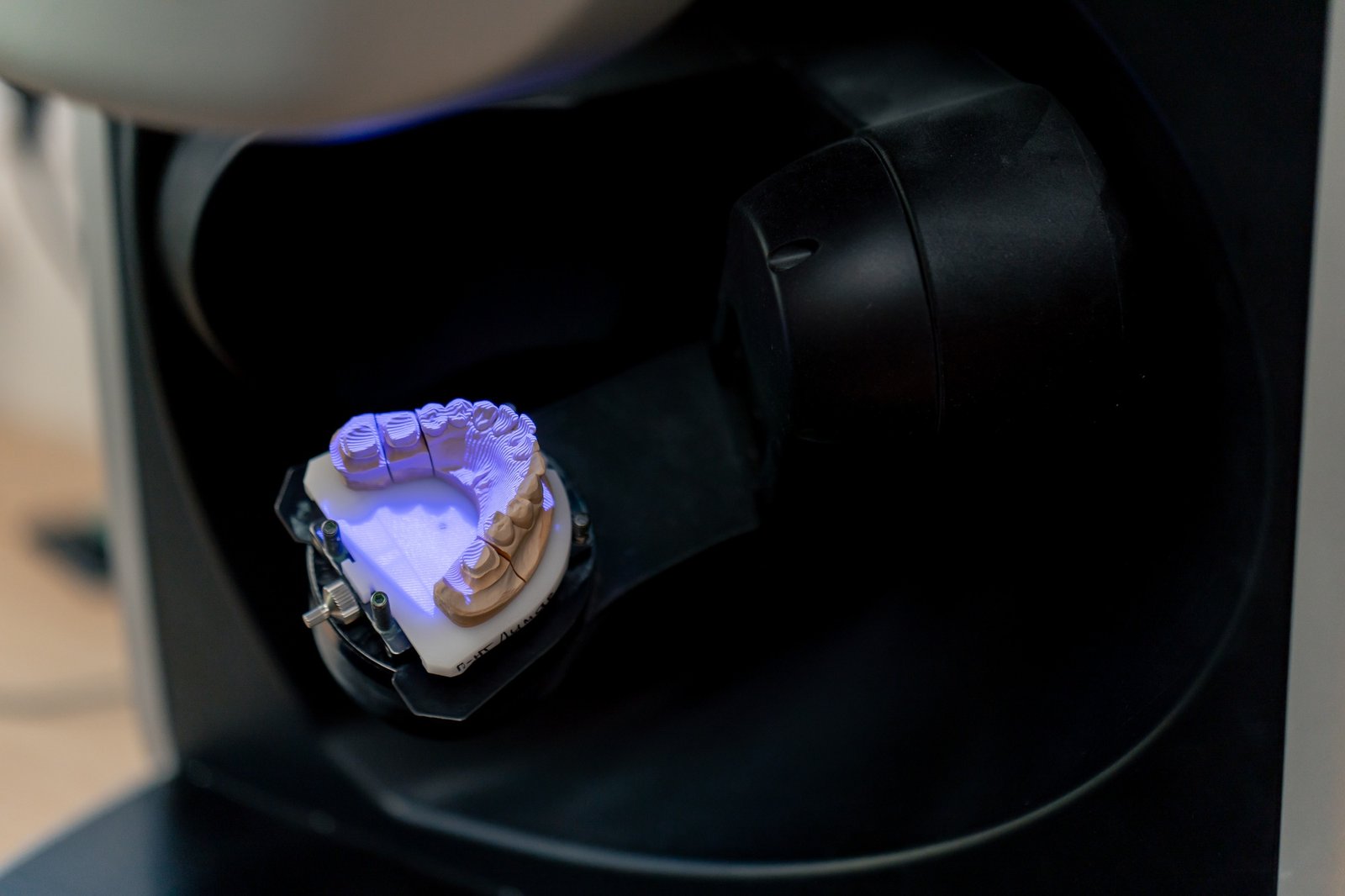
Even the best material will not last if the clinical work behind it is subpar. The longevity of your veneers depends heavily on the skill of your dentist and the technology used during the fitting process. At Burwood Diamond Dental, we use digital scanners to get a perfect map of your mouth, which allows for a flush fit between the veneer and your natural tooth. If there is even a tiny gap at the edge of the veneer, bacteria can seep underneath, causing a cavity that destroys the foundation of your smile from the inside out.
The Quality of the Initial Bond
The “glue” that holds the veneer to your tooth is actually a complex series of chemical bonding agents that fuse the ceramic to your enamel. For this bond to be permanent, the tooth must be kept perfectly dry and clean during the procedure. A strong bond prevents the veneer from popping off and seals the tooth against decay. Using advanced bonding techniques ensures that the veneer becomes a physical part of the tooth, allowing it to handle the immense pressure of your bite without shifting or loosening over time.
Gum Health and Recession
Your veneers are only as stable as the gums that surround them. If you develop gum disease, your gum line will start to pull away or “recede” from the tooth. This exposes the margin, the place where the veneer meets the natural tooth, leaving a visible ledge that looks dark and is very hard to keep clean. Once a recession happens, the veneer often needs to be replaced for aesthetic reasons, even if the porcelain itself is still in perfect condition. This is why we emphasise regular check-ups in Burwood to catch any signs of gingivitis before they affect your dental work. It is vital to monitor for early signs of gum disease, as receding gums can expose the edges of your veneers and compromise their appearance.
Occlusion and Bite Alignment
How your top and bottom teeth meet when you chew is called your “occlusion,” and it is a major factor in veneer survival. If your bite is slightly off, you might be putting thousands of pounds of extra pressure on one specific corner of a veneer every time you eat. Over a few years, this repeated stress causes “ceramic fatigue,” leading to cracks or the veneer snapping off entirely. Before we place any veneers, our team checks your bite alignment to ensure the forces are spread evenly, which protects your porcelain shells from unnecessary mechanical strain.
The 5 Major Enemies of Your Veneers
Even with the highest quality porcelain and a perfect clinical bond, the way you use your mouth every day determines if your veneers last five years or twenty. While dental ceramic is incredibly hard, it is also brittle, meaning it cannot flex under pressure like a natural tooth. Certain habits create “stress points” that can cause the material to shatter or pull away from the tooth surface. Identifying these risks early allows you to change your habits and avoid the cost of premature replacements. At Burwood Diamond Dental, we educate our patients on these common pitfalls so they can enjoy their transformation without constant worry.
1. Bruxism (Teeth Grinding)
Teeth grinding and clenching, often caused by stress, is the leading cause of broken veneers. When you grind your teeth at night, you apply forces that are much stronger than anything used during normal chewing. This side-to-side grinding creates a shearing force that can snap porcelain like a piece of glass. If you wake up with a sore jaw or a headache, you may be a “bruxer.” To protect your investment, we often recommend a custom-fitted nightguard that acts as a cushion, ensuring your veneers never make direct, high-pressure contact with your other teeth while you sleep.
2. Poor Oral Hygiene
It is a myth that because a veneer is made of porcelain, the tooth underneath is “immune” to decay. The reality is that the natural tooth structure at the back and the gum line is still vulnerable to plaque and tartar. If you do not brush and floss effectively, cavities can form at the edges of the veneer. Once decay starts under the porcelain, the bond fails, and the entire veneer must be removed to fix the cavity. Consistent hygiene is the only way to keep the foundation of your smile solid and disease-free.If decay reaches the center of the tooth beneath your restoration, you may require a root canal to save the tooth structure.
3. Physical Trauma and “Hard” Habits
While porcelain is tough, it is not indestructible. Using your teeth as “tools”, such as opening plastic packaging, biting your fingernails, or chewing on the end of a pen, puts immense localised pressure on the thin edges of the veneer. Similarly, biting directly into very hard foods like ice, popcorn kernels, or hard candy can cause a “stress fracture” in the ceramic. For our active patients in Burwood who play contact sports, a professional mouthguard is an absolute necessity to prevent a single accidental bump from shattering your new smile.
4. Staining Agents and Bonding Resin
Although the porcelain itself is stain-resistant, the resin used to bond the veneer to your tooth is not. Over time, heavy consumption of coffee, black tea, or red wine can cause the very edges of the veneer to darken as the bonding agent picks up pigments. Additionally, smoking is one of the quickest ways to ruin the appearance of a smile makeover. While a dentist can sometimes polish these edges, significant staining usually indicates that the seal is starting to age, which might eventually lead to the need for a full replacement to restore the bright look.
How to Extend the Life of Your Veneers: Expert Maintenance Tips
Extending the lifespan of your veneers is about being proactive rather than reactive. By following a specific care routine, you can keep the porcelain looking as polished and bright as the day it was fitted. It doesn’t require a lot of extra time, but it does require using the right products and staying consistent with your professional visits. We view veneer care as a partnership between our clinical team and your daily habits at home. Developing a hygienic dental care routine specifically for cosmetic work will prevent the buildup of plaque that leads to bond failure.
Professional Care at Burwood Diamond Dental
Regular professional cleanings are different when you have veneers. Our hygienists use specialised, non-abrasive polishing pastes and tools that clean the porcelain without scratching the surface. Standard “gritty” tooth polishing can actually create microscopic scratches on the porcelain that make it easier for plaque to stick. During your six-monthly check-ups, we also check the integrity of the margins to ensure the bond is still watertight, catching any minor issues before they turn into expensive repairs. Maintaining a consistent schedule for your dental checkups is the most effective way to ensure the margins of your veneers remain sealed and healthy.
Choosing the Right Home Care Tools
Not all toothpastes are created equal when it comes to cosmetic dental work. Many “whitening” toothpastes contain harsh abrasives like baking soda or silica that are designed to scrub away surface stains on natural teeth. On porcelain, these abrasives can dull the high-gloss finish over time. We recommend using a gentle, non-abrasive fluoride toothpaste and a soft-bristled manual or electric toothbrush. Flossing is also vital; however, you should avoid “snapping” the floss up into the gum, as this can irritate the tissue and lead to recession.
Signs It’s Time to Replace Your Veneers
Even with the best care, veneers are not permanent medical devices; they will eventually reach the end of their functional life. Recognising the early signs of failure can prevent dental emergencies and allow for a planned replacement. Often, the porcelain itself remains intact, but the biological environment around it changes. At Burwood Diamond Dental, we monitor these changes during your routine visits to ensure that your smile remains both beautiful and healthy.
- Visible Chips or Cracks: Small hairline fractures can grow over time, compromising the structural integrity of the shell.
- Gaps at the Gum Line: If your gums recede, a dark line may appear where the veneer meets the tooth root, which is often a sign that the seal is compromised.
- The Veneer Feels “Loose”: Any movement or “clicking” when you bite down indicates the bonding agent has failed.
- Underlying Decay: If the natural tooth behind the veneer develops a cavity, the veneer must be removed to treat the infection.
- Persistent Staining at the Edges: When the bonding resin darkens significantly, it can create a frame of discoloration around your teeth that cannot be brushed away.
FAQs
Do veneers ruin your natural teeth underneath?
No. While we do remove a very thin layer of enamel (about 0.5mm) to ensure the veneer sits flush, the process is designed to protect the tooth. The veneer actually acts as a new, stronger “enamel” layer.
Can you repair a chipped veneer?
Composite veneers can usually be patched or repaired in the chair. However, if a porcelain veneer chips or cracks, the entire shell generally needs to be replaced to ensure the strength and color match are perfect.
Are veneers permanent?
The procedure is considered irreversible because the enamel is altered. You will always need a restoration on that tooth to protect it.
What happens if a veneer falls off?
If a veneer pops off cleanly, keep it safe and call us immediately. In many cases, if the tooth is healthy and the porcelain is unbroken, we can re-bond it. Do not try to glue it back yourself with over-the-counter products.
Why Choose Burwood Diamond Dental for Your Smile Transformation?
The success of your veneers starts long before the bonding process. It begins with a comprehensive analysis of your facial structure, bite, and oral health. Our team, Drs Khoshamadi, Gomez, and Ramon, uses published expertise and modern digital technology to plan restorations that look natural and function perfectly. We focus on “reasonable options,” ensuring that we preserve as much of your natural tooth as possible. By choosing a clinic in the Inner West that prioritises long-term relationships over “rushed” appointments, you ensure that your veneers are supported by a team that knows your dental history inside and out.
Conclusion: Maximising the Return on Your New Smile
How long your veneers last is a partnership between the skill of your dentist and your commitment to daily care. While porcelain offers the best durability and stain resistance, your habits, like wearing a nightguard and maintaining regular check-ups, are what truly extend the clock. At Burwood Diamond Dental, we don’t just want to give you a new smile; we want to give you a smile that lasts for decades. By understanding the materials and respecting the limits of dental ceramics, you can enjoy a bright, confident appearance for a very long time.