Dental implants are a game-changer for many people looking to replace missing or severely damaged teeth. However, one of the most critical questions on patients’ minds is: How long do dental implants last? The short answer is that dental implants can last a lifetime with proper care, but the reality is a bit more nuanced. In this guide, we will explore the lifespan of dental implants, the factors that influence their durability, and the best practices for maintenance to ensure your implants stay functional for as long as possible.
Dental Implant Anatomy and Longevity Breakdown
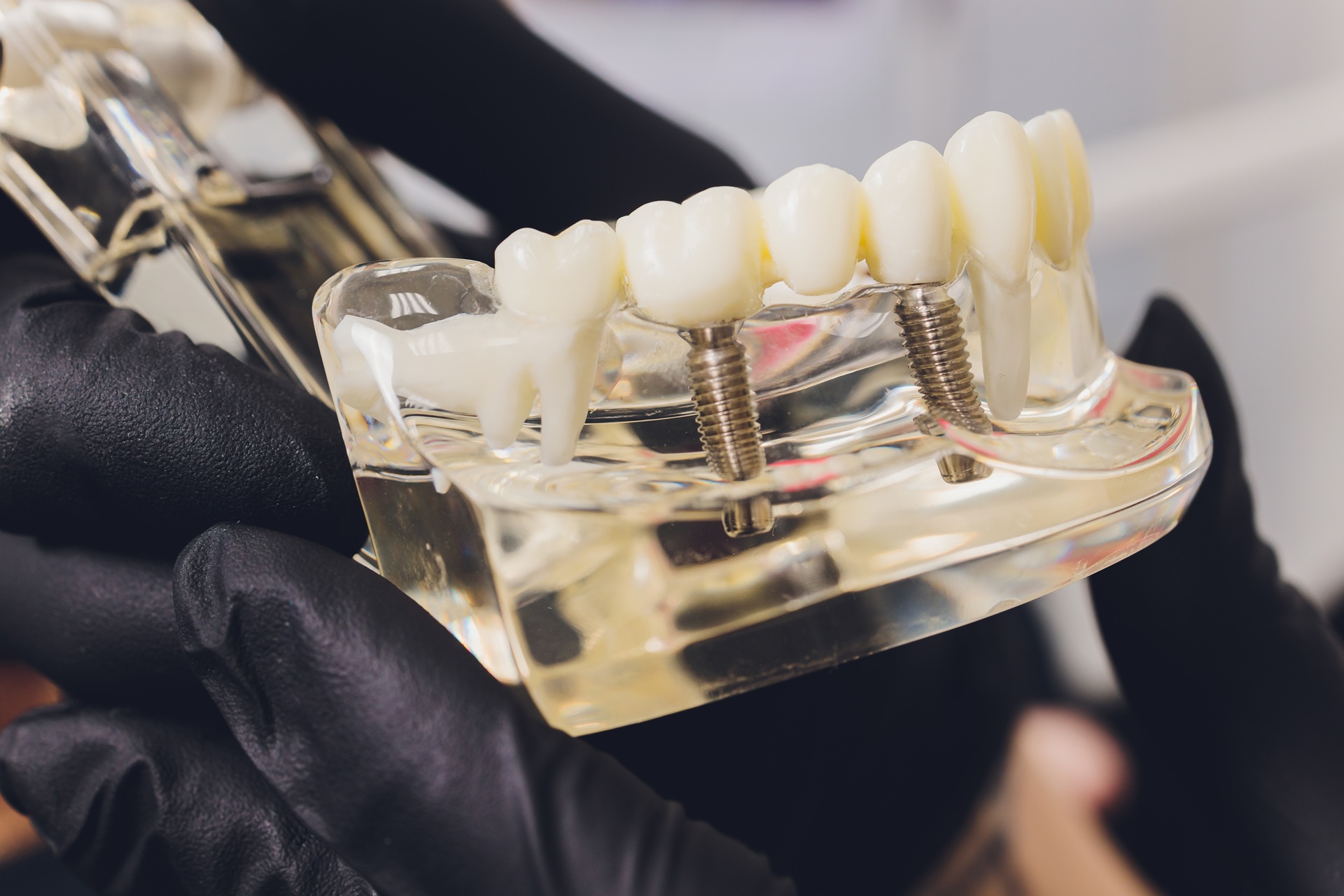
Dental implants are composed of three main components: the implant post, the abutment, and the crown. Understanding the lifespan of each part is key to understanding how long dental implants last.
Titanium/Zirconia Post (Fixture)
The implant post, usually made of titanium or zirconia, serves as the anchor that fuses with your jawbone through a process called osseointegration. This part of the implant typically lasts 20 to 30 years, and in some cases, it can last a lifetime. Studies show survival rates of 95-97% after 10 years and 80-90% after 20 years.
The material itself plays a significant role in the post’s longevity. Titanium, the most commonly used material for implants, is highly durable and integrates well with the bone. Zirconia, a newer option, is gaining popularity because it’s a good choice for patients with metal sensitivities or allergies. However, it may not have the same long-term success rates as titanium.
Abutment and Crown
The abutment is the connector between the implant post and the crown (the visible tooth part). This piece generally doesn’t need replacement unless it’s damaged or there are issues with the implant. The crown, on the other hand, is subject to wear and tear. Crowns are typically made from porcelain or ceramic and generally last 10-15 years before they need to be replaced.
While the post can last a lifetime, the crown will eventually need replacement because of normal wear, staining, or fractures. However, replacing the crown does not affect the longevity of the titanium post.
Full-Mouth Restorations (All-on-4)
Full-mouth restorations, like the All-on-4 procedure, involve placing multiple implants to support a full set of teeth. The implant posts in All-on-4 systems tend to have the same long lifespan as single implants, but the prosthetics (the complete set of teeth) tend to wear out faster. These prosthetics often need to be replaced every 5-10 years, depending on the materials used and the patient’s habits.
Proven Survival Rates from Long-Term Studies
Understanding the longevity of dental implants isn’t just about averages; it’s also about seeing the success rates in real-world studies. Various studies have assessed the survival rates of dental implants over long periods. Here’s a breakdown of survival rates based on clinical research.
Dental Implant Survival Rates Over Time
| Timeframe | Implant Post Survival | Crown Survival | Key Study Notes |
| 3 Years | 95-98.9% | 86-90% | Early failures are rare (~2%) |
| 10 Years | 95-97% | 89.5% | Pooled meta-analysis data |
| 20 Years | 80-92% | 73-80% | The majority are still functional (~4/5 implants) |
| 30+ Years | 90-100% (select cases) | 60-70% | Long-term studies show exceptional durability |
These survival rates highlight that implant posts have an impressively high success rate over long periods. However, the crown tends to wear out over time, which is why replacing it every 10-15 years is essential to maintaining the aesthetics and functionality of your dental implant. At Burwood Diamond Dental, we offer dental implant services. From initial consultations to ongoing maintenance, our team is dedicated to ensuring that your implants last as long as possible.
Top Factors Influencing Dental Implant Lifespan
The lifespan of dental implants is not just about the quality of the materials. Various factors can affect how long your implants last. These can be patient-related, clinical characteristics, or external influences such as lifestyle choices.
Patient-Related Factors
- Oral Hygiene: Maintaining good oral hygiene is one of the most critical factors in ensuring the longevity of your implants. Poor hygiene can lead to peri-implantitis, an infection around the implant, which can cause the implant to fail.
- Lifestyle Habits: Smoking significantly increases the risk of implant failure by reducing blood flow, impairing healing, and increasing the risk of infection. If you smoke, quitting can extend the life of your implants by 10-20%.
- Bruxism (Teeth Grinding): Grinding or clenching your teeth can put excessive pressure on implants, leading to wear on both the implant and the crown. If you grind your teeth, wearing a night guard can help protect your implants and prevent damage.
- Medical Conditions: Conditions such as diabetes, osteoporosis, or gum disease can affect your body’s ability to heal and integrate the implant properly. It’s crucial to work with your dentist to manage these conditions before and after implant placement.
Clinical Factors
- Bone Quality and Density: The success of an implant depends on how well it integrates with the bone. Healthy, dense bone provides a strong foundation for the implant. For patients with low bone density, procedures like bone grafts may be necessary to improve the chances of success.
- Placement Technique: The timing and technique of placing the implant also influence longevity. Immediate placement (placing the implant right after a tooth extraction) may carry more risks than delayed placement, but with proper care and good technique, both can be successful.
- Surgeon Expertise: Choosing an experienced implant dentist is crucial. An expert surgeon can ensure that the implant is placed correctly, maximizing its chances for long-term success.
Material and Design
- Titanium vs. Zirconia: Titanium is the most commonly used material due to its strength and compatibility with the bone. However, zirconia implants are becoming more popular because they are metal-free, which may be beneficial for patients with allergies. However, titanium still offers superior longevity.
- Surface Treatments: Modern surface treatments can improve the implant’s integration with bone, further enhancing its durability.
Daily Maintenance for Maximum Implant Longevity
While dental implants are designed to be durable, their longevity depends heavily on how well you maintain them. Proper daily maintenance is essential for ensuring your implants last as long as possible.
Brushing and Flossing
You should brush your implants twice a day, just like natural teeth. Using a soft-bristled toothbrush and non-abrasive toothpaste is essential to avoid scratching the surface of your implants. It’s also important to floss around your implants using implant-specific flossers or a water flosser to remove food particles and plaque buildup.
Professional Cleanings
Even if you take excellent care of your implants at home, it’s essential to see your dentist for professional cleanings every 6-12 months. These cleanings remove any tartar buildup that can contribute to peri-implantitis and other complications. Your dentist will also monitor the health of the implant and surrounding tissues.
Avoid Hard Foods and Night Guards for Bruxism
If you tend to grind your teeth, wearing a night guard is crucial to protect your implants. Additionally, avoid hard foods that can damage the crown or put unnecessary stress on the implant.
Early Warning Signs of Implant Failure
While dental implants are highly durable, it’s important to recognize when something might be wrong. Here are some signs that your implant may be failing:
- Loose Crown or Abutment: If your crown or abutment becomes loose, it may indicate that the implant is not adequately integrated into the bone.
- Pain or Swelling: If you experience persistent pain, swelling, or tenderness around the implant, it may indicate an infection or other complications.
- Gum Recession: A significant recession of the gum tissue around the implant could expose the metal post, leading to potential issues.
- Bad Taste or Odor: A bad taste or odor could be a sign of peri-implantitis, an infection around the implant.
Dental Implants vs. Bridges and Dentures: Lifespan Comparison
When considering tooth replacement options, many people often wonder how dental implants compare to dentures and bridges in terms of lifespan and overall effectiveness. Here’s a detailed comparison of these options to help you understand the long-term benefits of dental implants over other traditional alternatives.
| Option | Lifespan | Bone Preservation | Maintenance | Cost Over Time |
| Implants | 25+ years | Excellent | Like natural teeth | Lower long-term due to durability |
| Bridges | 5-15 years | Poor | Special flossing needed | Higher (adjacent tooth damage) |
| Dentures | 5-10 years | None | Daily soaking and relining | Highest (frequent relines/replacements) |
Technological Advances Boosting Implant Durability
Advancements in dental technology have significantly improved the longevity and success rates of dental implants. Innovations in materials, placement techniques, and monitoring systems have made modern implants more durable and reliable than ever before.
Nano-Surface Coatings
Recent developments in nanosurface coatings for implants have enhanced their ability to bond to bone, improving the rate of osseointegration. These coatings help implants fuse more effectively with the jawbone, leading to a higher success rate and longer-lasting results.
3D-Guided Surgery
Using 3D imaging and computer-guided surgery, dental professionals can now place implants with exceptional precision. This technology allows for optimal positioning, reducing the risk of complications and improving the overall success rate of the procedure. These tools also enable more efficient healing, contributing to the implant’s long-term durability.
AI and X-Ray Monitoring
AI-powered X-ray systems can now monitor implants over time, identifying potential issues early on. This proactive approach can prevent complications such as implant failure and infection, ensuring your implants stay healthy for years to come. Regular monitoring with these advanced systems helps detect problems at an early stage, making interventions less invasive and more successful.
Cost-Benefit: Is Long Implant Lifespan Worth the Investment?
When considering dental implants, cost is a significant factor. Initially, implants are more expensive than bridges or dentures, but the long-term benefits outweigh the higher upfront costs. The initial cost of a dental implant typically ranges from $3,000 to $5,000 per implant, depending on factors like location, surgeon expertise, and material choice. While this price may seem high compared to bridges or dentures, it’s important to consider the long-term benefits.
Cost Over Time
- Implants: The cost of implants is a one-time investment that can last 25 years or more. Because implants preserve the jawbone and require fewer replacements, the long-term cost is lower than that of bridges or dentures.
- Bridges and Dentures: Bridges and dentures often need to be replaced every 5-10 years, which means you could end up spending more on replacements, adjustments, and maintenance over time.
FAQs
How long do dental implant posts vs. crowns last?
Implant posts can last 25 years or more, while crowns typically need replacement every 10-15 years.
What is the 10-year survival rate for dental implants?
The survival rate for dental implants after 10 years is around 95-97% for the post and 89.5% for the crown.
Do dental implants last longer than bridges or dentures?
Yes, dental implants can last 25+ years compared to 5-15 years for bridges and 5-10 years for dentures.
Can smoking or diabetes shorten implant lifespan?
Smoking and uncontrolled diabetes significantly increase the risk of implant failure by impairing healing and increasing infection risk.
How to prevent peri-implantitis for lifelong implants?
Maintain excellent oral hygiene, avoid smoking, and see your dentist regularly for cleanings and check-ups to prevent peri-implantitis.
When should I replace my dental implant crown?
You should consider replacing your dental implant crown when it shows signs of wear, cracks, or staining, typically every 10-15 years.
Conclusion: Maximizing the Lifespan of Your Dental Implants
Dental implants are an excellent, long-term solution for replacing missing teeth, offering both durability and functionality that traditional alternatives, like dentures and bridges, cannot match. With the proper care, dental implants can last a lifetime, especially the titanium posts. However, the crowns that sit on top of the posts may need to be replaced after 10-15 years due to wear and tear.
The key to maximizing the lifespan of your dental implants lies in proper maintenance. Regular brushing, flossing, professional cleanings, and avoiding harmful habits, such as smoking or grinding your teeth, are essential for extending the life of your implants. Additionally, choosing a skilled implant dentist at Burwood Diamond Dental, who uses modern technology and provides thorough aftercare, can significantly increase the success rate of your implant.
Contact us today to schedule a consultation and take the first step toward a healthier, more confident smile!