Dental anxiety can make even a simple check-up feel hard to book. You may know that your teeth need care, but the thought of sitting in the dental chair, hearing dental tools, feeling pain, or being told you need treatment can create real stress. For some people, the fear starts days before the appointment. For …


Dental anxiety can make even a simple check-up feel hard to book. You may know that your teeth need care, but the thought of sitting in the dental chair, hearing dental tools, feeling pain, or being told you need treatment can create real stress. For some people, the fear starts days before the appointment. For others, it appears as soon as they enter the dental practice. The good news is that dental anxiety can be managed step by step. You do not have to force yourself through treatment in silence, and you do not have to wait until tooth pain becomes a dental emergency before asking for help.
If you are a nervous dental patient in Burwood, the first step can be simple: start with a calm conversation or a general dental check-up. At Burwood Diamond Dental, patients can discuss their concerns before treatment begins, ask questions, and understand what may happen during the appointment. This can help reduce uncertainty and make dental care feel more manageable. Whether your fear is linked with pain, needles, dental equipment sounds, embarrassment about your teeth, or a past negative dental experience, there are practical ways to feel more in control.
What Is Dental Anxiety?
Dental anxiety is nervousness, fear, or stress linked with dental care. It can happen before the appointment, in the waiting room, during examination, or while discussing treatment. Some people feel mild worry but can still attend. Others feel intense fear, panic symptoms, or a strong urge to cancel. Dental anxiety can affect people of all ages, including children, teens, adults, and older patients.
This anxiety can be linked with many things: fear of pain, fear of needles, dental drill sounds, feeling out of control, embarrassment about teeth, cost worries, or a past bad dental experience. It can also be connected with general anxiety, panic attacks, claustrophobia, trauma history, or health anxiety. The fear is real, even if another person does not understand it. Recognising dental anxiety is the first step to managing it.
Dental Anxiety vs Dental Fear vs Dental Phobia
Dental anxiety, dental fear, and dental phobia are related, but they are not exactly the same. Dental anxiety is usually nervousness or worry before or during dental care. Dental fear is often stronger and may be linked with a specific trigger, such as needles, drilling sounds, dental tools, or pain. Dental phobia is more severe and can lead to long-term avoidance, missed appointments, panic attacks, and untreated dental problems.
| Term | Simple Meaning | What It May Look Like |
| Dental anxiety | Nervousness before or during dental care | Worry, restlessness, racing thoughts, tense muscles |
| Dental fear | Strong fear of a specific dental trigger | Fear of pain, needles, dental tools, drill sounds |
| Dental phobia | Severe fear that leads to avoidance | Panic, missed visits, avoiding the dentist for years |
Understanding the difference helps patients choose the right support. A patient with mild anxiety may need clear communication, breaks, and reassurance. A patient with severe dental phobia may need staged care, sedation discussion, or support from a GP, psychologist, counsellor, or specialist dental service.
Why Nervous Patients Should Not Feel Embarrassed
Many nervous patients feel ashamed before they even sit in the chair. They may worry that the dentist will judge their teeth, ask why they waited so long, or make them feel guilty about missed check-ups. This fear can stop people from booking care, even when they have tooth pain, gum bleeding, broken teeth, or visible dental concerns. The result is often more anxiety, because the longer care is delayed, the harder the first appointment feels.
A dental team sees anxious patients often. Fear of the dentist, embarrassment, gagging concerns, panic symptoms, and past bad experiences are all valid reasons to ask for extra support. You can say something simple, such as, “I feel nervous about dental treatment,” or “I have avoided the dentist for a long time because of anxiety.” This gives the team a chance to slow the pace, explain the process, and help you feel more comfortable.
Why Early Support Matters
Early support matters because dental anxiety can create a cycle. A person feels anxious, avoids the dentist, then small problems such as tooth decay, gum inflammation, sensitivity, or damaged fillings can become worse. When pain or swelling appears, the person may need urgent dental care, which can make the experience feel more stressful. This can strengthen the fear and make future visits even harder.
Breaking the cycle often starts with a simple check-up, not major treatment. A routine visit can help identify problems early, explain options clearly, and give the patient time to make decisions. For nervous patients in Burwood, booking a general dental check-up at Burwood Diamond Dental can be a practical first step if anxiety has delayed care. The aim is to understand your oral health, not to rush you into treatment before you feel ready.
Common Triggers Behind Fear of the Dentist
Fear of the dentist can come from one trigger or several triggers working together. Some people fear pain, while others fear the sound of dental equipment, the smell of dental materials, or the feeling of lying back in the dental chair. Some patients feel anxious because they do not know what will happen next. Others worry about costs, treatment plans, or being told they need more dental work than expected.
Knowing your trigger helps you explain your anxiety clearly. If you know that needles worry you, the dentist can talk about numbing options. If dental sounds bother you, headphones may help. If you feel out of control, a stop signal and step-by-step explanation can make the appointment easier. Below are the most common reasons nervous dental patients feel anxious.
Past Negative Dental Experience
A past negative dental experience is one of the strongest causes of dental anxiety. This may include painful treatment, feeling rushed, not being listened to, having a difficult childhood dental visit, or feeling that a dentist continued when you needed a break. Even one bad appointment can create fear that lasts for years.
Patients with this type of anxiety often worry that the same thing will happen again. They may sit in the chair already expecting pain or panic. The best way to begin is to tell the new dental team what happened before and what would help this time. Clear communication, slower pacing, breaks, and consent before each step can help rebuild trust.
Fear of Pain, Needles, or Dental Procedures
Fear of pain is a common reason people avoid dental care. Some patients worry that treatment will hurt, that local anaesthetic will not work properly, or that they will feel trapped if something becomes uncomfortable. Fear of needles can also be strong, especially for patients who dislike injections, numbness, or the feeling of dental anaesthetic.
This fear should be discussed before treatment starts. You can ask how discomfort will be managed, whether numbing gel may be suitable, how the dentist checks that the tooth is numb, and what to do if you feel anything during treatment. Knowing that you can pause and speak up can reduce the fear of being stuck in pain.
Dental Equipment Sounds, Smells, and Sensory Triggers
Dental equipment sounds can trigger anxiety even before treatment begins. The hum of dental tools, suction sounds, water spray, bright lights, gloves, masks, and dental material smells can all create stress for sensitive patients. Some people know logically that they are safe, but their body still reacts with tension, racing heart, or panic.
Sensory triggers can often be managed with simple steps. Headphones, music, podcasts, audiobooks, a stress ball, tinted glasses, or short breaks may help. Some patients prefer to know when a sound is coming, while others prefer less detail. The dental team can adjust communication if you explain what helps you feel calmer.
Feeling Out of Control in the Dental Chair
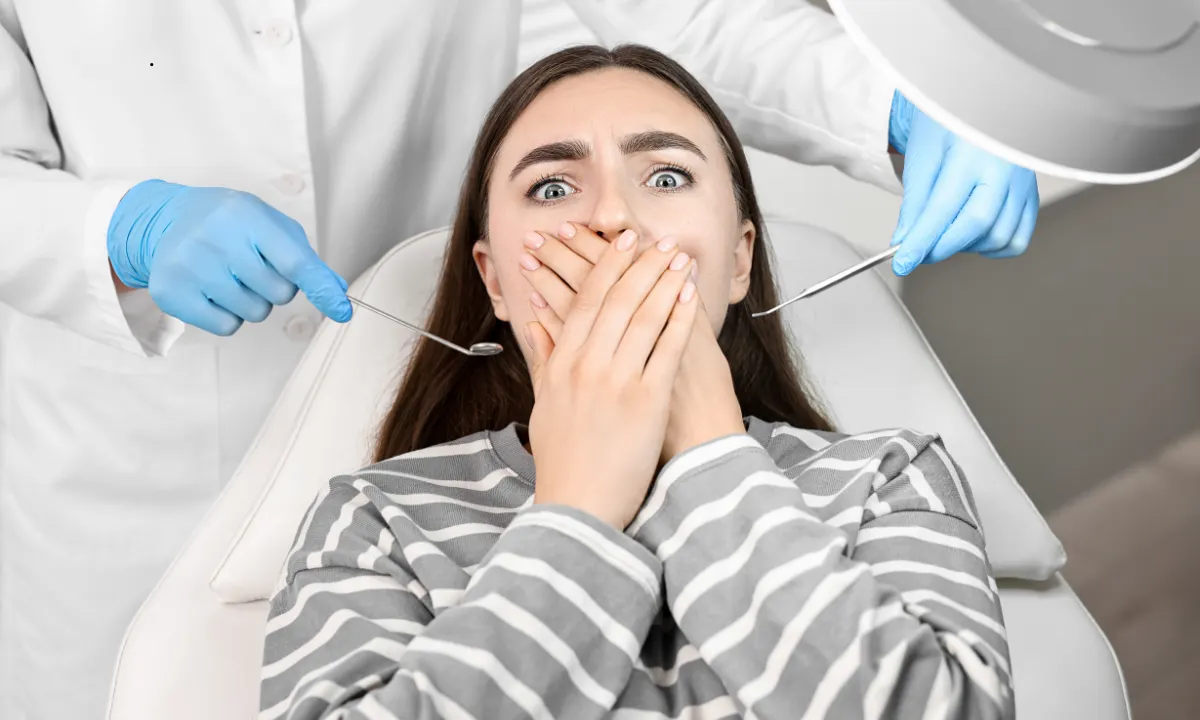
Many nervous patients dislike the feeling of lying back with their mouth open while someone works close to their face. It can feel hard to speak, swallow, or ask questions. This can create a sense of being trapped, especially for people who already struggle with panic, claustrophobia, personal space concerns, or past trauma.
A stop signal is one of the easiest ways to restore control. Before treatment begins, agree that raising your hand means the dentist will pause. You can also ask for short breaks, step-by-step explanations, or time to sit up between stages. Feeling in control can make a major difference for nervous dental patients.
Embarrassment About Teeth or Missed Dental Care
Embarrassment is a major reason people delay dental care. A patient may worry about tooth decay, stained teeth, bad breath, missing teeth, gum disease, broken fillings, or not having seen a dentist for years. This can make booking feel stressful because the person expects judgement before the appointment even starts.
Dental care should focus on solutions, not shame. If you are embarrassed, you can say, “I am nervous because I have not been for a long time,” or “I feel embarrassed about my teeth.” A supportive dental team can start with an examination, explain what is happening, and help plan care in steps. Avoiding care because of embarrassment often makes the worry grow, while a calm first visit can make the situation feel more manageable.
Worry About Costs, Treatment Plans, or Bad News
Some patients fear the dentist because they worry about cost, needing many procedures, or hearing bad news about their oral health. This is common for people who have delayed dental visits or already know there may be a problem. The fear is not only about treatment. It is also about uncertainty. Asking for clear information can help. You can request a written treatment plan, ask which treatments are urgent, which can wait, and what options are available. If you feel anxious about cost, say this early. A clear plan can help you make decisions one step at a time instead of feeling overwhelmed.
General Anxiety, Panic, or Trauma History
Dental anxiety can be stronger for people who already live with anxiety, panic attacks, PTSD, claustrophobia, agoraphobia, OCD, depression, or a history of trauma. Dental care involves close contact, mouth access, bright lights, and limited ability to speak during treatment, which may feel intense for some patients. If this applies to you, extra support may be needed. This could include a longer appointment, a consultation before treatment, a support person, a clear stop signal, staged treatment, sedation discussion, or help from a GP, psychologist, or counsellor. Severe anxiety is not a personal failure. It is a health concern that can be supported.
Signs You May Have Dental Anxiety
Dental anxiety can show up in the body, thoughts, emotions, and behaviour. Some people feel anxious only on the day of the appointment. Others start worrying as soon as they think about booking. Some patients feel panic in the waiting room, while others seem calm on the outside but feel tense, restless, or overwhelmed inside. Recognising the signs can help you ask for support earlier. Dental anxiety is easier to manage when the dentist knows what is happening. If you hide the fear, the dental team may not realise you need slower pacing, breaks, or extra explanation.
Physical Anxiety Symptoms
Physical symptoms can include racing heart, sweating, shaking, tense muscles, nausea, dizziness, dry mouth, fast breathing, stomach discomfort, palpitations, feeling faint, or low blood pressure. Some people feel their whole body tense when they hear dental sounds or see dental tools. These symptoms are part of the body’s fear response. They do not mean you are weak or difficult. If you experience these signs, tell the dental team. Slow breathing, breaks, a stop signal, and clear explanations can help reduce the body’s stress response during the appointment.
Emotional and Mental Signs
Emotional signs may include feeling stressed, nervous, embarrassed, worried, tearful, panicked, or unable to relax. You may overthink the appointment, imagine worst-case outcomes, worry about pain, or fear being judged. Some patients feel emotional distress before even calling the clinic. These thoughts can make dental care feel much harder than it needs to be. Writing down your fears before the visit can help. You may list things like pain, needles, drilling sounds, gagging, costs, or bad news. Sharing this list with the dentist can make the appointment more focused and less stressful.
Avoidance Behaviours
Avoidance is one of the clearest signs of dental anxiety. This may include delaying dental check-ups, cancelling appointments, missing visits, ignoring tooth pain, avoiding dental phone calls, or only seeing a dentist during emergencies. Some people avoid looking at their teeth because they fear what they might find. Avoidance may feel helpful in the short term because it removes the immediate stress. Over time, it can allow small problems to become bigger problems. A mild cavity, gum inflammation, or broken filling may become tooth pain, infection, swelling, or a dental emergency if left too long.
How Dental Anxiety Can Affect Oral Health
Dental anxiety becomes a bigger problem when it stops you from getting regular dental care. A person may delay a check-up because they feel nervous, but during that delay, small issues such as tooth decay, gum inflammation, sensitivity, broken fillings, or plaque build-up can become more difficult to manage. This can lead to tooth pain, dental infection, swelling, broken teeth, or the need for emergency dental care.
The aim is not to make nervous patients feel guilty. The aim is to help you break the cycle early. A calm dental check-up can often find problems before they become painful. For patients in Burwood, starting with a simple appointment at Burwood Diamond Dental may help reduce the risk of urgent treatment later.
Small Problems Can Become Bigger Problems
Small dental problems often do not hurt at first. A small cavity, mild gum inflammation, worn enamel, or a loose filling may be easy to ignore until pain begins. If care is delayed, the issue may move deeper into the tooth or gum and require more involved treatment. This is why routine dental visits matter. Regular check-ups help detect early tooth decay, gum disease, cracked teeth, and failing restorations before they become dental emergencies.
Avoidance Can Lead to Emergency Dental Care
Avoiding the dentist may feel easier in the short term, but it can increase the chance of needing urgent care later. Toothache, swelling, infection, broken teeth, or severe sensitivity can develop when dental problems are left untreated. Emergency visits can feel more stressful for anxious patients because pain is already present. Booking earlier, even for a simple examination, can make treatment feel more controlled and less rushed.
Oral Health Problems Can Affect Confidence and Daily Life
Dental anxiety can affect more than appointments. If dental problems are left untreated, they may affect eating, smiling, speaking, sleep, work, study, and social confidence. Bad breath, visible decay, gum bleeding, or missing teeth can also increase embarrassment and make people avoid care even more. Getting help early can improve both oral health and confidence. A supportive dental team can explain the condition of your teeth and gums without judgement and help you plan the next step.
Regular Dental Check-Ups Help Break the Anxiety Cycle
Dental anxiety often follows a cycle: fear leads to avoidance, avoidance allows dental problems to worsen, worsening problems make treatment feel more urgent, and urgency increases fear. The way to break the cycle is to start small. A routine dental check-up gives you a chance to meet the team, explain your concerns, and understand your oral health before pain becomes severe. For nervous patients, even attending the first appointment is progress.
Preventive Dental Care Can Reduce the Need for Invasive Treatment
Preventive dental care includes check-ups, dental cleans, X-rays where needed, oral hygiene advice, and screening for early signs of dental problems. These visits can help detect tooth decay, gum disease, mouth ulcers, broken fillings, and other concerns early. Early care often means simpler treatment. Preventive visits can reduce the chance of needing urgent or more invasive dental procedures later.
Tips Before Your Appointment: How to Prepare If You Feel Nervous
Preparing before the appointment can visit feel easier. You do not need to hide your anxiety or pretend you are calm. A good first step is to tell the dental team that you feel nervous, explain your main triggers, and ask what can be done to help you feel more comfortable. Small choices can make a big difference. Appointment timing, clear questions, a support person, and knowing what will happen can reduce anxiety before you arrive.
Tell the Dental Team You Feel Anxious
Tell the clinic about your anxiety when booking or at the start of the visit. You can say, “I’m nervous about dental treatment,” or “I have avoided the dentist because of anxiety.” This helps the team slow the pace, explain steps, and avoid surprises. At Burwood Diamond Dental, nervous patients can start with a general check-up or consultation so their concerns can be discussed before treatment is planned.
Book a Time That Reduces Anxiety Build-Up
Choose an appointment time that feels easier for you. Many nervous patients prefer an early morning appointment because it gives less time to worry during the day. Try to avoid booking during a rushed work break or at a time when you are already tired or stressed. Arriving a few minutes early can also help, but do not arrive too early if sitting in the waiting area increases your anxiety.
Start With a Consultation or Check-Up Only
If dental treatment feels too much, start with a consultation or check-up. This first visit can be about meeting the team, discussing your concerns, checking your teeth and gums, and understanding your options. You can ask before booking whether the first appointment can be kept simple. This helps remove pressure and makes it easier to take the first step.
Write Down Your Triggers and Questions
Before the visit, write down what makes you anxious. This may include pain, needles, drilling sounds, gagging, cost, embarrassment, bad news, or past dental experiences. You can also write down questions you want answered. This is helpful because anxiety can make it hard to remember what to say during the appointment. A short list gives the dentist clear information and helps you feel more prepared.
Ask About the Plan Before Treatment Starts
Ask the dentist to explain what will happen before treatment begins. You can ask how long it may take, whether it should hurt, how pain will be controlled, and when you can pause. Some patients want full step-by-step explanations. Others prefer only the main details. Tell the dentist which style helps you feel calmer.
Reduce Stimulants Before the Visit
Caffeine, energy drinks, and high sugar intake can make some people feel more jittery. If you already feel nervous, too much caffeine may increase restlessness, racing heart, or shakiness. Try to eat a light meal if appropriate before the appointment, unless the dental team gives different instructions. Feeling hungry or light-headed can make anxiety feel worse.
Bring a Trusted Person for Emotional Support
A trusted friend, partner, or family member can help you feel calmer before and after the appointment. Some clinics may allow a support person in the room, while others may have limits depending on space, safety, or treatment type. Even if they wait outside, having someone with you can make the appointment feel less stressful.
Scared of the Dentist but Need Treatment?
If you are scared of the dentist but already have tooth pain, swelling, a broken tooth, bleeding gums, or a dental infection, the best step is to ask for help early rather than waiting until the problem becomes worse. Feeling anxious does not mean you have to rush into treatment without understanding what is happening. You can first book a consultation or examination, explain your fears, and ask the dentist to talk through your options before anything begins.
Many nervous patients feel more comfortable when treatment is broken into smaller steps. The first visit may simply involve checking the teeth and gums, taking X-rays if needed, discussing pain control, and planning care. This can help you feel less overwhelmed and more involved in the decision.
If You Need a Check-Up but Feel Embarrassed
If embarrassment is stopping you from booking a check-up, remember that dentists see all kinds of dental problems every day. Tooth decay, gum disease, bad breath, missing teeth, broken fillings, and delayed dental visits are common concerns. A supportive dental team should focus on helping you, not judging you. You can start by saying, “I feel embarrassed because I have not been to the dentist for a long time.” This helps the dental team understand your worry and explain the appointment calmly. A check-up is often the simplest first step because it gives you clear information about your oral health.
If You Have Tooth Pain or Swelling
Tooth pain, swelling, pus, bad taste, or facial swelling should not be ignored. These signs may point to infection, dental abscess, damaged tooth structure, or gum disease. If the pain is severe or the swelling is increasing, you may need urgent dental care. If you feel anxious, mention this when you contact the clinic. You can ask what will happen at the appointment, whether treatment is likely on the same day, and how discomfort will be managed. For severe swelling that affects breathing or swallowing, seek urgent medical care.
If You Need Root Canal Treatment
Many nervous patients feel worried when they hear the words “root canal.” The fear often comes from old stories or the idea that the treatment will be painful. In reality, root canal treatment is often used to relieve deep tooth pain, remove infected or damaged pulp, and save the natural tooth where possible. If root canal treatment is recommended, ask the dentist to explain why it is needed, how the tooth will be numbed, how many visits may be involved, and what restoration may be needed afterwards. Knowing the steps can make the treatment feel less uncertain.
If You Have Avoided the Dentist for Years
If you have avoided the dentist for years, the first step does not have to be big. You can begin by sending an email, making a phone call, or booking a consultation only. You can tell the team that you are nervous and want to start slowly. Many people return to dental care after a long break. What matters most is starting from where you are now. A calm first visit can help you understand your oral health and plan care in a way that feels manageable.
When Dental Anxiety Becomes Dental Phobia
Dental anxiety becomes more serious when it stops a person from getting needed dental care. Dental phobia may involve intense fear, panic attacks, fainting, crying, severe sleep loss, or avoiding the dentist for years. Some people feel unable to attend even when they have pain, swelling, or broken teeth. Dental phobia can be supported, but it often needs a more careful plan. This may include a gentle dental team, staged appointments, sedation discussion, GP support, counselling, CBT, or referral to a specialist service.
Signs It May Be More Than Normal Nervousness
It may be more than normal nervousness if you repeatedly cancel appointments, avoid dental care for years, feel panic when thinking about the dentist, or cannot attend even when you have dental pain. Other signs include crying, fainting, shaking, feeling trapped, or having panic attacks during dental visits. If this sounds familiar, do not blame yourself. Severe dental fear can develop from past experiences, trauma, anxiety disorders, or long-term avoidance.
Why Extra Support May Be Needed
Extra support may be needed if anxiety is strong enough to stop dental care. A dentist can help with communication, breaks, pain control, and treatment planning, but some patients may also benefit from a GP, psychologist, counsellor, sedation provider, or specialist dental service. The goal is to make dental care possible in a safe and planned way. Severe dental phobia usually improves through gradual steps, not pressure.
How to Start If You Feel Unable to Book
If you feel unable to book, ask a trusted person to call or email the clinic for you. You can also send a message explaining that you are anxious and want a consultation only. This removes some pressure from the first step. You do not need to solve everything in one appointment. The first goal may simply be to speak with the dental team and understand what support is available.
Do Not Delay Urgent Dental Symptoms
Dental anxiety should not stop you from seeking help for serious symptoms. Severe tooth pain, swelling, pus, bad taste, trauma, broken teeth, fever, or signs of infection need prompt care. If swelling affects breathing or swallowing, seek urgent medical care. If you are anxious, tell the clinic clearly when you contact them. This helps the team support you while still treating the dental problem appropriately.
Final Takeaway
Dental anxiety is common, but it should not stop you from getting the care you need. Fear of pain, needles, dental tools, embarrassment, cost, or past bad experiences can make appointments feel stressful. Simple steps such as telling the dentist, using a stop signal, asking for clear explanations, bringing headphones, practising slow breathing, and starting with a check-up can make the first visit easier.
If you are in Burwood and feel nervous about dental care, Burwood Diamond Dental can help you begin with a calm appointment. Whether you need a check-up, emergency dental care, root canal treatment, crowns, bridges, or restorative advice, the first step is to talk about your concerns and understand your options.
Book a Consultation
It’s easy and free!